
Bumper Replacement vs. Repair in Phoenix, AZ: Making the Right Decision for Your Vehicle
Bumper Replacement vs. Repair in Phoenix, AZ: Making the Right Decision for Your Vehicle
Understanding Bumper Damage: When Repair Is Possible
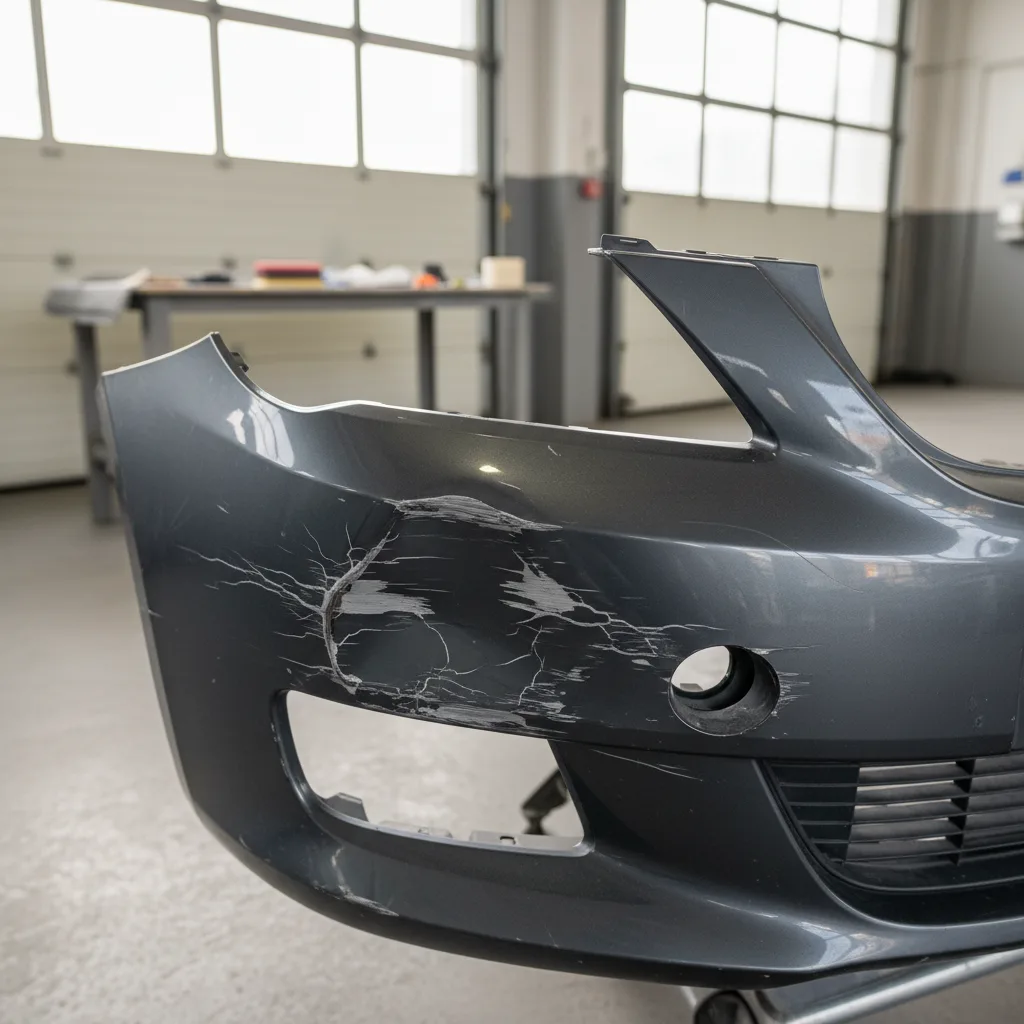
You pull into a parking lot at Desert Ridge Marketplace, hear that familiar crunch, and step out to find your front bumper cracked clean through with paint scraped down to bare plastic. It happens every week to Phoenix drivers, and the first question is always the same: can this be fixed, or does the whole thing need to come off?
The honest answer depends on more than how bad it looks.
Bumper damage generally falls into two categories: cosmetic and structural. Cosmetic damage includes surface scratches, shallow scuffs, and minor paint loss. A trained technician can typically sand, fill, and repaint that kind of damage without touching the bumper cover’s core structure. Structural damage is different. Deep cracks that run through the full thickness of the plastic, significant deformation where the bumper no longer holds its shape, or any impact that transferred force into the bumper beam or absorber beneath the cover all point toward replacement rather than repair.
Here’s where Phoenix adds a complication that drivers in cooler climates don’t always deal with.
The Valley’s heat and UV exposure degrade polypropylene and TPO plastic over time, making bumper covers brittle well before they’d fail in a milder climate. A bumper that might flex and absorb a low-speed impact on a Massachusetts car in October can crack in multiple directions here in July. That brittleness also affects repair outcomes. Filler applied to UV-degraded plastic has a shorter service life; the bond isn’t as reliable, and the repaired area can crack again within a year.
A lot of shops will tell customers that any crack can be repaired with plastic welding. That’s not always wrong, but it’s often oversimplified. Plastic welding done properly is a legitimate technique. Done on a bumper that’s already compromised from years of Phoenix sun, though, the repair may look fine at first and fail prematurely. At Brad’s Deer Valley Collision, we’ve been making these calls since 1985, and we’d rather give you a straight answer up front than a repair that comes back in six months.
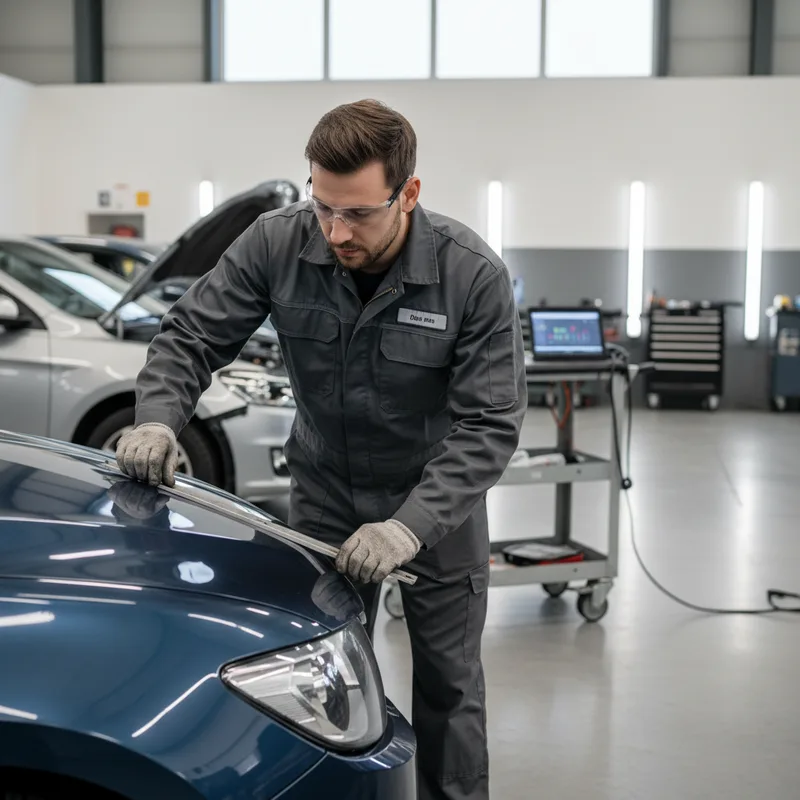
The bumper replacement vs repair decision starts with an honest assessment of material condition, not just visible damage. If you’re not sure what you’re looking at, come in for a free inspection and let us take a look before you commit to anything.
Cost Comparison: Repair vs. Replacement Expenses
Numbers matter. Before you commit to anything, you need a realistic picture of what bumper replacement vs repair actually costs in Phoenix, AZ.
Bumper repair on a cracked or scuffed plastic bumper typically runs between $150 and $400 for most passenger vehicles. That range covers surface prep, filler work, blending, and repainting the affected area. Labor is usually two to four hours depending on damage severity. If the damage is limited to one zone and the structural foam behind the cover is intact, repair is almost always the more cost-effective path.
What Full Replacement Actually Costs
Replacement is a different story. A new bumper cover for a standard sedan or SUV ranges from $300 to $700 for the part alone, and that’s before labor. Paint and blending typically add another $200 to $400 on top of that. All in, a full front or rear bumper replacement in Phoenix commonly lands between $600 and $1,500, with luxury or late-model vehicles pushing higher because of integrated sensors and ADAS components that require recalibration.
Here’s where a lot of people get misled. Many shops quote a low parts price using aftermarket covers, which looks attractive up front. But aftermarket fitment on newer vehicles is often inconsistent, and poor alignment creates problems down the road, especially around sensor mounting points. At Brad’s Deer Valley Collision, we’ve been doing this since 1985, and we’re direct with customers about when OEM parts are worth the extra cost and when they’re not.
Real-World Pricing Scenarios
-
Minor scuff or scratch, no structural damage: $150 to $250 for repair and repaint
-
Moderate crack with paint loss, bumper cover intact: $250 to $400 for repair
-
Deep crack with broken tabs or mounting damage: Replacement recommended, $600 to $900 total
-
Full impact damage with sensor involvement: $900 to $1,500 or more, including recalibration
One professional opinion worth sharing: skipping a proper written estimate is the single biggest mistake Phoenix drivers make. A verbal quote protects nobody. Always get the scope of work and pricing in writing before any shop touches your vehicle, regardless of how straightforward the damage looks.
If you’re unsure where your damage falls on this scale, stop by or contact us for a free inspection. We’ll give you a straight answer, not a sales pitch. You can also review our full service menu to understand everything we handle beyond bumper work.
Key Factors That Determine Your Best Option
Every technician develops a mental checklist after years of inspections. At Brad’s Deer Valley Collision, we’ve been running through that checklist on Phoenix vehicles since 1985, and the same four variables keep driving the bumper replacement vs repair decision every single time.
1. Damage Extent and Structural Involvement
Surface scuffs and shallow cracks are repairable. That part’s straightforward. Where shops sometimes mislead customers is by treating a cracked bumper cover as purely cosmetic when the impact actually loaded force into the bumper beam or foam absorber behind it.
Don’t skip the foam. That energy-absorbing layer behind the cover is designed to compress on impact and protect your radiator, sensors, and front fascia. If it’s compressed or cracked, repair becomes a band-aid. Replacement is the right call.
2. Bumper Material
Most modern passenger vehicles use thermoplastic or TPO bumper covers, which respond well to heat reshaping and plastic welding when the damage is clean. Older vehicles and some trucks still have metal reinforcements that behave completely differently under stress.
Plastic bumpers can be repaired effectively when the crack is contained and the structural backing is intact. Metal components that have bent or buckled typically need replacement, because straightening metal introduces fatigue that you can’t always see on the surface. That’s a professional opinion that contradicts the “we can fix anything” pitch you’ll hear from some quick-turnaround shops.
3. OEM vs. Aftermarket Parts
This matters more than most customers realize, especially on newer vehicles. I-CAR training specifically addresses fit and finish tolerances on replacement parts because an aftermarket bumper cover that doesn’t sit flush affects paint adhesion, sensor alignment, and even aerodynamics on some models.
OEM parts are manufactured to the same specifications as the original. Aftermarket parts vary significantly by brand and sometimes require additional labor to fit correctly. If you’re replacing a bumper on a late-model vehicle with parking sensors, radar, or a backup camera mounted to the cover, OEM is usually worth the extra cost. Ask your shop directly which option they’re quoting before you approve anything.
4. Warranty Implications
A repair has a shorter useful life than a full replacement, and the warranty reflects that. At Brad’s Deer Valley Collision, we stand behind our work with a written warranty, but the coverage period on a repair naturally differs from that on a full bumper replacement with new components.
Before committing to either path, ask the shop exactly what the warranty covers and for how long. No written warranty is a red flag, full stop.
All four of these factors connect. You can’t evaluate bumper replacement vs repair in Phoenix, AZ by looking at one variable in isolation. Damage extent, material, parts quality, and warranty terms all interact. Our team at Brad’s Deer Valley Collision walks through every one of them during your free inspection. You can also review our full range of services and learn more about our background and certifications before you visit.
Why Surface Prep and Hidden Damage Matter in Arizona
Phoenix heat is brutal on body repairs. Surface temperatures on a parked car regularly hit 160°F in summer, and that extreme thermal cycling pulls paint away from plastic that wasn’t prepared properly. A repair that looks clean leaving the shop can start peeling within six months if the technician cut corners on prep work.
This is where a lot of shops lose customers without even knowing it.
Proper surface prep on a plastic bumper means more than a quick scuff and spray. The damaged area needs cleaning, adhesion promoter, flexible primer, and the right basecoat formulation for plastic substrates. Skip any one of those steps and you’re applying new material to a surface that won’t hold it. Arizona’s UV intensity accelerates every weak point in a repair.
The Hidden Damage Problem
Bumper covers are designed to absorb impact energy by flexing and compressing. What that means in practice is that a low-speed hit can transfer force through the cover to the foam energy absorber behind it, the reinforcement bar, and in some cases the frame rails. You won’t see that damage looking at the outside of the bumper. A shop that writes an estimate based on surface appearance alone is leaving real problems undiscovered.
Honestly, this is one area where we disagree with the common advice to simply get three estimates and pick the middle one. A low estimate often means someone didn’t look deep enough, not that they found a better price.
At Brad’s Deer Valley Collision, every inspection includes the structural components behind the cover. Our team has been doing this since 1985, and we’ve seen enough post-repair failures from other shops to know that skipping this step costs customers more money in the long run.
Modern vehicles also carry ADAS sensors mounted in or near the bumper assembly. Parking sensors, radar modules, and front cameras need recalibration after bumper replacement vs repair work. Many smaller shops don’t have that equipment.
Don’t guess at what’s hiding behind the damage. Schedule a proper inspection and get the full picture before you decide anything.
Insurance Coverage and Your Right to Choose Your Shop
Most Phoenix drivers don’t realize they have full legal authority to choose their own repair shop, regardless of what their insurance company recommends. Insurers sometimes steer policyholders toward preferred “direct repair program” shops, framing it as a convenience. It’s really about cost control on their end.
That’s not inherently bad. But it’s worth understanding what you’re agreeing to before you hand over your keys.
What Insurance Typically Covers
Whether you’re dealing with a bumper replacement vs repair decision, your coverage depends on your specific policy. Comprehensive coverage handles non-collision events like debris impacts or weather. Collision coverage applies to accidents. Neither one automatically pays for everything, and insurers can dispute repair scope when hidden damage shows up after the initial estimate.
This is exactly why a thorough inspection from a shop you trust matters more than a fast adjuster estimate done in a parking lot.
Direct Repair Programs: Understand the Trade-Off
Direct repair programs (DRPs) connect insurers with approved shops that agree to pricing and process guidelines set by the carrier. Turnaround can be faster. But those shops sometimes face pressure to keep costs down in ways that affect parts quality or repair depth. Some DRP shops do excellent work. Others cut corners to maintain their approved status.
Get a second opinion if anything feels rushed.
Your Rights as a Phoenix Vehicle Owner
Arizona law does not require you to use an insurer-recommended shop. You can bring your vehicle to Brad’s Deer Valley Collision, get an accurate written estimate, and work directly with your carrier from there. We’ve been handling insurance claims for Phoenix drivers since 1985, and we know how to document damage properly so nothing gets missed during the claim process.
Before dropping off your vehicle anywhere, photograph all existing damage and ask for a written estimate with clear warranty terms. No written estimate and no warranty are two red flags you should never overlook.
Questions about coverage or next steps? Contact us and we’ll walk you through it before you commit to anything.
Making Your Final Decision: Brad’s Recommendation Framework
After 40 years of inspecting bumpers on Phoenix vehicles, the decision usually comes down to three things: depth of structural damage, sensor involvement, and your honest long-term plans for the car.
Here’s the framework we walk customers through at the shop.
Questions to Ask Before You Commit
-
Is the damage purely cosmetic, or is the reinforcement bar involved? If the energy absorber or mounting brackets took a hit, repair isn’t the right call.
-
Does your bumper have sensors or cameras? Any shop that doesn’t mention ADAS recalibration after bumper work is skipping a step that could affect your automatic braking and lane assist systems.
-
What’s the warranty, in writing? Get it documented before you hand over your keys.
-
OEM or aftermarket parts? Ask directly. For newer vehicles especially, OEM fitment matters more than most drivers realize.
One opinion we’ll share plainly: a lot of shops push repair when replacement is smarter, because repair generates faster turnaround. We’d rather give you the honest answer than the convenient one.
If your car is less than five years old, has active safety features, or you plan to keep it for several more years, replacement is almost always the better investment in Phoenix, AZ. The heat alone will expose any repair that wasn’t done correctly within a season or two.
If the damage is minor, the plastic is intact, and the structure is clean, a quality repair with proper surface prep is completely appropriate and saves you real money.
You can review our full collision repair services, learn more about our certifications on our about page, or stop by for a free bumper inspection any time. Contact us today and we’ll give you a straight answer.
Frequently Asked Questions
How do I know if my bumper should be repaired or replaced?
The short answer is that minor dents, cracks under 12 inches, and purely cosmetic damage are usually good candidates for repair. But if you’re dealing with large structural damage, severe crumpling, broken mounting brackets, or cracks that affect sensors or safety systems, replacement is the right call.
The bumper replacement vs repair decision isn’t always obvious from the outside, so don’t guess on something that affects how your car handles a collision. Bring your vehicle into Brad’s Deer Valley Collision in Phoenix, AZ, USA and we’ll do a free inspection to tell you exactly what you’re working with.
Is bumper repair cheaper than replacement?
Yes, typically by 40 to 60 percent. Repairs usually run between $300 and $800 depending on the extent of the damage. Replacement, including parts and labor, tends to fall in the $500 to $2,500 range or higher. So repair wins on price most of the time.
That said, if the damage is severe, a repair won’t hold up and you’ll end up spending more in the long run. In those cases, replacement is the only solution that actually lasts. We’ll give you an honest assessment of which option makes sense for your situation.
Does my insurance cover bumper repair or replacement?
If the damage came from a covered collision, then yes, your insurance should cover it. The exact amount depends on your deductible, the type of policy you have, and how your insurer evaluates the damage. Some policies cover repair but push back on full replacement, which is where having an experienced shop in your corner helps.
Brad’s Deer Valley Collision works directly with insurance companies here in Phoenix, AZ, USA. We handle the claims process and work with your provider to get the right repair or replacement approved, so you don’t have to fight that battle yourself.
Can I use aftermarket parts instead of OEM for bumper replacement?
You can, and it’s a reasonable option for a lot of customers. Aftermarket bumpers are often 20 to 30 percent cheaper than OEM parts, and many insurance companies will approve them. The trade-off is that quality can vary quite a bit between manufacturers, so you want to verify fitment, warranty coverage, and how well the part is built before going that route.
At Brad’s, we source both quality aftermarket and OEM parts based on your vehicle, your budget, and what makes the most sense for the repair. We’ll walk you through the bumper replacement vs repair options and the parts choices so you can make a confident decision.
How long does bumper repair or replacement take in Phoenix?
For repairs, expect about 1 to 3 days. Paint matching and drying time here in Phoenix, AZ, USA can be affected by the heat, and we don’t rush that part because a bad paint match is obvious. Replacements that require painting typically take 3 to 5 business days from drop-off to pickup.
We know being without your car is a hassle, so Brad’s offers loaner vehicles and shuttle service to keep things as convenient as possible while we have your vehicle. Just ask us about availability when you schedule your appointment.
Get a Free Bumper Inspection at Brad’s Deer Valley Collision in Phoenix, AZ, USA
If your bumper took a hit and you’re not sure whether it needs repair or a full replacement, stop by and let our I-CAR certified technicians take a look. We’ll assess the damage honestly, walk you through every option, and give you a detailed written estimate with no obligation attached. We’re proud to serve Phoenix, Scottsdale, Tempe, and Chandler with same-week service and loaner vehicles to keep you moving.
Call us today or swing by to schedule your appointment. And if you’d like to hear from real customers before you come in, check out our reviews on Google and see why so many drivers in the Phoenix area trust Brad’s Deer Valley Collision with their vehicles.