Minor Collision Repair in Phoenix, AZ: Fast Assessment and Professional Restoration
Minor Collision Repair in Phoenix, AZ: Fast Assessment and Professional Restoration
What Qualifies as Minor Collision Damage
You’re backing out of a parking spot at Desert Ridge Marketplace, distracted for one second, and you clip a concrete pillar. The bumper has a crack, there’s a small dent on the quarter panel, and your paint is scuffed down to the primer. It looks bad, but is it actually serious?
That depends on what’s underneath.
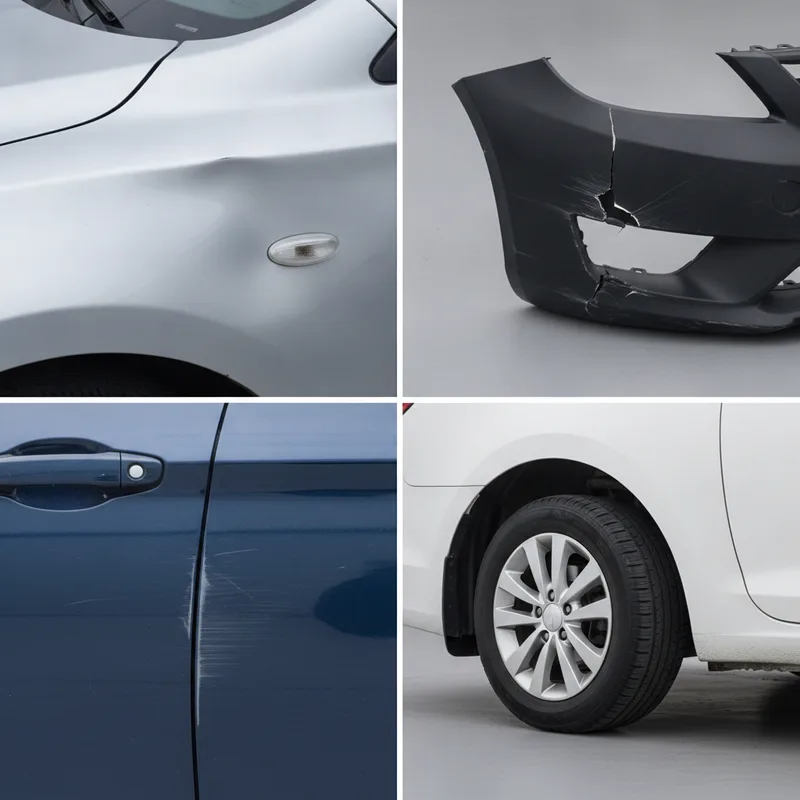
Minor collision repair typically covers damage that’s cosmetic or surface-level, with no compromise to the vehicle’s structural integrity. In practical terms, that includes dented body panels, cracked or scratched bumper covers, localized paint damage, and small dings that didn’t bend the underlying frame. These are repairs where the vehicle still drives, handles, and performs safely, but the exterior took a hit.
Here’s where a lot of drivers get this wrong: they assume “minor” means “no big deal, fix it later.” That’s a mistake. Even a small impact on a bumper cover can transfer force to the foam energy absorber behind it, which won’t show any visible damage but won’t protect you properly in the next collision either. Cosmetic repairs that skip a proper inspection miss things like that every time.
The dividing line between minor and major damage comes down to frame involvement and safety system integrity. If sensors, structural rails, or crumple zones absorbed the impact, you’re no longer in minor territory, regardless of how the exterior looks. At Brad’s Deer Valley Collision, our technicians have been working through exactly this distinction since 1985, and Phoenix drivers trust us to call it straight.
Common examples of genuine minor collision damage include:
-
Bumper scuffs, cracks, or dents without frame contact
-
Single-panel dents from low-speed impacts
-
Surface scratches and paint chips
-
Minor door dings that didn’t crease the metal
If your vehicle fits that profile, reach out to us for a fast, accurate estimate. We’ll tell you exactly what you’re dealing with.
The Assessment Process: What Happens During Your Initial Inspection
Walk in, and we get to work immediately.
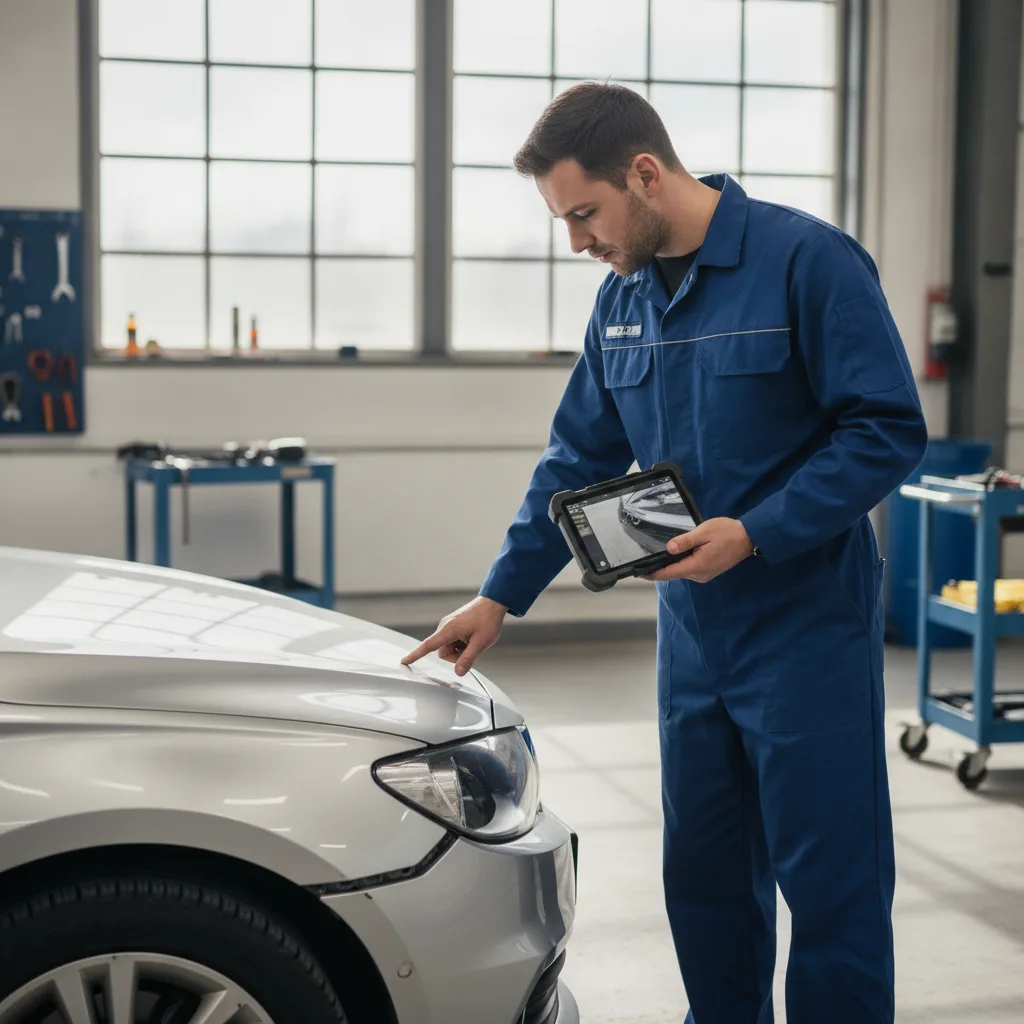
At Brad’s Deer Valley Collision, the assessment starts the moment one of our technicians lays eyes on your vehicle. We don’t hand you a clipboard and leave you waiting. The initial visual inspection covers every panel, seam, and surface in the damage zone, and we’re looking at more than just what’s obvious. A cracked bumper cover is easy to spot. What’s underneath it is a different story.
Visual Inspection and Documentation
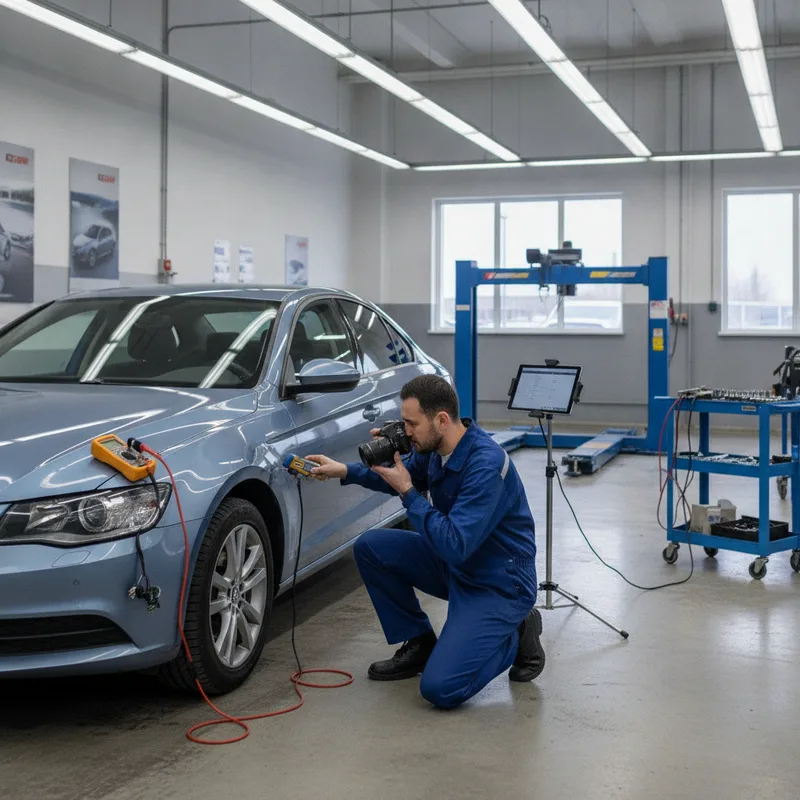
We photograph everything before a single tool comes out. That documentation protects you and it protects us. Our technicians record the full extent of visible damage, note the paint condition around the impact point, and flag anything that looks like it absorbed more force than the surface shows. This is standard practice we’ve refined over nearly four decades of collision work in Phoenix.
One thing a lot of customers don’t realize: the written estimate you get at that first appointment should be detailed enough to feel like a repair plan, not a rough guess. Vague estimates are a red flag we’d encourage any Phoenix driver to take seriously. If a shop hands you a number on a sticky note, keep moving.
Looking for Hidden Damage
This is where minor collision repair gets complicated. A low-speed impact that dents a quarter panel or cracks a rear bumper can also shift a support bracket, compress a foam energy absorber, or nudge a sensor mount out of alignment. We check the structural components behind the cosmetic layer, because skipping that step during the assessment almost always means a bigger problem surfaces later, usually after the car is back in your driveway.
Modern vehicles carry ADAS technology that’s surprisingly sensitive to physical impact. Camera mounts and radar housings can shift even when the exterior damage looks minor. We assess those systems as part of every inspection, not as an add-on.
Determining the Repair Approach
Once we have a complete picture, we walk you through the findings in plain language. You’ll know what needs repair, what the options are, and what the realistic cost looks like before any commitment is made. Our full range of repair services covers everything the inspection might turn up.
Ready to schedule? Contact us or stop by, and we’ll get started the same day.
Common Red Flags: What Not to Overlook with Minor Damage
Small impacts hide big problems. That’s the pattern we see regularly here at Brad’s Deer Valley Collision, and it’s the part of minor collision repair that Phoenix drivers tend to underestimate most.
A bumper that looks like a cosmetic fix can be sitting on a bent subframe. A cracked fascia on the passenger side might mean the front suspension took an angle hit. The outside tells you something happened. It doesn’t tell you the full story.
Frame and Structural Misalignment
Modern unibody vehicles transfer impact energy across the entire structure. A low-speed hit at an odd angle can pull the chassis out of spec by a few millimeters. That’s enough to cause uneven tire wear, pulling while driving, and long-term alignment problems. Most drivers won’t notice it until they’ve burned through a set of tires.
Suspension Damage That Doesn’t Show
Tie rods, control arms, and steering components sit behind your bumper. They absorb shock that the body panels can’t. A thorough post-impact inspection has to include these parts, not just what you can see from five feet away.
ADAS Recalibration Is Non-Negotiable
This is where a lot of shops cut corners, and honestly, it’s the most consequential shortcut they take. If your vehicle has forward collision warning, automatic braking, or lane departure assist, any front-end impact can throw those sensors out of calibration. A shop that skips recalibration after minor collision repair is leaving your safety systems in an unknown state. NHTSA has documented how miscalibrated ADAS systems contribute to real-world accidents.
No written estimate and no mention of ADAS recalibration are two red flags worth walking away from. Our full service capabilities include proper calibration, and our customer reviews reflect what that thoroughness looks like in practice.
Our Repair Approach: OEM Parts, Paint Matching, and Modern Techniques
Parts selection is where a lot of shops quietly cut corners. At Brad’s Deer Valley Collision, we have a direct conversation with every customer about OEM versus aftermarket parts before any work begins. You deserve to know what’s going back on your vehicle.
OEM parts come from your vehicle’s original manufacturer. They fit the way the factory intended, which matters more than most people realize, especially for structural components and safety-rated panels. Aftermarket parts can work, and in some situations they’re a reasonable choice, but the common advice that “aftermarket is just as good” is an oversimplification we disagree with. Fit tolerances vary, and on a modern vehicle with integrated safety systems, a part that’s even slightly off-spec can affect more than aesthetics.
Paint Matching Done Right
Color matching is technical work. Our auto body paint shop uses computerized spectrophotometer technology to read your vehicle’s existing finish and formulate a precise match. Paint fades over time, so we’re not just matching the original factory color code. We’re matching what your car actually looks like today. That difference is what separates a repair that’s invisible from one you’ll notice every time you walk to your car.
Surface preparation matters just as much as the paint itself. Skipping or rushing prep is one of the most common mistakes in this industry, and it’s exactly why some repairs start peeling or bubbling within a year. We don’t rush that step.
Why Technique Affects Resale Value
A minor collision repair done with proper surface prep, OEM-quality parts, and matched paint protects your resale value in Phoenix’s competitive used car market. A quick patch job done with mismatched paint and filler-heavy shortcuts does the opposite. Buyers notice, and inspectors catch it.
We’ve been doing this since 1985, and our approach hasn’t changed: do the job correctly the first time. You can review our full service offerings or read what other Phoenix drivers have experienced on our customer review page. If you’re ready to get a straight answer on your repair, contact us directly.
Insurance Claims and Direct Repair Programs in Phoenix
Most Phoenix drivers don’t realize they have the right to choose their own repair shop, regardless of what their insurance company recommends. Insurers often push their preferred network, called a Direct Repair Program (DRP), because it streamlines their process. That’s fine, but the shop choice is yours. Don’t let anyone tell you otherwise.
At Brad’s Deer Valley Collision, we work directly with insurance companies and participate in DRP networks, which means we handle the paperwork, photos, and estimate submissions on your behalf. You drop off your vehicle, and we take it from there. No back-and-forth, no chasing adjusters on your own.
Here’s where we’d push back on common advice: getting two or three estimates before picking a shop isn’t always the practical move it sounds like. What matters more is whether the shop has verified credentials, a written warranty, and a clear track record. A lower estimate often means someone is cutting corners on parts or skipping steps in the repair process. For minor collision repair in Phoenix, AZ, that can mean problems that surface six months later.
Before you drop off your car, photograph all existing damage from multiple angles. It protects you during the claims process and gives you a clear record of pre-existing conditions. We recommend doing this regardless of fault.
Our team provides accurate, itemized estimates that insurance adjusters can work with directly. We document everything from surface damage to any hidden structural concerns found during inspection. If additional damage shows up once disassembly begins, we contact your insurer directly and handle the supplement claim. You don’t get stuck in the middle.
We’ve been handling insurance work in Phoenix since 1985. Our history with local families and businesses means we’ve navigated just about every insurance scenario there is. If you want to see what that experience looks like from a customer’s perspective, read what Phoenix drivers have said about working with us.
Timeline and Convenience: Getting Your Vehicle Back on Phoenix Roads
Time matters. Most Phoenix drivers can’t afford to be without their car for days while waiting on repairs that should take a fraction of that time.
For straightforward minor collision repair, our typical turnaround runs one to three days. A bumper crack, a small dent with paint damage, a scuffed quarter panel, these aren’t week-long projects when the shop is organized and the parts are sourced correctly. Where delays creep in is usually parts availability or insurance approval lag, not the actual repair work. We communicate both situations to you upfront rather than letting you guess.
We hear from customers who expected the process to be more disruptive than it is. Honestly, that reputation comes from shops that don’t plan repairs properly before a car even comes in. We do the parts lookup during your estimate, so we’re not scrambling after you’ve already dropped off your vehicle.
Options That Work Around Your Schedule
We offer shuttle service and after-hours drop-off because Phoenix traffic is not something anyone wants to navigate twice on the same day just to hand over their keys. Drop your car off in the evening, handle your morning routine, and we’ll reach out with updates as the repair progresses.
Text updates and photos throughout the process aren’t a luxury. They should be standard. We treat them that way. You’ll know where your vehicle stands without having to call in to ask.
If you want to talk through timing before committing, reach out to us directly or stop by. We’ve been working with Phoenix drivers since 1985, and a straightforward conversation about your schedule is always the right place to start.
Warranty Coverage and Building Trust with Your Phoenix Auto Body Shop
A shop that won’t put its warranty in writing is telling you something important. After 40 years of doing minor collision repair in Phoenix, AZ, we’ve watched drivers accept verbal assurances and regret it later when paint starts peeling or a repaired panel develops stress cracks six months down the road.
Brad’s Deer Valley Collision backs every repair with a written warranty. That document covers both workmanship and materials, and our team walks you through exactly what’s included before you sign anything. No fine print surprises.
Certifications matter here too. Our technicians hold I-CAR and ASE credentials, which require ongoing training to maintain. A lot of shops display outdated plaques and haven’t invested in current training cycles. We’d argue that active certification is more meaningful than years in business alone, though we have both. You can learn more about our background and credentials on our about page.
Reviews tell the real story. Phoenix drivers from Scottsdale to Tempe have shared their experiences with us directly, and those accounts reflect what actually happens at the front counter, not just what we say about ourselves. Read verified customer feedback on our customer testimonials page.
Trust is built one repair at a time. Walk in, ask your questions, and see our full range of services firsthand. Contact us today to schedule your estimate.
Frequently Asked Questions
How long does minor collision repair typically take in Phoenix?
Most minor collision repairs in Phoenix, AZ, USA take somewhere between 3 and 7 business days. The timeline depends on parts availability and how long the paint needs to cure properly. When you bring your vehicle into Brad’s Deer Valley Collision, we’ll assess the damage and give you a specific estimate right away. We also offer loaner vehicles and shuttle service so you’re not sitting around waiting while your car is in the shop.
Should I choose OEM or aftermarket parts for minor collision damage?
OEM parts (original equipment manufacturer) are made specifically for your vehicle, so the fit, finish, and warranty coverage are going to be exact. Aftermarket parts can cost less, but quality varies quite a bit depending on the supplier. At Brad’s Deer Valley Collision, we’ll walk you through both options and give you a straight recommendation based on how severe the damage is, what your insurance covers, and what your vehicle is worth. There’s no one-size-fits-all answer here.
Do I have to use my insurance company’s recommended body shop?
No, you don’t. Arizona law gives you the right to choose your own collision repair shop, regardless of what your insurance company suggests. Some insurers will push their preferred vendors, but that choice is yours to make. Brad’s Deer Valley Collision works directly with all major insurers and participates in direct repair programs, so the claims process stays smooth and straightforward whether you come to us first or after your insurer gets involved.
What’s included in a typical minor collision repair estimate?
A solid estimate should cover parts, labor, paint, and any additional services your vehicle needs, such as alignment or sensor recalibration. At Brad’s Deer Valley Collision, we provide written estimates with detailed line items so nothing is vague or surprising. You’ll see exactly what work is being done and why. If you’re dealing with minor collision repair in Phoenix, AZ, USA, you deserve to know what you’re paying for before any work starts. Stop by the shop and we’ll go through it with you.
Can hidden frame damage occur with minor-looking collisions?
Yes, it absolutely can. A collision doesn’t have to look bad on the outside to cause real structural problems underneath. Impact energy can shift or misalign a vehicle’s frame even when the exterior damage seems minor. At Brad’s Deer Valley Collision, we use precision measurement tools during every assessment to check for hidden structural issues that aren’t visible to the eye. Catching those problems early prevents much bigger (and more expensive) issues down the road.
Get Your Vehicle Back on the Road with Brad’s Deer Valley Collision
If you’ve dealt with a minor fender bender or more serious collision damage here in Phoenix, AZ, USA, we’re ready to help you get sorted out quickly and without the runaround. We work directly with insurance companies, offer loaner vehicles to keep your day moving, and we’ll give you a straightforward assessment from the start. See what our customers are saying on Google and then give us a call or stop by the shop to schedule your free estimate today.