Auto Body Shop for Business Fleets in Phoenix, AZ: What Fleet Managers Should Expect
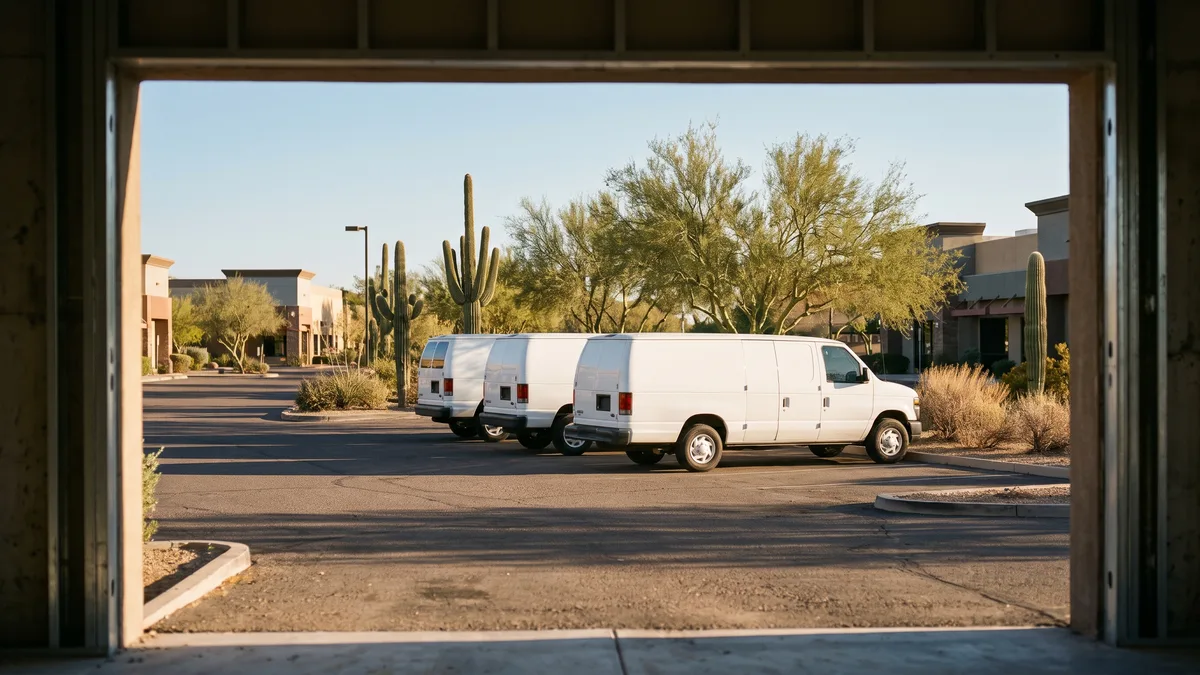
Auto Body Shop for Business Fleets in Phoenix, AZ: What Fleet Managers Should Expect
What Should a Fleet Manager Expect From an Auto Body Shop in Phoenix?
A fleet manager in Phoenix should expect a clear intake, a written estimate approved before any work starts, scheduled progress updates, and a documented final handoff. Brad’s Deer Valley Collision applies that structure to fleet repair so managers know what’s happening with each vehicle and can plan around it.
Brad’s Deer Valley Collision has been in business since 1985 and works as an auto body shop for business fleets across Phoenix, AZ. Customers come to the storefront, and the team handles fleet repair services in Phoenix for commercial vehicles.
Three factors affect fleet downtime more than any others. Communication comes first, because a manager who hears early can reassign routes or drivers. Turnaround is next, since every day a van sits in a bay is a day it isn’t earning. Updates tie the two together. Without them, a schedule is only a guess.
How Does a Fleet Repair Move From Intake to Approved Estimate?
Five stages take a fleet vehicle from the front counter to a repair start. Each one should leave you with something in writing.
- Intake and damage documentation. The shop logs the vehicle, unit number, and every point of damage, with photos. You should receive a copy of that record. Confirm that existing dents, scratches, and prior repairs are listed separately from the new collision damage.
- Written estimate. The estimate should itemize labor, parts, and paint, and say whether parts are OEM or aftermarket. Confirm the warranty terms and the expected turnaround before you read any totals.
- Fleet manager approval. Nothing starts until you sign off. Confirm who at your company can approve, and ask how the shop handles added damage found after panels come off. A supplement should reach you in writing before the work changes.
- Scheduled repair start. You should get a start date and a target completion date for the unit. Confirm whether parts are on hand, since a missing part can hold up the whole schedule.
- Status check-ins. Agree on how updates arrive (text, email, photos) and how often. Ask who your point of contact is.
A fleet buyer should do the same homework any driver does. Verify I-CAR and ASE certifications, and get two or three written estimates before committing. An unusually low bid or a quote with no warranty is a red flag, and a fleet can’t absorb a repair that gets redone.
Brad’s Deer Valley Collision handles fleet collision repair for Phoenix businesses from its shop, where you can drop off a unit and walk through the damage record in person. The shop works with insurance companies, and that matters when a claim sits behind the estimate. You also keep the right to choose your own shop regardless of what an insurer recommends.
Approval is where fleet managers hold the most leverage. Reading the estimate line by line before you sign, and asking why each one is there, costs a few minutes. It prevents disputes later, when the invoice no longer matches what you agreed to.
How Should Fleet Managers Plan Around Turnaround Time?
A fleet vehicle that sits in a shop lot without a clear completion window is a vehicle nobody can schedule. That’s the practical problem with turnaround.
Timing depends on three things: the extent of the damage, parts availability, and the shop’s current workload. None of them can be known precisely at the front counter, so ask the shop for an estimated completion window in writing rather than a verbal guess. Brad’s Deer Valley Collision treats that written window as part of the estimate.
Plan Your Rotation Early
Once you have the window, decide which spare unit covers the route and who approves any change. If a parts delay moves the date, you’ll want to know before the original date arrives.
Ask About Loaner and Shuttle Options
- Is a loaner vehicle available for fleet work, and under what conditions?
- Does the shop offer shuttle service for drivers?
- Who is notified if the completion window changes?
Use After-Hours Drop-Off
Dropping a unit off after the workday ends lets it enter the shop’s queue without pulling a driver off a shift. Confirm the process ahead of time, and photograph existing damage before you leave the keys.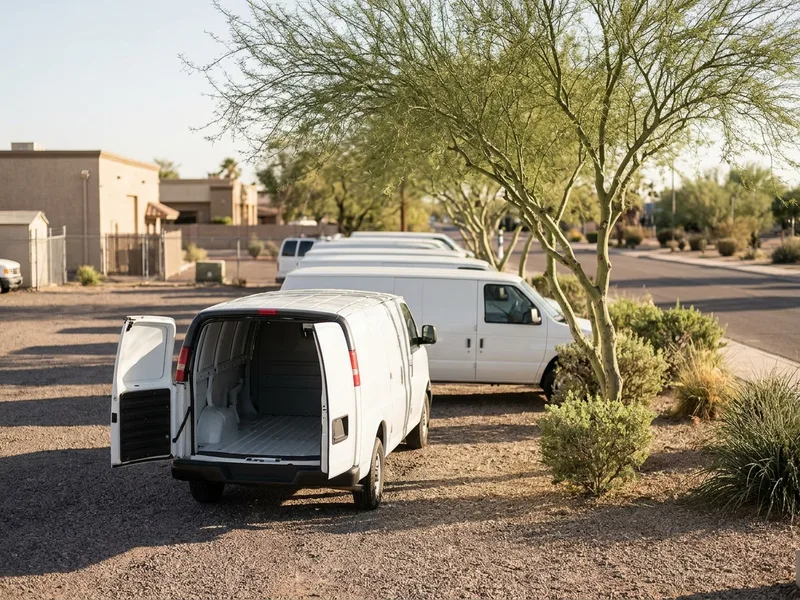
What Progress Updates Should Fleet Managers Ask For?
Ask for the update schedule at intake, before the vehicle leaves your hands. Once the repair is underway, it’s harder to set terms.
Four questions cover most of it:
- Who is the named contact? One person who knows your unit numbers and can answer without transferring you.
- Will status updates come by text? A short message at each stage change is easier for a dispatcher to act on than a voicemail.
- Which milestones come with photos? Common ones are teardown, structural or bumper work, paint, and final assembly.
- What happens if the schedule slips? Ask how a parts delay or a hidden damage find gets reported and approved.
Short and predictable beats frequent and vague. A text at each agreed milestone lets a dispatcher reassign routes and decide whether a replacement vehicle is needed, rather than guessing from a single phone call at the end of the week.
The team at Brad’s Deer Valley Collision offers text updates and photos. Fleet managers can ask the shop to confirm which of these apply to their account.
One judgment call: tie photo updates to milestones, not to a calendar. A photo of finished paint tells you more than a daily “still in progress” message, and it gives you something to compare against the estimate you approved.
What Does a Clean Final Handoff Look Like for a Fleet Vehicle?
A repair can be finished and still not be ready to hand over. The gap is usually paperwork, not paint.
A clean handoff at Brad’s Deer Valley Collision starts with a walkthrough of the completed repair. The fleet manager or driver looks over the work with the team, checks panels, finish, and fit, and asks about anything that looks off. Then comes documentation: a record of the work performed and the final invoice, matched against the approved estimate. Any changes along the way should appear in writing.
Before the vehicle goes back into service, ask for confirmation that it’s ready. That’s a simple statement from the shop, and it belongs in the file.
Photograph each vehicle at pickup, from every side, and keep the photos with the invoice and repair records. If a question comes up later, you’ll have a dated reference. Anyone comparing options for business vehicles can also review the full collision and body services.
Clear updates from intake to pickup are what keep a fleet moving. Confirm any insurance, warranty, or legal questions with a qualified professional.
Frequently Asked Questions
Can a fleet get loaner vehicles while its vans are in the shop?
Loaner, rental, and shuttle options vary, so confirm them before drop-off. Ask Brad’s Deer Valley Collision whether a replacement vehicle is available for the expected repair window and how that arrangement works.
How do insurance claims work for commercial fleet vehicles in Phoenix?
Commercial fleet claims in Phoenix may involve a business policy and a different process than personal auto. Confirm coverage details with your insurer, then ask Brad’s Deer Valley Collision how the team handles claim documentation.
What should a fleet manager do if a repair takes longer than estimated?
Ask the shop for the reason in writing and request a revised completion date. Confirm whether the change affects the approved estimate. Keep a log of dates so your scheduling records stay accurate.
Can fleet vehicles be dropped off after business hours?
After-hours drop-off at an auto body shop can reduce daytime disruption for dispatch and drivers. Ask Brad’s Deer Valley Collision how keys, paperwork, and vehicle condition photos are handled when a van arrives off-hours.
Talk Through Your Fleet Repair Timing at Brad’s Deer Valley Collision
Fleet repairs raise practical questions about how long a vehicle will be out of rotation, how often you’ll hear from the shop, and what drop-off looks like. Stop by Brad’s Deer Valley Collision in Phoenix and the team will walk through how a fleet repair moves from check-in to pickup.
If you’d like to read first, see the details on commercial fleet repair services in Phoenix. You can also check out our reviews on Google to see what customers are saying.