
Car Painting Heat Damage Warning Signs in Phoenix, AZ: When a Refinish Is Needed
Car Painting Heat Damage Warning Signs in Phoenix, AZ: When a Refinish Is Needed
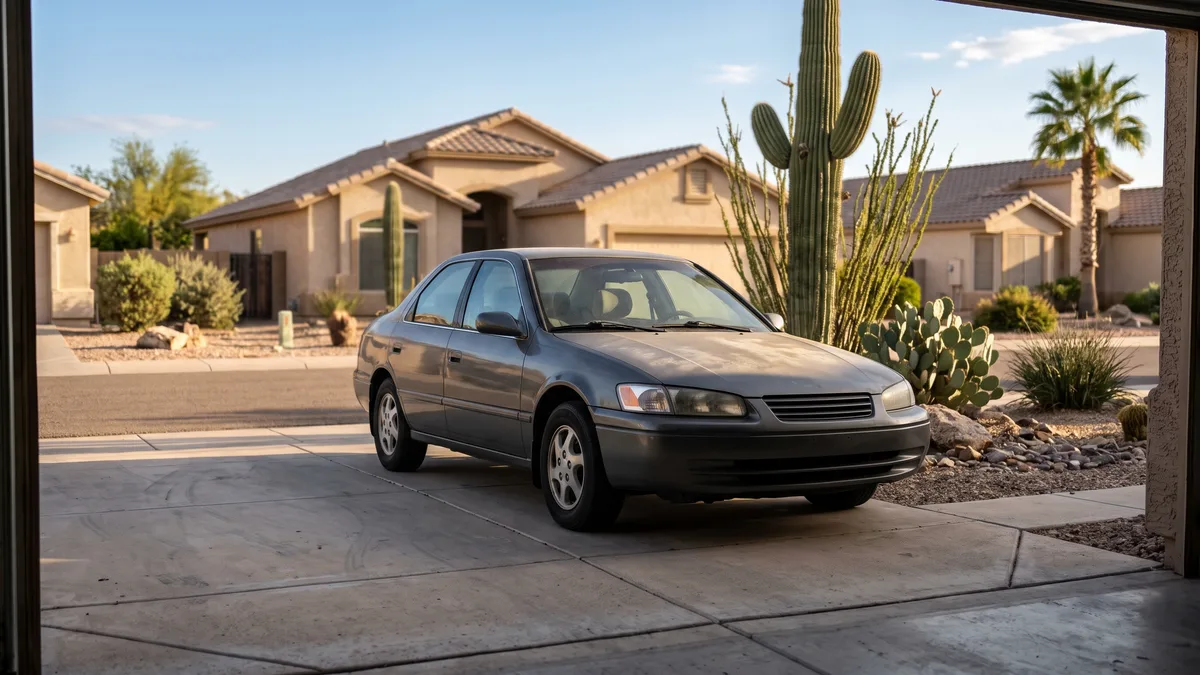
What Does Heat Damage Look Like on Phoenix Car Paint?
Heat and UV exposure in Phoenix break down the clear coat first, and it shows up as fading, hazing, or peeling on the surface. Brad’s Deer Valley Collision is the Phoenix, AZ shop that handles car painting and paint assessments for drivers whose finish has started to dull, cloud, or flake.
The base color underneath is often affected only after the clear coat has failed. That order matters. A roof or hood that looks chalky may still have intact color beneath a thinning clear layer, while a panel with bare, rough patches has usually lost that protection for a while.
Brad’s Deer Valley Collision has been in business since 1985, and the team looks at paint condition panel by panel. Picture a car that sits outdoors all day: the horizontal surfaces, like the hood, roof, and trunk lid, tend to show wear before the doors do. You can review the auto body painting and collision services to see what the shop offers.
Which Warning Signs Show Clear Coat Failure?
Clear coat is the top layer that protects the color underneath. Once it breaks down, the damage moves in one direction: down. These four signs are worth checking on any car that sits outdoors in Phoenix.
- Fading or chalky dullness. The surface looks flat, and a fingertip may pick up a powdery residue. That usually means the clear coat is thinning, and the color layer is next in line.
- Hazing that doesn’t buff out. A cloudy patch that stays after polishing points to damage inside the clear coat, not just on its surface. Polishing removes material, so the coating that’s left may already be too thin to work with.
- Peeling or lifting edges. When the clear coat curls at a panel edge or around a chip, it has lost its bond with the color coat. Peeling suggests the failure runs through the full thickness of the clear.
- Cracks or flaking on horizontal panels. The hood, roof, and trunk take the most direct sun, so they tend to show failure first. Cracking or flaking there usually means the clear coat is finished, and the base coat or primer may be exposed.
The team’s view at Brad’s Deer Valley Collision is that hazing gets treated as a polishing problem more often than it should. Buffing a failing clear coat can look good for a few weeks while it takes away the little film that remains. A proper look at the panel’s condition comes before any decision about polishing.
Bring the car to the shop for a car painting assessment. Customers come to the Phoenix storefront, and it helps to ask for the findings in a written estimate so the repair path is documented.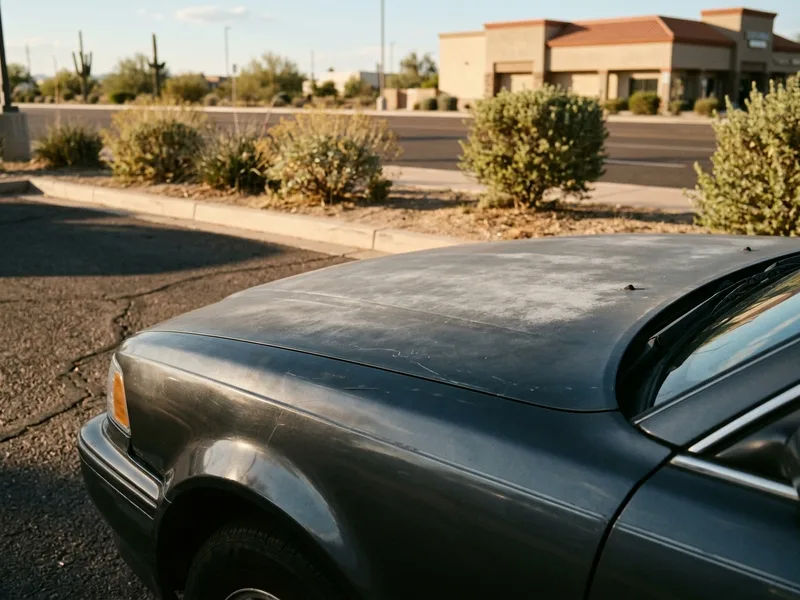
When Is a Spot Repair Enough, and When Does the Whole Panel Need a Refinish?
Heat damage rarely stays where it starts. A roof or hood that has been baking in Phoenix sun for years usually shows the same breakdown across the whole surface, even if only one patch looks bad today.
That’s the first thing to compare: how much of the panel is affected. A small, isolated chip or a single scuffed spot can often be blended without touching the rest. Clear coat that is peeling or hazing across a large area is a different job, because new paint laid next to failing paint won’t hold up evenly.
Isolated or spread out?
Look at the horizontal surfaces first, since they take the most direct sun. If the roof, hood, and trunk lid all show wear, a single spot repair won’t change how the car reads from ten feet away. Damage on one panel only is a stronger candidate for a localized fix.
Can the color be matched cleanly?
Sun-faded paint is no longer the color that left the factory. A painter has to match what’s on the car now, which is why blending into neighboring areas matters. Brad’s Deer Valley Collision uses paint matching technology for its car painting work.
Questions to ask a painter
- Which panels do you recommend refinishing, and why those?
- Will the repair be blended into adjoining panels?
- How will the new color be matched to my faded paint?
- Is the estimate in writing, and what does the warranty cover?
Getting two or three written estimates makes the scope differences easy to see. A bid that is far lower than the others often means a smaller scope, so ask what it leaves out.
Why Should Phoenix Owners Inspect Paint in Late Spring and Early Summer?
Phoenix summers push past 110°F for extended stretches. Heat and UV work on clear coat the whole time, and a finish that’s already weakened breaks down faster.
Late spring and early summer make a useful checkpoint. You can catch trouble before the hottest months arrive, which matters most for cars parked outdoors all day.
Walk around the car in the shade. Direct sun hides early hazing and glare makes lifting edges hard to spot. Check the roof, hood, and trunk lid first, since they take the most sun. Look for dull patches, a cloudy film, or clear coat that seems to rise at an edge.
The team’s judgment at Brad’s Deer Valley Collision is simple: a small flaw caught early is easier to deal with than one left through a summer. If something looks off, bring the car to the shop for a look. Ask for a written estimate, and ask about warranty coverage on the paint work.
How Should You Prepare Before Contacting a Car Painting Specialist in Phoenix?
Paint problems look different at noon than they do under a garage light. Photograph the affected areas in daylight, then note which panels show symptoms. Roofs, hoods, and trunk lids often tell the story first. If you can find the paint code (usually on a label in the driver’s door jamb), write it down.
Then compare shops. Get two or three written estimates, and be wary of a bid with nothing in writing or one that’s unusually low. Ask each shop about warranty coverage, turnaround time, and whether the work uses OEM or aftermarket materials. Check that the shop displays I-CAR and ASE certifications, and read recent reviews.
If you’d rather start with a question, you can request a paint estimate and send your photos along. Before any drop-off, photograph existing damage and remove valuables from the car.
Every vehicle and finish is different, so confirm the details of any repair plan, warranty, or insurance question with a qualified professional.
Frequently Asked Questions
How often should car paint be inspected in Phoenix?
Car paint in Phoenix is worth checking once or twice a year, with late spring a useful checkpoint before peak heat. Dark paint and horizontal panels like the hood, roof, and trunk often show sun damage first, especially on vehicles parked outside.
Can faded clear coat be fixed with a home polish?
Faded clear coat with light surface dullness sometimes responds to polishing. Peeling, lifting, or deep hazing usually needs a professional assessment. Aggressive home sanding can cut through the finish, so have a painter look at the damage first.
Does insurance cover paint damage caused by sun exposure?
Insurance coverage for sun-related paint damage depends on your specific policy and the insurer’s terms, so check with your provider. A body shop like Brad’s Deer Valley Collision can document the paint’s condition and give a written estimate to support a claim.
Will a repainted panel match the rest of an older car?
A repainted panel can match an older car, but the result depends on how much the original paint has faded. Painters often blend into adjacent panels for a uniform look. Ask the shop how it handles matching on older finishes before work begins.
Spot Repair or Full Refinish? Bring the Hood By
Deciding between a spot repair and a full refinish is hard to do from photos alone. Stop by Brad’s Deer Valley Collision in Phoenix and ask for a written estimate on your hood’s finish.
If you’d like to read up first, review the auto body painting and collision services the shop offers, or check out our reviews on Google to see what customers are saying.