Getting an Accurate Car Body Repair Estimate in Phoenix, AZ: What to Ask and What to Expect
Getting an Accurate Car Body Repair Estimate in Phoenix, AZ: What to Ask and What to Expect
What You Should Provide When Requesting a Car Body Repair Estimate
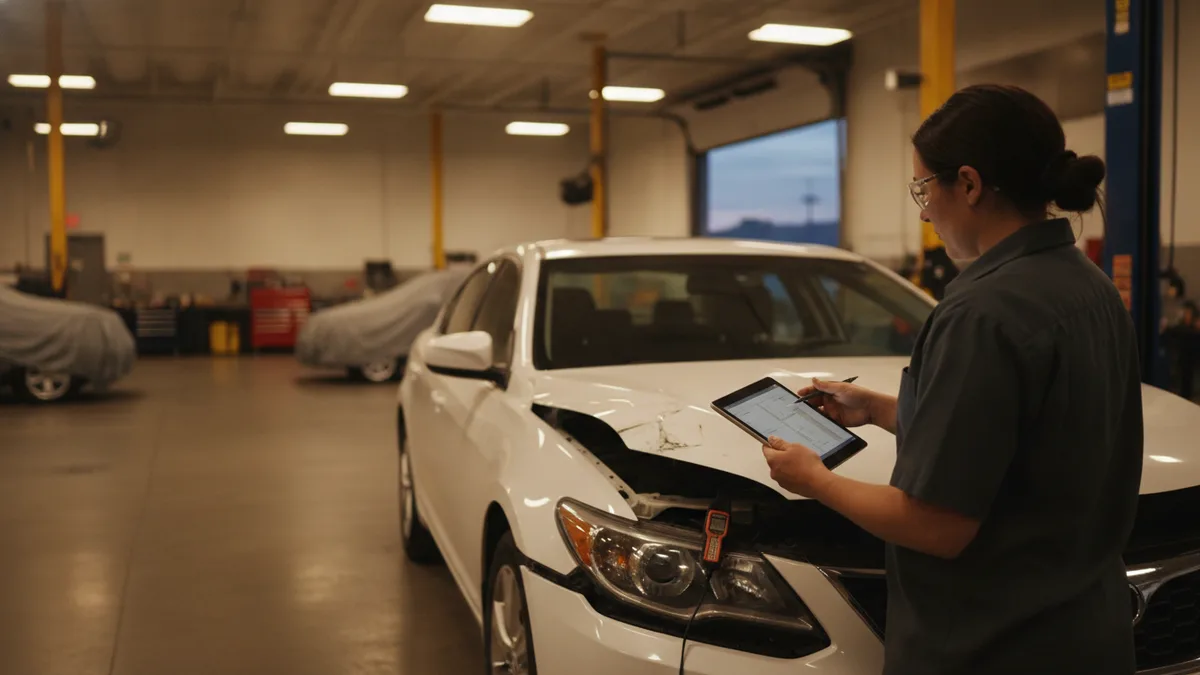
A car body repair estimate is only as accurate as the information behind it. At Brad’s Deer Valley Collision in Phoenix, AZ, USA, our technicians ask customers for photos of the damage, the vehicle’s year, make, and model, a brief description of how the damage happened, and whether the claim will go through insurance. Providing these details upfront lets us give a more reliable starting estimate before the vehicle is even on-site.
Say a customer in Phoenix backed into a pole and cracked a rear bumper. Sending clear photos from a few angles, along with the license plate area visible for reference, helps our team spot related issues like sensor damage or misaligned trim that a phone camera might not catch head-on. It’s a small step, but it changes the estimate from a rough guess to a workable number.
Brad’s Deer Valley Collision has been repairing vehicles in the Phoenix area since 1985, and one thing that hasn’t changed is how much a complete picture upfront saves everyone time later. We’d rather ask a few extra questions at the start than revise a number twice after the car is already in the shop.
Here’s what customers should have ready:
-
Photos of visible damage from multiple angles
-
Vehicle year, make, model, and trim level
-
A short description of the incident
-
Insurance information, if applicable
-
Any prior repair or accident history related to the same area
Missing pieces don’t stop us from working. They just mean the first number quoted may shift once a technician inspects the vehicle in person. That’s normal, and it’s true across most shops, not just ours. For a closer look at what’s involved, our page on collision repair and auto body services outlines the range of work, from frame repair to bumper repair to paint matching, that can factor into a final quote.
Understanding the Difference Between Written and Verbal Estimates
A verbal quote is just a number someone said out loud. It’s not a promise, and it won’t protect you if the final bill looks nothing like what you were told over the phone.
A written car body repair estimate is different. It lists the specific parts, labor hours, and materials involved, and it gives you something to hold the shop accountable to. If a shop hesitates to put anything on paper, that’s worth paying attention to.
Here’s what a proper written estimate should include:
-
Itemized parts (with OEM or aftermarket noted)
-
Labor costs broken down by task
-
Paint and materials charges
-
Estimated completion timeframe
-
Warranty terms for parts and labor
-
Shop name, license information, and contact details
In our experience, most shops that avoid written estimates aren’t trying to scam anyone; they’re just not organized enough to track the details. But that disorganization tends to show up later in the repair itself, so it’s still a signal worth noticing. Some Phoenix, AZ, USA customers tell us they’ve accepted a verbal number over the phone just to save time, then felt blindsided when the shop added charges once the car was already torn down.
At Brad’s Deer Valley Collision, every estimate we provide is written, itemized, and explained before any work starts. We’ll walk you through each line item in person if you stop by our shop, and we’ll answer questions about parts sourcing or labor rates directly.
If you’re comparing quotes from multiple auto body shops, insist on written documentation from each one. Verbal numbers can’t be compared apples-to-apples, and they give you no legal footing if a dispute comes up later. For questions about your rights regarding repair documentation, the Arizona Attorney General’s Consumer Protection division is a useful resource.
Red Flags and Questions Every Phoenix Customer Should Ask
Every shop owner in this business has seen it: a customer walks in holding a suspiciously low quote from another estimator, convinced they’ve found a deal. Nine times out of ten, that number is missing something, often labor hours, paint materials, or a part that “might need replacing later.” A low bid isn’t a bargain if it turns into a change order halfway through the repair.
Watch for these warning signs before you sign anything:
-
No written estimate, only a verbal number or a rough guess
-
No mention of a warranty on parts or labor
-
Vague line items like “body work” with no breakdown
-
Pressure to sign immediately without time to compare quotes
-
A bid that’s noticeably lower than every other estimate you’ve received
Any one of these alone might have an explanation. Two or three together should make you pause.
Questions Worth Asking Before You Commit
A good technician expects these questions and won’t get defensive answering them. Bring this list with you:
-
Are you using OEM parts, aftermarket parts, or a mix, and why?
-
What warranty do you offer on parts and on labor separately?
-
What’s your realistic turnaround time, and what could extend it?
-
Are your technicians I-CAR or ASE certified?
-
Will you coordinate directly with my insurance adjuster?
-
Does this vehicle need ADAS recalibration after the repair?
-
Is this estimate final, or should I expect a supplement once the car is disassembled?
-
Do you offer a loaner car or shuttle service while my car is in the shop?
That ADAS question trips up a lot of Phoenix drivers. Plenty of smaller shops skip recalibration entirely because they don’t have the equipment for it, and most customers never know to ask. In our experience, that’s one of the more overlooked steps in a modern collision repair, especially on newer vehicles with lane-assist or automatic braking systems.
OEM versus aftermarket parts also deserves more attention than most estimates give it. OEM parts come from the manufacturer and typically cost more, while aftermarket parts are made by third parties and can vary in fit and finish. Neither choice is automatically wrong, but you deserve to know which one you’re paying for.
Brad’s Deer Valley Collision has worked on Phoenix vehicles since 1985, and our shop history and certification background page covers the credentials our technicians hold. If you’re unsure whether a shop’s certifications check out, that’s a reasonable thing to verify with the certifying organization directly.
Why Getting Multiple Estimates Matters, and How to Compare Them
One estimate tells you what one shop thinks. Two or three tell you where the real range sits.
We tell Phoenix, AZ, USA customers the same thing every time: get two to three written estimates before you commit to repairs. Not because our numbers can’t hold up, but because comparing quotes is the only way to know if a price is fair or if it’s cutting corners you can’t see yet. A single estimate gives you no context. Three estimates give you a pattern.
Why Quotes Don’t Match
Estimates from different shops can vary for legitimate reasons. One shop might quote OEM parts while another uses aftermarket. Labor rates differ shop to shop. Some estimators catch hidden damage behind a bumper cover that another tech missed on a quick visual check. None of that automatically means one shop is wrong and one is right.
What should raise questions is a quote that’s dramatically lower with no explanation. In our experience, a bid that comes in far below the others usually means something got left out, not that the shop found a magic discount. Missing labor hours, skipped panels, or lower-grade materials are common culprits. Most consumer advice says “always pick the middle estimate,” but we don’t think that’s a reliable rule. A fair estimate is one you can explain line by line, regardless of where it lands compared to the others.
How to Compare Estimates Fairly
-
Line up the scope of repairs side by side, not just the total price
-
Check whether each quote specifies OEM or aftermarket parts
-
Ask each shop how they arrived at labor hours for the same damage
-
Confirm paint matching and blending is included, not billed separately later
-
Look at warranty terms alongside the price, not as an afterthought
A shop unwilling to put a quote in writing isn’t one worth comparing at all. If you’re working through an insurance claim, it also helps to review your policy details with your adjuster so you understand what’s covered before you start weighing shop quotes against each other. Comparing estimates takes an afternoon. Fixing a bad repair job takes a lot longer.
Insurance Claims and Your Right to Choose Your Own Repair Shop
We notice the same confusion almost every week. A customer calls after an accident, insurance adjuster already assigned, and they assume they have to take their car wherever that adjuster points them. That’s not how it works, and it never has been.
Your insurance company can suggest a shop. Some carriers even operate what’s called a direct repair program, where certain shops have agreed to follow the insurer’s estimating guidelines and pricing structure in exchange for referral volume. There’s nothing wrong with that arrangement on its face. But it’s the insurer’s arrangement, not your obligation. In Phoenix, AZ, USA, drivers have the right to select any licensed repair shop they trust, direct repair program or not.
Here’s where the estimates can get confusing. An insurance adjuster’s estimate is often written from photos or a quick in-person look, using pricing software that doesn’t always reflect what a hands-on inspection reveals once panels come off. A collision repair shop’s estimate, especially after the vehicle is up on a lift, can turn up hidden structural damage or additional parts that the adjuster’s initial number never accounted for. That’s not a shop padding the bill; that’s often the gap between a desk estimate and what the vehicle actually needs.
In our experience, the smoothest claims happen when a shop and the insurer communicate directly rather than routing everything through the customer as a messenger. A shop that regularly works with insurance companies knows how to document supplemental damage properly, which keeps the claim moving instead of stalling out over disagreements.
If you’re weighing your options after a claim gets opened, our team can walk through what a written estimate covers and how it lines up with your insurer’s numbers. You can get in touch with our team to request a free estimate whenever you’re ready to compare. For specifics on your policy or coverage limits, your insurance agent remains the right resource to confirm details before repairs begin.
What to Do Before You Drop Off Your Vehicle
A few minutes of prep can save you a headache later. Before you hand over the keys, walk around the car and photograph every scratch, dent, and ding you can see, not just the damage you’re there for. This gives you a record if there’s ever a dispute about what happened before or during the repair.
Take your valuables out. Sunglasses, chargers, garage remotes, anything you’d hate to lose should come with you, not sit in the console.
Confirm the turnaround estimate one more time before drop-off. Parts availability changes fast, and a timeline quoted two weeks ago might shift by the time work actually starts. Ask directly if anything has changed.
Read through your written estimate again. Check the parts listed, the labor breakdown, and the total, and make sure nothing was added or dropped since your last conversation. If something looks different, ask about it before you sign anything.
At Brad’s Deer Valley Collision in Phoenix, AZ, USA, we’d rather answer a few extra questions at drop-off than have a customer feel surprised later. Clear communication upfront is what keeps a car body repair estimate honest all the way through the job.
Frequently Asked Questions
How long does it take to get a collision repair estimate in Phoenix?
A written car body repair estimate usually takes 24 to 48 hours after your vehicle gets inspected. Straightforward fender damage might only need a 30-minute look before we can tell you what’s going on. Frame damage or anything involving the structure takes longer because there’s more to check underneath. Some Phoenix shops offer same-day estimates, but a rushed number that skips a proper inspection isn’t doing you any favors down the road.
Should I accept my insurance company’s estimate or get my own?
You’re allowed to get your own estimate, and honestly, most people should. Insurance company estimates tend to run on the low side since their goal is keeping claims costs down, not necessarily covering everything your car actually needs. Bringing your vehicle to a certified collision shop in Phoenix for a second opinion gives you a clearer picture of the real damage and cost before you sign off on anything. It’s worth double-checking with your insurer or a licensed adjuster if numbers don’t line up.
What is the difference between OEM and aftermarket parts in a body repair estimate?
OEM parts come straight from your vehicle’s manufacturer and match the original specs exactly, while aftermarket parts are made by outside companies and usually cost less. A good estimate spells out which type is being quoted for each part on your car. Some drivers want OEM for fit and long-term reliability; others are fine with aftermarket to keep costs down. Ask your shop directly which they recommend for your specific repair, since it can depend on the part and the age of the vehicle.
Can I negotiate or shop around for a lower collision repair estimate?
Yes, getting a few quotes around Phoenix before choosing a shop is a smart move. Just don’t pick based on price alone. A bid that’s way lower than everyone else’s usually means something’s being cut somewhere, whether it’s part quality, labor time, or hidden charges that show up later. Look at what’s actually detailed in the estimate, the warranty offered, and whether the shop has proper certifications, not just which number is smallest.
What warranty should be included in my collision repair estimate?
A solid collision repair estimate should spell out warranty coverage for both parts and labor, often somewhere in the 3 to 5 year range or lifetime depending on the type of work done. This isn’t something you should have to ask about twice; it should be written right into the estimate. If a shop only covers parts and leaves labor unprotected, or skips warranty language entirely, that’s a red flag worth asking about before you agree to anything.
Get a Straight Answer on Your Collision Damage
Vehicle damage is stressful enough without wondering if the estimate you’re getting is accurate. Brad’s Deer Valley Collision in Phoenix, AZ, USA will look at the damage in person and give you a written estimate you can actually understand, no guesswork involved.
Give us a call to set up a free assessment, or stop by the shop for a walk-in consultation. Our certified technicians will walk you through what’s damaged, what it takes to fix it, and answer whatever questions you’ve got; there’s no pressure and no hidden fees. If you’d like a fuller picture of what we handle, from frame straightening to bumper and paint work, take a look at our collision repair and auto body services.
Not sure what a fair estimate looks like? It’s always reasonable to get a second opinion before signing off on any repair. You can also check out our reviews on Google to see what other Phoenix drivers have experienced working with us.