Rear Bumper Repair Costs in Phoenix, AZ: Budget Planning, Hidden Expenses, and Insurance Coverage
Rear Bumper Repair Costs in Phoenix, AZ: Budget Planning, Hidden Expenses, and Insurance Coverage
What Does Rear Bumper Repair Cost in Phoenix?
Rear bumper repair costs in Phoenix, AZ, USA depend on several moving parts: how deep the damage goes, whether the shop uses OEM or aftermarket components, and whether anything behind the bumper cover (sensors, brackets, the reinforcement bar) needs attention. Brad’s Deer Valley Collision builds every estimate around these specifics rather than a flat number, because two bumpers with similar-looking dents can require very different repair paths.
Brad’s Deer Valley Collision has served Phoenix drivers since 1985.
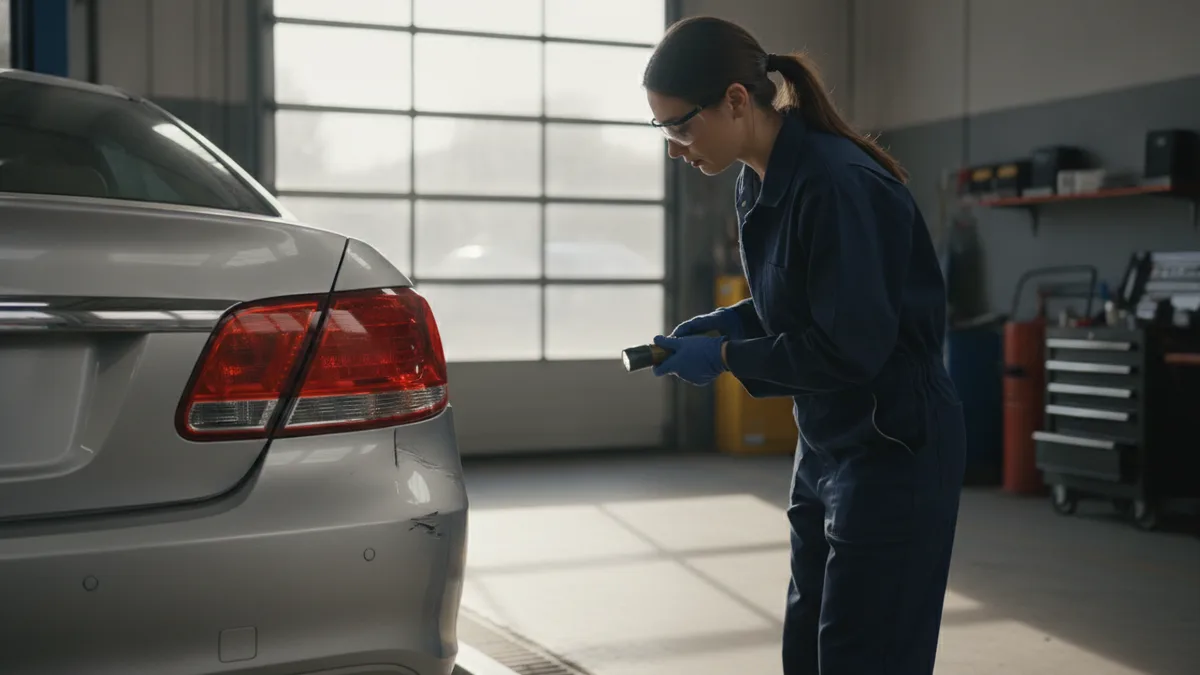
Picture a driver backing into a pole in a Phoenix parking lot. The bumper cover cracks near the taillight, but the trunk still closes fine and the car drives straight. That’s a very different job than a rear-end collision that pushes the bumper into the frame rail or knocks a backup sensor offline. Scuffed plastic with no structural involvement sits on one end of the pricing spectrum; damage that reaches the frame, requires alignment work, or involves ADAS recalibration for parking sensors and cameras sits on the other.
In our experience, drivers often assume a cracked bumper cover is the whole story, but the real cost driver is usually what’s hidden underneath it. A shop that only quotes the visible plastic damage without checking the reinforcement bar or sensor wiring can leave a customer with a lowball number that grows once repairs actually start. That’s why a proper inspection, not a glance across the parking lot, should shape any written estimate.
Because so many variables affect a final number, Phoenix drivers benefit from browsing the full range of collision repair services a shop offers before committing to a repair plan. Understanding what’s included, from bumper replacement to frame alignment, makes it easier to compare estimates and ask informed questions.
Breaking Down the Cost Components: Labor, Materials, and Hidden Factors
Two shops. Same bumper. Wildly different quotes. It happens more than most Phoenix drivers expect, and once you see how an estimate is built, the gap makes sense.
Labor is usually the biggest line item. Technicians bill by the hour, and rates vary based on the shop’s overhead, equipment, and certifications. A shop with I-CAR or ASE certified staff often charges more per hour, but that rate typically buys more precise work and a technician who’s trained on current repair procedures rather than guessing. In our experience, the cheapest hourly rate on paper isn’t always the cheapest repair once you factor in redo work.
Parts are where things get contentious. You’ll generally see two options on an estimate:
-
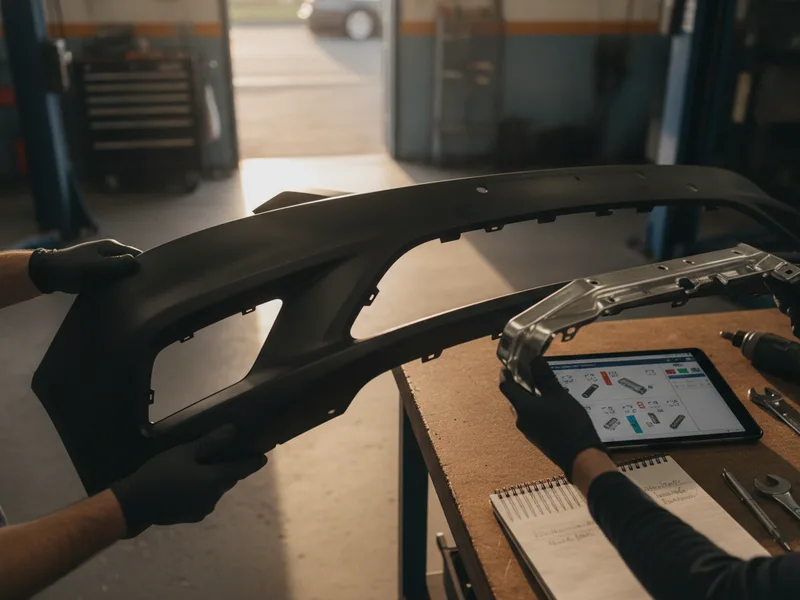
OEM (Original Equipment Manufacturer) parts: Made by your vehicle’s manufacturer, these fit precisely but usually cost more.
-
Aftermarket parts: Produced by third-party manufacturers, these cost less but fit and quality can vary between suppliers.
Most guides tell drivers to always demand OEM parts. That’s not always practical advice. On an older vehicle with a straightforward cosmetic bumper repair, a quality aftermarket part can be a reasonable choice. On a newer vehicle with sensors mounted in the bumper, OEM parts often make more sense because tolerances matter more.
Paint and materials add another layer. Bumper covers need to be matched to your vehicle’s exact factory color, blended into adjacent panels, and cleared for a finish that holds up under Phoenix sun. Paint codes, primer, clear coat, and labor to prep and blend all show up separately or bundled into a “paint and materials” line.
Structural and Diagnostic Costs
If the impact pushed damage past the bumper cover into the reinforcement bar or the rear frame section, that’s a separate assessment. Frame or structural checks take extra time and sometimes require measuring equipment to confirm everything is back within factory specifications.
Modern vehicles also complicate things with Advanced Driver Assistance Systems (ADAS), like backup sensors or cameras mounted in or near the rear bumper. After a bumper replacement, these systems often need recalibration to function correctly. That’s a diagnostic cost many smaller shops aren’t equipped to handle, which is one reason estimates can vary so much between shops. Brad’s Deer Valley Collision invests in ADAS recalibration capability specifically because it’s become a standard part of rear bumper repair on newer vehicles.
When you’re comparing quotes, ask what’s included in each line item. A lower total on paper sometimes means a shop skipped the diagnostic step or quoted aftermarket parts without telling you. Getting two or three written estimates side by side, with the same level of detail, is the only real way to compare apples to apples.
Insurance Coverage, Deductibles, and What Your Policy Actually Covers
One pattern shows up again and again at the counter: drivers assume their insurance will cover the full cost of rear bumper repair, then get surprised by a deductible bill they hadn’t budgeted for. Understanding your policy before the estimate arrives saves a lot of confusion later.
Collision coverage typically applies to rear bumper damage from an accident, whether you hit something or someone hit you. Comprehensive coverage handles different scenarios, like damage from a falling object or a non-collision event. Which one applies affects your deductible, and deductibles vary widely from policy to policy. There’s no universal number here; your declarations page will list the exact amount, and that’s the figure to check before repairs begin.
If another driver is clearly at fault, their liability coverage may pay for your repair without touching your own deductible. That process depends on the claim being accepted and the other insurer agreeing to fault, which isn’t always immediate.
Choosing Your Own Shop
Many Phoenix drivers don’t realize this: you have the right to choose your own repair shop, regardless of which shop your insurance company recommends. Insurers can suggest a shop in their network, but the final decision belongs to you. This matters because direct repair program shops sometimes work under pricing agreements that don’t always align with what a specific repair actually needs.
Direct repair programs aren’t inherently bad. They can speed up claims processing and, in some cases, reduce paperwork on your end. But in our experience, drivers who compare estimates from a shop of their own choosing often get a clearer picture of what the repair truly requires, rather than what fits a pre-negotiated scope.
Before committing to any shop, it’s worth reviewing their background and credentials directly. Brad’s Deer Valley Collision’s page detailing decades of experience and technician certifications gives a useful example of what to look for when vetting a collision repair provider.
Insurance policies are legal contracts with plenty of fine print, so it’s smart to confirm coverage details with your agent or a licensed insurance professional rather than relying on assumptions. That one phone call can prevent a lot of guesswork once the estimate lands on your desk.
Common Hidden Costs and How to Spot Them Before Repair Begins
Nobody likes surprises on a repair bill. Here’s the thing though: some add-ons aren’t shop games, they’re real discoveries that happen once a technician gets the bumper cover off and sees what’s underneath.
Frame Damage Found During Disassembly
A rear bumper cover can look fine while hiding a bent reinforcement bar or a cracked bracket behind it. Once the tech pulls the cover off, that damage becomes visible for the first time. This is common enough in Phoenix, AZ, USA that we tell customers upfront it’s a possibility, especially after any impact with noticeable force. Ask your shop whether the initial estimate includes a teardown inspection before final pricing, or if that only happens after you’ve already approved the job.
Corrosion and Rust Requiring Extra Welding
Older vehicles, or ones with prior repair work, sometimes have rust hiding along seams and mounting points. Once that surfaces, it usually needs to be cut out and welded properly before any new parts go on. Skipping this step doesn’t save money; it just creates a weaker repair down the road. Ask directly: “If you find rust, what’s the process for pricing that out?”
ADAS Sensor Recalibration
Newer vehicles often have parking sensors or cameras built into or near the rear bumper. Replacing the bumper without recalibrating these systems can leave them reading distances incorrectly. In our experience, this is the add-on most Phoenix drivers don’t see coming, and it’s also the one some smaller shops skip entirely because they don’t have the equipment for it. Ask if your shop performs ADAS recalibration in-house or sends it out, and get that cost in writing.
Paint Color-Matching Complications
Metallic and pearl finishes are harder to match than solid colors, and sun-faded paint (common after years of Phoenix heat) can make a brand-new panel look slightly off next to older panels. Blending into adjacent panels sometimes becomes necessary to get a seamless look, which adds labor.
Structural Alignment Costs
If the impact pushed the bumper reinforcement into the frame rail, alignment work may be needed to make sure everything sits square. This isn’t always obvious from a visual estimate alone.
Before you approve any repair, ask your shop point-blank: “What happens to the price if you find something once you start?” A shop with a clear answer is one worth trusting. For questions about your specific coverage, a licensed insurance agent can walk through the details of your policy.
Questions to Ask Your Phoenix Collision Shop to Avoid Scope Creep
The drivers who walk away happiest with their rear bumper repair almost always asked pointed questions before signing anything. The ones who feel blindsided usually skipped that step entirely and just trusted the first number they were handed. A few minutes of asking the right things upfront can save real frustration later.
What’s Actually Included in the Flat-Rate Estimate?
Ask whether the quote covers paint blending on adjacent panels, sensor calibration, and disposal fees, or if those get added separately. Some shops price a bare-bones number to win the job, then tack on line items once your car is already on the lift.
How Do You Handle Damage Found Mid-Repair?
Any honest shop will tell you hidden damage happens. What matters is the process: do they call before doing extra work, send photos, and get your written approval? A shop that just proceeds without contact is one to reconsider.
What Parts Will You Use, and Do I Have a Choice?
OEM, aftermarket, or refurbished parts all carry different price points and fit differently. Most guides tell drivers to always insist on OEM, but in our experience that’s not always practical or necessary for a cosmetic bumper cover. Ask directly what’s being installed and why.
What’s the Warranty, and What Does It Cover?
A written warranty on parts and labor is a basic expectation, not a bonus. Get specifics on how long it lasts and what voids it.
-
Is the estimate written, itemized, and dated?
-
What’s the expected turnaround time, and what could extend it?
-
Are technicians I-CAR or ASE certified?
-
Will I get updates by phone, text, or photo during the repair?
Skipping these questions is how scope creep sneaks in. Reputable Phoenix, AZ, USA shops expect this kind of scrutiny and should answer without hesitation.
If you’d rather walk through these questions in person, Brad’s Deer Valley Collision offers a way to request a free estimate for anyone in Phoenix who wants a straight answer before committing to a repair.
Why Brad’s Deer Valley Collision Stands Out for Transparent Bumper Repair Pricing
Straight talk: we think a lot of Phoenix drivers get quoted numbers they can’t actually connect to real work. That’s the gap we’re trying to close.
Every estimate we write is itemized and handed over in writing before a single panel comes off your car. You’ll see labor, parts, paint, and materials broken out separately, not lumped into one mystery total. If OEM versus aftermarket parts is a factor for your repair, we walk through the tradeoffs so you’re choosing with full information, not guessing.
We also flag likely hidden costs upfront. If your rear-end collision involves sensors or a bumper that houses parking assist components, we’ll say so before disassembly, not after.
Our technicians hold I-CAR and ASE certifications, and we display that credentialing at our shop because we think Phoenix, AZ, USA customers deserve to verify who’s working on their vehicle. We back completed repairs with a written warranty, which is something worth asking about at any shop you’re considering.
Since 1985, we’ve built our reputation on estimates that hold up once the work is actually done. That’s not a small thing in this industry.
If you’re weighing rear bumper repair costs and want a clear, written estimate that explains exactly what you’d be paying and why, stop by our Phoenix location or give us a call. No pressure, no scope creep, just an honest look at your vehicle and your options.
Frequently Asked Questions
Will my insurance cover the full cost of rear bumper repair, or will I pay out of pocket?
Rear bumper repair costs are usually split between your insurer and you, depending on your policy. If you carry collision coverage and file a claim, the insurance company typically pays for the repair minus your deductible. When the repair total is close to that deductible amount, you might end up paying most of it yourself anyway. Comprehensive coverage won’t help here since it doesn’t apply to collision damage. Some shops that work directly with insurance companies can reduce or waive your deductible, so it’s worth asking about that option and confirming your specific coverage details with your agent.
What is the difference between OEM and aftermarket bumper parts, and how much does it affect price?
OEM parts come straight from your vehicle’s manufacturer and match your car’s original bumper exactly. Aftermarket parts are made by other companies and generally run 20 to 40% cheaper, though fit and finish can vary slightly from one supplier to the next. You’re allowed to request whichever type you prefer for your repair. Insurance companies sometimes push for aftermarket parts because it lowers what they pay out, but the final decision on your car is yours.
What happens if my shop discovers frame damage or rust during the bumper repair?
Hidden damage shows up more often than people expect once a bumper comes off. A good shop will stop, take photos, and call you with a revised estimate before touching anything else. That’s why getting a written estimate before work starts matters, and why it’s smart to ask upfront how a shop in Phoenix, AZ handles unexpected repairs. It keeps you from getting hit with surprise charges after the fact.
How long does rear bumper repair typically take in Phoenix?
A simple dent or scuffed paint job might only take a couple of days to sort out. If you need a full bumper replacement with paint matching and a structural check, plan on closer to a week. Discovering hidden damage or needing custom paint work can push that out further. Timelines vary by vehicle and shop workload, so ask for an estimate when you drop off your car, and check whether the shop offers a loaner vehicle or shuttle service while you wait.
Do I have to use my insurance company’s recommended collision shop?
No, you don’t. You have the right to choose any licensed collision shop for your rear bumper repair, regardless of what your insurer suggests. Insurance companies often steer customers toward shops they partner with directly, but that’s a recommendation, not a requirement. Getting a few estimates around Phoenix, AZ before you commit is a reasonable way to compare pricing and turnaround time. If you have questions about your specific policy terms, your insurance agent can walk you through them.
Get a Clear Estimate on Your Rear Bumper Repair
A dented or cracked rear bumper doesn’t have to come with a confusing bill. Bring your vehicle to Brad’s Deer Valley Collision in Phoenix, AZ, and one of our certified technicians will walk through the estimate with you, line by line, so you know what you’re paying for and why.
Stop by our Phoenix shop or call to set up a time that works for you. If you’d rather see the range of what we handle first, our collision repair services page covers bumper repair, frame alignment, and insurance claim help. For questions specific to your insurance policy or coverage, it’s worth checking with your provider directly.
Curious what other Phoenix drivers think of our work? You can check out our reviews on Google before you reach out. Either way, request your free written estimate and get real numbers instead of guesswork.