
Bumper Repair Shop Comparison in Phoenix, AZ: When to Repair, When to Replace, and What It Costs
Bumper Repair Shop Comparison in Phoenix, AZ: When to Repair, When to Replace, and What It Costs
Repair vs. Replace: The Quick Answer
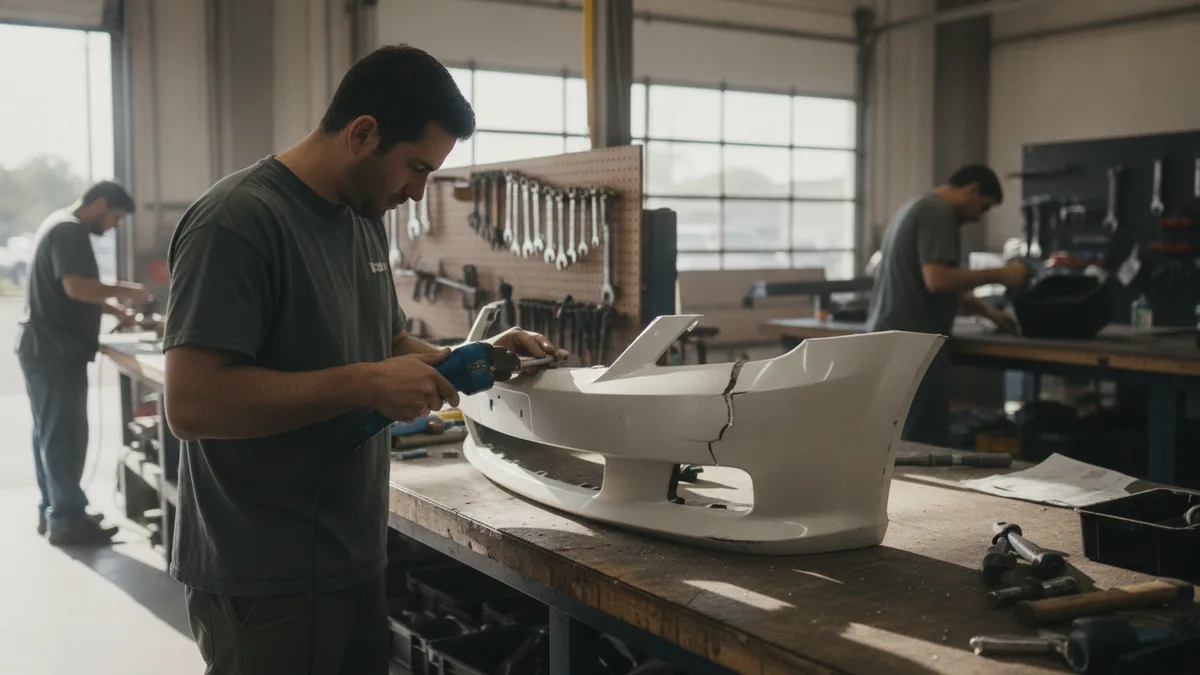
Most bumper damage in Phoenix, AZ, USA can be repaired rather than replaced when the impact is limited to scuffs, cracks, or minor dents that haven’t compromised the mounting brackets or reinforcement bar underneath. Replacement becomes the better path when the bumper cover is torn beyond repair, the internal structure is bent, or repair costs approach what a new part would run. Brad’s Deer Valley Collision has been making that call for Phoenix drivers since 1985.
Picture a driver who backed into a low retaining wall near a Phoenix parking lot and cracked the rear bumper cover along the edge. That’s usually a repair job, not a replacement one. But if the same impact pushed the bumper into the trunk latch or bent the metal reinforcement behind the plastic, replacement is often the only sound option. Severity, material type, and cost all factor into that decision, and we’ll break each one down in the sections ahead. If you want a look at everything a shop should handle beyond bumpers, our full collision repair service offerings page covers the full picture.
Understanding Bumper Materials: Plastic vs. Metal vs. Composite
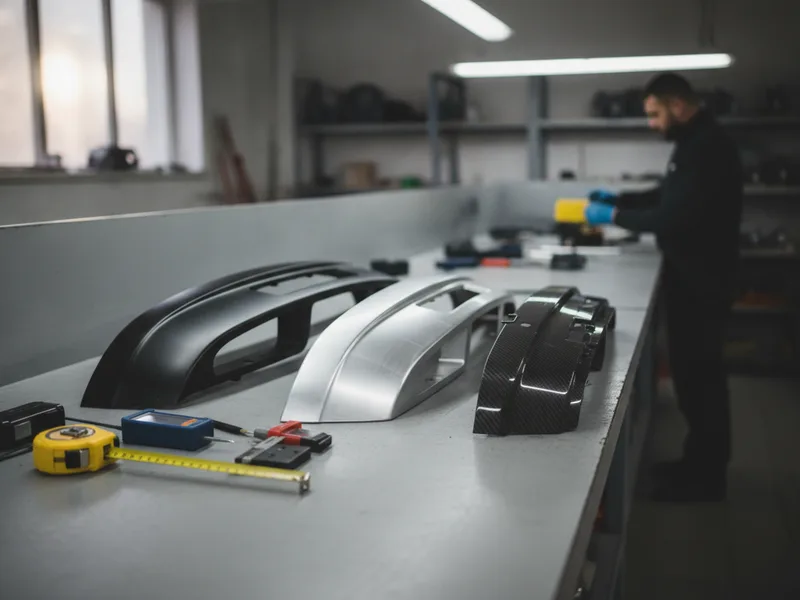
Most bumper covers on cars and trucks driven around Phoenix, AZ, USA are thermoplastic olefin, often called TPO. It’s flexible, lightweight, and designed to flex back into shape after minor impacts. That flexibility is exactly why a good bumper repair shop can often fix a cracked or scuffed plastic bumper cover rather than replace it. Heat exposure matters here too. Vehicles that sit in direct sun for years can develop plastic that’s slightly more brittle than factory-fresh material, which changes how it responds to a repair attempt.
Metal bumpers are less common on newer vehicles but still show up on older trucks, work vans, and some fleet vehicles we service for Phoenix businesses. Steel and aluminum don’t flex the way plastic does. A dent in a metal bumper usually means the metal has stretched or deformed at a molecular level, so repair involves careful reshaping, filling, and refinishing rather than the plastic welding techniques used on TPO covers.
Composite bumpers, built from fiberglass or reinforced plastic blends, sit somewhere in between. They’re more rigid than TPO but still repairable in many cases. Cracks along stress points are common, and skilled technicians can often bond and reinforce these sections instead of ordering a full replacement panel.
What This Means for Repair vs. Replace Decisions
Material type drives almost every decision after that. Plastic bumper repair tends to cost less than replacement because the labor centers on plastic welding, filler work, and repainting rather than sourcing a new part. Metal bumper damage often runs the other direction. Once steel bends past a certain point, straightening it can take longer than installing a replacement, and the finished repair may not hold up as well over time.
Here’s an opinion some shops won’t share: we don’t automatically push plastic weld repairs just because they’re cheaper. If a crack runs near a mounting point or sensor housing, a repair that looks fine on day one can fail months later. In our experience, that’s a bigger risk with older or sun-baked plastic than most repair guides mention.
Composite panels require the most judgment. They can be repaired successfully, but the reinforcement structure underneath needs a close inspection first. A technician with I-CAR training will check that layer before recommending anything. Anyone comparing options at a Phoenix, AZ, USA collision shop should ask directly which material their bumper is made from and how that affects the estimate.
Bumper Damage Severity: When Repair Makes Sense
Most of the cars that come through our bay in Phoenix, AZ, USA have damage that looks worse than it actually is. A cracked bumper cover with scraped paint can look like a total loss to an owner who’s never dealt with body work, but our technicians see that same pattern several times a week, and it’s usually a straightforward repair.
Small stuff. That’s where repair almost always wins.
Here’s the kind of damage that typically stays on the repair side of the line:
-
Minor dents and dings: Plastic bumpers can often be heated from behind and pushed back into shape, restoring the original contour without cutting into the material.
-
Surface cracks and splits: Plastic welding or specialized adhesive/reinforcement techniques can close cracks under a certain length, especially when they don’t run through mounting points.
-
Scuffs, scratches, and paint transfer: These are cosmetic by definition. Sanding, filling, and repainting with matched color codes usually brings the panel back to its original look.
-
Minor misalignment: A bumper knocked loose from its clips or pushed slightly off-center can often be reset and refastened once a technician checks that the underlying brackets are intact.
What ties these together is location and depth. Damage confined to the outer cover, without reaching the reinforcement bar, energy absorber, or frame behind it, tends to stay repairable. We check that hidden hardware on every estimate, because a bumper cover can look fine on the surface while the bracket behind it is bent. Skipping that step is one of the more common shortcuts we see from shops trying to turn out fast, low estimates.
Repairing rather than replacing has real advantages beyond the invoice total. It keeps the factory-applied corrosion protection intact in areas that wouldn’t be recoated with a new part, and it avoids the paint-matching variability that sometimes comes with a brand-new panel. In our experience, a well-executed repair on a cover that’s still structurally sound holds up just as well as replacement over the life of the vehicle, which runs counter to the assumption that “new part” always means “better outcome.”
A qualified technician should be the one making the repair-versus-replace call after a hands-on inspection, not a phone estimate or a photo sent in from a driveway.
When Replacement Is Your Only Option
Some bumpers just can’t be saved. That’s the truth we give customers straight, even when it’s not what they want to hear.
Structural cracking that runs through multiple sections of the bumper cover, rather than a single clean split, usually means the material has lost its integrity. Plastic and composite bumpers flex on impact, and once that flex capacity is gone, heat and adhesive repairs won’t hold up under Phoenix, AZ, USA summer heat cycles. We’ve seen “repaired” bumpers from other shops crack open again after one hot July, because the underlying material was already too stressed to bond properly.
Multiple impact zones are another dealbreaker. A single hit in one spot is repairable. Damage spread across the front or rear, from a rollover parking lot scrape plus a follow-up fender bender, often means the bumper has absorbed more stress than the material can distribute safely.
Corrosion changes the math too, especially on metal bumper reinforcement bars. Once rust has eaten into the structural bar behind the cover, no amount of surface repair addresses the weakened metal underneath. That’s a safety issue, not a cosmetic one.
Modern vehicles complicate things further. Many bumpers now house parking sensors, radar units, or camera brackets tied into ADAS systems. Damage that cracks or displaces these components usually calls for full replacement and recalibration, not patchwork repair. A shop that skips this step risks sending a car back out with sensors that don’t read distances correctly.
In our experience, the decision often comes down to economics as much as physics. If parts, labor, and paint work on a repair start approaching what a replacement bumper assembly costs, replacement is the more sensible route. Our team has handled this kind of assessment since 1985, and our background in I-CAR and ASE certified repair shapes how we call these judgment cases. Anyone unsure about their own vehicle’s situation should ask a certified technician to inspect it in person before assuming either direction.
Phoenix Bumper Repair and Replacement Cost Breakdown
Every estimate we write starts the same way: we look at the bumper, then we look at the customer’s face when they brace for a number. Most people expect the worst. In reality, the spread between a minor scuff repair and a full replacement with paint is wide, and where a job lands on that spread depends on more variables than most drivers realize.
Labor is the biggest driver. A repair shop in Phoenix, AZ, USA typically bills by the hour or by a flat-rate estimate built from industry labor guides, and the time a technician spends sanding, filling, and blending a plastic bumper cover adds up fast compared to a quick scratch touch-up. Removing a bumper to access a hidden crack in the reinforcement bar, rather than repairing it in place, also adds hours that show up on the final bill.
What Pushes the Price Up or Down
-
Damage severity: Surface scuffs and small cracks cost less to correct than deep gouges, punctures, or damage that reaches the mounting brackets.
-
Paint matching: Phoenix’s metallic and pearl finishes, especially on newer trucks and SUVs, often require more blending work across adjacent panels to avoid a visible color mismatch. Solid factory colors are usually simpler and less time-consuming to match.
-
Parts sourcing: OEM bumper covers, sensors, and brackets generally cost more than aftermarket equivalents, but availability and fit can vary between suppliers.
-
ADAS recalibration: Bumpers housing parking sensors or radar units for driver-assist systems often need calibration after repair or replacement, which adds a separate line item.
Here’s where we push back on a common assumption. Plenty of drivers think replacement is automatically the pricier option and repair is always the bargain. That’s not always true. A bumper with a stubborn crack that needs multiple heat-weld passes and extensive blending can end up costing close to what a straightforward replacement with a pre-painted aftermarket cover would run. Skilled labor hours matter more than the “repair versus replace” label people assume drives the number.
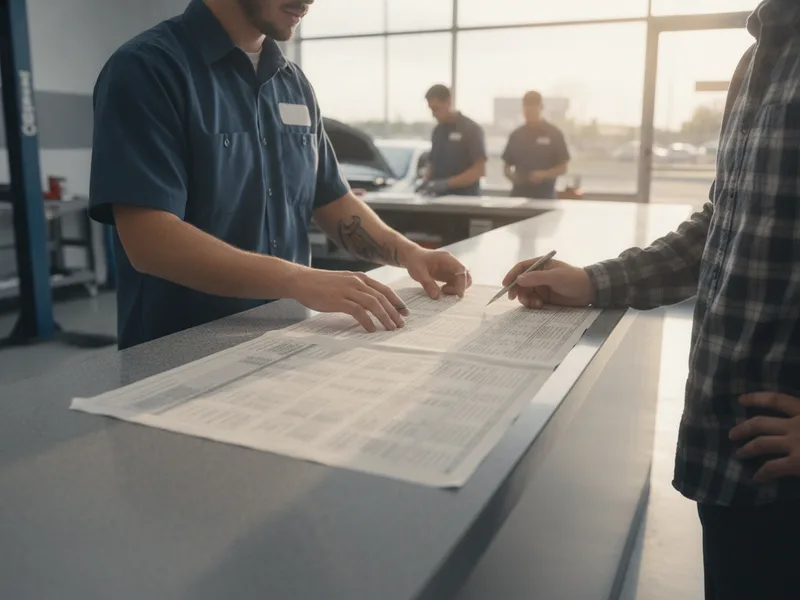
We always recommend getting two or three written estimates before authorizing work, and asking each shop to itemize labor, parts, and paint separately. That breakdown makes it much easier to compare bids apples-to-apples instead of guessing why one number is higher than another. If a shop won’t provide a written estimate, treat that as a red flag rather than a shortcut.
For drivers filing an insurance claim, the Insurance Institute for Highway Safety publishes general research on repair costs and vehicle damage patterns that can add useful context when reviewing an estimate. Insurers may suggest a preferred shop, but Phoenix drivers retain the right to choose where their vehicle gets repaired.
OEM Parts vs. Aftermarket: Impact on Cost and Durability
Here’s the conversation we have with almost every customer once a replacement bumper is on the table. Do you want OEM (original equipment manufacturer) parts, made by the same company that built your vehicle, or aftermarket parts, made by a third-party manufacturer? The answer changes your bill and your bumper’s long-term behavior.
OEM bumper covers cost more. There’s no way around that. They’re molded to the exact specs your manufacturer used, so panel gaps line up correctly and paint adheres the way it’s supposed to. Aftermarket parts are priced lower because they skip the manufacturer’s tooling and licensing costs, but fitment can be inconsistent. Some aftermarket covers bolt on clean. Others need extra trimming or shimming to sit right, which adds labor hours that eat into the savings.
In our experience, insurance companies often push aftermarket parts first because it lowers their payout, not because it’s the better technical choice. Phoenix, AZ, USA drivers have the right to request OEM parts on their claim, though some policies only cover aftermarket unless the customer pays the difference out of pocket. Reading your policy language, or asking your agent directly, saves confusion later.
Durability is where the split matters most. OEM plastics are engineered to match your vehicle’s original flex and impact tolerance. Aftermarket covers, especially budget-tier ones, sometimes use thinner or more brittle plastic that cracks sooner in a follow-up fender bender. If you’re planning to keep the vehicle for years, that difference compounds.
Resale value is another factor buyers overlook. A vehicle history report or a sharp-eyed used car inspector can sometimes flag aftermarket body panels, which may affect a buyer’s offer down the line. There’s no guaranteed dollar impact here; it varies by vehicle and market.
A written warranty should cover parts and labor regardless of which option you choose. Any bumper repair shop that won’t put that warranty in writing is one to think twice about, whether they’re quoting OEM or aftermarket.
Repair Timeline, Durability, and Long-Term Value in Phoenix
Customers almost always ask the same question first: how long will my car be out of commission? Repair jobs typically move faster than replacements because there’s less parts ordering involved. A bumper cover that just needs heat, filler, and paint can often be turned around in a day or two, while a full replacement depends on part availability, especially if OEM sheet metal or a specific sensor bracket has to come from the manufacturer.
Durability is where things get more nuanced than most people expect. A well-executed repair on a plastic bumper can hold up for years under normal driving conditions, matching the strength of the surrounding panel. But repairs done on a bumper that already had prior damage layered underneath tend to fail sooner. We’ve seen this more than once: a customer gets a cheap patch job, then six months later the same spot cracks again because the underlying reinforcement was never properly assessed.
Resale value is another factor buyers and sellers in Phoenix, AZ, USA often overlook. A documented, professional repair with a written warranty tends to raise fewer questions from a future buyer or appraiser than a mismatched paint job or a bumper installed without OEM specs. Insurance companies also pay closer attention to repair history when processing future claims, so keeping detailed records from your bumper repair shop matters more than most drivers realize.
Phoenix Climate and Driving Conditions
Heat changes the math here. Prolonged UV exposure and high summer temperatures accelerate plastic degradation, which is one reason we see more brittle cracking on older bumpers in this market compared to cooler climates. Repairs need to account for that expansion and contraction, or they won’t hold. Dust and road debris on Phoenix highways also add to surface wear over time, so even a solid repair benefits from a good clear coat and regular care.
None of this replaces an in-person look at your specific vehicle. Every bumper tells a different story once a technician gets hands-on with it. If you’re weighing repair against replacement, or you just want a second opinion on an estimate you’ve already received, our team can walk you through a written estimate or inspection appointment and lay out the options in plain terms before any work begins.
Frequently Asked Questions
How long does bumper repair or replacement typically take in Phoenix?
Minor bumper repairs in Phoenix, AZ usually take about 3 to 7 business days, depending on paint cure time and how full the shop’s schedule is that week. A full bumper replacement, which involves removing the old panel, matching paint, and installing the new part, generally runs 5 to 10 business days. Dropping your car off after hours or asking about a loaner car can help keep the repair from derailing your week.
Will my insurance cover bumper repair or replacement?
Bumper damage in Phoenix, AZ is usually covered under collision or comprehensive insurance, subject to whatever deductible is on your policy. A bumper repair shop can file the claim and coordinate directly with your insurer for approval before starting work. You’re free to pick any licensed shop you want; insurers may push their “preferred” network, but they can’t require you to use it. Check your specific policy details with your agent to confirm what’s covered.
What’s the difference between a bumper cover and a full bumper assembly?
A bumper cover is the plastic or composite shell visible on the outside of the vehicle. A full bumper assembly includes that cover along with the reinforcement bar underneath, the mounting brackets, and any sensors built into the system. When damage stops at the cover, a shop can often repair it or swap in a new cover at a lower cost. Once the reinforcement bar or brackets are bent, the entire assembly usually needs replacing.
Should I choose OEM or aftermarket bumper parts for my Phoenix vehicle?
OEM bumper parts come from your vehicle’s manufacturer, so they fit precisely and work well with built-in sensors, plus they typically carry a stronger warranty. That fit and warranty come at a price, often somewhere in the range of 20 to 40 percent more than aftermarket parts, though the actual gap depends on your vehicle and the part itself. Aftermarket parts save money and suit many cosmetic repairs, but fitment can be slightly off and sensor recalibration can take extra work. Brad’s Deer Valley Collision installs both OEM and aftermarket bumpers and handles the sensor recalibration that newer ADAS-equipped vehicles need.
Bumper Damage? Let’s Figure Out Your Best Option
A cracked or dented bumper doesn’t always mean a full replacement. Sometimes a repair gets the job done for less, but the only way to know is to have someone take a real look at it. Brad’s Deer Valley Collision has been sorting out these calls for Phoenix, AZ, USA drivers since 1985.
Bring in photos of the damage or stop by our shop for a no-pressure inspection, and we’ll give you a written estimate you can hold onto. Curious what else we handle? Check out our full lineup of collision and bumper repair services to see where your repair might fit. If you’d like to hear from folks who’ve already been through the process, you can check out our reviews on Google before you decide.
Give us a call or visit our contact page to set up your consultation. We’re happy to walk you through the repair-versus-replace question in plain terms, no pressure attached.