Why Paint Matching Technology Matters for Your Phoenix Auto Body Repair
Why Paint Matching Technology Matters for Your Phoenix Auto Body Repair
What Paint Matching Technology Does and Why It Matters
Auto body paint matching uses computerized color-reading tools to identify a vehicle’s exact factory finish, including hidden variations caused by sun exposure, age, and the specific batch of paint used on the assembly line. At Brad’s Deer Valley Collision in Phoenix, AZ, USA, this technology turns a repaired panel into one that’s visually indistinguishable from the rest of the car, rather than a patch job you can spot from the driveway.
Picture a Phoenix driver with a silver sedan that’s spent a few summers baking under the Arizona sun. The paint on the hood has faded slightly compared to the doors and trunk, even though it all left the factory as the same color code. A shop that eyeballs the match, or relies only on the paint code on the door jamb, often ends up with a repair that looks close but not right, especially in direct sunlight. That mismatch becomes obvious the moment the car sits in a parking lot at noon.
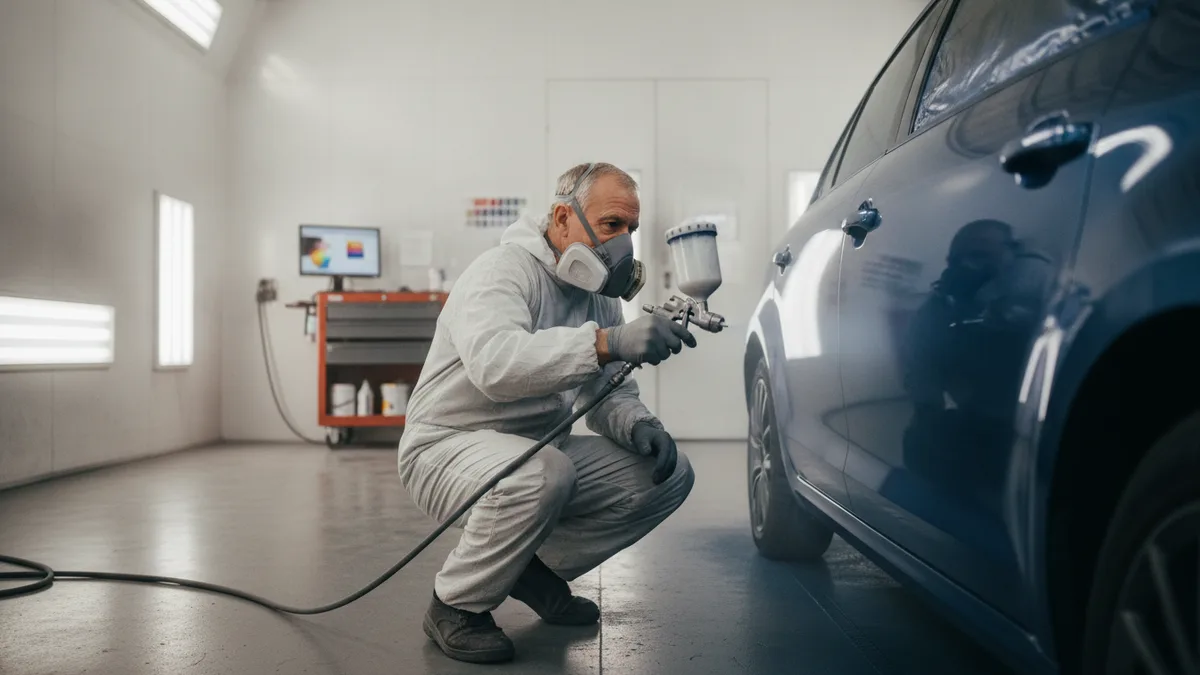
Spectrophotometer readings solve that problem by measuring the actual color reflecting off your vehicle’s panels right now, not just what the code says it should be. Brad’s Deer Valley Collision has worked on Phoenix vehicles since 1985, and in our experience, shops that skip this step tend to guess based on memory or a swatch book, which rarely holds up under real-world light. Getting the blend right takes both the right equipment and a painter who knows how to adjust it for texture, gloss, and panel angle. Drivers curious about how this fits into a full repair can review the auto body and painting services page to see where paint matching sits alongside collision and bumper work.
How Spectrophotometer Technology Reads Your Vehicle’s Exact Color
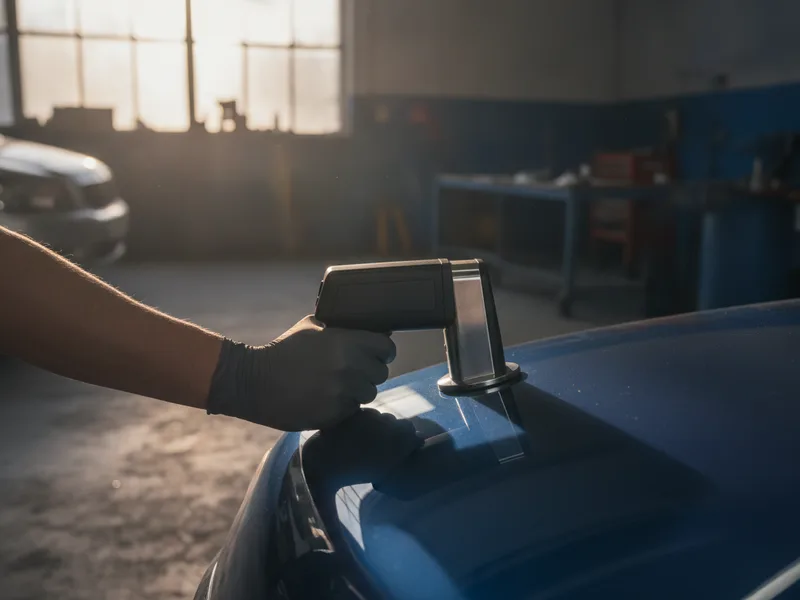
Here’s the part most customers never see. Before a single drop of paint gets mixed, a spectrophotometer takes a reading directly off your car’s existing finish. This handheld device measures how light bounces off the surface at several angles, capturing information the human eye simply can’t process on its own.
Paint isn’t flat. It has depth, metallic flake, pearl coats, and tint layers that all reflect light differently depending on the angle you’re viewing from. That’s why two cars from the same factory year can look slightly different under the same showroom lights. A spectrophotometer accounts for that variation by scanning the paint from multiple viewing angles and recording exactly how each layer scatters light. The result is a digital color reading that’s far more precise than eyeballing a paint chip against a fender.
Once the scan is complete, the device generates a color code the technician uses to pull the closest matching formula from a paint manufacturer’s database. From there, our painters at Brad’s Deer Valley Collision fine-tune the mix on a test panel, comparing it against your actual vehicle under proper lighting before anything goes near the car.
Why This Beats the Human Eye
Some shops still lean heavily on a painter’s trained eye to judge a color match, and honestly, an experienced painter’s judgment matters. But in our experience, even seasoned professionals can be fooled by fading, fluorescent lighting, or a bad night’s sleep. Human color perception shifts based on lighting conditions, fatigue, and even the colors surrounding the object being viewed. A spectrophotometer doesn’t get tired or distracted. It reads the same way every time.
For Phoenix, AZ, USA drivers specifically, this matters more than most people realize. Intense sun exposure fades paint unevenly across a vehicle’s panels, so the hood might be several shades lighter than the door. A digital reading catches that discrepancy in ways a visual estimate often misses.
Auto body paint matching built around this kind of measurement isn’t about chasing perfection for its own sake. It’s about giving your repair the best realistic shot at blending in, panel to panel, so the work doesn’t stand out once your car is back on the road.
Common Paint Matching Challenges and How Quality Shops Solve Them
Every technician who’s spent real time behind a spray gun knows the same frustration. The formula code on the door jamb rarely tells the whole story. A car that rolled off the lot ten years ago doesn’t look the same today, and matching what’s actually on the panel matters more than matching what the manufacturer originally sprayed.
Faded and Aged Original Paint
Arizona sun is hard on paint. Years of UV exposure in Phoenix, AZ, USA fade and oxidize factory finishes at a pace that differs from vehicle to vehicle, even among identical makes and models parked side by side. A shop relying only on the factory code will end up with a patch that’s noticeably brighter than the surrounding panels. Reading the actual current color with a spectrophotometer, then adjusting the mix to account for fade, is what closes that gap.
Metallics and Pearls
Metallic and pearl finishes contain tiny flakes that reflect light differently depending on the angle you’re viewing from. This is where a lot of paint jobs go wrong. Get the flake orientation or density even slightly off, and the panel will look fine head-on but mismatched from the side. Quality shops test spray patterns on sample panels before committing to the full repair.
Color Shift Under Different Lighting
A color that looks right under shop lighting can look off in direct sunlight or under streetlights. Some guides suggest checking a match only once, but in our experience it’s worth viewing the panel in more than one lighting condition before calling the job finished. That extra step catches problems that a single glance under fluorescent bulbs would miss.
Clear Coat Thickness Variations
Clear coat isn’t just a topcoat; it affects how the color underneath reads to the eye. Inconsistent thickness between the repaired area and the original panel can create a subtle mismatch even when the base color is correct. Careful application and measurement during the process help keep the finish consistent.
Brad’s Deer Valley Collision has worked through these exact issues for decades. You can learn more about the shop’s 40+ years of expertise and certifications on the page detailing Brad’s Deer Valley Collision’s history and credentials. Experience matters here, because reading a spectrophotometer result correctly still takes a trained eye behind it.
Paint Matching Quality Markers to Look for in a Phoenix Auto Body Shop
Not every shop that promises a color match actually delivers one. Here’s how to tell the difference before you hand over your keys.
Start with certifications. I-CAR and ASE credentials tell you a technician has trained on current repair standards rather than just picking up habits over the years. A shop proud of that training will have the certifications posted where customers can see them, not tucked away in a filing cabinet. If you don’t see them displayed, ask. Any legitimate shop in Phoenix, AZ, USA should answer that question without hesitating.
Next, look at how color gets verified. A single reading from a spectrophotometer is a good start, but quality shops check the blend from multiple angles under different lighting before they commit to a formula. Ask whether the shop does a physical spray-out card comparison against your actual panel. Shops that skip this step are betting on the computer being right every time. In our experience, it usually is, but “usually” isn’t good enough when it’s your quarter panel.
Warranty language matters too. A shop confident in its paint work will put that confidence in writing, spelling out what’s covered and for how long. Vague verbal assurances aren’t the same thing.
Equipment reputation is worth asking about as well. Shops that invest in established, well-supported color reading systems tend to also invest in other technology, like ADAS recalibration, which plenty of smaller operations skip entirely.
Before committing to any shop, it’s worth gathering two or three written estimates and asking directly about OEM versus aftermarket parts, turnaround time, and warranty terms. Red flags include no written estimate, no warranty, or a bid that seems unusually low compared to the others. Since 1985, we’ve seen what happens when shortcuts get taken on paint work, and it rarely ends well for the car owner.
What to Expect When You Bring Your Car to Brad’s Deer Valley Collision for Paint Work
Anyone who’s worked a body shop counter for a while notices the same thing. Customers usually brace for the worst when they hear “paint matching,” expecting weeks of guesswork and surprise charges. In our experience, most of that anxiety comes from shops that skip explaining the process, not from the work itself.
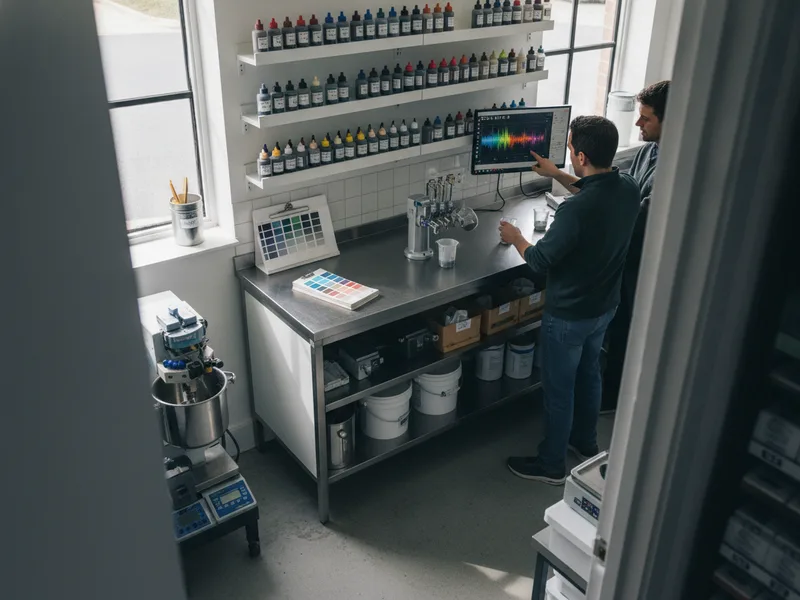
Here’s how it actually goes. A technician inspects the damage and takes spectrophotometer readings from an undamaged panel, usually somewhere the sun hasn’t faded the finish as much. That reading gets checked against formula data and adjusted by eye under controlled lighting, since even matching numbers can look slightly off once paint dries under Phoenix’s strong sun. From there, we mix a small test sample, apply it, and compare it directly against your vehicle before committing to the full job.
Curing time varies by paint type and repair size, so we won’t promise a fixed number of days. What we will do is tell you honestly what’s driving your specific timeline, whether that’s parts availability, the size of the repair, or drying conditions in the booth.
Communication Along the Way
Since 1985, we’ve found that customers stay calmer about repair timelines when they’re not left guessing. That means text updates, photos of progress, and a straight answer when you call asking where things stand. We also display our I-CAR and ASE certifications for a reason: they back up the work, not just the sales pitch.
Before your visit, it’s worth photographing existing damage and pulling valuables out of the car, the same advice we’d give a neighbor dropping off any vehicle at any shop. Ask about warranty coverage, whether OEM or aftermarket materials are involved, and get a written estimate before authorizing work; a shop that hesitates on any of those questions is worth a second look. If you’d like a clearer picture of your own repair, you can schedule your free collision repair estimate and paint matching consultation through our contact page and walk through the details with someone directly.
Why Paint Matching Protects Your Vehicle’s Value and Appearance
Here’s the plain truth. A bad paint match costs you money twice: once when you pay for the repair, and again when you go to sell the car.
Appraisers and used car buyers look for panel edges. They check door jambs and hood lines under bright light, looking for that slight shift in color or texture that says “this car’s been in an accident.” A vehicle with visible mismatches often gets a lower offer, even if the mechanical repair was done correctly. Accurate auto body paint matching keeps that history invisible, which protects resale value down the road.
There’s also a structural side to this that people overlook. Repair seams that aren’t properly sealed and finished can trap moisture, and in Phoenix, AZ, USA, where dust and heat cycles stress every seal on a vehicle, that moisture eventually leads to corrosion. A quality paint job isn’t just cosmetic. It’s part of what keeps rust from forming at the edges of a repair years later.
Insurance coverage matters here too. Most policies cover restoring your vehicle to its pre-accident condition, and that includes color accuracy, not just dent removal. If an estimate skips proper blending or color verification, you may be within your rights to ask why. You also have the right to choose your own shop regardless of what your insurer suggests, so it’s worth confirming coverage details directly with your provider or a licensed insurance professional before agreeing to a repair plan.
Choosing a shop with certified paint matching capability isn’t a luxury add-on. In our experience, it’s one of the few repair investments that pays off well after the car leaves the lot.
Frequently Asked Questions
How long does paint matching and application typically take?
Most single-panel repairs run about 2 to 5 business days once the vehicle is in the shop, and that timeline covers the paint matching, application, and curing process. A job that touches multiple panels or requires a full repaint can stretch to 5 or 10 days depending on how extensive the damage is. Brad’s Deer Valley Collision gives customers a written timeline before work starts and sends text updates if anything changes along the way.
Can paint matching technology work on older or faded vehicles?
Yes, it can. Spectrophotometer tools read the actual condition of your paint right now, not just the factory color code, so a repair can be blended to match a car that’s aged or picked up some patina over the years. On vehicles with heavy fading, we’ll often do a test spray-out and check it in natural daylight before touching the actual panel, since indoor lighting can hide color differences that show up outside.
What warranty coverage should I expect on paint work?
Shops around Phoenix, AZ commonly back their paint work with warranties covering peeling, fading, and adhesion problems for somewhere in the 3 to 5 year range, though exact terms vary by shop and by the type of repair. Brad’s Deer Valley Collision puts warranty details in writing on every paint job we complete. Ask for that documentation before you sign off on any estimate, no matter which shop you’re working with.
Does insurance cover the cost of advanced paint matching technology?
Insurance generally covers paint matching as a standard part of a collision repair estimate. That said, some insurers try to steer customers toward cheaper methods and question whether spectrophotometer-based matching is really needed. Brad’s Deer Valley Collision communicates directly with insurance adjusters and can walk through why precise matching technology matters for a clean, consistent repair. If you have specific questions about your policy’s coverage limits, it’s worth confirming the details directly with your insurance agent.
Get Your Paint Matched Right the First Time
A flawless paint job isn’t luck, it comes down to color-matching technology and a painter who knows how to use it. If your car needs bodywork or a fresh coat that actually blends in, Brad’s Deer Valley Collision in Phoenix, AZ can walk you through what that process looks like for your specific vehicle.
Stop by the shop or give us a call to set up a free consultation and get a written estimate. We’re happy to talk through timeline, warranty coverage, and how insurance claims typically work, and you can browse our full list of auto body and painting services before you visit. Want to hear from people who’ve already had the work done? Check out what our customers are saying on Google.