Keeping Your Fleet on the Road: Commercial Vehicle Body Repair Solutions in Phoenix, AZ
Keeping Your Fleet on the Road: Commercial Vehicle Body Repair Solutions in Phoenix, AZ
How Fleet Auto Body Repair Minimizes Business Downtime in Phoenix
Fleet auto body repair minimizes business downtime by combining priority scheduling, direct insurance coordination, and repair triage that gets vehicles back on the road fast. Brad’s Deer Valley Collision handles fleet collision repair for Phoenix, AZ, USA businesses by treating each commercial vehicle as revenue at risk, not just a repair order. Brad’s Deer Valley Collision has been serving the Phoenix area since 1985.
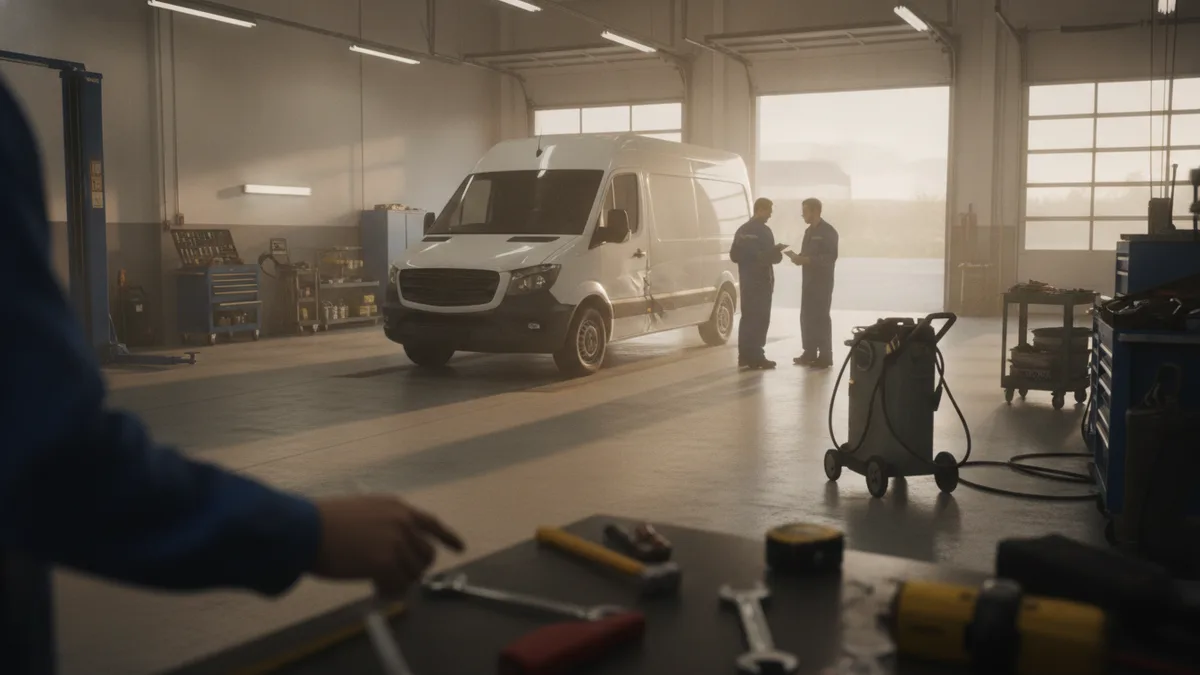
Picture a landscaping company with a work truck sidelined by a dented panel and a cracked bumper. Every day that truck sits idle, crews scramble to cover routes with fewer vehicles. That’s lost jobs, not just a repair bill. Fleet-focused shops address this by assessing multiple vehicles at once, ordering parts in batches when possible, and keeping business owners updated on realistic timelines instead of vague promises.
In our experience, the shops that talk fastest about “quick turnaround” often aren’t the ones delivering it. Real speed comes from proper diagnostics upfront, including ADAS recalibration checks on newer trucks and vans, so vehicles don’t bounce back for a second visit. Business owners managing multiple vehicles can review Brad’s fleet repair services for Phoenix businesses to see how scheduling and estimates work for commercial accounts.
The Real Cost of Fleet Vehicle Downtime in Phoenix
A parked delivery van isn’t just an inconvenience. It’s a driver with no route, a client waiting on a shipment, and overhead that keeps running whether the vehicle moves or not. Phoenix businesses that depend on trucks, vans, or company cars feel every day of downtime in missed jobs and frustrated customers.
Here’s the math most owners don’t think through until it hits them. Insurance and payroll costs don’t pause during repair. Neither do lease payments or fuel contracts tied to route commitments. A fender bender that takes two weeks at a slow shop can cost a small fleet operator far more in lost productivity than the repair itself. That gap between a quick turnaround and a drawn-out one is where the real financial damage happens.
We’ve been fixing vehicles in Phoenix, AZ, USA since 1985, and the fleet accounts we work with almost always ask the same question first: how fast can you get us back on the road? It’s the right question. Speed matters, but rushed work that misses structural damage or skips ADAS recalibration on a newer vehicle can send that same truck right back into the shop weeks later. In our experience, a properly triaged repair with a written estimate and clear timeline actually beats out shops that promise same-day turnaround without inspecting the vehicle first.
Before committing to any shop, fleet managers should confirm I-CAR and ASE certifications, get two or three written estimates, and ask directly about OEM versus aftermarket parts and warranty terms. A vague verbal quote or no warranty at all is a red flag worth walking away from. Business owners also have the right to choose their own repair shop, regardless of what an insurance adjuster suggests. If a decision involves your coverage or liability, it’s worth confirming details with your insurance provider directly before signing off on repairs.
Key Benefits of Professional Fleet Collision Repair
Shops that only handle occasional commercial work tend to treat every fleet vehicle like a one-off passenger car repair. That approach creates bottlenecks. A general-purpose body shop juggling walk-in customers and fleet accounts with the same process usually makes fleet managers wait in the same queue as everyone else. Specialized fleet auto body repair works differently because the whole workflow is built around commercial priorities from the start.
Dedicated Scheduling for Commercial Accounts
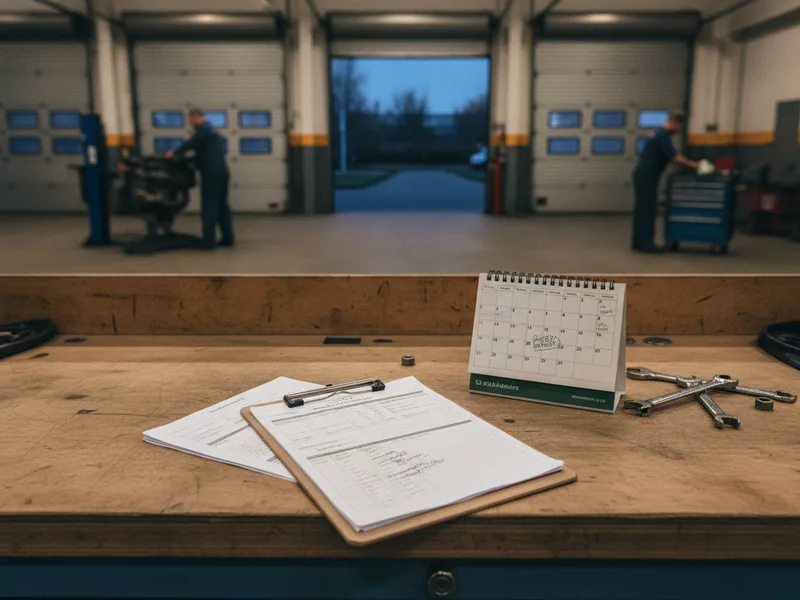
Fleet customers get slotted into a repair calendar that accounts for route schedules and delivery windows, not just first-come, first-served intake. That means less guessing about when a van or truck comes back into rotation.
Direct Insurance Claim Coordination
Commercial policies often involve different adjusters, higher-value claims, and more documentation than a personal auto policy. A shop familiar with fleet accounts can communicate directly with the insurance company, submit accurate estimates, and cut down on the back-and-forth that stalls repairs. Businesses should still confirm coverage details and their rights with their own insurance provider or agent, since policy terms vary.
OEM Parts Reliability
Fleet vehicles rack up mileage fast, and cutting corners on parts tends to show up again down the road. In our experience, OEM parts are worth the extra cost on fleet vehicles more often than aftermarket alternatives, even though many general advice columns suggest aftermarket is always the budget-friendly default. For a company running the same vehicle daily, consistency matters more than saving a little upfront.
Advanced Frame Alignment Technology
Frame damage on a work truck or cargo van isn’t always visible from the outside. Proper frame alignment equipment catches misalignment that could affect handling, tire wear, or safety down the line. This is one area where cutting a corner rarely pays off; drivers who spend eight or more hours a day behind the wheel need a frame that’s been measured and corrected, not eyeballed.
A Reputation Built Since 1985
Phoenix businesses have trusted Brad’s Deer Valley Collision with commercial repairs for decades. That kind of longevity isn’t an accident. Visitors can read more about the shop’s four decades of local auto body experience to understand how that history translates into practical know-how on today’s fleet repairs. For business owners weighing options, that track record often carries more weight than a lower quote from an unfamiliar shop.
Common Fleet Repair Mistakes to Avoid
Picking a body shop for one fleet vehicle is a decision. Picking one for a whole fleet is a pattern you’ll live with for years. Get it wrong, and you’ll repeat the same mistake every time a truck or van comes in banged up.
The biggest red flag we see from Phoenix, AZ, USA business owners: no written warranty. If a shop won’t put repair coverage in writing, walk away. Verbal promises don’t hold up when a paint job fades or a bumper seam opens up six months later.
Certifications matter more than most fleet managers realize. Ask if technicians hold I-CAR or ASE credentials, especially for structural and frame work. A shop without documented training on your specific vehicle types is guessing, not repairing.
Low bids deserve scrutiny, not celebration. A quote well below the others usually means aftermarket-only parts, rushed labor, or corners cut on prep work. In our experience, the cheapest estimate on a fleet job costs more over three or four years once you factor in repeat repairs and vehicles sitting idle again sooner than they should.
Other mistakes we watch Phoenix businesses make:
-
Accepting vague turnaround estimates instead of a specific timeline in writing
-
Skipping the step of getting 2 to 3 written estimates before committing a whole fleet account
-
Not asking whether OEM or aftermarket parts will be used
-
Letting a shop go quiet mid-repair with no photo or text updates
-
Forgetting that you, not your insurer, choose which shop handles the work
That last point trips up a lot of business owners. Insurance companies can recommend a shop, but they can’t require you to use one. If you’re unsure of your rights during a claim, a quick call to your state insurance department or your own agent clears it up fast.
How Brad’s Fleet Repair Services Keep Phoenix Businesses Moving
Fleet accounts that stick with us for years tend to say the same thing during intake: they’d rather explain the damage once and let us handle the rest. That’s the model we built our fleet auto body repair process around at Brad’s Deer Valley Collision.
We’ve been doing collision work in Phoenix, AZ, USA since 1985, and that kind of history changes how a shop handles commercial accounts. We’re not learning fleet logistics on your dime. Our team works directly with insurance providers and participates in direct repair programs, which cuts out a lot of the back-and-forth that stalls smaller shops. That coordination matters more for a business managing several vehicles at once than it does for a single passenger car repair.
Equipment and Certifications
Frame alignment and ADAS recalibration require real equipment, not guesswork. Plenty of shops skip recalibration work entirely because the technology is expensive to maintain. We invest in it, and our technicians carry I-CAR and ASE certifications that we display for customers who want to verify credentials before committing to a shop. In our experience, fleet managers who ask about recalibration capability upfront save themselves headaches down the line.
Documentation and Uptime Support
Every fleet repair starts with a written estimate and comes with a written warranty. No verbal promises, no vague timelines. We also offer loaner and shuttle options for commercial accounts, because a driver without a vehicle is a route that doesn’t get covered. After-hours drop-off and proactive updates, including photos as work progresses, keep fleet managers informed without needing to call the shop every day.
None of this replaces the basics. We still recommend businesses photograph existing damage before drop-off and confirm OEM versus aftermarket part preferences ahead of time, since those details affect both cost and turnaround. For businesses ready to get a fleet vehicle assessed, our team is set up to walk through the process directly. You can request a fleet repair estimate through our contact page and get a straightforward look at what a repair involves before committing to anything.
Getting the Most from Your Fleet Repair Estimate
A written estimate is a starting point, not a formality. Before you sign anything, ask the shop to walk you through the line items. What’s covered under warranty? How long will parts sourcing actually take? Get these answers on paper, not as a verbal promise.
Turnaround time matters more for fleet accounts than for a single passenger vehicle. Ask directly how many vehicles the shop can handle at once without slowing down your other repairs. A shop juggling too many fleet accounts on the same production line can quietly stretch timelines, even with good intentions.
Parts sourcing deserves its own conversation. Ask whether the estimate uses OEM or aftermarket parts, and why. Aftermarket parts can bring costs down, but they’re not always the right call for structural or safety components. In our experience, a shop that explains the tradeoffs instead of just picking the cheaper option is one worth trusting.
Check certifications before you commit. I-CAR and ASE credentials should be easy to verify, and a shop confident in its work will show them without hesitation.
Communication frequency is worth negotiating too. Ask how often you’ll get updates, whether that’s a phone call, a text, or photos of progress. Fleet managers juggling multiple vehicles don’t have time to chase down status updates themselves.
At Brad’s Deer Valley Collision, we build estimates that spell out parts, labor, and warranty terms before any work starts, and we keep fleet contacts updated as repairs move through the shop. We’re a body shop that works with insurance providers directly, which cuts out a lot of back-and-forth for fleet accounts.
If you’re comparing quotes, come by our Phoenix, AZ, USA location for a walk-in estimate. We’re glad to answer questions in person and show you exactly how our fleet auto body repair process works.
Frequently Asked Questions
How long does it typically take to repair a commercial fleet vehicle in Phoenix?
Turnaround time for fleet auto body repair in Phoenix depends on how bad the damage is and whether parts are sitting on a shelf or need to be ordered. A minor dent or bumper job might be done in 3 to 7 days. Frame damage or bigger structural work can stretch to 2 to 4 weeks. Brad’s Deer Valley Collision gives fleet managers a written timeline before work starts, and fleet accounts get scheduling priority so trucks and vans aren’t sitting around longer than they have to.
Can Brad’s Deer Valley Collision handle multiple fleet vehicles at once?
Yes, this is something Brad’s has been doing since 1985. Multiple commercial accounts run through the shop at the same time, each one tracked separately with its own bay assignment and update schedule. Fleet managers get regular status updates instead of having to call and check. That kind of organized scheduling is part of what fleet auto body repair looks like when it’s done right.
Do you use OEM parts or aftermarket parts for fleet repairs?
Brad’s offers both, and the decision gets made with the fleet manager before any work begins, not after. OEM parts cost more but match the original fit exactly and tend to hold resale value better. Aftermarket parts bring the cost down, which matters when you’re repairing several vehicles at once. The right call depends on the vehicle, its age, and what the fleet plans to do with it down the road.
What happens if my vehicle needs repairs during the evening or weekend?
Fleet customers can drop vehicles off after hours or over the weekend at Brad’s Deer Valley Collision, no need to wait around for someone to be at the counter. The vehicle sits securely until the shop opens, and work picks up right away during normal business hours. For a business running routes or service calls, that means one less day lost waiting for a drop-off window.
Does Brad’s work directly with my commercial vehicle insurance?
Brad’s Deer Valley Collision works directly with most major insurers as a direct repair program partner, handling the estimate, documentation, and back-and-forth that comes with a collision claim. That frees up a fleet manager to keep the business running instead of chasing paperwork. Coverage details and claim requirements vary by policy, so it’s still worth a quick conversation with your insurance provider to confirm what’s included for your fleet.
Keep Your Fleet Moving
A truck sitting in a repair bay isn’t earning you anything. If your business relies on vehicles that need to be back on the road fast, Brad’s Deer Valley Collision can walk you through what a repair timeline and cost might realistically look like for your fleet. Our fleet repair services in Phoenix are built around getting commercial vehicles assessed and back to work without unnecessary delays.
Stop by our Phoenix, AZ shop or give us a call to talk through your fleet’s needs; we’ll give you a straightforward estimate and let you know what to expect before any work starts. Curious what other fleet managers and business owners think of working with us? You can see what our customers are saying on Google.