Understanding Your Right to Choose Your Own Body Shop in Phoenix, AZ: How to File Auto Body Insurance Claim
Understanding Your Right to Choose Your Own Body Shop in Phoenix, AZ: How to File Auto Body Insurance Claim
You Have the Right to Choose Your Own Body Shop
When you’re wondering how to file an auto body insurance claim in Phoenix, AZ, USA, the first thing to understand is simple: you get to pick the repair shop. Arizona consumer protection principles and federal guidance both affirm that your insurer cannot force you into a specific facility, regardless of what shop appears on their preferred list or direct repair program (DRP). Brad’s Deer Valley Collision has helped Phoenix drivers exercise that right since 1985.
Here’s a scenario we see often. A driver gets rear-ended near a Phoenix intersection, calls their insurance company, and the adjuster immediately suggests a “network” shop. Many people assume that recommendation is a requirement. It isn’t.
Insurers build DRP networks because it simplifies their claims process and controls costs on their end, not because those shops are your only option. Nothing in your policy language requires you to use one of them. In our experience, adjusters rarely volunteer this fact upfront, and that’s where a lot of confusion starts. Most consumer guides tell drivers to just “ask” about their rights, but we’ve found it’s better to state your choice plainly and in writing when you first file, rather than waiting to be asked.
Your insurance carrier is still responsible for paying for covered repairs at the shop you select, provided the estimate reflects fair market repair costs. That distinction matters. Choosing your shop doesn’t waive your coverage; it just means you decide who touches your vehicle.
You can review the full range of collision repair and insurance claim assistance services Brad’s Deer Valley Collision offers in Phoenix to understand what a chosen shop typically handles from estimate through final inspection. For specifics on how state law treats these claims, the Arizona Department of Insurance and Financial Institutions is a useful resource, and it’s worth confirming current rules with a licensed professional before you sign anything.
Why Insurance Companies Prefer Certain Shops, And Why That Doesn’t Bind You
Direct repair programs exist because they save insurers time and money. An insurance company sets up a DRP agreement with a shop, negotiates set labor rates, and in exchange gets streamlined paperwork and faster sign-off on estimates. That’s a business arrangement between the insurer and the shop. It has nothing to do with your legal right to pick who fixes your car.
Here’s the part that trips up a lot of Phoenix drivers filing a claim for the first time. The adjuster hands you a list of “preferred” shops and it sounds official, almost like a requirement. It isn’t. Your policy language and Arizona consumer protections don’t grant an insurer authority to force you into a specific shop. They can suggest one. They cannot condition your claim on using it.
We’ll say this plainly, because it matters: some insurers imply that going outside the DRP network means slower claims processing or extra scrutiny on your estimate. In our experience, that’s more about internal habit than any actual claims rule. A well-documented estimate from an independent shop with proper certifications gets paid the same way a DRP shop’s estimate does.
What DRP Relationships Actually Mean for Your Repair
DRP shops often work under pre-negotiated labor rates and streamlined communication with adjusters. That can speed up approval on paper. But speed isn’t the same as quality, and a shop’s DRP status tells you nothing about whether they’re using OEM parts, running proper frame alignment checks, or handling ADAS recalibration correctly on newer vehicles.
At Brad’s Deer Valley Collision, we’ve worked directly with insurance companies since 1985, including handling documentation and estimates as part of direct repair arrangements. That experience means we know how adjusters evaluate a claim and what documentation gets approvals moving, whether or not your insurer put us on their preferred list.
Choosing an independent, established shop in Phoenix, AZ, USA doesn’t put your claim at risk. What matters is picking a shop with solid credentials, a clear written estimate, and a track record you can verify through reviews and certifications like I-CAR or ASE. If you’re ever unsure whether your insurer’s suggestion is a requirement or a recommendation, it’s worth confirming directly with your agent or a licensed insurance professional before you sign anything.
Step-by-Step: How to File an Auto Body Insurance Claim in Phoenix
Most claim delays we see at the shop trace back to the first ten minutes after impact. Drivers are shaken, traffic is backed up, and the instinct is to just exchange insurance cards and get out of the road. That’s understandable, but it skips steps that make the rest of the process smoother.
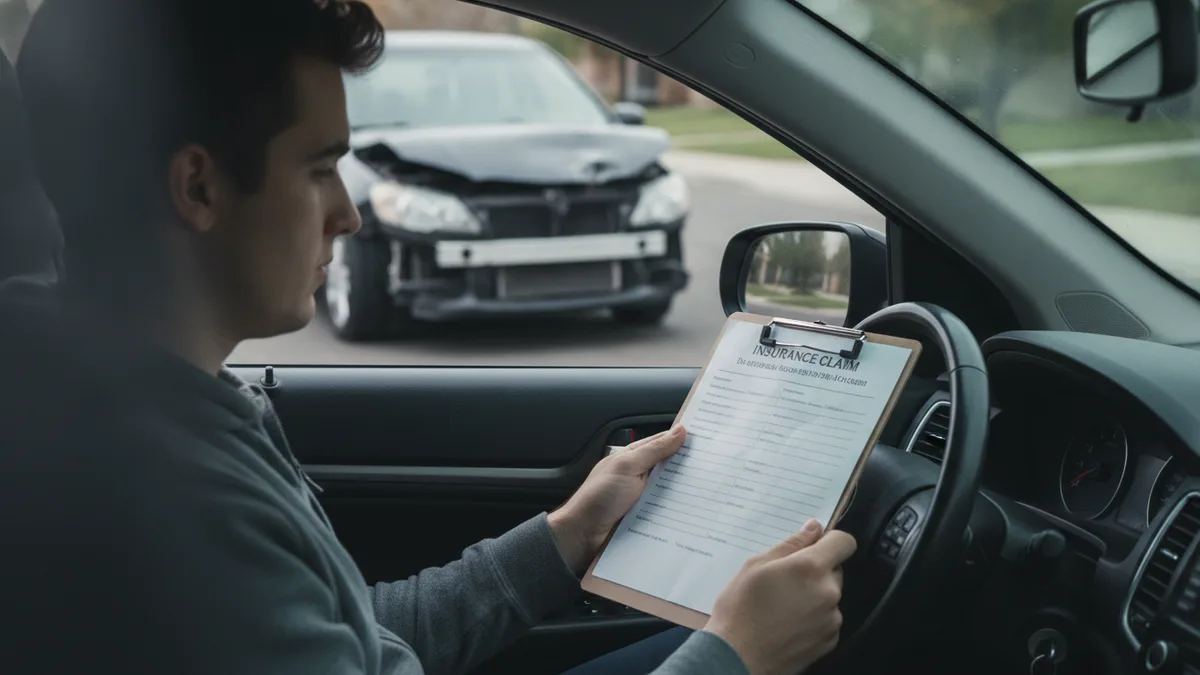
Start at the scene. Photograph the damage on all vehicles involved, the license plates, and the surrounding area, including street signs or intersections if the accident happened while driving through Phoenix, AZ, USA. If there’s a police report available, request a copy or note the report number. This documentation becomes the backbone of your claim.
Reporting the Claim
Contact your insurer as soon as it’s safe to do so. Most companies allow claims to be filed by phone or through an app, and you’ll typically need the date, location, and a basic description of what happened. Keep your answers factual. This isn’t the moment to speculate about fault; that determination usually comes later, based on the report and any statements.
The Adjuster Inspection
Once the claim is open, your insurer will schedule an adjuster to inspect the vehicle, either in person or through photos you submit. Here’s where a lot of guides tell drivers to just wait for the insurance company’s numbers. In our experience, that’s backward. It’s worth getting your chosen repair shop’s estimate into the mix early, because adjuster estimates written without a hands-on teardown often miss hidden damage that only shows up once panels come off.
Estimate Submission and Approval
This is the step where choosing your own shop pays off. Bring your vehicle to the shop you trust, request a written estimate, and have that estimate submitted directly to your insurance company for review. If the adjuster’s figure and the shop’s estimate don’t match, a supplement request usually follows. That’s a normal part of the process, not a sign anything went wrong.
A few things speed this along:
-
Respond quickly to any insurer requests for additional photos or documentation.
-
Ask your shop to communicate directly with the adjuster on technical questions.
-
Keep a copy of every estimate and approval in writing.
Once the estimate is approved, repair work can begin. Brad’s Deer Valley Collision has handled this back-and-forth with insurers for Phoenix drivers since 1985, and walk-ins are welcome if you’d rather talk through the process in person before filing anything.
Every claim has its own details, and insurance policies vary in coverage and requirements. If a question comes up about your specific policy terms or state filing obligations, a licensed insurance agent or the Arizona Department of Insurance and Financial Institutions can give you guidance specific to your situation.
What to Do When You’ve Chosen Your Repair Shop
Picked your shop. Good.
The next step is scheduling an intake appointment, and this is where a lot of the stress drops out of the process. When you call Brad’s Deer Valley Collision, we’ll ask about your damage, your insurance carrier, and your claim number if you have one, then get you on the schedule for an estimate. Most drivers in Phoenix, AZ, USA are surprised at how quickly this part moves once they’ve committed to a shop instead of bouncing between recommendations.
Bring your insurance information, your driver’s license, and photos of the damage if you took them at the scene. If you haven’t already, jot down a written timeline of what happened; adjusters sometimes ask for it later, and having it ready saves a follow-up call. You’ll also want to sign a repair authorization, which simply gives the shop permission to speak with your adjuster directly on your behalf.
That authorization matters more than people realize. Once it’s signed, our team handles the back-and-forth with the insurance company: submitting the estimate, negotiating supplements if hidden damage turns up during teardown, and keeping the paperwork moving. You shouldn’t have to serve as the middleman between your adjuster and your repair technician. In our experience, drivers who try to relay every detail themselves often end up with slower claims, not faster ones, because messages get garbled in translation.
A common concern is whether the shop will “side” with the insurer to cut corners. A reputable shop works from the actual damage, not from what’s convenient for anyone’s bottom line, and you can review our background and certifications on our about page detailing decades of Phoenix repair experience before you sign anything.
If you have specific questions about your coverage or claim rights, your insurance company or the Arizona Department of Insurance and Financial Institutions can confirm the details that apply to your policy. Once the paperwork’s in motion, the real work, getting your car back to pre-accident shape, can actually begin.
Questions to Ask Your Chosen Body Shop Before Work Begins
Ask five questions before you sign anything. It’s a habit that saves headaches later.
We’ve watched plenty of drivers get partway through a repair and realize they never confirmed basic details up front. By then, changing course means starting the estimate and paperwork over. A few minutes of questions before drop-off protects you from that.
-
Are your technicians I-CAR or ASE certified? These credentials show ongoing training on modern repair procedures. Ask to see them; a shop confident in its work will show you without hesitation.
-
What parts will you use, OEM or aftermarket? This affects fit, finish, and sometimes vehicle safety systems. Ask which one applies to your repair and why.
-
What does your warranty cover, and for how long? Get it in writing. A shop that won’t put a warranty on paper is a shop to think twice about.
-
What’s your estimated turnaround time? Parts availability and damage severity both affect this, so treat any answer as an estimate rather than a fixed date.
-
How do you handle communication with my insurance adjuster? A shop familiar with how to file an auto body insurance claim in Phoenix, AZ, USA should be comfortable explaining its process for submitting estimates and negotiating supplements.
Here’s our take, and it runs against some common advice: the lowest bid isn’t always the safer financial choice. In our experience, unusually low estimates often mean corners get cut on parts or labor time, which can surface as problems months later. Get two or three written estimates, compare them line by line, and ask a licensed, qualified body shop professional to walk you through anything that looks unclear before you commit.
Common Pitfalls Phoenix Drivers Make When Filing Claims
Most claim problems we see are avoidable. They come from small decisions made under stress, not from anything complicated about how to file an auto body insurance claim in Phoenix, AZ, USA.
The biggest one: not documenting damage at the scene. A driver takes one blurry photo, moves on, and later the adjuster questions whether certain damage was even from the accident. Take several photos from different angles before the car leaves the roadway if it’s safe to do so.
Accepting a verbal estimate is another common mistake. If a shop or adjuster tells you a number over the phone without putting it in writing, you have nothing to reference if the final bill changes. Always ask for a written estimate, and get two or three from different shops if you have doubts.
Skipping the repair agreement is a habit we’d like to see disappear. People sign paperwork at drop-off without reading warranty terms or parts specifications, then find out later the shop used aftermarket parts they didn’t expect. Read what you’re signing, even if it takes an extra ten minutes.
Miscommunicating with the adjuster causes delays too. Some guides tell drivers to let the shop handle every conversation with the insurance company. In our experience, staying looped in on major updates, especially supplement approvals, actually speeds things along rather than slowing them down.
Finally, some drivers don’t realize their right to choose a repair shop applies regardless of what an insurer suggests. That right is worth confirming directly with your insurance company or a consumer protection resource if you’re unsure how it applies to your policy.
Avoiding these missteps keeps you in control of the process from start to finish.
Why Choosing Brad’s Deer Valley Collision Means Expert Claim Handling for Phoenix Drivers
The shops that handle claims well share one habit: they treat the paperwork with the same care as the bodywork. We’ve built our process around that idea since 1985, and it shows in how few surprises drivers run into once repairs are underway.
Most guides tell drivers to just pick any certified shop and trust the process. In our experience, the shops that actually make claims easier are the ones willing to talk directly with adjusters, push back on lowball estimates, and put everything in writing before work starts. That’s the standard we hold ourselves to on every vehicle that comes through our bay.
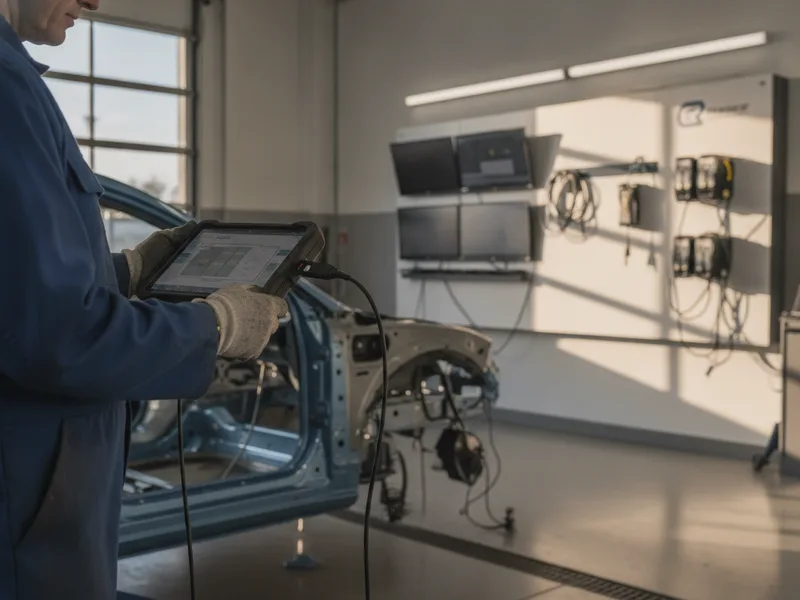
We coordinate directly with insurance carriers on your behalf, whether or not they’ve suggested a different shop first. That includes documenting damage thoroughly, submitting written estimates, and following up when a claim stalls. Our technicians hold I-CAR and ASE certifications, and we invest in ADAS recalibration equipment that a lot of smaller shops in Phoenix, AZ, USA simply don’t carry yet. That matters more than it used to, since so many newer vehicles need that recalibration after collision repair to function the way they’re designed to.
Convenience matters too. We offer proactive updates through the repair, so you’re not left guessing where your claim or your car stands. Drivers comparing shops should still confirm licensing and warranty terms independently, and for questions specific to your policy, checking with your insurance provider or a licensed adjuster is always worthwhile.
If you’re weighing your options after an accident, our team can walk through your claim and your repair estimate together. You can schedule your free estimate and speak with a claims specialist at Brad’s Deer Valley Collision in Phoenix, whether you’re stopping by in person or calling ahead.
Frequently Asked Questions
Can my insurance company force me to use their preferred repair shop?
No, your insurance company can’t force you to use a specific body shop in Phoenix, AZ. They can suggest a preferred or DRP (direct repair program) shop, but Arizona law gives you the right to pick any licensed collision repair facility you trust. As long as the shop performs quality repairs with certified technicians, your insurer is required to cover the cost. If an adjuster tells you otherwise, it’s worth confirming your rights with your state insurance department or an attorney.
Will my insurance claim be denied if I don’t use the insurer’s recommended body shop?
No, picking an independent shop won’t get your claim denied. Insurance companies process claims based on whether the damage is real and the repairs are necessary, not on which shop does the work. Choose a shop in Phoenix, AZ that documents everything properly and uses qualified technicians, and your claim moves forward the same way it would at a shop on your insurer’s list.
What’s the difference between OEM and aftermarket parts in an insurance claim?
OEM parts come straight from your vehicle’s manufacturer, built to the exact original specs. Aftermarket parts are made by outside companies and often cost less, which is why some insurance policies default to them to keep claim payouts down. You’re allowed to ask for OEM parts on your repair. A good body shop in Phoenix, AZ will handle that conversation with the adjuster during the estimate, though approval isn’t guaranteed and depends on your specific policy language.
How long does the insurance claim process typically take in Phoenix?
Most claims in Phoenix, AZ get approved somewhere in the 5 to 10 business day range after filing, though this varies with how backed up the adjuster is and how complicated the damage assessment turns out to be. That timeline covers just the approval step, not the actual repair work. Once you bring your vehicle in for an intake appointment, a shop can usually give you a clearer picture of how long the repair itself will take based on parts availability and damage severity.
Should I get multiple repair estimates before filing a claim?
Yes, getting two or three written estimates from licensed shops in Phoenix, AZ puts you in a stronger position when the insurance adjuster reviews your claim. It gives you something to compare against and makes it harder for the payout to come in lower than what the repair actually requires. Adjusters typically weigh multiple estimates when setting the claim value, and the shop you choose should be able to explain how their number lines up with industry pricing for parts and labor.
File Your Claim With a Shop That Handles the Paperwork For You
Insurance claims get confusing fast, especially when you’re also trying to figure out what’s actually wrong with your car. Brad’s Deer Valley Collision has walked Phoenix drivers through hundreds of claims since 1985, and we’re glad to look at your vehicle and explain what the process looks like before you commit to anything.
Stop by our Phoenix, AZ shop for a free estimate, or check our collision repair and insurance claim assistance services to see how we work with adjusters and insurers on your behalf. For questions specific to your policy or coverage limits, it’s worth a quick call to your insurance agent too.
Curious what other Phoenix drivers think of working with us? Check out our reviews on Google before you decide.