Collision Repair Shop in Phoenix, AZ: What Sets Professional Auto Body Restoration Apart
Collision Repair Shop in Phoenix, AZ: What Sets Professional Auto Body Restoration Apart
Why Professional Collision Repair Outperforms DIY and Quick Fixes
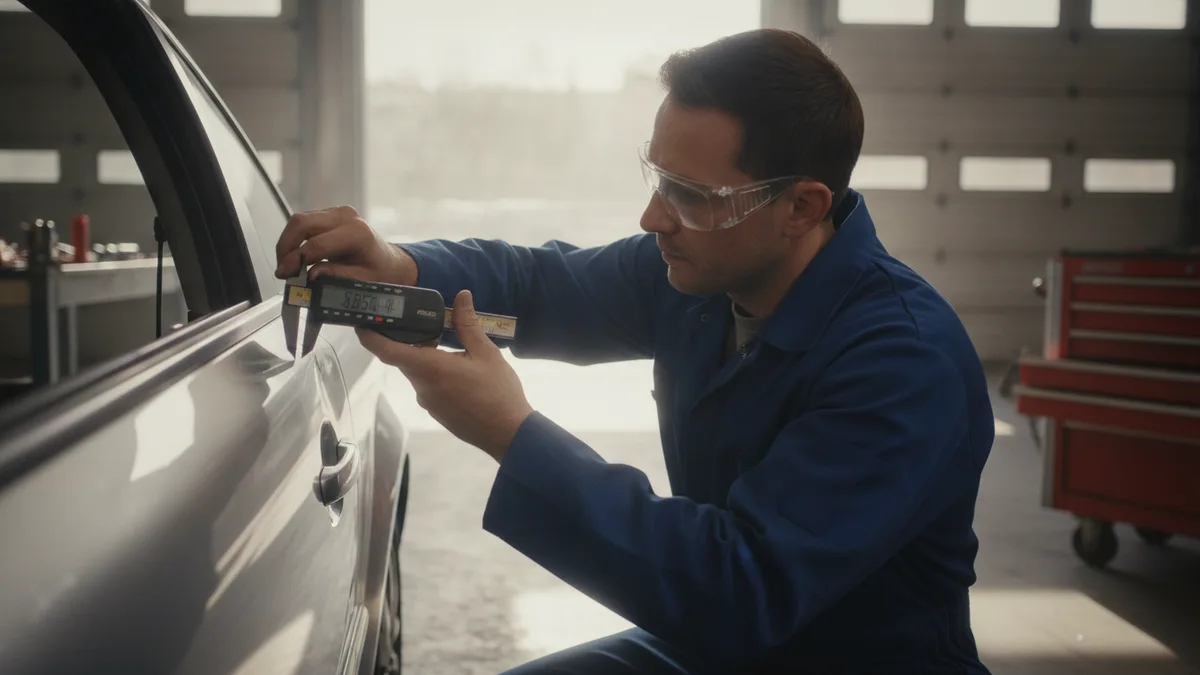
Professional collision repair from a shop like Brad’s Deer Valley Collision gives Phoenix, AZ, USA drivers something a DIY fix or a general mechanic can’t: trained technicians who use frame-measuring systems, structural diagnostics, and OEM repair procedures to return a vehicle to its actual pre-accident condition, not just its pre-accident appearance. Brad’s Deer Valley Collision has served this work since 1985.
Picture a driver on the I-17 corridor who gets rear-ended at a stoplight. The bumper looks bent but drivable. A YouTube tutorial and a heat gun might pop the plastic back into shape for a weekend. What that quick fix misses is what’s underneath: a cracked bumper reinforcement bar, a bent bracket, or sensor housing that’s now misaligned. None of that shows up from the driver’s seat.
Untrained repairs also skip the diagnostic step entirely. A collision repair shop pulls factory measurement specs and checks the frame against them, something a driveway repair simply can’t replicate without the right tools. Skipping that step doesn’t always cause a visible problem right away, but it can affect how the vehicle handles or how safety systems perform later.
Here’s a point where we’d push back on common advice: a lot of guides tell drivers that minor cosmetic damage is safe to patch themselves and save on labor. In our experience, the issue isn’t the cosmetic patch itself; it’s that hidden structural or electronic damage often rides along with “minor” hits, especially on newer vehicles loaded with sensors and cameras. A trained eye catches that during an initial inspection. A weekend fix usually doesn’t.
There’s also the question of what happens down the road. A shop backed by a written warranty and documented repair process gives a customer something to point to if a problem surfaces months later. A DIY job doesn’t come with that kind of accountability.
Brad’s Deer Valley Collision walks Phoenix customers through the full range of services on its collision repair and auto body service offerings page, from structural frame work to paint matching, so drivers can see exactly what a proper repair covers before deciding how to handle their vehicle. For safety-related repair standards, the National Highway Traffic Safety Administration is a useful reference point for what’s at stake when structural repairs aren’t done to spec.
The Equipment and Technology Gap
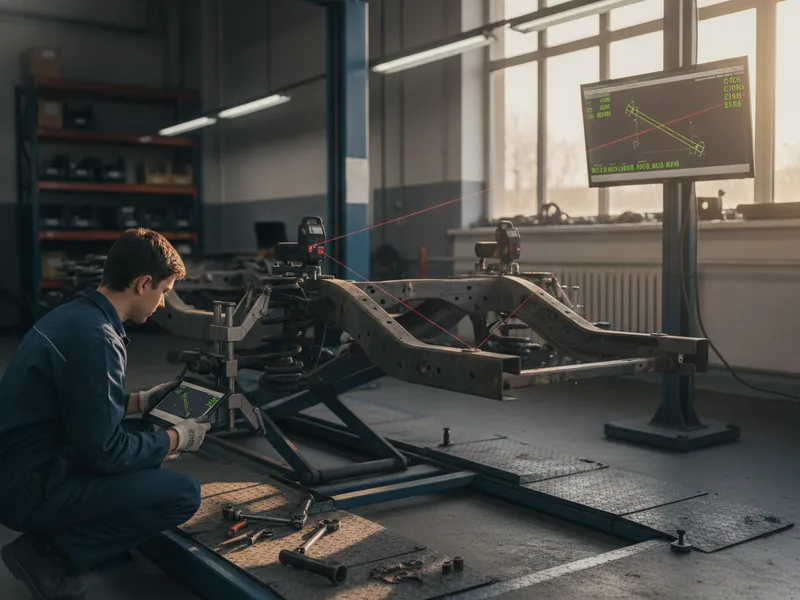
Here’s something a lot of people don’t think about until it’s too late. A collision repair shop’s equipment room tells you more about the quality of work you’ll get than the fancy sign out front. Frame alignment machines, computerized paint-mixing systems, and ADAS recalibration tools cost real money to buy and maintain, and not every shop makes that investment.
Modern vehicles aren’t just steel and glass anymore. Most cars built in the last several years carry advanced driver assistance systems (ADAS): lane departure sensors, adaptive cruise radar, automatic braking cameras. These components often sit right where collision damage happens, on the bumper, the windshield, the front grille. After a repair, they need recalibration using specialized diagnostic equipment. Skip that step, and a sensor can be misaligned by a fraction of a degree, which is enough to affect how the system reads the road.
We’ll be direct about this. In our experience, ADAS recalibration is the piece most smaller shops overlook, either because the equipment is expensive or because they don’t have staff trained to run it. That’s a gap that matters for safety systems, not just cosmetics. The National Highway Traffic Safety Administration publishes guidance on vehicle safety systems, and it’s worth a look if you want to understand why recalibration isn’t optional on many repairs.
Frame alignment is another area where shortcuts show up later. A frame that’s “close enough” can throw off tire wear, handling, and crash protection in a future accident. The right equipment measures structural integrity down to precise tolerances, not guesswork.
Paint matching is less about safety and more about pride in the work. Computerized mixing systems pull exact factory formulas so a repaired panel doesn’t stand out next to the rest of the vehicle.
At Brad’s Deer Valley Collision, we’ve built our shop around this kind of equipment because Phoenix, AZ, USA drivers deserve repairs that hold up, not just look fine on delivery day. If you’re comparing collision repair shop options, ask directly what diagnostic and recalibration equipment they run in-house. A qualified technician should be able to answer that question without hesitation, and if they can’t, that’s worth noting.
Certifications, Training, and Liability Protection
Walk into ten body shops and ask to see certifications. Half will point to a wall plaque that’s five years out of date. The other half either can’t produce anything or hand you paperwork that’s actually current. That gap tells you almost everything about how a shop operates day to day.
I-CAR and ASE certifications aren’t just letters on a wall. They mean technicians have gone through structured training on current repair procedures, and in a lot of cases, they’ve had to recertify as vehicle technology changes. Modern cars use high-strength steel, aluminum panels, and sensor systems that didn’t exist a decade ago. A technician trained on older methods can miss something critical on a newer vehicle, and that’s not a knock on effort, it’s just outdated knowledge applied to new problems.
Here’s the part most people skip over. Certifications also matter for legal exposure. If a repair is done incorrectly and a structural or safety issue shows up later, the shop’s documentation and training record can factor into liability questions. A collision repair shop that keeps its certifications current and visible is signaling accountability, not just skill.
Warranty coverage ties into this directly. Shops confident in their training tend to back their work with a written warranty. Vague verbal promises don’t hold up the same way. Before committing to any repair, it’s reasonable to ask what’s covered, for how long, and what voids it.
Our take, after decades in this business: a lot of guides tell customers to just check for “any certification.” In our experience, it’s worth asking which specific certifications a technician holds and whether they’re current, because a lapsed credential from years ago doesn’t reflect today’s skill level. For legal or insurance-specific questions about liability, a licensed attorney or your insurance agent can give guidance tailored to your situation. Phoenix, AZ, USA drivers have plenty of shops to compare on this point alone.
Insurance Compliance and Direct Repair Programs
Insurance claims trip up a lot of Phoenix, AZ, USA drivers who’ve never been through the process before. A professional collision repair shop handles the paperwork side of things daily, which means fewer surprises when the estimate lands in your inbox.
Here’s the part most people don’t realize. You are not required to use the shop your insurance company suggests. Insurers often push their own list of preferred shops, and while those shops may be perfectly capable, the choice is legally yours to make. A shop that participates in direct repair programs works within an insurer’s system to submit estimates and documentation electronically, which can speed up approval on covered repairs. That’s different from being obligated to use only those shops.
Documentation matters more than most drivers expect. Adjusters want itemized estimates that match the actual damage, photos that back up the scope of work, and records showing why certain repairs (like structural realignment or ADAS recalibration) were necessary rather than optional. Shops that skip this step, or hand you a vague one-page quote, tend to create disputes down the road when the insurer questions the bill.
In our experience, drivers who get 2 to 3 written estimates before committing catch pricing gaps and missing line items that a single quote wouldn’t reveal. It’s also worth photographing your vehicle’s existing damage before drop-off. That protects you if there’s ever a question about what was there beforehand.
Brad’s Deer Valley Collision has worked through this process with Phoenix drivers for decades; details on that history and our credentials are on our about page covering our Phoenix history. For claim-specific questions, your insurance company’s adjuster or a licensed agent can confirm coverage details for your policy.
What to Verify Before Choosing a Collision Repair Shop
Ask five body shops for an estimate on the same damage and you’ll often get five different numbers. That range isn’t random. It usually comes down to parts sourcing, labor rates, and how thorough the initial inspection actually was. Knowing what to check before you sign anything can save a Phoenix driver from a repair that looks fine for a few months and then falls apart.
Start with the written estimate. A collision repair shop should hand you a detailed, itemized breakdown, not a verbal ballpark. If a shop won’t put numbers on paper, that’s a signal to keep looking.
-
OEM vs. aftermarket parts: Ask directly which type the estimate uses and why. OEM parts typically cost more but match factory specs; aftermarket parts vary in quality and fit.
-
Warranty coverage: Get the warranty terms in writing, including what’s covered and for how long. A shop confident in its work usually backs it with something concrete.
-
Turnaround time: Ask for a realistic timeline based on your specific damage, not a generic promise. Parts availability and structural work can shift timelines.
-
Certifications: Confirm current I-CAR or ASE credentials rather than taking a wall plaque at face value.
Most advice stops at “get three estimates,” and that’s fine as a starting point. In our experience, though, comparing estimates matters less than comparing what’s actually included in each one. A lower bid that skips ADAS recalibration or uses unspecified parts isn’t really cheaper; it’s just incomplete.
Red flags worth taking seriously: no written estimate, no warranty offered, or a bid that’s noticeably lower than everyone else’s with no explanation. Photograph your vehicle’s existing damage and remove valuables before drop-off, regardless of which shop you choose.
Phoenix, AZ, USA drivers can walk into Brad’s Deer Valley Collision for a documented estimate and a straight answer on parts and timelines before committing to anything.
Your Rights as a Consumer in Phoenix
Here’s something a lot of drivers don’t realize until they’re mid-claim. Insurance companies can suggest a collision repair shop, but they can’t force you into one. Arizona consumers have the right to choose their own shop for repairs, regardless of what the insurer’s list recommends. That choice belongs to you, not the adjuster.
Adjusters sometimes make it sound like using a shop outside their network means slower approvals or extra hassle. In our experience, that’s more about steering business than reality. A qualified shop that’s willing to work directly with your insurer, provide documentation, and communicate through the claims process can usually get you to the same result without you giving up your choice of repair facility.
You also have the right to request multiple written estimates before committing to any repair. Getting two or three isn’t excessive, it’s just due diligence. Compare not just the total but what’s included: parts sourcing, labor breakdown, and warranty terms.
Phoenix, AZ, USA drivers should know these rights apply no matter which insurance carrier they’re dealing with. If you ever feel pressured into a shop you didn’t choose, it’s worth asking direct questions or checking with your state’s insurance regulator to confirm your options.
Brad’s Deer Valley Collision welcomes walk-ins for anyone who wants to see the shop, ask questions, and get an estimate before deciding anything.
Why Brad’s Deer Valley Collision Stands Out
Ask any technician who’s been doing this a while and they’ll tell you: the shops that last decades usually earn it one repaired bumper at a time. We’ve been fixing cars in Phoenix, AZ, USA since 1985, and that kind of run doesn’t happen without a lot of returning customers and word-of-mouth referrals.
Our certifications aren’t hidden in a back office. I-CAR and ASE credentials are current, and our technicians train on ADAS recalibration, a capability plenty of smaller collision repair shops still skip. Newer vehicles rely on cameras and sensors for lane assist and automatic braking, and skipping recalibration after a repair can leave those systems misaligned.
Our written warranty spells out coverage in plain language, not fine print you need a lawyer to parse. We back our repairs and stand behind our work, though anyone with questions about specific coverage terms should ask our team directly before signing off on a repair.
Convenience matters too. Loaner cars, shuttle service, after-hours drop-off, and text updates with photos keep customers informed without them having to chase us for status calls. In our experience, this is where a lot of shops fall short, not on the bodywork itself, but on communication. Customers today compare service against retailers like Amazon, not just other body shops, and that bar keeps rising.
Short version: credentials, equipment, and a straightforward process.
If your vehicle needs an inspection or you’re comparing estimates from other shops, our team welcomes walk-ins at our Phoenix location. You can also schedule a consultation and repair estimate through our contact and booking page whenever it fits your schedule. We’ve been part of this community a long time, and we’d rather earn your trust with a straight answer than a sales pitch.
Frequently Asked Questions
Can I use aftermarket parts instead of OEM parts for collision repair?
Yes, aftermarket parts are an option for most vehicles, and plenty of drivers in Phoenix, AZ choose them to keep costs down. OEM parts come from your vehicle’s manufacturer and match the original fit and specs exactly. Aftermarket parts vary more in quality since they’re made by outside companies. Ask your shop to put the part type in writing on your estimate, and check with your insurance company since coverage rules can differ between the two.
How long does collision repair typically take?
It really depends on how bad the damage is. A moderate repair (a dented panel, a bumper replacement) often runs one to three weeks. If the frame or structure got hit, plan on longer since those repairs take more time to do right. Parts availability matters too. A shop worth your business will give you a realistic timeframe when you drop off your car and call you if anything pushes that date back.
What warranty should I expect from a collision repair shop?
A solid collision repair shop backs its work with a written warranty, typically covering workmanship for a year or more and paint for a similar stretch. The exact terms vary by shop, so read your paperwork before you sign anything. It should spell out what’s covered, how long it lasts, and what steps to take if something goes wrong. If a shop won’t put a warranty in writing, that’s a red flag worth asking about directly.
Do I have to use the insurance company’s recommended repair shop?
No, you don’t. In Arizona, you have the legal right to pick any licensed collision repair shop you trust, whether or not it’s on your insurer’s preferred list. Get a few estimates around Phoenix, AZ and compare them before deciding. Your insurance company can still push back on pricing for certain repairs, so it’s worth asking a claims adjuster how that process works before you commit to a shop.
What should I do before dropping off my car for collision repair?
Start by taking photos of every bit of damage from a few different angles with your phone. Clear out anything personal, garage remotes, chargers, whatever you don’t want left in the car. Write down a full list of what’s damaged so nothing gets missed, and get a written estimate before any work starts. Hang onto copies of everything. If a legal or insurance dispute comes up later, that documentation is what you’ll lean on.
Get Your Collision Damage Looked At by Someone Who Knows What They’re Doing
Dents, misaligned panels, and hidden frame damage don’t fix themselves, and driving around Phoenix with unresolved collision damage isn’t something to guess about. Brad’s Deer Valley Collision offers free, no-obligation estimates, and our I-CAR and ASE certified technicians will look at your vehicle in person and explain exactly what they find.
Stop by our Phoenix, AZ shop for a walk-in consultation, or give us a call to set up a time that works for you. Curious about the full range of what we handle? Take a look at our collision repair and auto body services before you visit.
Want to hear from folks who’ve already been through the process with us? You can check out our reviews on Google and see what our customers are saying. If your damage involves an insurance claim, it’s worth confirming coverage details with your adjuster before repairs begin.