Insurance Claim Body Shop in Phoenix, AZ: Your Partner in Claims and Repairs
Insurance Claim Body Shop in Phoenix, AZ: Your Partner in Claims and Repairs
What an Insurance Claim Body Shop Does for You
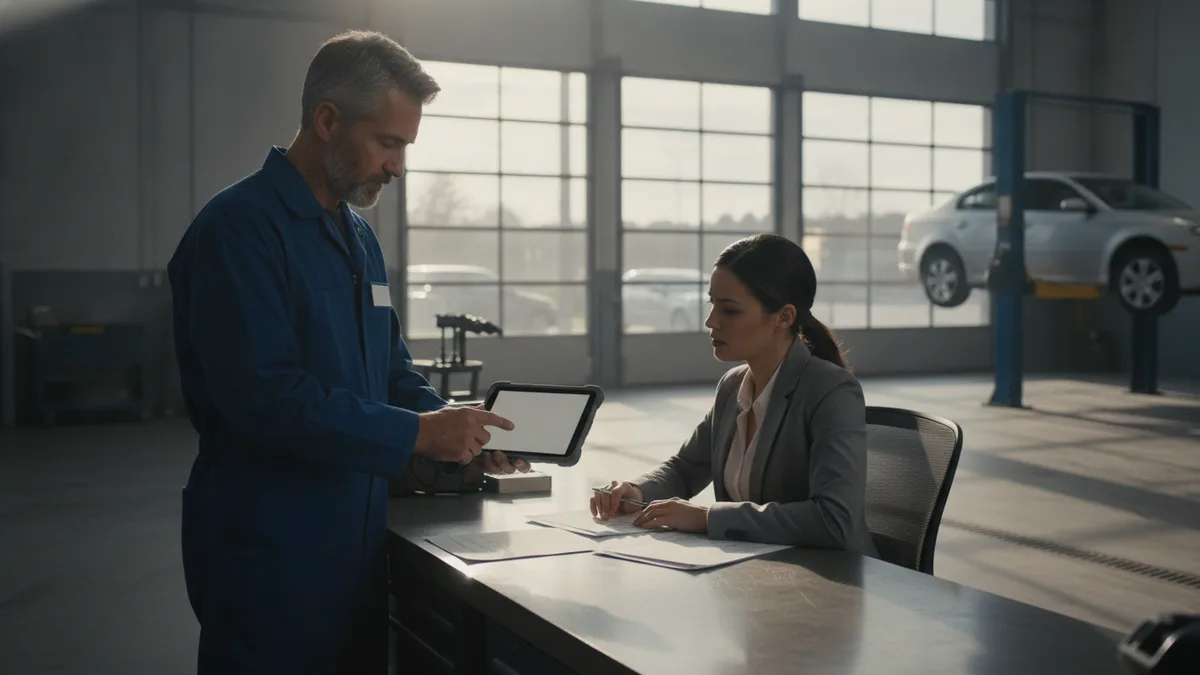
An insurance claim body shop like Brad’s Deer Valley Collision handles the repair work and the paperwork that comes with it, writing accurate estimates, documenting damage thoroughly, and communicating directly with your adjuster so you’re not stuck relaying messages back and forth. For drivers in Phoenix, AZ, USA, that difference often means fewer delays and less confusion during an already stressful week.
Picture this: your bumper’s crushed after a parking lot fender bender, and you’re not sure what your policy actually covers. Brad’s Deer Valley Collision has been repairing vehicles in Phoenix, AZ, USA since 1985, and that history has taught our team what insurers expect to see in a claim file.
Most advice tells drivers to just accept whatever the insurance company’s estimate says. In our experience, that’s not always the smartest move. Estimates written without a hands-on inspection sometimes miss hidden structural damage, which can surface later as extra cost or delay.
A shop that specializes in insurance work builds documentation the way adjusters need it: photos, line-item parts breakdowns, and repair notes that hold up under review. You can browse the full range of collision repair, frame work, and paint services on our collision repair and auto body services page before scheduling anything.
How Insurance Direct Repair Programs Work
Direct repair programs, or DRPs, are agreements between an insurance carrier and a body shop. The insurer pre-approves the shop’s estimating standards, labor rates, and repair procedures, which lets claims move through faster because the paperwork loop between shop and adjuster is shorter. Brad’s Deer Valley Collision participates in several of these programs while still operating as an independent insurance claim body shop, meaning we set our own repair standards regardless of which carrier is footing the bill.
Here’s the short version.
When a shop is part of a carrier’s DRP network, that carrier’s adjusters trust the shop’s estimates enough to approve them with less back-and-forth. That cuts down on delays. For a driver in Phoenix, AZ, USA, this can mean fewer days waiting on estimate approval and less time playing messenger between the shop and the insurance company.
The benefit runs both ways. Insurers get faster claim resolution and more predictable repair costs. Shops get a steadier flow of referred work and quicker payment processing. That said, we’ve found that DRP status doesn’t automatically mean better repairs, it means better paperwork efficiency. In our experience, some shops lean too hard on DRP relationships and start cutting corners on parts or labor time to stay within an insurer’s preferred cost range. We’d rather write an accurate estimate first and let the DRP relationship handle the logistics second.
Being in a DRP network also doesn’t change your legal right to pick your own shop. Insurance companies in Arizona can recommend a repair facility, but they can’t force your hand. If Brad’s Deer Valley Collision isn’t on a particular carrier’s DRP list, we can still work that claim; it just may take an extra step or two on the estimate approval side.
For questions about your specific policy terms or claim rights, it’s worth a quick call to your insurance agent or a check with the Arizona Department of Insurance and Financial Institutions to confirm how your coverage applies.

Your Right to Choose Your Own Repair Shop
We hear the same confusion from Phoenix customers almost every week. An adjuster mentions a “preferred” shop, and drivers assume they have to go there. That’s not how it works.
Arizona law doesn’t require you to use whatever shop your insurer suggests. The choice of repair facility belongs to the vehicle owner, not the insurance company. Direct repair programs exist for the insurer’s convenience as much as yours, and while they can speed up claims, they’re never mandatory. You can confirm the specifics of your policy and state consumer protections with your insurance agent or a licensed attorney if you want it in writing.
In our experience, some drivers get talked out of exercising this right because a rep implies repairs will take longer or cost more elsewhere. That’s rarely the full picture. A shop outside the network still has to meet the same collision repair estimates and documentation standards; the insurer still has to pay for legitimate, necessary repairs regardless of where you take the car.
Brad’s Deer Valley Collision has worked with Phoenix, AZ, USA drivers since 1985, and a large share of our customers choose us independently of any insurer’s list. We handle the estimate, the paperwork, and the direct communication with your adjuster the same way a network shop would, without cutting corners on parts or process to hit a preferred vendor’s labor rate.
If you’re weighing where to take your vehicle, ask any shop about certifications, warranty coverage, and whether they use OEM or aftermarket parts before you commit. Walk-ins are welcome at our Phoenix location if you’d rather talk through your options in person than sort it out over the phone with an adjuster.
Documentation and Estimate Accuracy: What Insurers Require
Paperwork decides how fast your claim moves. An insurer isn’t going to approve a repair based on a phone call and a handshake. They need a written estimate that breaks down parts, labor hours, and repair procedures line by line, plus photo evidence that backs up every item on that list.
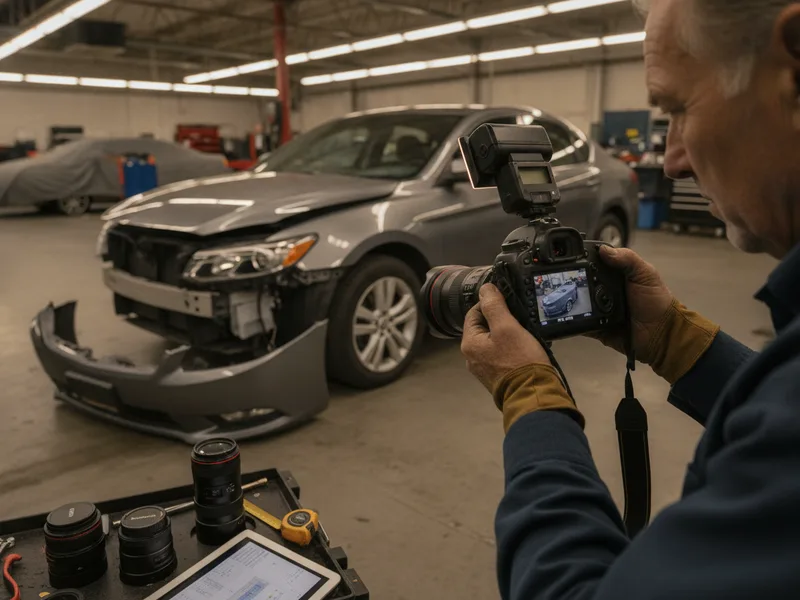
Here’s the part most drivers don’t think about. Photos taken at drop-off matter as much as the estimate itself. A good insurance claim body shop documents the damage from multiple angles before touching the vehicle, then photographs again once panels come off and hidden damage shows up underneath. That second round matters more than people realize. Hidden damage, like a bent frame rail or a cracked bracket behind a bumper cover, often doesn’t show up until the car is partially disassembled, and insurers want documentation before they’ll approve the added cost.
Supplemental estimates are normal, not a red flag. Most guides make it sound like a supplement means something went wrong. In our experience, a shop that never files supplements is more likely skipping steps than doing flawless work the first time. Collision repair is rarely predictable enough to nail everything in one estimate.
Accuracy at every stage affects settlement speed. Vague labor descriptions or missing parts numbers give adjusters a reason to push back, which stalls your repair and your rental coverage. Shops that document thoroughly and justify labor with recognized repair procedures tend to see fewer denials and fewer rounds of back-and-forth with the insurance company.
Brad’s Deer Valley Collision has handled this documentation work for Phoenix, AZ, USA drivers since 1985, and our history and certifications page lays out the credentials and track record behind that experience. If you want a second opinion on an estimate before committing, a licensed adjuster or a qualified repair professional can review the specifics of your claim.
The Insurance Claims Process: Step-by-Step at Brad’s Deer Valley Collision
Most delays we see in Phoenix, AZ, USA claims trace back to one thing: a shop that skipped a step early on and had to backtrack later. When the sequence gets rushed, adjusters send estimates back for clarification, and that adds days nobody wanted to spend.
Here’s how the process runs at our shop, start to finish.
Initial Inspection and Photography
When you bring your vehicle in, a technician does a full walk-around before anything else happens. We photograph visible damage, then pull panels and check for hidden structural or mechanical issues that a surface look wouldn’t catch. This stage usually takes a same-day or next-day appointment, depending on how busy the shop is.
Estimate Preparation and Submission
From the inspection, we build a written estimate covering parts, labor, and repair procedures. We submit it to your insurer along with the photo documentation. Most estimates go out within a day or two of the inspection, though supplemental damage discovered mid-repair can add another round of paperwork.
Insurer Review and Approval
The adjuster reviews what we’ve submitted and either approves it, requests more information, or asks for a phone or in-person reinspection. In our experience, shops that provide thorough photo evidence upfront get through this stage faster than shops that wait for the insurer to ask follow-up questions. That’s a pattern we’ve watched repeat for years.
Repair Execution
Once approved, repairs begin. This is where frame alignment, bumper work, dent removal, or paint matching actually happens. Timelines vary widely based on parts availability and the extent of damage; a fender repair moves faster than structural frame work. We keep customers updated as the job progresses rather than leaving them to guess.
Final Inspection and Delivery
Before your vehicle leaves, we do a final quality check, comparing the finished work against the original estimate and making sure paint match and panel fit meet our standards. Any supplemental items get documented and closed out with the insurer at this point too.
A quick note on expectations: no shop can promise an exact turnaround date at the estimate stage, since parts backorders and hidden damage are common variables. If a shop quotes you a firm date before even opening a panel, treat that as a claim to verify rather than a guarantee. For questions specific to your policy or coverage, your insurance agent or a licensed adjuster is the right resource to confirm details with directly.
Common Claims Mistakes to Avoid
We see the same handful of mistakes trip up Phoenix, AZ, USA drivers every month. Most are avoidable once you know what to watch for.
-
Waiting too long to pick a shop. Drivers sometimes let the claim sit while they wait for the insurer to suggest a name. That delay pushes back scheduling and can leave damage exposed longer than it needs to be. Choosing an insurance claim body shop early, even before the adjuster finishes the initial review, keeps the process moving.
-
Submitting incomplete damage photos. A few blurry shots from one angle rarely capture everything an adjuster needs. Missing photo evidence is one of the top reasons estimates bounce back for revision. A shop experienced with insurance work knows exactly what angles and close-ups the claim requires.
-
Accepting the first estimate without a second opinion. Most guides tell people to take whatever number the first shop gives them so they can get moving. In our experience, getting two or three written estimates catches hidden damage that a rushed initial look missed, and it doesn’t cost you anything but a little time.
-
Not removing personal items before drop-off. Valuables left in the vehicle create unnecessary risk and can complicate the intake process.
Short version: slow down at the start. A rushed decision on shop selection or documentation almost always costs more time later than it saves upfront. If you’re unsure about your rights during a claim, it’s reasonable to confirm details with your insurer or a licensed adjuster directly.
Why Phoenix Drivers Choose Brad’s Deer Valley Collision for Insurance Claims
Repeat customers tell us the same thing: they didn’t choose us because we were the cheapest bid. They chose us because someone answered the phone, explained the estimate line by line, and didn’t disappear for a week mid-repair.
Since 1985, we’ve built our reputation in Phoenix, AZ, USA on that kind of steady, direct communication. Our technicians hold I-CAR and ASE certifications, and we back repairs with a written warranty because verbal promises don’t hold up when something needs revisiting. Most shops treat direct repair programs as a one-way street favoring the insurer. In our experience, a shop that documents well and pushes back on lowball line items can work within a DRP and still advocate for the customer.
Loaner vehicles, proactive text updates, and photo documentation throughout the repair aren’t extras to us. They’re standard practice for an insurance claim body shop that expects customers to keep coming back. Walk-ins are welcome if you’d rather talk through your estimate in person than over the phone.
Ready to get started? You can request a free consultation or book an appointment through our contact page, and we’ll walk you through what your claim actually needs.
Frequently Asked Questions
Do I have to use my insurance company’s recommended body shop?
No, you don’t. Drivers in Phoenix, AZ have the legal right to pick whatever repair shop they want, no matter what list your insurer hands you. Insurance companies have to work with the shop you choose, even if it’s not on their preferred vendor roster. That said, it helps to pick an insurance claim body shop with real claims experience, since proper documentation can make the whole process go smoother. If you’re unsure about your rights in a specific situation, it’s worth checking with your insurance agent or a consumer protection resource.
How long does the insurance claims process typically take?
It depends on how bad the damage is and how backed up your insurer happens to be. Most claims get approved within a few business days after the estimate goes in, as long as the paperwork is complete and accurate. Once approval comes through, actual repair time at the shop usually runs anywhere from a couple days to about a week for typical collision work. Bigger jobs or parts on backorder can push that out further.
What should I bring to the body shop when I file a claim?
Bring your insurance policy info and driver’s license, plus any photos you snapped at the accident scene. If a police report was filed, have that report number handy. It also helps to bring contact info for the other driver or any witnesses, along with any letters or emails your insurance company has already sent you. One more thing: pull any valuables out of the car before you drop it off, just to be safe.
Can the body shop help me with the insurance paperwork?
Yes, a shop that’s dealt with insurance claims regularly can take a lot of that off your plate. At Brad’s Deer Valley Collision, we handle the estimate, submit the claim paperwork, and talk directly with the adjuster on your behalf. If we find hidden damage once we start the repair, we can document it and file a supplement so you’re not stuck arguing with the insurance company yourself. Think of us as the go-between so you’re not spending your afternoons on hold.
What is a direct repair program, and why does it matter?
A direct repair program, or DRP, is basically an agreement between a body shop and an insurance company. The shop agrees to meet certain quality standards and pricing in exchange for getting sent referrals from that insurer. Going through a DRP shop can sometimes speed up how fast your claim gets approved and may lower what you pay out of pocket. But it’s not a requirement. You’re always allowed to choose a non-DRP shop if that’s what you’d rather do, and your insurer still has to honor a fair estimate either way.
Let’s Get Your Claim Moving
Dealing with an insurance claim after a collision is confusing enough without a shop that leaves you to sort out the paperwork alone. Brad’s Deer Valley Collision handles the back-and-forth with your insurer directly, so you can focus on getting your car fixed instead of decoding claim forms.
Stop by our Phoenix, AZ, USA location for a free estimate and claims consultation, or give us a call to talk through what your situation looks like. You can also check our full range of collision repair and insurance-related services to see how we handle everything from small dents to major repairs.
Want to hear from folks who’ve already been through the process with us? Feel free to see what our customers are saying on our Google Business Profile. And if you have specific questions about coverage or your policy, it’s always a good idea to check with your insurance agent directly, since every policy is a little different.