
Fender Replacement vs Repair in Phoenix, AZ: Making the Smart Choice for Your Vehicle
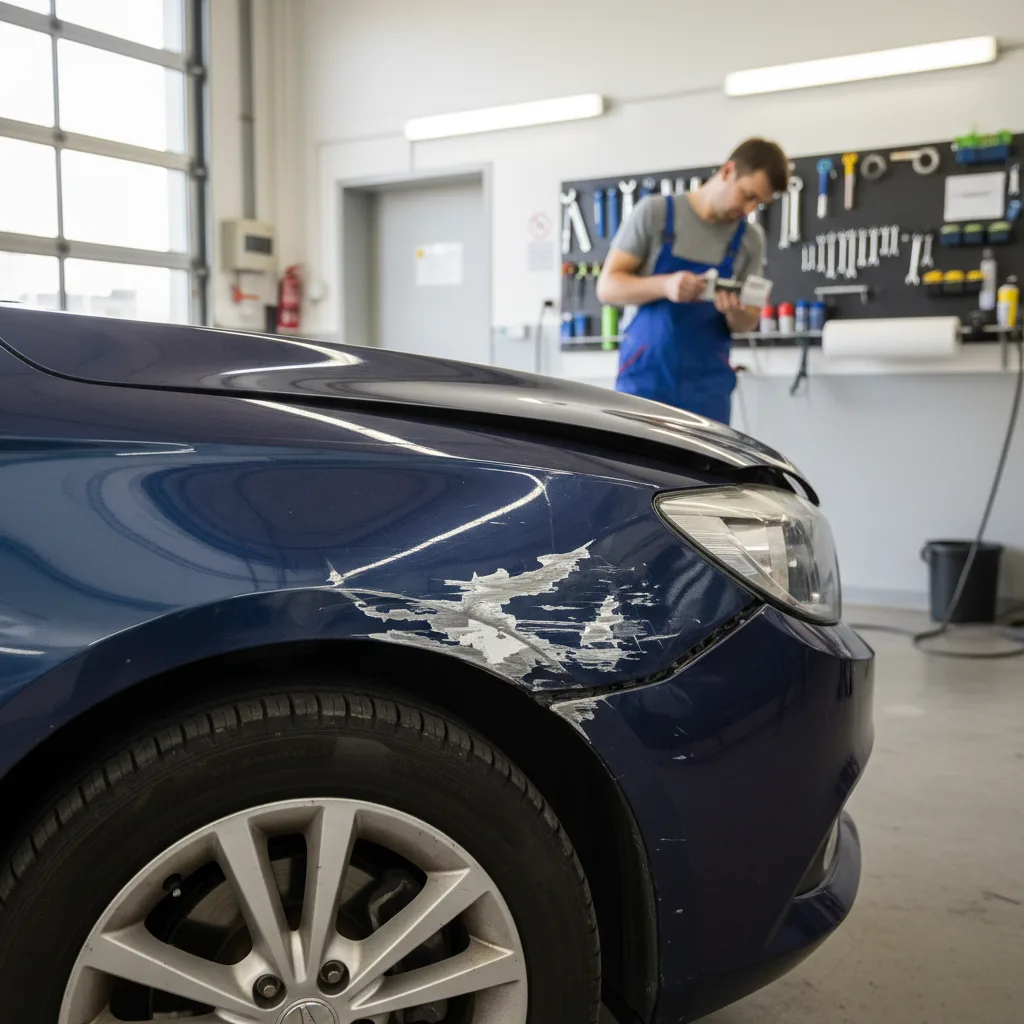
Fender Replacement vs Repair in Phoenix, AZ: Making the Smart Choice for Your Vehicle
Why the Fender Decision Matters: More Than Just Cost
You’re backing out of a parking spot at Desert Ridge Marketplace and hear that familiar crunch. You step out to find a crumpled front fender, scraped paint, and a sinking feeling. The damage doesn’t look catastrophic, but it’s not nothing either. Now you’re faced with a decision that more Phoenix drivers get wrong than you’d expect: do you repair the fender or replace it?
Most people assume this is purely a cost question. It’s not.
The fender replacement vs repair decision touches your vehicle’s resale value, your safety systems, your insurance claim, and how long your car is actually out of service. Getting it wrong in any one of those areas can cost you far more than the original repair bill. A poorly repaired fender with compromised metal structure can throw off your door alignment. A hasty replacement using the wrong parts can leave your paint mismatched in the Phoenix sun, which is notoriously unforgiving on automotive finishes.
There’s a common piece of advice that goes around: “if the damage looks minor, just get it repaired.” We’d push back on that. Visible surface damage in Phoenix, AZ often hides stress fractures, bent mounting brackets, or proximity to sensors tied to your lane-assist or automatic braking systems. A technician needs to assess the full picture before anyone recommends a path forward.
That’s exactly what we do at Brad’s Deer Valley Collision, where we’ve been evaluating fender damage for Phoenix drivers since 1985. Our comprehensive collision repair services are built around honest assessments, not quick fixes.
Before you decide anything, get a professional opinion. Schedule your free evaluation and let the damage tell the real story.
Assessing Fender Damage: What Technicians Look For
Most drivers look at a dented fender and see one problem. An experienced technician looks at the same fender and sees five. That gap in perspective is exactly why a proper damage assessment matters before anyone commits to fender replacement vs repair.
At Brad’s Deer Valley Collision, our technicians have been doing this since 1985. The evaluation process isn’t a quick glance. It’s a methodical inspection that goes well beyond the visible crease.
Surface Damage vs. Structural Compromise
The first thing we check is whether the fender has absorbed the hit cleanly or transferred force into the surrounding structure. A fender that’s creased but still correctly positioned along the door gap and wheel arch is a candidate for repair. One that’s pushed back even slightly, affecting panel alignment, tells a different story. Misalignment usually means the damage reached something more rigid behind the skin.
Paint condition matters too, but not in the way most people assume. A small area of cracked or chipped paint is manageable. When the paint has fractured across a wide zone, it often signals that the metal underneath was stressed beyond what straightening can reliably fix. Repairs in that condition tend to look fine for six months, then start showing stress lines.
Rust Risk in the Phoenix Climate
Phoenix drivers don’t deal with road salt, but heat and UV exposure create their own problems. Any damage that has broken through the primer layer is a rust risk, even in a dry climate. If there’s already surface oxidation at the damage site, repair gets more complicated. We’ve seen fenders that looked like straightforward dent jobs turn into full replacements once we got the panel off and found rust working underneath the paint.
What a Casual Inspection Misses
Here’s what doesn’t show up without removing the fender entirely: damage to the inner liner, stress to the mounting points, and anything affecting the wheel well structure. We always recommend a hands-on inspection rather than a photo estimate. Photos are useful, but they don’t tell you whether a mounting tab is cracked or a bracket has shifted.
If you’re weighing your options, the best first step is bringing the vehicle in for a direct assessment. You can schedule an evaluation with our team here, or just stop by. Walk-ins are welcome, and the assessment won’t cost you anything.
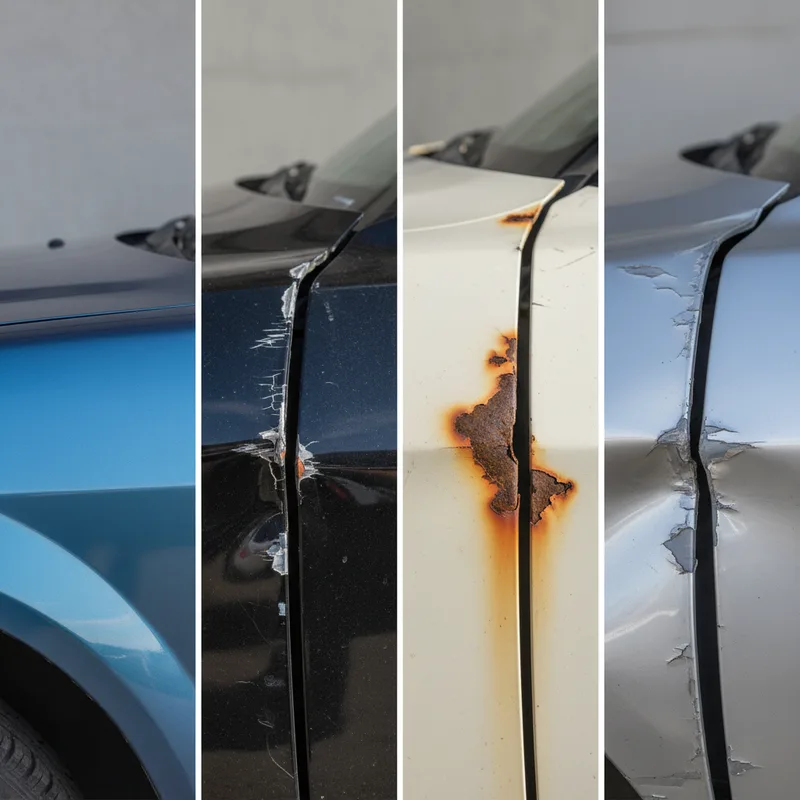
Fender Repair: When It Makes Sense (and When It Doesn’t)
Most fenders that come through our shop don’t need to be replaced. That surprises a lot of drivers, but it’s true. If the damage is caught early and the metal hasn’t been compromised structurally, repair is often the faster, more cost-effective path.
The repair process follows a defined sequence. A technician starts with dent removal, using specialized tools to work the metal back toward its original shape. From there, the surface gets sanded and prepped, a primer coat is applied, and then our painters use precision paint matching technology to blend the new finish with the rest of your vehicle. Done correctly, you can’t tell where the damage was.
Where Repair Has a Clear Advantage
Cost is the obvious one. Fender repair typically runs significantly less than replacement, and the turnaround is faster. For Phoenix drivers dealing with minor collision damage, a parking lot scrape, or a low-speed impact, repair keeps the vehicle’s original panel intact, which matters for resale value and factory fit.
Repair also makes sense when the surrounding components are undamaged and alignment isn’t affected. If the dent is isolated and the metal has good elasticity, a skilled technician can restore the surface without introducing new stress points.
When Repair Becomes a Temporary Fix
Here’s where we’d push back on advice that defaults to “just repair it” as the budget-friendly answer. Repair has limits, and ignoring them costs drivers more in the long run.
Rust is the big one. Phoenix’s dry heat slows surface rust compared to wetter climates, but if moisture has already worked into a crease or an old impact site, repairing over compromised metal won’t hold. The problem returns.
-
Repeated impacts on the same panel reduce the metal’s ability to hold shape after repair
-
Deep creases that have stressed the metal beyond a recoverable point
-
Damage that has spread to the fender’s mounting points or adjacent body lines
In those cases, fender replacement vs repair isn’t really a debate. Repair becomes a patch, not a fix. Our team at Brad’s Deer Valley Collision has been making these calls for Phoenix drivers since 1985, and we’ll tell you honestly which option actually solves the problem. Schedule a free assessment and get a straight answer before committing to anything.
Fender Replacement: Cost, Timeline, and When OEM vs. Aftermarket Matters
Replacement costs vary more than most drivers expect. In Phoenix, AZ, a straightforward fender replacement typically runs between $500 and $1,500 depending on your vehicle make, labor time, and whether you’re using OEM or aftermarket parts. Labor alone usually lands between two and four hours. That said, the parts decision is where things get complicated.
OEM vs. Aftermarket: What Actually Changes
OEM fenders come directly from your vehicle’s manufacturer. They’re built to exact specifications, which means fit, finish, and factory warranty alignment are all preserved. Aftermarket fenders are produced by third-party manufacturers and cost noticeably less, sometimes 30 to 50 percent less. That price gap is real, and we understand why it’s tempting.
Here’s our honest take: aftermarket parts have improved significantly over the past decade, but they’re still not equal across the board. Fit inconsistencies are the most common issue we see. A fender that doesn’t seat correctly creates uneven panel gaps, paint adhesion problems, and drainage issues that Phoenix’s monsoon season can turn into rust problems faster than you’d think. If you’re driving a newer vehicle or one with active safety sensors mounted near the fender, OEM is worth the extra cost.
Older vehicles or those with higher mileage? A quality aftermarket fender from a reputable supplier is a reasonable choice. Just make sure your shop provides documentation on where the part came from. No written answer to that question is a red flag.
Timeline Expectations and What Can Slow Things Down
Parts availability is the biggest variable in Phoenix right now. OEM fenders for domestic vehicles are usually available within a few days. Imported or luxury vehicle parts can stretch the timeline to a week or more. A realistic turnaround for a full fender replacement, including paint matching and reassembly, is three to five business days.
Rushed installation is one of the more damaging mistakes we see at other shops. Skipping proper alignment checks after installation affects how adjacent panels close and seal. Our full collision repair process at Brad’s Deer Valley Collision includes post-installation checks as standard, not optional.
Want to know which option fits your specific vehicle and damage? Contact us for a written estimate and a straight answer.
The Hidden Costs and Risks: Frame Damage and Safety System Recalibration
Fender damage rarely travels alone. In fifteen years of watching technicians pull apart collision repairs gone wrong, the pattern is consistent: a driver brings in what looks like a straightforward fender job, and somewhere beneath the crumpled sheet metal sits a bent apron rail, a shifted strut tower, or a sensor that’s been knocked three degrees off its calibrated angle.
That’s the part most drivers don’t see coming.
Frame damage can hide directly behind fender damage, especially in front-corner impacts. The fender absorbs the visible hit, but the underlying structure takes the real load. If a technician skips the structural assessment and focuses only on the cosmetic layer, the car leaves the shop looking repaired while handling poorly and measuring out of spec. Alignment problems follow. Tire wear accelerates. And in a serious secondary collision, a compromised frame doesn’t absorb energy the way it should.
Why Safety System Recalibration Gets Skipped
Modern vehicles add another layer of risk that many Phoenix, AZ shops aren’t equipped to address. Radar sensors, forward-facing cameras, and lane-departure systems are often mounted near the front fenders and bumpers. A fender replacement, even a clean one, can shift those components enough to throw off calibration. The system still functions. The dashboard shows no warning. But the automatic braking trigger point is now off, or the lane assist starts pulling slightly left.
Plenty of shops skip recalibration because it takes time and requires specialized equipment. Frankly, that’s a corner being cut at the customer’s expense.
At Brad’s Deer Valley Collision, every assessment includes a structural check and a review of affected safety systems. We’ve been doing this work in Phoenix since 1985, and the full scope of our repair process reflects what proper collision work actually requires. When you’re weighing fender replacement vs repair, hidden structural and sensor risks should factor into that decision every time.
The cheapest estimate rarely accounts for any of this.
Repair vs. Replacement: Side-by-Side Comparison for Phoenix Drivers
All the detail in the world doesn’t help if you can’t see the trade-offs clearly. Here’s a direct look at how fender replacement vs repair stacks up across the factors that actually matter to Phoenix, AZ drivers.
Factor Repair Replacement Cost $150–$500 typical range $500–$1,500+ depending on parts Timeline 1–2 days in most cases 3–5 days, longer if parts are backordered Durability Strong when metal isn’t compromised Full structural integrity restored Paint Matching Blending required; results vary by shop quality Full panel repaint gives cleaner result Warranty Depends on shop; ask upfront OEM parts often carry manufacturer warranty Resale Value Good if repair is seamless Better on newer vehicles with clean records
Repair wins on cost and speed. Replacement wins on structural certainty and long-term finish quality. A lot of advice online pushes replacement as the “safer” choice, but that’s not always true. On a 10-year-old commuter vehicle with minor creasing, a quality repair often delivers better value than a new aftermarket panel that fits poorly.
The right call depends on your vehicle’s age, the damage severity, and your priorities. Our team at Brad’s Deer Valley Collision has been helping Phoenix drivers work through exactly this decision since 1985. Check our customer reviews or reach out directly to get a written estimate and honest recommendation.
Your Insurance Claim and Choosing Your Phoenix Body Shop
Insurance adjusters lean toward repair over replacement more often than drivers realize. That’s not always the wrong call, but it’s driven by cost control, not necessarily what’s best for your specific vehicle. Knowing how to advocate for yourself during the claims process changes the outcome.
Your adjuster will assess the damage and generate an estimate, but that estimate isn’t final. If a technician finds additional damage during the repair, the shop works directly with your insurer to supplement the claim. This is standard practice, and a shop with experience handling insurance work knows how to document and submit those findings correctly.
One thing most drivers don’t know: you have the legal right to choose your own repair shop in Arizona, regardless of what your insurance company recommends. Insurers may push preferred vendors or direct repair programs, but the choice is yours. Don’t let a claims rep steer you somewhere you didn’t pick.
Before dropping your car off anywhere, photograph every angle of the existing damage. Remove your valuables. Get the repair scope in writing, including whether OEM or aftermarket parts will be used. Ask about the warranty.
At Brad’s Deer Valley Collision, we’ve worked directly with insurance companies since 1985. Our team handles documentation, supplements, and adjuster communication so you’re not stuck in the middle. Phoenix drivers from Scottsdale to Tempe trust us because we’ve earned that over decades, not because of a marketing pitch.
If you’re sorting through the fender replacement vs repair decision and want a straight answer, contact us for a written estimate. Walk-ins welcome. See what our customers say, then decide for yourself.
Frequently Asked Questions
How do I know if my fender should be repaired or replaced?
The honest answer is that you really need a professional set of eyes on it. Shallow dents with no paint cracking or rust often qualify for repair, which is the more affordable route. But if you’re dealing with deep creases, structural misalignment, rust, or damage from multiple impacts, replacement is usually the smarter call.
At Brad’s Deer Valley Collision, our technicians inspect frame integrity, paint condition, and safety system alignment before making any recommendation. We’re not going to push you toward the more expensive option if repair gets the job done right. Stop by our shop in Phoenix, AZ, USA and we’ll give you a straight answer.
What’s the typical cost difference between fender repair and replacement in Phoenix?
For fender replacement vs repair in Phoenix, AZ, USA, repair typically runs somewhere between $300 and $1,000. Replacement can range from $800 to $2,500 or more, depending on whether you go with OEM or aftermarket parts. Labor and paint matching factor into both, and hidden frame damage can push costs higher on either side.
That’s why we always provide a written estimate before any work begins. No surprises, no vague ballparks. You’ll know exactly what you’re paying for and why.
Will my insurance company pay for a replacement if repair is possible?
Insurance adjusters tend to favor repair when it’s safe and cost-effective, which is understandable from their side. But you do have the right to choose your own body shop, and you can push back if you believe replacement is the better option for your vehicle.
Brad’s Deer Valley Collision works directly with insurance companies and advocates for what’s actually best for your car. We’ve handled plenty of fender replacement vs repair disputes with insurers and we know how to make the case when the damage justifies replacement. We’re here to help you through that process.
Why does paint matching matter so much in a fender replacement?
Your vehicle’s paint fades and oxidizes naturally over time, so a fresh coat of paint on a new fender can look noticeably off if it’s not matched carefully. You’d end up with a two-tone look that’s obvious in sunlight, and that’s not a result anyone wants.
At Brad’s, we use advanced paint matching technology and our painters are certified to handle precise color blending. Whether you drive into our Phoenix, AZ, USA shop with a newer vehicle or an older one with years of sun exposure, we make sure the replacement fender looks like it was never touched.
What hidden damage should I worry about if I only see a dent in my fender?
A dent that looks minor on the surface can be covering up a lot more. Frame creasing, bent suspension components, misaligned safety sensors, and rust hiding under the paint are all things we see regularly in fender replacement vs repair inspections here in Phoenix, AZ, USA.
Skipping a thorough inspection is one of the most costly mistakes a car owner can make. You might save a little up front, but you’ll pay for it later in repairs or compromised vehicle safety. Our technicians at Brad’s Deer Valley Collision do a comprehensive check before we recommend anything, so you know the full picture.
Get Your Fender Repaired Right Here in Phoenix, AZ, USA
If your fender is damaged and you’re not sure whether to repair or replace it, stop by Brad’s Deer Valley Collision for a free damage assessment. We’ve been helping Phoenix drivers make smart, confident decisions since 1985, and we work directly with your insurance company so you’re never stuck guessing about costs or coverage. You’ll get a clear, written estimate from certified technicians who’ll walk you through every option.
Call us today or visit our Phoenix body shop, and see what our customers are saying on Google before you come in. We’re ready to help.