Car Paint Job Cost in Phoenix, AZ: Understanding Professional Repainting Expenses
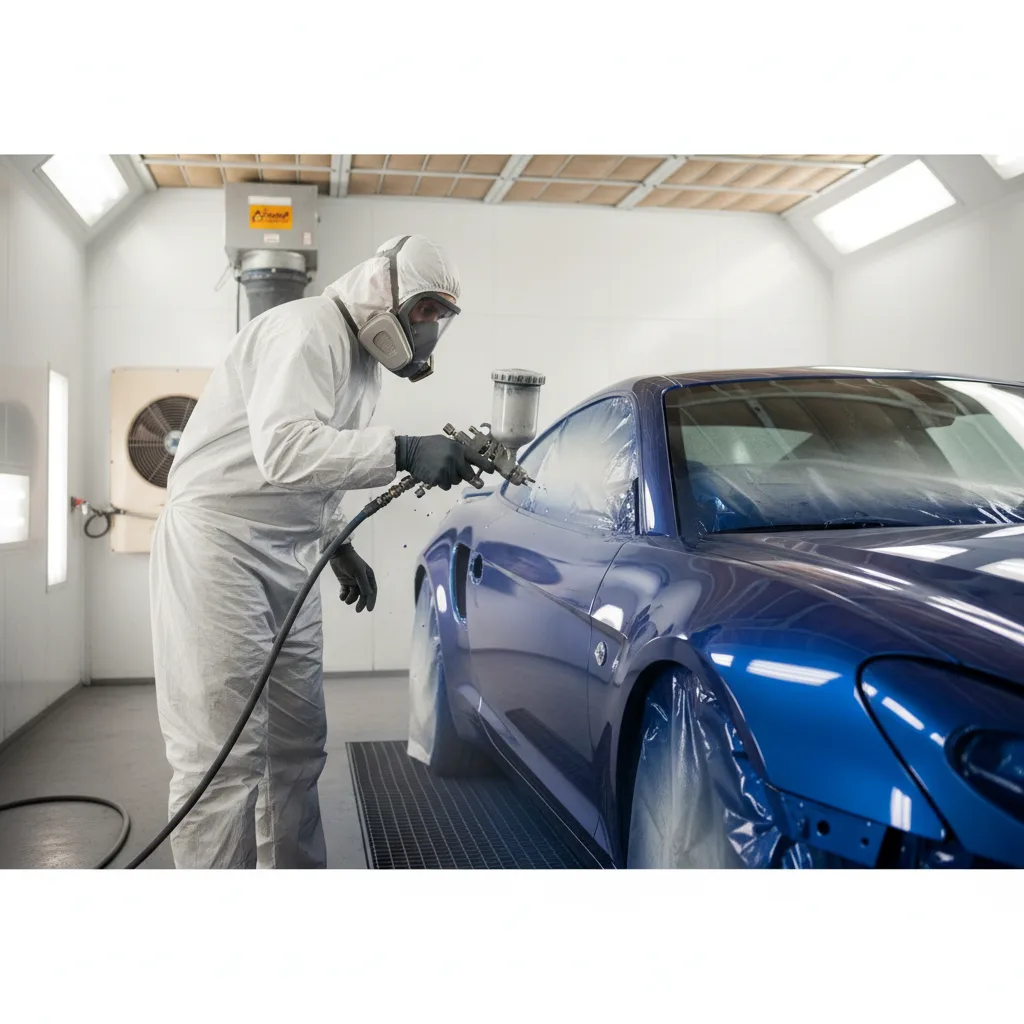
Car Paint Job Cost in Phoenix, AZ: Understanding Professional Repainting Expenses
What Influences Car Paint Job Costs in Phoenix
Your car came back from a week parked at Desert Ridge Marketplace with a deep door scratch from a careless neighbor, and now you’re staring at bare metal. You need a professional repaint on that panel, and you want to know what it’s actually going to cost before you call anyone. That’s a fair question, and the answer depends on more variables than most people expect.
Car paint job cost in Phoenix, AZ isn’t a single number. It’s a calculation built from several layered factors, and understanding those factors will keep you from getting surprised when you see a quote.
Vehicle Size
Bigger vehicles need more material and more time. A full repaint on a compact sedan and a full-size pickup truck aren’t close to the same job. Labor hours increase, paint volume increases, and masking time increases. Size alone can push a quote significantly higher before any other variable even enters the picture.
Paint Type and Finish
Standard single-stage paint costs less than a multi-stage basecoat and clearcoat system. Specialty finishes, like metallic, pearl, or matte, require more skill and more product. Many people assume all car paint is roughly the same price. It isn’t. The finish you choose, or the finish your vehicle already has, directly shapes what the job will cost.
Extent of Existing Damage
Surface prep is where a lot of shops quietly cut corners, and it’s also where costs legitimately vary. If your vehicle has oxidation, rust spots, or old body filler that needs stripping, that work has to happen before a single coat goes on. Skipping it produces a poor result. A quality shop in Phoenix will price that prep work honestly.
Labor and Shop Overhead
Certified technicians cost more per hour than uncertified ones. That’s not a flaw in the pricing; it’s a reflection of real expertise. A shop with I-CAR and ASE credentials, like the team at Brad’s Deer Valley Collision, carries overhead that directly benefits your vehicle’s outcome. Shops with no certifications and rock-bottom rates are rarely a bargain over the long run.
One opinion worth sharing here: the common advice to always pick the lowest estimate is genuinely bad guidance for paint work. A low bid usually means shortcuts somewhere, and paint quality problems show up months after you’ve already paid.
Getting a clear picture of these variables before you request a quote puts you in a much stronger position. You can reach out to our Phoenix shop for a straightforward written estimate, or stop by and talk through your vehicle’s specific needs in person.
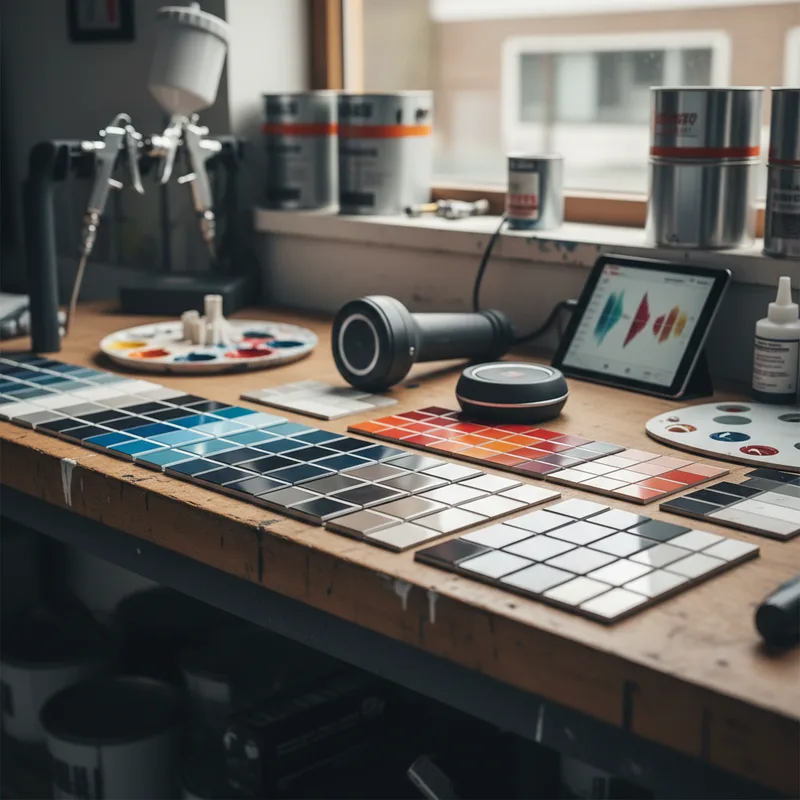
Paint Type and Quality Tiers: Basecoat, Clearcoat, and Premium Finishes
Paint quality is one of the biggest variables in any car paint job cost estimate, and it’s an area where cutting corners tends to show up fast in Phoenix’s climate.
The Valley’s intense UV exposure and triple-digit summers are genuinely harder on automotive finishes than most parts of the country. The paint system your shop uses isn’t just an aesthetic choice. It directly affects how long the repair holds up.
Single-Stage Paint
Single-stage systems combine color and protective coating into one product. They’re the most affordable option, and they were the industry standard for decades. You’ll still see them used on older vehicles and basic fleet work. Honestly, for a 2003 pickup truck with 200,000 miles, single-stage might be perfectly appropriate. But for anything newer, it typically falls short on gloss depth and UV resistance.
Basecoat-Clearcoat Systems
This is the current standard for virtually every vehicle manufactured in the last 30 years. The basecoat carries the color. The clearcoat on top provides gloss and protects against oxidation, chips, and UV damage. When a shop repairs a panel, matching this two-layer system correctly is what makes the repair invisible. Poor prep or a mismatched clear is usually why repainted panels look slightly “off” next to factory panels.
Matching the existing clearcoat sheen matters as much as matching the color. A lot of customers don’t realize that until they see a mismatched repair in direct sunlight.
Premium and OEM-Grade Finishes
Premium paint systems use higher-solids formulations, better pigment quality, and in some cases, tri-coat or pearl applications that require additional spray stages. These cost more in both materials and labor time, but the color accuracy and longevity are noticeably better. Luxury vehicles, late-model cars, and specialty colors almost always need this tier to achieve a proper factory match.
At Brad’s Deer Valley Collision, we use professional-grade paint systems with precise color-matching technology. We’ve been doing this since 1985, and one thing that experience teaches you is that cheap paint costs more over time. You can contact us to discuss which paint system makes sense for your specific vehicle and budget before you commit to anything.
Vehicle Size and Damage Scope: How Scope Affects Your Quote
Every estimator in this business has seen the same look on a customer’s face when a single-panel quote comes back higher than expected. The surprise usually comes from underestimating how much prep work a damaged panel actually needs before a brush of paint ever touches it.
Scope drives cost more than most people realize.
A compact sedan with a scuffed rear bumper is a very different job than a full-size truck needing a complete repaint after years of sun damage on every panel. The surface area alone changes material usage, booth time, and labor hours significantly. A bumper repair on a small car might run a few hundred dollars. A full repaint on a large SUV or pickup can push well past two thousand dollars, and that’s before any structural or corrosion issues enter the picture.
How Damage Depth Changes the Work
Surface scratches that haven’t broken through the clearcoat are relatively straightforward. Deep scratches, chips that reach bare metal, or panels with rust starting underneath the paint require additional steps: sanding, priming, rust treatment if necessary, and multiple cure cycles before the color coat goes on. Skipping those steps is one of the most common shortcuts cheaper shops take, and it’s the reason a “budget” paint job can start peeling within a year in Phoenix’s heat.
Honestly, the advice to always get three competing bids is good in theory, but a low bid that leaves prep work out of the estimate isn’t saving you money. It’s deferring a bigger expense.
At Brad’s Deer Valley Collision, every quote accounts for the full scope of prep, not just the paint itself. Our team has been doing this since 1985, and proper surface preparation is never negotiable.
If you’re trying to budget your car paint job cost in Phoenix, AZ, start by honestly assessing how many panels are involved and how deep the damage actually goes. That assessment will do more for your estimate accuracy than any online price guide.
Labor Costs, Shop Certifications, and Why Expertise Matters
Labor is where most Phoenix paint estimates diverge the most. Two shops can quote the same job using the same paint brand and still come back $600 apart. That gap almost always traces back to technician training, shop overhead, and the amount of prep work built into the quote.
Hourly body shop labor rates in Phoenix typically range from $65 to $130 per hour, depending on the facility. Certified shops on the higher end of that range aren’t padding the bill. They’re pricing in the actual time required to do the job correctly, which includes surface cleaning, sanding, masking, priming, and color matching before a single drop of paint is sprayed.
What Certifications Actually Tell You
Certifications like I-CAR and ASE training aren’t just wall decorations. They indicate that technicians have completed structured training on current repair methods, materials, and safety systems. This matters more in paint work than many customers realize. A painter who understands how Phoenix’s UV intensity affects clearcoat adhesion and cure time is going to produce a finish that holds up. One who doesn’t may deliver a job that looks fine in the bay but starts peeling within a year.
Honestly, the common advice to “always get three estimates and pick the middle one” isn’t always sound. A low-middle quote from an uncertified shop can still reflect skipped prep steps. The estimate itself won’t tell you that. You need to ask directly what surface preparation is included and whether the shop offers a written warranty on paint work. Brad’s Deer Valley Collision has operated in Phoenix since 1985, and in that time the pattern has been consistent: jobs that skip proper primer adhesion or rush the sanding stage come back as costly do-overs.
What Cheap Labor Costs You Later
Skimping on labor directly affects car paint job cost over the long run. Poor surface prep leads to bubbling. Rushed color matching leads to mismatched panels that show clearly in direct sunlight. No warranty means you absorb the full cost of any failures.
A shop’s certifications, customer reviews, and willingness to provide a detailed written estimate are the clearest signals of whether their labor rate reflects real quality or just inflated overhead. Don’t skip that vetting step. Stop by or reach out to us and we’ll walk you through exactly what your estimate covers, line by line.
Common Pricing Mistakes and What to Avoid
The lowest bid rarely holds up once the job is finished. That’s a pattern every experienced estimator in Phoenix recognizes, and it’s the single most consistent source of customer regret in this industry.
A suspiciously low car paint job cost quote almost always means something got cut. The question is what. In most cases, it’s surface preparation. Proper prep, including sanding, priming, and masking, can account for nearly half the labor hours in a quality repaint. Skip it, and the new finish will peel, bubble, or fade within a year, especially under Phoenix’s UV load.
Here are the red flags worth watching for before you sign anything:
-
No written estimate. Verbal quotes aren’t binding and leave you exposed to unexpected charges at pickup.
-
Vague scope language. Phrases like “full repaint” or “panel repair” mean nothing without specifics on prep steps, primer type, and coat count.
-
No warranty offered. A shop confident in its work backs it in writing. No warranty is a clear signal about expected results.
-
Unusually fast turnaround promises. Rushing paint work skips dry time between coats. That shortcut shows up later.
One opinion worth stating plainly: getting three estimates is good advice, but comparing them only on price is not. You need to compare what each estimate actually includes. Our customer reviews reflect what happens when prep and process are taken seriously, and you can read those before you visit. Check BBB ratings for any Phoenix shop you’re considering.
Getting an Accurate Paint Job Estimate in Phoenix
Get at least three written estimates. That’s the most reliable starting point before committing to any car paint job cost in Phoenix, and it’s advice most shops will agree on. What they won’t always tell you is that comparing estimates line by line matters more than comparing the totals.
When you visit a shop, ask for an itemized breakdown. You want to see labor hours listed separately from materials, and surface prep called out as its own line item. If a shop hands you a single-number quote with no detail behind it, that’s a problem before work even starts.
Questions Worth Asking Every Shop
-
Are you using OEM paint codes or generic-brand materials?
-
What’s included in surface prep, and how many coats are you applying?
-
Do you offer a written warranty, and what does it actually cover?
-
What’s the realistic turnaround time for this specific job?
-
Are your technicians I-CAR or ASE certified?
Turnaround in Phoenix shops typically runs three to seven business days for panel repaints and one to two weeks for full vehicle work, depending on shop volume and current wait. Summer months tend to back things up. If a shop quotes you a same-day or next-day finish on a full repaint, be skeptical. Rushed dry times in a high-heat environment often produce adhesion problems that show up months later.
Insurance Claims and OEM Considerations
If an insurance claim is involved, remember that you have the right to choose your own shop regardless of what your insurer recommends. Insurers may push preferred vendors, but that’s their preference, not a requirement. A good shop will work directly with your insurance company and handle the documentation. Brad’s Deer Valley Collision does exactly that, which removes a lot of back-and-forth from your plate.
On OEM versus aftermarket paint materials: OEM-matched products are worth the added cost on newer or higher-value vehicles. The color accuracy difference is real, especially on metallic and pearl finishes common on vehicles parked under Phoenix’s unforgiving sun.
Before dropping off your car, photograph every inch of existing damage. Remove valuables. And verify the warranty terms in writing before you sign anything.
If you want a straightforward, itemized estimate from a shop that’s been doing this work in Phoenix since 1985, contact Brad’s Deer Valley Collision or stop by. Walk-ins are welcome, and you’ll talk to someone who actually knows the work.
Why Brad’s Deer Valley Collision Delivers Value Without Compromising Quality
Shops that have been around long enough stop trying to win every job on price. That’s a lesson learned early, and it shapes every estimate we write.
Brad’s Deer Valley Collision has operated in Phoenix since 1985. That’s four decades of working through climate conditions that punish cheap paint, technology shifts that changed how body work gets done, and customer expectations that keep rising. Longevity in this market isn’t accidental. It comes from doing the job right the first time and standing behind the results.
Our certified technicians carry I-CAR and ASE credentials, which matter more than most customers realize when evaluating car paint job cost in Phoenix. Certified shops invest in training, updated equipment, and repair standards that protect your vehicle’s structural integrity and finish quality. That investment shows up in the work, not just on a wall plaque.
One area where we separate ourselves is ADAS recalibration. Most smaller shops don’t have this capability. If your vehicle has lane-keeping assist, automatic emergency braking, or adaptive cruise control, those systems require recalibration after significant body or paint work. Skipping that step creates a safety problem, regardless of how clean the paint looks.
Precise paint matching is another area where our technology investment protects you. Phoenix light conditions are unforgiving on mismatched panels. Our paint matching process accounts for your vehicle’s specific color code, existing fade, and finish texture so the repaired area blends correctly.
Every job comes with a strong written warranty. That’s not a promotional add-on. It’s a commitment we put in writing because we’re confident in the work.
Read what Phoenix customers say about their experience with us. The feedback is consistent: transparent estimates, clear communication, and finished work that holds up.
Whether you’re dealing with a single scratched panel or a full repaint, contact us to schedule your estimate. Walk-ins are welcome, and our team is ready to give you an honest assessment backed by everything we’ve built since 1985. See our full range of services and find out why Phoenix drivers keep coming back.
Frequently Asked Questions
How much does a full car repaint cost in Phoenix?
A full car repaint in Phoenix, AZ, USA typically runs anywhere from $2,500 to $10,000 or more. The final car paint job cost depends on your vehicle’s size, the quality of paint system used, how much prep work the surface needs, and whether there’s existing damage to address. Economy finishes sit at the lower end, while premium multi-layer systems with advanced color matching push the price up. We always recommend getting written estimates from two or three certified shops so you can compare apples to apples.
What’s the difference between a single-stage and basecoat-clearcoat paint job?
Single-stage paint combines the color and protective finish into one layer. It costs less upfront, but it doesn’t hold up as well over time. Basecoat-clearcoat systems apply the color first and then add a separate clear protective layer on top. You get better gloss, stronger UV resistance, and a finish that lasts longer. Most vehicles built in the last few decades are designed for basecoat-clearcoat, so that’s what we use on the majority of jobs we handle here in Phoenix.
Does insurance cover car paint jobs after an accident?
If your vehicle was damaged in a collision or by something like hail or a fallen object, your collision or comprehensive coverage will typically pay for the paint repairs. At Brad’s Deer Valley Collision, we work directly with insurance companies and participate in direct repair programs. That means we handle the documentation, photos, and estimates on your behalf so you don’t have to go back and forth with your insurer. Stop by the shop and we can walk you through the process from start to finish.
How long does a professional paint job take?
It depends on how much work your vehicle needs. A minor spot repair usually takes one to three days. A full repaint generally runs five to seven business days once you factor in surface prep, painting, and proper cure time. Rushing that process can hurt the final result, so we don’t cut corners there. At Brad’s Deer Valley Collision, we give you a clear timeline upfront and we’ve got loaner car options available so you’re not stuck without transportation while we work on your vehicle.
Should I choose OEM or aftermarket paint for my vehicle?
OEM paint comes straight from the original manufacturer, so the color match is exact and the quality meets factory standards. The tradeoff is that it typically costs more. Aftermarket paint can be just as good and is quality-certified, but getting a perfect match requires the right technology. At Brad’s Deer Valley Collision, we use precision color-matching equipment regardless of which route you go, so the finished result looks seamless. We’re happy to talk through your options when you come in for an estimate on your car paint job cost in Phoenix, AZ, USA.
Get Your Free Paint Estimate at Brad’s Deer Valley Collision in Phoenix, AZ, USA
If your vehicle needs auto body painting and you want honest answers from people who actually know what they’re doing, stop by and see us. We’ve been serving Phoenix drivers for 40+ years, and we’ll walk you through your estimate line by line so you know exactly what you’re paying for and why. Check out what our customers are saying on Google and then give us a call or visit our shop today for a free, detailed written estimate from our certified technicians.
Call Brad’s Deer Valley Collision now or come in and let’s get your car looking right again.