
Rear Bumper Repair in Phoenix, AZ: Cost Assessment and Repair Solutions
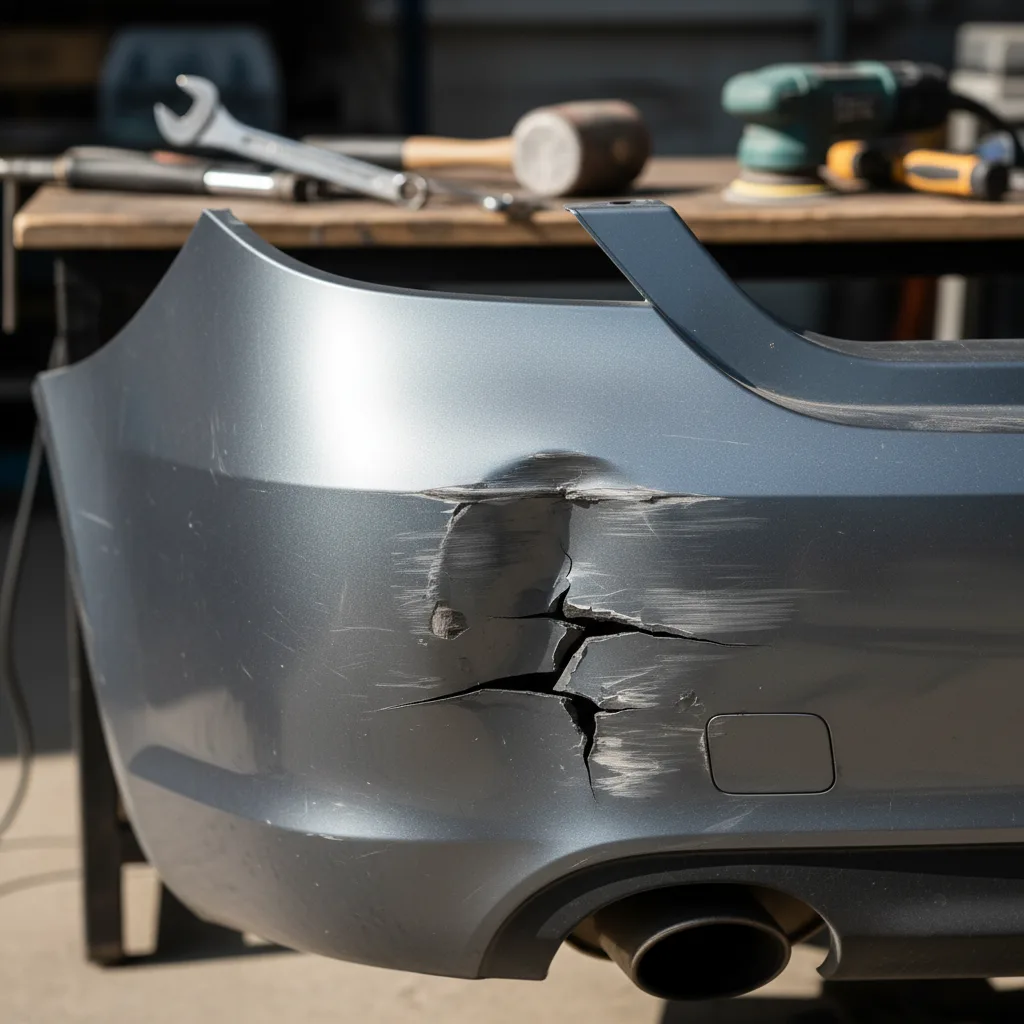
Rear Bumper Repair in Phoenix, AZ: Cost Assessment and Repair Solutions
Why Rear Bumper Damage Happens More Often Than You Think
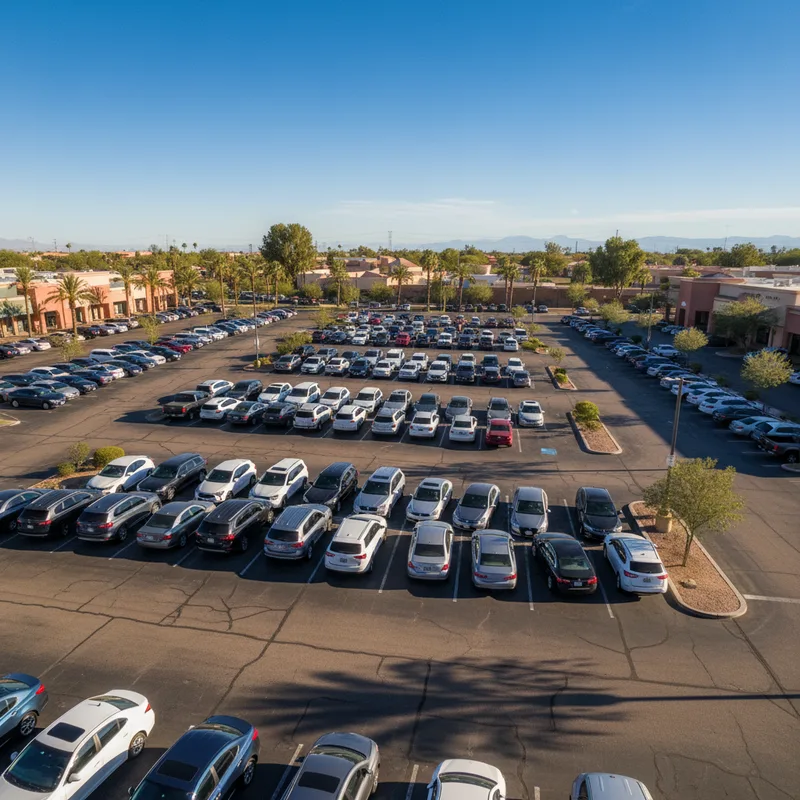
You pull into a parking spot at Desert Ridge Marketplace, grab your bags, and come back to find a fresh crack across your rear bumper. No note. No witness. Just damage you didn’t have an hour ago. It happens constantly in Phoenix, and most drivers are genuinely surprised by how quickly it adds up.
Rear bumpers take more punishment than any other panel on your vehicle. That’s not an opinion; it’s just geometry. The rear of your car is what other drivers see last before they brake, and sometimes they brake too late.
Phoenix Traffic Patterns That Put Your Bumper at Risk
Phoenix has some specific conditions that make rear bumper damage more common here than in many other cities. The metro area’s heavy reliance on surface streets, combined with aggressive growth in neighborhoods near Camelback Mountain and South Mountain Park, means more vehicles competing for the same parking lots and intersections every year.
Low-speed parking lot impacts are the leading cause we see at our shop. They’re easy to underestimate. A 5 mph tap from an SUV can crack a modern plastic bumper cover, compress the foam absorber underneath, and even deform the steel reinforcement bar behind it, all without leaving obvious external evidence.
Highway incidents are a different story. Rear-end collisions on the I-17 or Loop 101 introduce enough force to damage structural components that most drivers never think about, including the bumper’s mounting brackets and the vehicle’s rear frame rails.
Here’s a professional opinion that runs counter to what a lot of people assume: a bumper that looks fine after a collision often isn’t. The outer cover is designed to flex and return to shape at low speeds, which can hide damage to the energy absorber and reinforcement bar underneath. Skipping a proper inspection after any rear-end impact is one of the most common mistakes Phoenix drivers make.
If your vehicle took a hit recently, a written assessment from a qualified shop matters more than a quick visual check in your driveway. Our team at Brad’s Deer Valley Collision handles rear bumper repair evaluations for Phoenix drivers every day, and we’re happy to take a look before you make any decisions.
Types of Rear Bumper Damage and What Each Costs to Fix
Not all bumper damage is the same, and the cost difference between damage types can be significant. Before you get an estimate, it helps to understand what category your damage falls into so you’re not walking in blind.
Cosmetic Scratches and Paint Damage
This is the most common scenario. A shopping cart, a low-speed tap in a parking lot, or road debris leaves surface-level marks on the bumper cover without affecting the structure underneath. In Phoenix, this type of damage shows up constantly on daily drivers, especially vehicles that spend time at high-traffic retail areas.
Repair cost typically runs $150 to $400, depending on how much surface area is affected and whether blending into adjacent panels is required. A lot of shops will quote this low and then add on color-matching fees separately. Ask upfront.
Dents and Soft Impact Damage
A low-speed rear collision can push the bumper cover inward without cracking it. These dents are often repairable through heat reshaping and filler work. Cost usually falls in the $250 to $600 range. That said, repair feasibility depends heavily on the bumper material and how the plastic has aged. Phoenix heat accelerates plastic brittleness, so a dent that might flex back on a newer vehicle can crack during repair on an older one.
Cracks and Structural Fractures
A crack means the bumper cover has been breached. Depending on size and location, crack repair is possible, but there’s a point where repair costs more labor than replacement justifies. Crack repair can run $300 to $700. Replacement of the cover itself typically starts around $500 and can reach $1,200 or more once parts, labor, and painting are factored in.
Damage Involving the Bumper Reinforcement Bar or Frame
This is where costs jump. Behind the plastic cover sits a reinforcement bar, and behind that is the vehicle frame. An impact that looks minor on the surface can transfer energy to both. Reinforcement bar replacement adds $200 to $500 to the job. Frame involvement pushes total repair costs well above $1,500 and requires proper alignment work afterward.
Here’s a professional opinion worth sharing: most drivers underestimate how often frame damage hides behind a clean-looking bumper cover. Skipping a proper inspection to save time is one of the most common mistakes we see, and it creates bigger problems down the road. At Brad’s Deer Valley Collision, every rear bumper repair assessment includes a look at what’s behind the cover, not just what’s visible from the outside.
Knowing your damage category makes the estimate process faster and helps you spot whether a quote is realistic or suspiciously low.
Repair vs. Replacement: When to Choose Each Option
Most drivers assume replacement is always the safer bet. In practice, that’s not true, and shops that push replacement on every job aren’t doing you any favors.
The right call depends on a few specific factors. At Brad’s Deer Valley Collision, we’ve been working through this decision since 1985, and the answer isn’t always obvious from a quick visual inspection. Here’s how we actually think about it.
When Repair Makes Sense
Repair is usually the right move when the damage is limited to the outer cover and the bumper’s structural foam or reinforcement bar is intact. Cosmetic cracks, surface scratches, minor dents, and small stress fractures can often be restored to like-new condition without touching the underlying structure.
-
Shallow cracks or splits in the plastic cover respond well to professional plastic welding and filler work.
-
Paint damage without structural compromise is almost always a repair candidate.
-
Minor dents on newer bumpers with no paint cracking can frequently be reshaped and refinished.
Repair also costs significantly less. On most vehicles in Phoenix, AZ, a quality rear bumper repair runs $150 to $500 depending on the damage type. That’s a meaningful difference if you’re paying out of pocket.
When Replacement Is the Better Call
Replacement becomes necessary when the impact has compromised the bumper’s ability to absorb energy in a future collision. A bumper that looks rough but still functions is one thing; a bumper with cracked foam, a bent reinforcement bar, or broken mounting tabs is a safety issue, not just a cosmetic one.
-
Shattered or deeply fragmented covers can’t be structurally restored to meet safety standards.
-
Damage to the foam absorber or steel reinforcement requires full disassembly regardless, making repair costs approach replacement costs anyway.
-
Older vehicles with brittle plastic often don’t hold repairs well long-term.
One factor Phoenix drivers often overlook is vehicle age relative to repair cost. Spending $400 repairing a bumper on a high-mileage vehicle with questionable resale value may not make financial sense. We’ll tell you that honestly, even if repair is what you came in hoping to hear.
If you’re not sure which category your damage falls into, the most useful thing you can do is get a written estimate that explains why repair or replacement is being recommended. A shop that can’t explain the reasoning clearly is a shop worth walking away from. Contact us to schedule an assessment, or stop by the shop directly for a straightforward look at your options.
The Hidden Costs Most Phoenix Drivers Miss
The bumper price is just the starting point. What catches most Phoenix drivers off guard isn’t the repair itself. It’s everything that gets uncovered once a technician actually gets eyes on the damage.
Rear bumper repair in Phoenix, AZ involves more than swapping out a plastic cover. Here’s what tends to add to the final bill when drivers aren’t expecting it.
Sensor and Camera Damage
Most vehicles built after 2015 have parking sensors, backup cameras, or both embedded directly into the rear bumper. A collision hard enough to crack the bumper cover is usually hard enough to knock those components out of alignment or break them entirely. Replacing a single parking sensor can run $150 to $400 depending on the vehicle. A backup camera module often costs more. We check every one of these during our initial assessment because missing them creates liability problems down the road, not just inconvenience.
ADAS Recalibration
This is the cost most shops don’t mention upfront. If your vehicle has advanced driver assistance systems like automatic emergency braking or blind-spot monitoring, those systems require recalibration after rear bumper work. Skipping it isn’t just sloppy. It’s dangerous. Recalibration can add $200 to $500 to a job, but it’s not optional on vehicles equipped with these systems.
Frame Misalignment
Low-speed rear impacts can push the rear bumper’s mounting structure slightly out of position without looking dramatic. Left uncorrected, that misalignment affects trunk fitment, causes uneven tire wear, and creates long-term handling problems. Our team uses a thorough structural check on every vehicle that comes through, because a quick visual inspection won’t catch it.
Paint Prep Labor
Proper paint matching takes time. Surface prep, primer coats, color blending across adjacent panels, and clear coat application all add labor hours that don’t show up in a surface-level estimate. Shops that quote unusually low numbers are almost always cutting corners here.
A complete written estimate eliminates these surprises. Contact us to schedule a thorough assessment before you commit to any repair plan.
How Insurance Coverage Affects Your Out-of-Pocket Costs
Most drivers find out how their policy actually works at the worst possible moment — standing in a parking lot with a cracked bumper. Understanding the basics before that happens saves real money.
Two coverage types apply to rear bumper repair in Phoenix, AZ. Collision coverage applies when your vehicle hits another car or object. Comprehensive coverage handles non-collision events like vandalism, falling objects, or weather damage. If someone backed into your parked car and left, that’s a collision claim on your policy — unless you have uninsured motorist property damage coverage, which can shift the cost to the at-fault driver’s insurer.
Your deductible is the first variable. If the repair estimate comes in at $800 and your deductible is $500, you’re paying $500 regardless. For minor damage, filing a claim sometimes costs more than it saves once you factor in a potential rate increase. That’s a calculation worth making before you call your insurer.
Here’s something many Phoenix drivers don’t know: you have the legal right to choose your own repair shop. Your insurer may recommend a preferred shop. You don’t have to go there. Arizona law protects your right to select any licensed facility, and a shop working under insurer pressure to cut costs isn’t always working in your interest.
At Brad’s Deer Valley Collision, we work directly with insurance companies and handle the documentation on your behalf. That process is something we’ve refined over 40 years in Phoenix.
Before filing, photograph all existing damage and get a written estimate. The Arizona Department of Insurance also provides guidance on your rights throughout the claims process if a dispute arises.
What to Expect During a Professional Rear Bumper Repair
The process matters as much as the result. A lot of shops rush through rear bumper repair to turn cars around fast, and that’s exactly where quality breaks down. Here’s how a thorough job actually looks from start to finish.
Step 1: Damage Assessment
Your repair starts with a proper inspection, not just a glance at the obvious damage. At Brad’s Deer Valley Collision, our technicians check the bumper cover, the reinforcement bar beneath it, the mounting brackets, and the surrounding body panels. If your vehicle has parking sensors or a backup camera, those components get checked too. Skipping this step is one of the most common mistakes in the industry, and it’s how hidden damage turns into a comeback repair two weeks later.
Step 2: Written Estimate
You get a written estimate before any work starts. No exceptions. The estimate should itemize parts, labor, and any additional fees separately so you can see exactly what you’re paying for. If a shop quotes you a lump sum with no breakdown, walk out.
Step 3: Parts Selection and Sourcing
Ask whether your repair uses OEM or aftermarket parts. Both have a place depending on your vehicle’s age and your budget, but you deserve to know which one you’re getting. OEM parts from the manufacturer typically fit more precisely on newer vehicles. Aftermarket parts can work well on older models where an exact fit is less critical. We’ll tell you the difference and let you decide.
Step 4: Repair or Replacement Execution
Cosmetic damage gets repaired through sanding, reshaping, and priming. Structural damage means replacement. Either way, surface prep is where most of the work lives. Rushing prep to save time produces paint that peels within a year. Our full range of repair services uses proper prep protocols on every job, regardless of scope.
Step 5: Paint Matching and Finish
Paint matching on Phoenix vehicles is trickier than most people expect. The intense Arizona sun fades factory colors unevenly over time, which means a straight color-code match often isn’t enough. Experienced painters blend into adjacent panels to make the repair invisible.
Step 6: Final Inspection and ADAS Recalibration
Before your car leaves the shop, every repaired component gets inspected. If your vehicle has advanced driver assistance systems like automatic braking or lane detection, those sensors require recalibration after rear bumper repair. Many shops in Phoenix skip this step entirely. We don’t. Contact us to schedule your assessment, or stop by during business hours. Walk-ins are welcome.
Choosing the Right Repair Shop in Phoenix: What to Verify Before Committing
Most drivers pick a shop based on location and price. That combination alone will get you burned more often than not.
Quality varies dramatically among Phoenix collision shops, and the gaps aren’t always visible upfront. A low bid can reflect a shop that skips surface prep, uses substandard filler, or has no idea how to recalibrate your vehicle’s safety systems after the repair. By the time you notice the problems, your car has already left their lot.
Here’s what to actually verify before committing.
Certifications That Matter
Ask directly whether the shop holds I-CAR Gold Class certification and whether their technicians carry ASE credentials. These aren’t just wall decorations. I-CAR Gold Class means the team trains continuously on current repair procedures. Shops without it are often working off outdated methods. Brad’s Deer Valley Collision has held certifications like these since well before most current Phoenix shops even opened, going back to 1985.
Written Estimates and Warranty Coverage
No written estimate is a red flag. Full stop. Any shop unwilling to put their pricing in writing is not a shop you want touching your vehicle. Get two or three estimates, compare line items, and ask specifically about OEM versus aftermarket parts. Then ask about warranty coverage on both parts and labor. A shop confident in their work will back it without hesitation.
ADAS Recalibration Capability
This is the one most drivers don’t think to ask about, and it’s where plenty of Phoenix rear bumper repair jobs fall short. If your vehicle has backup cameras, parking sensors, or automatic braking, those systems need recalibration after bumper work. Not every shop has the equipment to do it properly. Confirm they do before you drop off your keys.
Walk-ins are welcome at Brad’s Deer Valley Collision. Contact us to schedule an estimate, or stop by and see what Phoenix drivers have been saying about our work for decades. Our full range of services is ready when you are.
Frequently Asked Questions
How much does rear bumper repair typically cost in Phoenix?
Rear bumper repair costs in Phoenix, AZ, USA generally run between $300 and $700 for minor dents and scuffs. If you’re dealing with structural damage or a full replacement, expect to pay anywhere from $1,500 to $3,500 or more. The final number depends on how bad the damage is, whether we use OEM or aftermarket parts, how complex the paint matching is, and whether frame alignment is needed. We always recommend getting a few written estimates before committing to any shop.
Can a cracked rear bumper be repaired, or does it need replacement?
It depends on the crack. Minor surface cracks can often be fixed using plastic welding techniques and epoxy adhesives, then smoothed out and repainted to match your vehicle. Deeper cracks that affect the bumper’s structural integrity are a different story. Those typically require a full replacement to keep you safe and make sure everything fits correctly. The best way to know for sure is to bring your vehicle into our shop in Phoenix for a hands-on assessment.
Does my insurance cover rear bumper damage?
If you have collision coverage, it typically covers rear bumper repair costs from an accident, though you’ll still pay your deductible. Comprehensive coverage may kick in if the damage came from weather, vandalism, or something other than a collision. Check your policy or give your insurer a call to confirm your coverage details. One thing a lot of drivers don’t realize: you have the right to choose your own repair shop, regardless of what your insurance company recommends.
How long does rear bumper repair usually take?
Simple dent removal usually takes one to three days. If paint work or frame alignment is involved, you’re looking at five to ten business days in most cases. More complex repairs, like frame work or sensor recalibration for backup cameras and parking assist systems, can take two to three weeks. At Brad’s Deer Valley Collision, we offer loaner vehicles and shuttle service so you’re not stuck without transportation while your car is in our Phoenix shop.
What’s the difference between OEM and aftermarket bumpers?
OEM bumpers are made by your vehicle’s original manufacturer, so they’re built to match your car’s exact specs for fit, finish, and safety performance. They cost more, but you’re getting a part that was designed specifically for your vehicle. Aftermarket bumpers are less expensive, but quality and fit can vary depending on the brand. At Brad’s Deer Valley Collision, we offer both options and walk you through the trade-offs so you can make the call that fits your budget and what you need from the repair.
Get an Honest Bumper Repair Estimate at Brad’s Deer Valley Collision
If your bumper took a hit, we’re ready to take a look and give you a straight answer on what it’ll cost and how long it’ll take. We work directly with insurance companies, offer loaner vehicles, and make the whole process as simple as possible for drivers here in Phoenix, AZ, USA. Stop by the shop for a walk-in evaluation or give us a call to schedule your free assessment today.
We’ve helped a lot of Phoenix neighbors get back on the road after bumper damage, and you can see what our customers are saying on Google before you even walk through the door. Call Brad’s Deer Valley Collision now and let’s get your vehicle looking right again.