Best Auto Body Shop in Phoenix, AZ: What Sets Brad’s Deer Valley Collision Apart
Best Auto Body Shop in Phoenix, AZ: What Sets Brad’s Deer Valley Collision Apart
What Makes a Top-Tier Auto Body Shop in Phoenix
You’re driving home from Desert Ridge Marketplace and someone clips your rear quarter panel at a red light. The paint is cracked, the metal is creased, and now you’re staring at a repair bill and a rental car you didn’t budget for. The shop you choose next will either restore your vehicle properly or leave you with mismatched paint and hidden frame issues you won’t discover until months later.
That distinction matters more than most people realize.
Phoenix has no shortage of body shops. What it has a shortage of is shops that combine technical precision with honest, consistent service. Plenty of operations can bolt on a bumper. Far fewer can deliver a color-matched paint repair that holds up through Arizona’s brutal UV exposure, monsoon humidity swings, and triple-digit summer heat. Phoenix’s climate is genuinely hard on automotive finishes, and a shop that doesn’t account for those conditions in its paint prep and curing process will show its shortcuts within a year.
So what actually separates a best auto body shop from an average one? Start with the written estimate. Any shop that quotes you verbally and asks you to trust them is a shop you should walk away from. A legitimate facility gives you a detailed, itemized written estimate before a single bolt is turned. That document protects you and tells you whether the shop is being upfront about parts sourcing, labor hours, and warranty coverage.
Speaking of parts: ask directly whether they use OEM or aftermarket components. This is where a lot of commonly repeated advice gets it wrong. People are often told aftermarket parts are “just as good.” Sometimes they are. Often they’re not, especially for structural components or painted panels where fit and finish tolerances matter. A shop worth trusting will explain the difference honestly rather than defaulting to whatever costs less.
Credentials tell you a lot too. I-CAR and ASE certifications aren’t just wall decorations. They indicate ongoing technical training, which is critical as vehicles get more complex every model year.
The reviews from real Phoenix customers and a shop’s history in the community round out the picture. A facility with deep local roots has earned its reputation repair by repair, not through marketing alone.
Advanced Technology and ADAS Recalibration: The Hidden Differentiator
Most people judge a body shop by how good the paint looks when they pick up their car. That’s understandable, but it’s only half the picture.
Modern vehicles are packed with driver assistance systems: automatic emergency braking, lane departure warnings, blind-spot monitoring, adaptive cruise control. These systems rely on cameras, radar sensors, and ultrasonic modules mounted throughout your vehicle’s body. When your car takes a hit, even a moderate one, those sensors can shift position. A sensor that’s off by a fraction of an inch can misread road conditions entirely. A shop that replaces your bumper without recalibrating the radar behind it hasn’t finished the job.
This is where a lot of Phoenix shops quietly fall short. ADAS recalibration requires specialized equipment and trained technicians who know how to run the procedures correctly. It’s not a checkbox, it’s a safety-critical step. Shops that skip it either don’t have the tools or don’t want to absorb the time cost. Neither is a good reason to hand back a car that could fail to brake when it should.
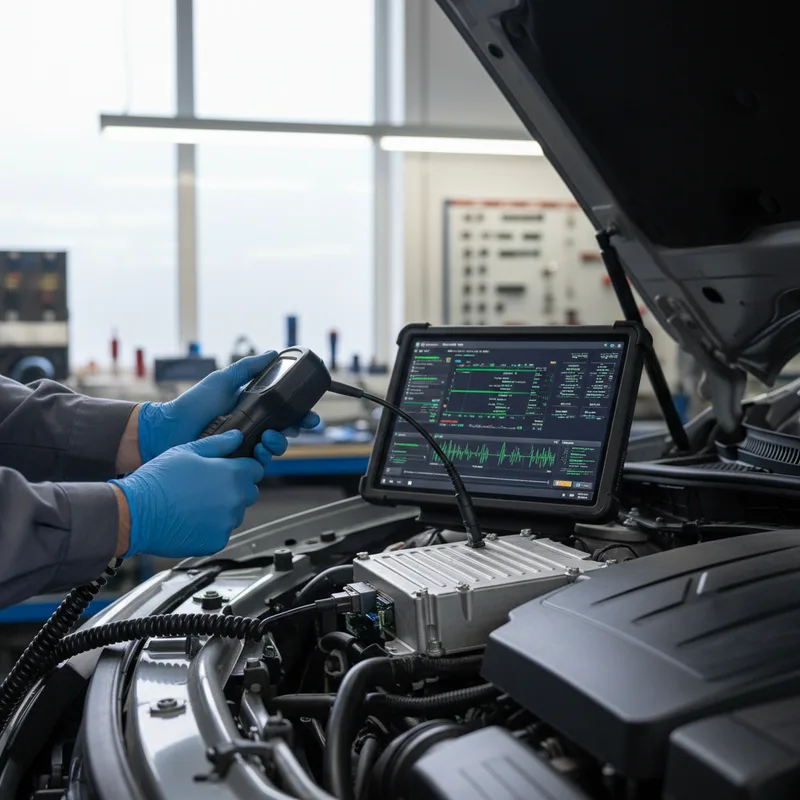
At Brad’s Deer Valley Collision, we’ve invested in the diagnostic technology to handle this properly. Our repair process includes post-repair system checks that confirm your ADAS components are reading and responding correctly before your vehicle leaves our facility. We think the industry should talk about this more openly. Too many customers have no idea their safety systems even need recalibration after a collision repair.
Frame accuracy matters just as much. Missed structural damage or a post-repair alignment that’s even slightly off affects how your vehicle handles and how your safety systems perform. The Insurance Institute for Highway Safety has documented how calibration errors following repairs can compromise ADAS effectiveness in real driving conditions.
Choosing the best auto body shop in Phoenix, AZ means choosing one that treats technology as a repair requirement, not an upsell. That distinction matters more than most people realize until something goes wrong on the road.
Certifications and Credentials That Matter
Most customers never ask to see a shop’s certifications. That’s a mistake. Credentials aren’t just wall decorations — they signal that technicians have been trained to current repair standards and that the shop invests in keeping that training active.
Two certifications carry real weight in this industry: I-CAR and ASE.
I-CAR (Inter-Industry Conference on Auto Collision Repair) sets the technical training standard for collision repair across the country. A shop that holds I-CAR Gold Class status has demonstrated ongoing, structured training across its entire repair team, not just one senior tech. It’s renewed regularly, so it reflects current knowledge, not a certificate from fifteen years ago.
ASE (Automotive Service Excellence) certifications apply more broadly to mechanical and refinishing competency. When a painter or technician holds ASE credentials, they’ve passed standardized testing in their specific area. That matters when your car needs precise paint matching or structural work done correctly the first time.
Here’s a professional opinion most shops won’t share: a single I-CAR-certified technician on staff doesn’t mean much. You want shops where certification is a team standard, not an exception. Ask specifically how many technicians are certified and whether training is current.
At Brad’s Deer Valley Collision, credentials aren’t an afterthought. With roots in Phoenix, AZ going back to 1985, the shop has built its reputation on trained, qualified technicians who handle everything from auto body painting to frame alignment. You can read what real customers say about the quality that comes from that commitment.
Certifications don’t guarantee a perfect repair. But their absence is a serious red flag worth heeding before you hand over your keys.
Customer Experience Beyond the Repair: Loaner Cars, Communication, and Convenience
Technical skill gets your car fixed. How a shop treats you during that process is what you’ll actually remember.
A lot of people assume the best auto body shop is simply the one with the best painters. That’s not wrong, but it’s incomplete. Customers today are comparing their body shop experience to how they feel dealing with Amazon or their bank. They expect updates, they expect convenience, and they expect someone to actually pick up the phone. Shops that don’t meet that bar are losing business to shops that do, regardless of who does better bodywork.
At Brad’s Deer Valley Collision, we’ve operated in Phoenix, AZ since 1985, and one thing that’s changed dramatically over the decades is what customers need from us beyond the repair itself. Loaner vehicles and shuttle service aren’t perks anymore. They’re table stakes. If a shop can’t help you stay mobile while your car is being repaired, that’s a real problem for most Phoenix commuters who can’t just sit and wait.
Communication matters just as much. You shouldn’t have to call the shop twice a day wondering where your car is. Proactive updates, whether by text or a quick phone call with photos, keep you informed and eliminate the anxiety of not knowing. We’ve heard from customers who came to us after genuinely bad experiences at other shops where nobody called them for two weeks. That’s not acceptable.
After-hours drop-off is another thing most shops quietly skip. Life doesn’t run on shop hours, and a drop box with a clear intake form is a small investment that makes a big difference.
Before you commit to any shop, ask directly: Do you offer a loaner or shuttle? How will you communicate progress? Can I drop off after hours? Read the real customer reviews and see whether people mention feeling informed and taken care of, not just satisfied with the paint job. That tells you a lot.
Common Auto Body Shop Mistakes to Avoid in Phoenix
Bad repairs don’t always look bad at first. That’s the part most customers don’t realize until weeks later, when paint starts peeling or a warning light comes back on.
After decades in this business, the mistakes we see repeated across Phoenix shops fall into a predictable pattern. Knowing what to watch for before you hand over your keys can save you a lot of frustration.
Red Flags Before the Work Starts
Skip any shop that won’t give you a written estimate. A verbal quote isn’t a commitment, and it’s not something you can dispute later. You should also ask directly about warranty coverage. If a shop gets vague or says “we stand behind our work” without specifying terms, that’s a problem. Get everything in writing before you agree to anything.
Unusually low bids are another warning sign. Some shops win jobs by quoting cheap, then cutting corners on surface prep or substituting low-grade filler. Quality prep work takes real time. It’s not glamorous, but skipping it is the most common reason a paint job fails within a year.
Technical Oversights That Cause Real Damage
Missing hidden frame damage is a serious mistake, and more common than it should be. Visible body damage often masks structural issues that only show up on a proper frame alignment check. A shop without alignment equipment will miss it entirely.
One opinion you won’t hear often enough: insisting on ADAS recalibration after any structural repair isn’t excessive caution, it’s required. Skipping it on a modern vehicle is a genuine safety failure, not a minor shortcut.
Phoenix drivers have options. See what real customers say about working with a shop that doesn’t cut corners, or review the full range of services available at Brad’s Deer Valley Collision.
Insurance Claims and Your Right to Choose Your Repair Shop
Your insurer does not get to pick your shop. Full stop.
This surprises a lot of Phoenix drivers. After an accident, insurance adjusters often direct you toward a “preferred” or “approved” repair facility. Those recommendations can sound like requirements. They’re not. Under Arizona law, you have the right to choose any licensed collision repair facility you trust, regardless of what your insurance company suggests.
That distinction matters more than most people realize. Preferred shop programs, often called Direct Repair Programs, exist partly for the insurer’s convenience. The shops in those networks agree to certain cost controls and volume commitments. That arrangement doesn’t automatically mean poor work, but it does mean the shop’s first obligation isn’t always to you.
At Brad’s Deer Valley Collision, we work directly with insurance companies on your behalf. Our team handles estimate documentation, supplements for hidden damage discovered during the repair, and all the back-and-forth that typically slows claims down. We’ve been doing this in Phoenix since 1985, so we know how to move a claim forward without dragging you into the middle of it.
Here’s where we’d push back on common advice: most guides tell you to get two or three estimates and pick the lowest one. We’d caution against that approach. A low estimate usually means someone is cutting corners on parts, labor hours, or both. Accurate documentation protects you far more than a cheap number. Ask what’s included, ask about OEM versus aftermarket parts, and ask whether the estimate accounts for potential frame or structural damage.
Before you drop off your vehicle anywhere, photograph every inch of existing damage. Keep your own copies of all paperwork.
You can contact us directly to start the estimate process, or review what other Phoenix customers experienced working with our team through their claims. The Arizona Department of Insurance also publishes consumer rights guidance worth reading before you file.
Why Brad’s Deer Valley Collision Stands Out in the Phoenix Market
Shops that have been around since 1985 tend to fall into one of two categories: they’ve earned their reputation through consistent work, or they’re coasting on it. Brad’s Deer Valley Collision belongs firmly in the first group.
Every standard covered in this post, ADAS recalibration, I-CAR and ASE credentials, honest insurance guidance, transparent estimates, real customer communication, traces back to decisions made at the front counter and in the repair bays every single day. That consistency doesn’t happen by accident. It’s built over decades of showing up for Phoenix drivers after accidents they didn’t plan for.
A lot of advice in this industry tells you to compare three estimates before choosing a shop. That’s reasonable, but it misses something important. Price tells you very little about whether a shop will recalibrate your lane-assist sensors, use OEM parts where it counts, or call you with an update before you have to ask. Those things don’t show up in a written estimate. They show up in how a shop operates when no one’s watching.
Here’s what separates Brad’s from the typical Phoenix body shop:
-
Nearly four decades of continuous operation in the Phoenix area, with a track record local drivers can verify
-
Certified technicians trained to current I-CAR and ASE standards, not certifications left to expire
-
Advanced paint matching technology and a dedicated auto body paint shop that delivers finishes matching your vehicle’s original color
-
Direct insurance coordination that protects your right to choose your own shop
-
Straightforward written estimates and warranty coverage you can actually hold someone to
Whether you’re coming in from Scottsdale, Tempe, or right down the road in Deer Valley, the experience is the same. You get a clear assessment, honest communication, and a finished vehicle that looks and drives the way it did before the accident.
You can read what actual customers say about their repairs, learn more about the shop’s history and credentials, or browse the full list of services we provide. If you’re ready to talk through your damage, contact us directly for an estimate. Walk-ins are welcome, and we’re here to help you get back on the road with confidence.
Frequently Asked Questions
How do I know if an auto body shop is reputable in Phoenix?
The clearest signs of a reputable shop are I-CAR and ASE certifications, which you’ll typically see displayed right in the shop or on their website. Beyond that, check verified customer reviews on Google or the BBB, and always get a written estimate before agreeing to any work. Ask directly about warranty coverage on parts and labor. At Brad’s Deer Valley Collision in Phoenix, AZ, USA, we’re upfront about all of this from the first conversation. A shop that communicates clearly and puts everything in writing is a shop you can trust.
What is ADAS recalibration and why does it matter after a collision?
ADAS stands for Advanced Driver Assistance Systems, and it covers things like lane-keep assist, automatic emergency braking, and collision avoidance. If your bumper gets replaced or your frame gets straightened, those sensors and cameras shift position, even slightly, and the whole system needs to be recalibrated to work correctly again. A lot of independent shops can’t do this in-house, which means your safety features may not be functioning properly after the repair. When you’re looking for the best auto body shop in Phoenix, AZ, USA, make sure ADAS recalibration is part of the conversation.
Can I choose my own auto body shop, or must I use my insurance company’s preferred repair facility?
You absolutely have the right to choose your own shop. Insurance companies will often steer you toward their preferred or Direct Repair Program (DRP) facilities, but that’s a recommendation, not a requirement. Your insurer is legally obligated to work with the shop you select. Don’t let anyone pressure you into using a shop you’re not comfortable with. If you’re in Phoenix, AZ, USA, and you want to bring your vehicle to Brad’s Deer Valley Collision, your insurance company has to honor that choice. The decision is yours.
What should I look for before dropping off my car at a collision repair shop?
Before you hand over your keys, take photos of every angle of the vehicle, including any pre-existing scratches or dents that aren’t part of the current damage. Remove all valuables and personal items from the car. Get a written estimate that outlines the work to be performed, the parts being used, and the expected turnaround time. Ask about warranty coverage before the job starts, not after. Doing this protects you and sets clear expectations. Any shop worth calling the best auto body shop in Phoenix, AZ, USA should welcome these questions without hesitation.
What is the difference between OEM and aftermarket parts in auto body repair?
OEM parts come directly from your vehicle’s manufacturer, so they’re built to the exact same specs as the original parts on your car. Aftermarket parts are made by third-party companies and are usually less expensive, but the fit and finish don’t always match up perfectly. Neither option is automatically wrong, it really depends on your vehicle, your budget, and what your insurance covers. At Brad’s Deer Valley Collision, we walk you through both options honestly so you can make the call. A good shop explains the tradeoffs clearly instead of just going with whatever’s cheapest.
Get Your Car’s Paint Looking Perfect Again at Brad’s Deer Valley Collision
If your vehicle needs professional auto body painting here in Phoenix, AZ, USA, we’re ready to help you get it back to the way it looked before. Our certified technicians use advanced technology and genuine craftsmanship to deliver results you can actually see, and you can check out our reviews on Google to hear what your neighbors are saying about the work we do. Stop by our Phoenix facility for a free estimate, give us a call, or just walk in. We’ll take good care of you and your car.