
Minor Fender Repair in Phoenix, AZ: Quick Assessment and Professional Restoration Solutions
Minor Fender Repair in Phoenix, AZ: Quick Assessment and Professional Restoration Solutions
What Qualifies as Minor Fender Damage: Understanding Your Repair Needs
You’re backing out of a parking spot at Desert Ridge Marketplace and hear that familiar crunch. You get out, take a look, and the fender has a shallow crease about the size of your palm, paint still mostly intact. That’s a scenario we see walk through our doors at least a few times a week here in Phoenix, AZ.
Minor fender damage is real, but it’s also commonly misunderstood. Most drivers either underestimate what they’re dealing with or assume the worst before getting a professional set of eyes on it.
What “Minor” Actually Means
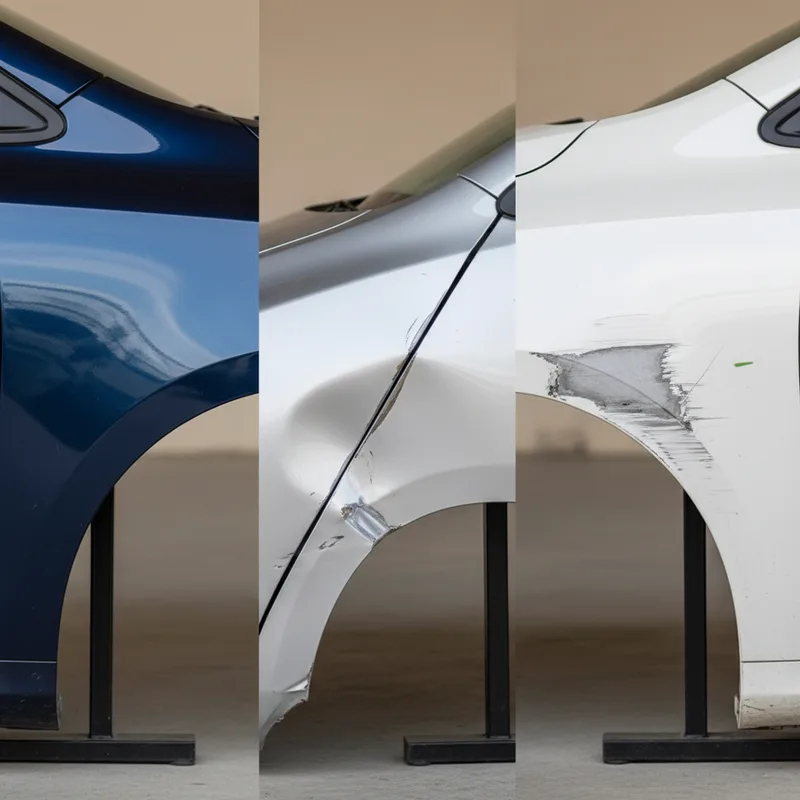
A minor fender repair typically involves cosmetic damage that hasn’t compromised the vehicle’s structural integrity. Think shallow dents, surface scuffs, small creases, or paint transfer from another vehicle. The metal is deformed, but the fender still sits in its correct position and the surrounding components, like the door, headlight housing, and wheel well, are unaffected.
Here’s where a lot of drivers get the advice wrong: many people assume that if a dent looks small, it is small. That’s not always true. A low-speed parking lot hit can push a fender inward enough to stress the mounting points or shift the front clip alignment slightly, and none of that is visible from the outside. That’s exactly why a hands-on inspection matters before you decide anything.
Common Scenarios Phoenix Drivers Face
-
Parking lot door dings and low-speed scrapes
-
Minor collision impact that dented the fender without airbag deployment
-
Paint scuffs from road debris on Phoenix freeways like the I-17 or Loop 101
-
Fender contact during a tight squeeze in dense parking areas
Any of those situations can qualify for minor fender repair, provided a technician confirms there’s no hidden damage underneath. Brad’s Deer Valley Collision has been doing exactly that kind of assessment since 1985, and our full range of repair services means we’re equipped for whatever we find. Stop by or schedule an assessment and we’ll give you a straight answer.
The Professional Assessment Process: How Brad’s Identifies Hidden Damage
Surface damage lies. A shallow crease on your fender can look like a straightforward fix while hiding problems that cost you far more down the road if they’re missed at intake. That’s the reality our technicians deal with every day at Brad’s Deer Valley Collision.
Most drivers assume minor fender repair means a quick look and a price quote. Honestly, that assumption is one of the most expensive misconceptions in this industry. A proper assessment takes time, and shops that rush through it are setting their customers up for problems.
What We Actually Check During Intake
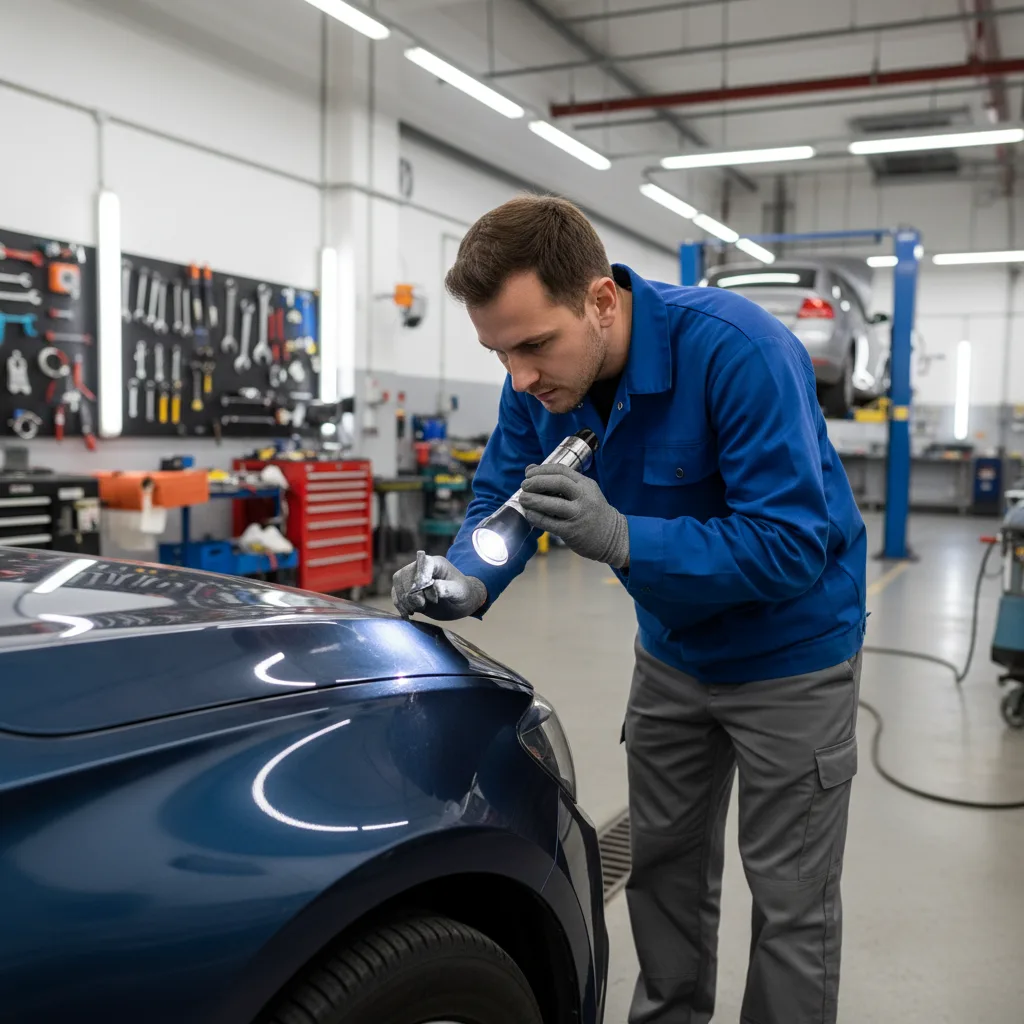
Our process starts with a physical inspection by an experienced technician, not a service writer with a clipboard. We’re looking at the entire impact zone, not just the visible dent. Even low-speed parking lot collisions can transfer force into the fender liner, the apron panel, or the wheel well structure in ways that aren’t visible from the outside.
From there, we check panel gaps. If the fender no longer sits flush with the hood or door, that’s often a sign of frame or mounting point displacement. A lot of shops skip this step on smaller jobs. We don’t, because misalignment left uncorrected affects how your vehicle handles and how your doors seal over time.
We also inspect the paint layers closely. Bubbling or micro-cracking around the damaged area can indicate that moisture has already started working into the metal beneath the clear coat. Catching this early keeps a minor fender repair from becoming a rust repair six months later.
Safety Systems Don’t Get Overlooked
Newer vehicles have sensors, cameras, and advanced driver assistance systems (ADAS) mounted in and around the fender area. A fender impact can shift a lane-departure sensor by millimeters. That shift won’t trigger a warning light, but it will affect how the system performs. Skipping ADAS recalibration after body work is a genuine safety issue that too many shops overlook because they lack the equipment to address it.
Brad’s has been doing this work in Phoenix, AZ since 1985. That depth of experience is what shapes how we approach every vehicle that comes through our doors. Learn more about our credentials and history, or contact us to schedule your assessment today. Walk-ins are welcome.
Fender Repair Techniques: Paintless Dent Removal vs. Traditional Repair
Most minor fender repair calls come down to one decision: does this dent need paint, or doesn’t it? That question drives everything else, including cost, turnaround time, and which technician handles the job.
When Paintless Dent Removal Is the Right Call
Paintless dent removal, or PDR, works by using specialized tools to massage the metal back into its original shape from behind the panel. No filler. No repainting. Done correctly, it’s virtually undetectable.
PDR is the right choice when the paint surface is fully intact, the dent is relatively shallow, and the metal hasn’t been stretched or creased sharply. Parking lot dings, hail damage, and minor door impacts in Phoenix traffic often qualify. The process is faster, typically completed in a few hours, and costs noticeably less than a full repaint cycle.
Here’s a professional opinion that runs against common advice: PDR isn’t always the budget option people assume it to be. A technician with real skill charges accordingly, and cheap PDR done by someone without proper training can leave the metal with subtle waves that catch light at the wrong angle. You’d be better off with traditional repair in those cases.
When Traditional Repair and Repainting Are Necessary
Paint cracked. That’s the clearest signal PDR won’t cut it.
Once the clear coat or paint layer is compromised, the repair needs body filler, primer, color matching, and a clear coat application to protect the metal properly. Traditional repair also applies when the fender has a hard crease, when the metal has stretched, or when the damage sits near a body line that needs precise reshaping.
At Brad’s Deer Valley Collision, our full repair capabilities include both PDR and traditional bodywork, with paint matching technology calibrated to your vehicle’s factory color code. Phoenix’s intense sun accelerates paint fade, so a color match that looks perfect indoors has to hold up outdoors too. That detail matters more here than it does in most other markets.
Choosing the right method isn’t just about saving money. It’s about getting a result that lasts. Our customers can speak to that directly.
Timeline and Cost Expectations: Getting Your Phoenix Vehicle Back on the Road
Time matters. When your car is sitting in a shop, you’re dealing with logistics, rental costs, and schedule disruptions. So let’s be direct about what to expect.
A straightforward minor fender repair in Phoenix, AZ typically takes one to three days. Paintless dent removal on a clean, paint-intact dent can often be completed same-day. Traditional repairs involving filler work, primer, color matching, and clear coat need additional dry and cure time, so two to three days is realistic. If parts need to be ordered, add time accordingly.
What Drives the Cost
Pricing varies based on dent depth, paint condition, panel accessibility, and whether structural components are involved. A basic PDR repair might run $150 to $350. Traditional fender repair with paint can range from $300 to $900 or more, depending on your vehicle’s paint complexity and the extent of damage. Luxury or specialty finishes cost more to match accurately. That’s just the reality.
Here’s a professional opinion that contradicts common advice: don’t shop primarily on price. The shops offering unusually low bids are cutting corners somewhere, usually on surface prep or paint quality. A cheap repair that fails in six months costs you more than doing it right the first time. Always get a written estimate before any work begins, and make sure it itemizes labor, materials, and parts separately.
How Insurance Affects Your Timeline
Insurance claims add a layer of scheduling complexity. Waiting for adjuster approval can extend your timeline by several days. At Brad’s Deer Valley Collision, we’ve worked directly with insurance providers since 1985, and we know how to keep that process from dragging out unnecessarily.
You can contact us directly to schedule an estimate, and read what actual customers say about our turnaround on our customer reviews page before you commit.
Insurance Claims and Warranty Coverage: What Phoenix Drivers Should Know
Most drivers assume their insurance company gets to pick the repair shop. That’s not how it works in Arizona. You have the legal right to choose where your vehicle gets repaired, regardless of what your insurer recommends or which shops are on their preferred list.
That distinction matters more than most people realize.
At Brad’s Deer Valley Collision, we work directly with insurance carriers as a trusted provider, which means we handle the documentation, estimates, and adjuster communication on your behalf. That process keeps the claim moving without you chasing paperwork. Still, we always recommend that customers photograph all existing damage before dropping off any vehicle, even for a minor fender repair. It protects you and keeps the record clean from day one.
Questions Worth Asking Before You Commit
Before authorizing any repair, get a written estimate. A shop that resists putting specifics on paper is a shop worth avoiding. Ask whether repairs use OEM or aftermarket parts, and ask directly about warranty coverage. At Brad’s, we back our work with a written warranty because that’s the only kind worth offering.
-
Get a written estimate with itemized parts and labor
-
Confirm OEM versus aftermarket parts for your specific repair
-
Ask about warranty length and what it actually covers
-
Verify I-CAR or ASE certifications before authorizing work
One opinion that tends to get pushback: getting two or three estimates isn’t just smart, it’s necessary. An unusually low bid on fender repair in Phoenix, AZ almost always means skipped prep work or cut-rate materials that show up six months later.
We’ve been repairing vehicles in Phoenix since 1985. See our full history and credentials here, or contact us directly to start your claim or schedule an estimate.
Why Professional Fender Repair Beats Quick Fixes: Long-Term Vehicle Value
Cheap repairs cost more. That’s not a sales pitch; it’s something we’ve watched play out hundreds of times over 40 years in Phoenix.
A low-bid shop that skips proper surface prep, uses aftermarket filler that doesn’t bond correctly, or misses underlying structure damage might hand your car back looking fine for a few months. Then the paint bubbles. The repaired panel gaps unevenly. A rust spot forms where moisture got in behind the work. At that point, you’re paying twice, once for the shortcut and once to have it done right.
There’s a real resale impact here that most drivers underestimate. Vehicle history reports and inspection-savvy buyers can spot mismatched paint and uneven panel gaps immediately. A poorly executed minor fender repair in Phoenix, AZ can reduce your trade-in or private sale value far more than the few hundred dollars you saved upfront.
What to Watch For Before You Commit to Any Shop
-
No written estimate or warranty offered
-
Unusually low bids with no explanation of materials used
-
No mention of ADAS recalibration if sensors are near the repair area
-
Pressure to decide immediately
At Brad’s Deer Valley Collision, every repair carries a written warranty and every technician is I-CAR trained. You can read what actual customers say on our reviews page, explore our full service list, or contact us to get a written estimate from a shop that’s been part of Phoenix since 1985.
Frequently Asked Questions
How long does minor fender repair typically take in Phoenix?
It depends on the type of repair your fender needs. Paintless dent removal is the faster option, usually wrapping up in 1 to 3 days. If your fender requires traditional repair and repainting, you’re typically looking at 5 to 10 days. Here in Phoenix, AZ, USA, heat and humidity levels can affect paint curing time, and our shop schedule plays a role too. When you bring your vehicle in, we’ll give you a specific timeline in writing with your estimate so you’re not guessing.
Can I choose Brad’s Deer Valley Collision instead of my insurance company’s recommended shop?
You absolutely can. Arizona law gives you the right to choose your own repair shop for minor fender repair, and your insurance company cannot force you to use their preferred provider. Brad’s Deer Valley Collision works directly with insurers as a trusted Direct Repair Program shop, so we handle all the claims communication for you. You don’t have to deal with the back and forth. Just bring your vehicle to our shop in Phoenix, AZ, USA, and we’ll take it from there.
Is paintless dent removal available for all minor fender damage?
Not always, and it’s worth understanding why. Paintless dent removal works great when the paint is still intact and the dent doesn’t have sharp creases. If your fender has cracked paint or a deep crease, traditional repair with repainting is going to give you a much better result. When you come into our Phoenix, AZ, USA shop, we’ll look at your specific damage and give you an honest recommendation on which approach makes the most sense for your vehicle.
What warranty comes with minor fender repair at Brad’s?
Brad’s Deer Valley Collision provides a written warranty on all collision repair work, including minor fender repair. The exact coverage depends on the type of repair your vehicle needs, and we’ll spell it all out clearly in your estimate before any work begins. When you stop by our Phoenix, AZ, USA shop, ask us directly about our workmanship and materials guarantees. We want you to know exactly what’s covered so there are no surprises down the road.
Will my repaired fender match the rest of my vehicle’s paint?
Yes, and we take that seriously. Brad’s uses advanced color-matching technology along with certified painters to make sure your repaired fender blends seamlessly with the rest of your vehicle’s finish. We don’t just approximate the color. Our equipment precisely identifies your original paint so there’s no visible line between the new and existing paint. If you’ve had a bad paint match experience somewhere else, come visit us at our Phoenix, AZ, USA location and see the difference for yourself.
Get Your Fender Fixed Right Here in Phoenix, AZ, USA
A dinged or crumpled fender can drop your car’s value fast, and it doesn’t get better on its own. At Brad’s Deer Valley Collision, we’ll give you an honest written estimate, work directly with your insurance, and back every fender repair with a solid warranty. Stop by and see us in person, give us a call for a free consultation, or fill out our online form to schedule at a time that works for you.
We’re proud of the work we do and the relationships we’ve built with our customers. Check out our reviews on Google and see what your Phoenix neighbors are saying, then contact Brad’s Deer Valley Collision today to get your vehicle looking its best again.