
Scratch Repair and Repainting in Phoenix, AZ: Expert Touch-Up Services Without Full Repaints
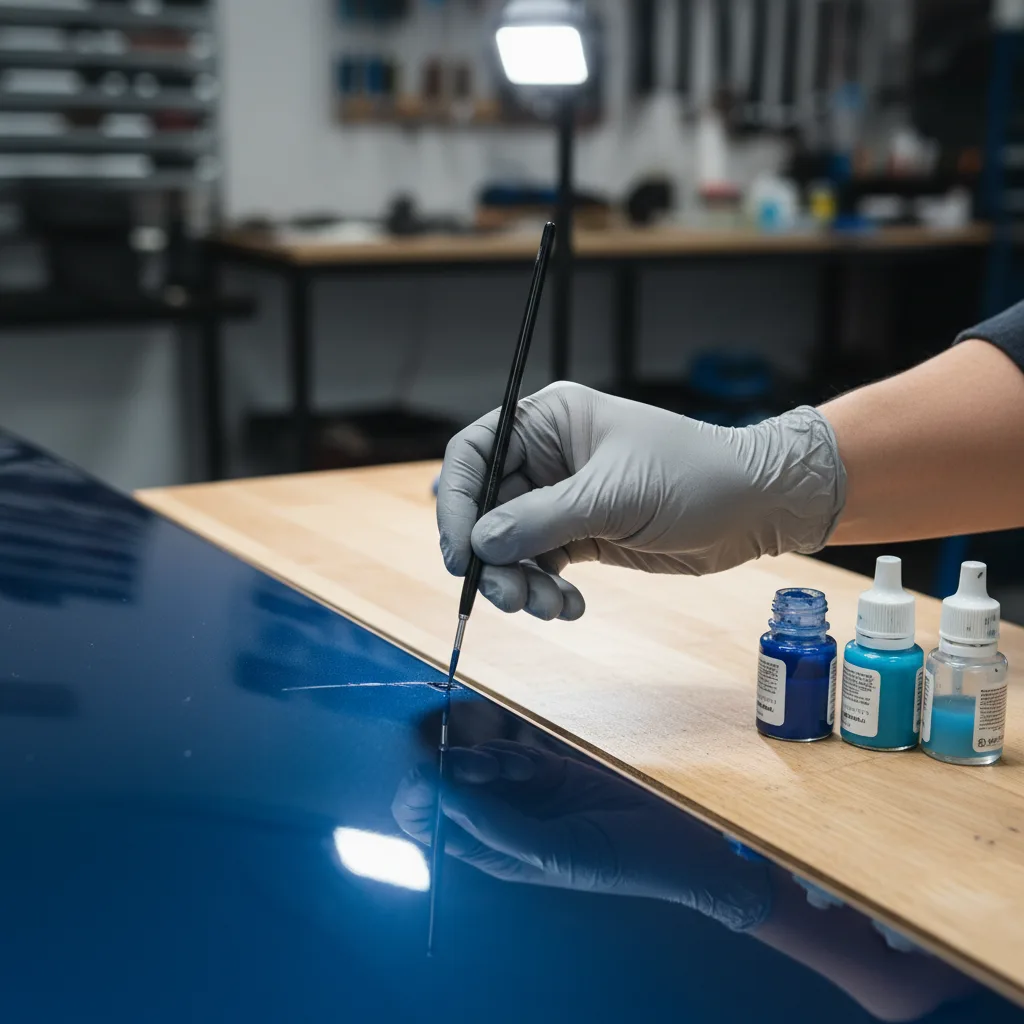
Scratch Repair and Repainting in Phoenix, AZ: Expert Touch-Up Services Without Full Repaints
Why Minor Scratches and Dents Matter: The Hidden Cost of Ignoring Small Paint Damage
You park outside Desert Ridge Marketplace on a Saturday afternoon, come back to your car, and find a fresh key scratch running across the driver’s door. It’s maybe four inches long. You think: it’s small, I’ll deal with it later.
Later becomes six months. Phoenix, AZ does the rest.
That’s not a dramatic exaggeration. The combination of intense UV exposure, heat that regularly pushes past 110 degrees, and the occasional monsoon moisture creates conditions that accelerate paint damage faster than almost anywhere else in the country. A scratch that breaks through the clear coat and reaches bare metal can start showing surface oxidation within weeks here, not years.
Once rust gets a foothold, the repair cost multiplies. What started as a straightforward scratch repair and repainting job becomes a rust treatment, a primer application, and a more involved color blend. Catching it early keeps the fix simple and affordable.
There’s also the resale angle. A lot of people underestimate how aggressively used car buyers and dealerships discount vehicles with visible paint damage. A single door scratch can knock hundreds off a private sale offer, sometimes more than the actual repair would have cost. The math rarely favors waiting.
Here’s a professional opinion that pushes back on common advice: most people assume touch-up is purely cosmetic and optional. It isn’t. Paint is your vehicle’s first line of defense against corrosion. Treating it as decoration misses the point entirely.
Psychologically, visible damage also affects how you carry yourself around your own vehicle. Owners with scratched or scuffed paint tend to defer other maintenance too, a kind of “it’s already damaged” mentality that compounds over time.
At Brad’s Deer Valley Collision, we’ve been repairing paint damage in Phoenix, AZ since 1985. We see the same pattern constantly: small problems ignored until they become expensive ones. Reach out for an estimate before the desert does more damage than it already has.
The Difference Between DIY Touch-Up Pens and Professional Scratch Repair and Repainting
Touch-up pens don’t work. Not really. They stop rust for a few weeks, maybe, but they don’t restore your paint. That’s an opinion plenty of detailing enthusiasts would push back on, but after decades of seeing customers walk in with blob-filled scratches that look worse than the original damage, it’s hard to argue otherwise.
Here’s what actually happens when you use an off-the-shelf touch-up pen. The pigment in those pens is mixed to approximate your car’s color code, not match it. Automotive paint fades and shifts over time due to Phoenix’s intense UV exposure. Your four-year-old paint has already drifted from its factory formula. A fresh pen color dropped into that fade creates a patch that’s immediately visible, especially in direct sunlight.
Why Color Matching Is More Complicated Than It Looks
Paint codes are a starting point, not a finish line. Professional scratch repair and repainting involves reading the actual surface with spectrophotometer technology, which measures light reflection across multiple angles. That data gets fed into mixing software that accounts for how your specific vehicle’s finish has aged. A tube from the auto parts store doesn’t do any of that.
Surface preparation is where the real gap shows up. A professional technician sands, cleans, primes, and feathers the repair area before a single drop of color goes on. DIY touch-ups skip all of that. Paint applied over contaminated or uneven surface adhesion fails fast, sometimes within months.
When Professional Service Becomes the Only Option
Scratches that cut through the clear coat and into the base coat, or deeper into the primer, need professional attention. Full stop. At that depth, moisture has a direct path to bare metal, and no pen is going to seal that reliably under Phoenix heat cycling.
At Brad’s Deer Valley Collision, we’ve been doing this since 1985. We hold I-CAR and ASE certifications, and our approach to scratch repair and repainting in Phoenix, AZ treats every job, large or small, as a precision task. You can browse our full range of auto body services or reach out directly to schedule an estimate. Walk-ins are always welcome.
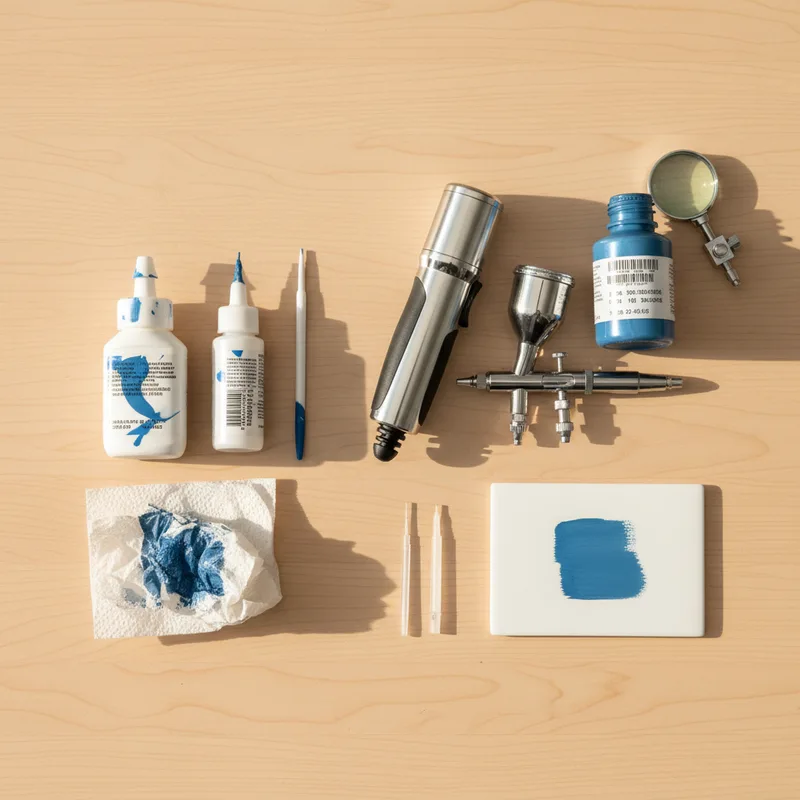
Advanced Color Matching Technology: How Phoenix Auto Body Shops Achieve Seamless Results
Color matching is where most amateur scratch repairs fall apart visibly. You can do everything else right, but if the paint tone is off by even a fraction, the repair announces itself in direct sunlight.
Professional shops use spectrophotometry to take the guesswork out of color matching. A spectrophotometer reads the light wavelengths reflecting off your existing paint and generates a precise formula, accounting for how your specific finish has aged, faded, or shifted over time. The factory color code on your door jamb is a starting point, not the answer. Phoenix’s intense UV exposure accelerates paint oxidation faster than in most U.S. cities, which means a formula pulled straight from the manufacturer’s database often won’t match a three-year-old finish on a car that’s been parking outside near Camelback Mountain all summer.
That’s a detail a lot of people don’t realize until after a repair looks wrong.
There’s a common assumption that matching paint is mostly about finding the right color code. It isn’t. The application technique, the number of coats, the blend zone, and the curing environment all affect how the final color reads. A shop doing professional scratch repair and repainting needs to control all of those variables together, not just pull the right tint.
At Brad’s Deer Valley Collision, we’ve been calibrating color matches in Phoenix since 1985. The desert light here is unforgiving, and our painters know to evaluate every blend in natural daylight, not just under shop fluorescents. You can read more about our approach and certifications on our about page.
Modern computerized mixing systems from suppliers like PPG give certified shops access to tens of thousands of formulas, but the technology only works when the technician reading the vehicle knows what to look for. Equipment doesn’t replace experience. It extends it.
Ready to get a precise match on your vehicle? Contact us to schedule an estimate.
The Professional Scratch Repair Process: Surface Prep, Paint Application, and Quality Control
Rushing a repair is how you ruin a repair. That’s not an opinion unique to us; it’s something any certified tech will tell you after seeing enough botched DIY jobs come through the door.
Here’s exactly how professional scratch repair and repainting works, step by step, and why each stage takes the time it takes.
Step 1: Inspection and Damage Assessment
Before anyone picks up a sanding block, a technician examines the scratch under proper lighting to determine how deep it goes. A clear coat scratch behaves completely differently than one that’s cut into the primer or bare metal. Treating them the same way is one of the most common mistakes we see from shops that skip this step.
Step 2: Surface Preparation
Surface prep decides everything. The damaged area gets cleaned, decontaminated, and feathered out with progressively finer grits of sandpaper so the edges of the scratch blend into the surrounding paint gradually. Any rust, even the faintest surface oxidation, gets addressed here. Phoenix heat accelerates oxidation faster than most drivers realize, so this step matters more in this climate than it would in, say, Seattle.
Step 3: Primer Application
Bare metal or exposed substrate needs primer before any color goes on. Primer creates a uniform base, improves adhesion, and helps the topcoat lay flat. Skipping primer to save time produces visible texture differences in the finished repair.
Step 4: Paint Mixing and Application
Using spectrophotometer data from the color matching process described in the previous section, the technician mixes a formula calibrated to your specific vehicle. Paint goes on in thin, even layers with flash time between coats. Laying it on heavy to speed things up traps solvents and causes shrinkage or texture problems later.
Step 5: Clear Coat and Curing
Clear coat protects the color layer and gives the finish its depth. After application, the panel cures under controlled conditions. Some shops push vehicles out before the clear coat has properly hardened, which makes it vulnerable to early marring.
Step 6: Final Quality Control
The finished repair gets inspected under direct and indirect lighting for color match, texture consistency, and edge blending. At Brad’s Deer Valley Collision, we’ve been doing this since 1985, and that final inspection is non-negotiable. If something’s off, it gets corrected before the vehicle leaves. Contact us to schedule your estimate and see the process firsthand.
Common Mistakes That Make Minor Damage Worse: What to Avoid Before Visiting a Body Shop
Most paint damage that comes through our door has already been touched. Someone tried something first. That’s usually what turns a straightforward scratch repair and repainting job into a more expensive problem.
Here’s what we see regularly, and what you should avoid before dropping your vehicle off anywhere in Phoenix, AZ.
-
Sanding without knowing the depth of the scratch. Running sandpaper over a scratch that hasn’t broken through the clear coat removes the protection you still have. You’re creating a larger repair area unnecessarily.
-
Using rattle-can primer without proper surface prep. Primer won’t bond correctly over contaminated paint. It looks fine for a week, then lifts. Now the technician has to strip it back before starting the actual repair.
-
Relying on color-match codes alone. Your door jamb sticker gives the factory code, not your vehicle’s current color. Sun exposure in Phoenix fades paint over time. Codes are a starting point, not a final answer. A good shop uses spectrophotometer readings, not guesswork.
-
Choosing a shop based on price alone. The lowest bid almost always means skipped steps. Ask for written estimates, verify I-CAR or ASE certifications, and confirm there’s a warranty in writing before committing.
-
Not photographing existing damage first. Before any shop touches your vehicle, document everything with timestamped photos. It protects you during the insurance process and during pickup.
One opinion worth sharing: people obsess over turnaround time and undervalue surface prep. A shop that rushes prep to hit a deadline will cost you more later. At Brad’s Deer Valley Collision, we’ve been doing this since 1985 because we don’t cut those corners. Contact us before attempting any repairs yourself.
Affordable Touch-Up Solutions for Phoenix Drivers: When to Repaint and When to Repair
Not every scratch needs a full panel repaint. Knowing the difference saves you money without cutting corners on quality.
The honest answer is that scratch repair and repainting is almost always the right call for isolated damage on a single panel. If the scratch hasn’t cut through the primer layer and there’s no rust starting underneath, a skilled technician can blend the repair invisibly without touching the rest of the panel. That’s a significantly lower cost than repainting the whole door, and you can’t tell the difference when it’s done right.
Full panel repainting makes sense in a few specific situations. If a scratch runs across a body line or wraps a corner onto a second panel, spot repair gets difficult to hide. If your car has fading paint from years under the Phoenix sun, blending new paint into oxidized clear coat is nearly impossible to match. In those cases, painting the entire panel or adjacent panels produces a cleaner result and is worth the added expense.
A Simple Way to Think About It
-
Scratch doesn’t reach bare metal: touch-up and clear coat blend, typically the most affordable path
-
Scratch reaches primer or metal: full scratch repair and repainting of the affected area, with proper surface prep
-
Damage crosses multiple panels or paint is fading: full panel repaint for a consistent finish
One opinion you’ll hear that I’d push back on: spending more always means better results. That’s not true. A precise, properly prepped touch-up from a certified shop will outlast a rushed full repaint every time. Credentials and process matter more than price tier.
We’ve been doing this in Phoenix since 1985, and we’ll tell you straight what your car actually needs, not what costs more. Learn more about our background and certifications, check out our full list of services, or contact us to schedule an estimate. Walk-ins are welcome.
Frequently Asked Questions
Can scratches and minor dents be repaired without a full car repaint?
Yes, and this is actually the preferred approach for most customers. Professional scratch repair and repainting uses targeted touch-up techniques, advanced color matching, and precision application to fix only the damaged area. You don’t need to repaint an entire panel or the whole vehicle just because of a small scratch or ding. This approach saves you time and money while still delivering a seamless, factory-quality finish that blends right in.
How long does professional scratch repair and repainting typically take?
Simple touch-ups are often completed in 1 to 2 days, accounting for drying time and quality checks. If the repair involves deeper surface prep, primer coats, or multiple paint layers, the process can take 3 to 5 days. At Brad’s Deer Valley Collision in Phoenix, AZ, USA, we give you a clear turnaround estimate during your initial assessment so you’re never left guessing about when you’ll have your vehicle back.
Will professional touch-up paint match my vehicle’s original color?
It will when it’s done right. Professional shops use spectrophotometry and OEM color codes to dial in your vehicle’s exact finish. This technology accounts for factors like paint aging, metallic flakes, and pearl pigments that are nearly impossible to match by eye alone. At Brad’s Deer Valley Collision, our scratch repair and repainting process produces results that are invisible to the naked eye, so you won’t be able to tell where the repair was made.
What causes scratches and paint damage, and how can I prevent them?
Most scratches come from road debris, tree branches, shopping carts, or contact with other vehicles. Careless washing techniques can also leave fine swirl marks over time. To reduce the risk, try parking away from high-traffic areas, apply protective film to vulnerable spots like the hood and bumper, and wash your car regularly so you catch new damage early. Addressing scratches quickly also prevents rust from forming under the paint surface.
Is scratch repair and repainting covered by insurance?
It depends on your policy and how the damage happened. Collision coverage typically handles accidental scratches from impacts, while comprehensive coverage can apply to things like falling debris or vandalism. If you’re not sure what your policy covers, don’t worry about sorting it out alone. Brad’s Deer Valley Collision works directly with insurance companies in Phoenix, AZ, USA, and we can verify your coverage and handle the claims process so the repair moves forward without unnecessary delays. Stop by the shop and we’ll walk you through it.
Get a Free Scratch Repair Estimate at Brad’s Deer Valley Collision in Phoenix, AZ, USA
A small scratch today can turn into a bigger, costlier problem down the road, and your car deserves better than that. At Brad’s Deer Valley Collision, our certified technicians use advanced color-matching technology and professional-grade materials to make your vehicle look like nothing ever happened. We’re proud to serve the Phoenix community, and we’d love to earn your trust too. See what our customers are saying on Google, then give us a call or stop by the shop to schedule your free auto body painting estimate today.