What to Expect After an Accident: Auto Body Shop Support in Phoenix, AZ
What to Expect After an Accident: Auto Body Shop Support in Phoenix, AZ
The First 24 Hours: What to Do Immediately After an Accident
You’re sitting at a red light on Tatum Boulevard, heading toward Desert Ridge Marketplace, and someone rear-ends you. Your bumper is crumpled, your hands are shaking, and you have no idea what to do next. That moment is disorienting for anyone. What you do in the next 24 hours, though, shapes everything that follows.
First priority is safety, not paperwork. Move your vehicle out of active traffic if you can do so without making the damage worse. Turn on your hazard lights. Check yourself and any passengers for injuries before you do anything else.
Once you’re safe, call the police. A lot of drivers skip this step in minor collisions because both parties seem cooperative at the scene. That’s a mistake. An official report protects you if the other driver later disputes fault or changes their story. Get that report number before you leave.
Document Everything at the Scene
Your phone is your best tool right now. Photograph the damage to every vehicle involved, the surrounding area, road conditions, skid marks, and any traffic signals or signage nearby. Take more photos than you think you need. You cannot over-document a collision.
Exchange insurance information, driver’s license numbers, and contact details with the other driver. If there are witnesses, get their names and phone numbers. They’re easy to forget in the moment and nearly impossible to track down later.
Call your insurance company to report the incident. Don’t wait a few days. Delayed reporting can complicate your claim, even when the accident clearly wasn’t your fault.
What Comes Next Before You Contact a Shop
Before dropping your vehicle at any auto body shop after accident, photograph all existing damage one more time in good lighting. Remove your valuables and any personal items from the car. If your vehicle isn’t drivable, arrange a tow to a shop you’ve chosen, not wherever the tow truck company suggests by default.
Phoenix, AZ drivers have the legal right to choose their own repair facility regardless of what their insurance company recommends. Your insurer can suggest a preferred shop, but the final decision is yours.
At Brad’s Deer Valley Collision, we’ve been helping Phoenix drivers navigate exactly this situation since 1985. You can reach out anytime to ask questions before you even bring the vehicle in. Getting informed early makes the entire process less stressful.
Choosing Your Repair Shop: Why You Have More Control Than You Think
Your insurance company does not get to pick your shop. Full stop.
A lot of Phoenix drivers don’t realize this. After an accident, an adjuster may steer you toward a “preferred” or “direct repair” shop on their approved list. That recommendation isn’t illegal, but it’s also not a requirement. Under Arizona law, the choice is yours. The insurer pays for the repair; you decide where it happens.
Preferred shop networks exist because insurers negotiate pricing with those shops, which can work in their favor on cost. That doesn’t automatically make those shops bad, but it does mean their first priority isn’t always your vehicle. When you choose an independent shop, one with its own reputation to protect, the incentives shift back toward quality.
What to Actually Look For
Certifications matter more than most people give them credit for. Look for I-CAR Gold Class or ASE-certified technicians. These aren’t just wall decorations. They indicate that the people touching your car have completed ongoing technical training, including on modern safety systems that most shops aren’t equipped to handle properly.
Ask directly about warranty coverage before you commit. Any reputable auto body shop after an accident should offer a written warranty on parts and labor. If a shop hesitates or gets vague on that question, walk away. Verbal promises don’t hold up when there’s a problem six months later.
Get at least two written estimates. Unusually low bids are a red flag, not a bargain. They usually mean someone is planning to cut corners on materials, skip surface prep, or use low-grade aftermarket parts without telling you.
Brad’s Deer Valley Collision has operated in Phoenix, AZ since 1985, and the shop’s reputation is built on transparent estimates and certified craftsmanship. You can stop by or reach out to get a straight answer before you make any decisions. Reading through what past customers say is a good place to start if you want context before you visit. You also can review the full scope of services available so there are no surprises about what the shop handles.
You’ve already been through enough. Choose the shop that works for you.
The Damage Assessment and Estimate Process
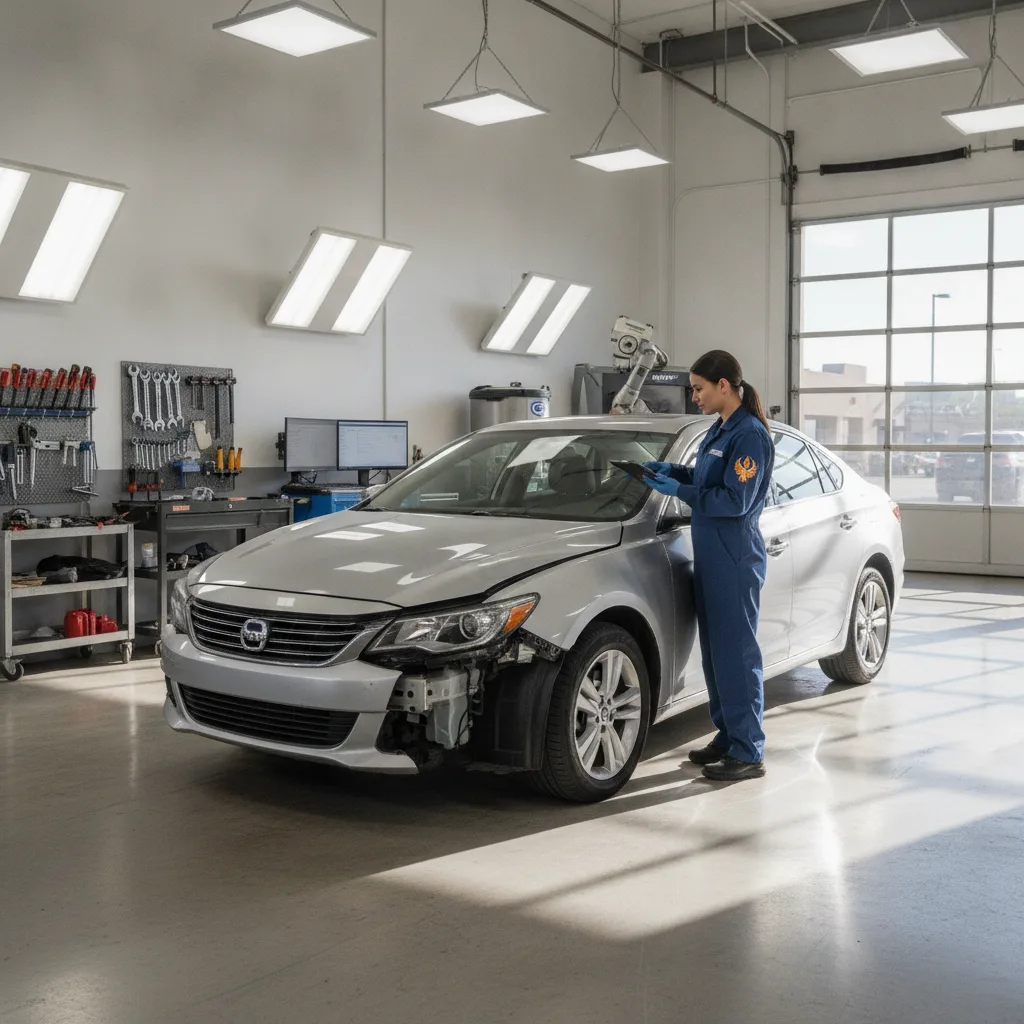
Most visible damage is just the beginning. After working accidents in Phoenix since 1985, one pattern shows up constantly: what you can see on a crumpled bumper or bent quarter panel rarely tells the full story. Hidden frame damage, buckled structural rails, and compromised safety system components often hide behind panels that look mostly intact from the outside.
At Brad’s Deer Valley Collision, the assessment process starts with a thorough visual inspection, but it doesn’t stop there. Our technicians use measuring systems to check frame geometry and identify any deviation from factory specifications. A vehicle that’s off by even a fraction of an inch in its frame alignment can pull, handle poorly, or fail to protect you properly in a future collision.
What a Professional Estimate Actually Covers
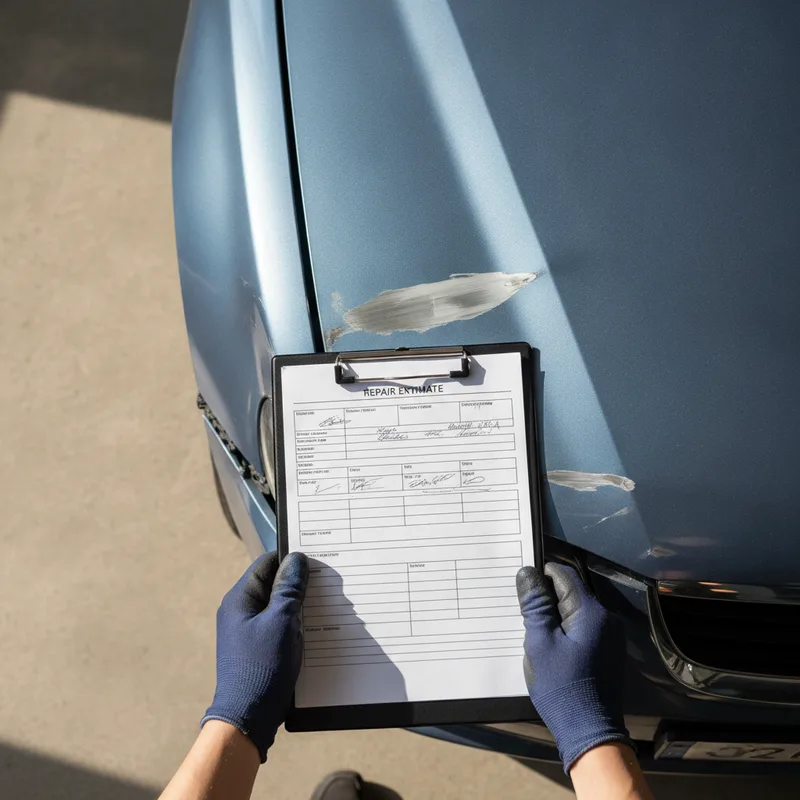
A written estimate should do more than list parts and labor costs. It needs to document the scope of damage clearly enough that your insurance company can’t dispute what was found. Vague estimates create problems later. If a repair shop hands you a number on a sticky note or quotes a price verbally without a detailed written breakdown, walk away.
Here’s what a thorough estimate at an auto body shop after an accident in Phoenix, AZ should include:
-
Itemized parts list, noting whether components are OEM or aftermarket
-
Labor hours broken down by repair category
-
Documentation of any structural or frame damage found
-
Notes on ADAS components that may need recalibration after repairs
-
Clear warranty terms tied to the specific work being performed
A lot of shops skip the ADAS recalibration line entirely. That’s a real problem. Vehicles built in the last several years have lane-keep assist, automatic emergency braking, and adaptive cruise control systems that rely on sensors and cameras often mounted near the areas most commonly damaged in accidents. Repairs that ignore recalibration leave drivers with systems that either malfunction or give false readings.
We’d actually push back on the common advice to always get three competing estimates. Getting a second opinion is smart. But chasing the lowest number often leads people to shops that cut corners on materials or skip diagnostic steps. A thorough estimate that uncovers everything upfront protects you during insurance negotiations far better than a low bid that misses half the damage.
Before you drop off your vehicle, photograph every existing scratch and dent separately. It’s simple documentation that prevents disputes later. You can contact us directly to schedule your assessment, or stop by. Walk-ins are welcome. Our 40-year presence in Phoenix means we’ve seen and documented nearly every damage pattern imaginable.
Insurance Coordination: How Brad’s Deer Valley Collision Handles Your Claim
Dealing with insurance after an accident is stressful. Most Phoenix drivers feel caught in the middle, unsure whether the shop or the adjuster is actually looking out for them. At Brad’s Deer Valley Collision, we handle the coordination directly so you don’t have to play middleman.
We work as a direct repair program partner with multiple insurance carriers. That relationship matters because it gives our team a direct line to adjusters, which cuts down the back-and-forth that typically drags out claims. You bring your vehicle in, we document the damage, and we communicate with your insurer from there. Most customers are genuinely surprised by how little they have to manage once that process starts.
What We Handle on Your Behalf
From the moment we write your estimate, our team begins building the documentation your insurer needs. That includes detailed photos, written damage assessments, parts pricing, and labor breakdowns. If a supplement is required because hidden damage shows up mid-repair (which happens more than most people expect), we file that directly with the adjuster rather than calling you to relay the news.
-
Initial estimate submitted to your carrier with full photo documentation
-
Direct adjuster communication throughout the repair process
-
Supplement requests handled in-house when additional damage is discovered
-
Final invoice and sign-off coordinated before vehicle release
One opinion worth stating plainly: a lot of people assume their insurer’s “preferred shop” recommendation is about quality. It’s usually about cost control. You have the legal right to choose your own auto body shop after accident regardless of what your carrier suggests. We’ve been earning that choice from Phoenix drivers since 1985, and you can read what those customers say on our customer reviews page.
Quality doesn’t get sacrificed to satisfy an insurer’s preferred pricing. If an adjuster pushes back on OEM parts or necessary structural repairs, our team pushes back on your behalf. That’s part of the job, and it’s something smaller shops without established carrier relationships often struggle to do effectively.
If you’re navigating a claim right now, contact us directly or stop by. We’re set up to help you move through this process without the confusion. Learn more about our full repair capabilities at our services page.
Common Mistakes to Avoid During the Repair Journey
Most repair problems don’t start in the shop. They start before a single panel gets touched, usually because a driver picked the wrong shop for the wrong reasons.
After four decades working collision repair in Phoenix, AZ, one thing is consistent: the customers who end up frustrated almost always made one of the same avoidable mistakes early in the process. Here’s what to watch for.
Accepting a Vague Estimate
A written estimate should itemize labor, parts, and materials. If a shop hands you a single number with no breakdown, walk away. Vague estimates leave room for corner-cutting that you’ll never be able to verify. Get two or three written estimates before committing, and make sure each one specifies whether parts are OEM or aftermarket.
Ignoring ADAS Recalibration
This is where a lot of Phoenix drivers get hurt without knowing it. Modern vehicles have systems like automatic braking, lane departure warnings, and blind-spot monitoring. After a collision, those sensors often need recalibration. Skipping that step doesn’t just void your warranty coverage; it puts you back on the road with safety systems that don’t actually work. Not every shop has the equipment to handle this correctly. Ask directly before you commit.
Assuming the Cheapest Bid Is a Deal
Unusually low bids almost always mean skipped surface prep, thin paint application, or recycled parts presented as new. A quality repair costs what it costs. The shops that cut prices usually cut steps too.
Not Photographing Your Vehicle at Drop-Off
Document every scratch and dent that existed before your car goes in. Do it yourself, on your phone, with timestamps. This protects you if there’s any dispute about pre-existing damage versus shop-caused damage.
One piece of advice you’ll hear less often: don’t let your insurer’s urgency become your urgency. Adjusters sometimes push for fast turnarounds. A thorough repair takes the time it takes, and Phoenix drivers who’ve been through the process will tell you that patience at this stage saves headaches later.
From Repair Bay to the Road: Inspection, Testing, and Your Warranty
The repair isn’t done when the last panel gets bolted on. That’s where a lot of shops cut corners, and it’s where Brad’s Deer Valley Collision takes a different approach.
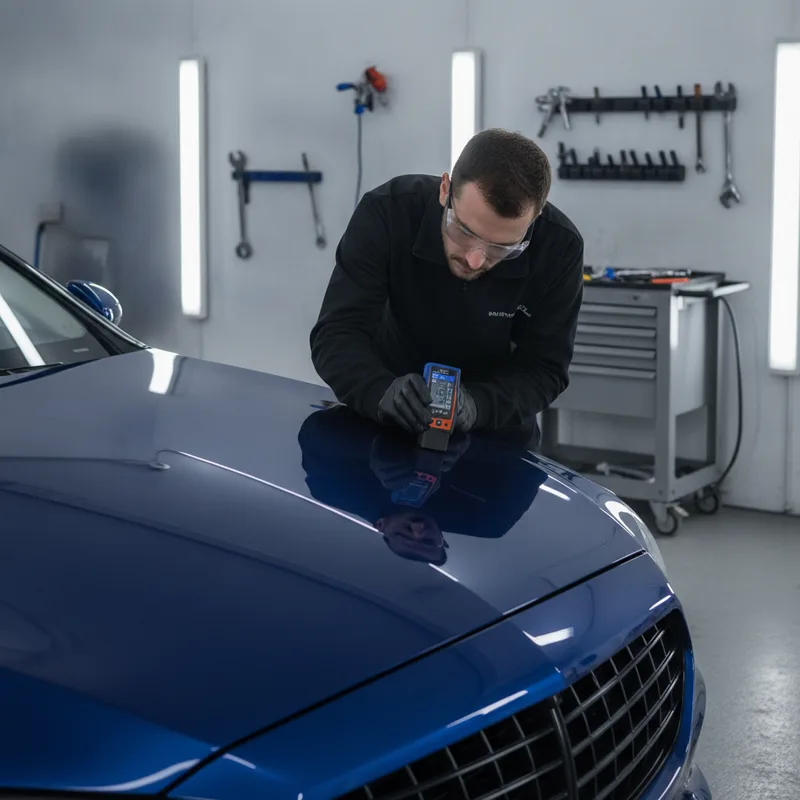
Before any vehicle leaves our facility in Phoenix, AZ, it goes through a structured final inspection. That means checking panel gaps, paint uniformity, and structural alignment. It means verifying that every component disturbed during the repair has been properly reassembled. It means test-driving the vehicle, not just rolling it out of the bay and calling it finished.
Safety System Recalibration
Here’s something most Phoenix drivers don’t know: if your vehicle has advanced driver assistance systems (ADAS), a collision can throw those systems out of calibration even when the physical damage looks minor. Lane departure warnings, automatic emergency braking, blind-spot monitoring, adaptive cruise control. All of these rely on sensors and cameras that need to be recalibrated after a repair. Skipping this step doesn’t just create a paperwork gap; it creates a real safety risk the next time you’re merging onto the I-17.
Many smaller shops don’t have the equipment to handle ADAS recalibration in-house. We do. It’s part of why choosing the right auto body shop after accident matters more than ever on newer vehicles.
Paint Curing and Final Finish Review
Paint needs time. A proper curing process protects the finish long-term, and rushing it produces results that look fine at pickup but start peeling or fading within a year. Our paint shop uses controlled curing protocols to make sure the finish bonds correctly before your car goes back on the road. Our certified painters also do a final color match check under consistent lighting conditions, because a mismatch that’s invisible in the bay can be obvious in Arizona sunlight.
Your Written Warranty
We back every repair with a written warranty. Not a verbal assurance. Not a vague “we stand behind our work” statement. A document you can hold onto.
Honestly, any shop that can’t hand you a written warranty at pickup isn’t a shop worth trusting. That’s a professional opinion, not a sales pitch.
When you’re ready to pick up your vehicle, our team walks you through everything that was done. You can read more about our full collision repair services, check out what real customers say about their experience, or contact us to schedule your estimate. We’ve been doing this in Phoenix since 1985, and we’re not done yet.
Frequently Asked Questions
Can I choose Brad’s Deer Valley Collision instead of my insurance company’s recommended shop?
Yes, absolutely. In Phoenix, AZ, USA, you have the legal right to choose any licensed, qualified auto body shop after an accident. Your insurance company can suggest a shop, but they can’t force you to use one. Brad’s Deer Valley Collision works as a direct repair program partner with most major insurers, so your claim gets handled smoothly whether you come to us through your insurer or on your own. Stop by the shop and we’ll walk you through the process from the start.
What should I photograph at the accident scene?
Take photos from multiple angles showing the full scene, then get close-ups of all vehicle damage, license plates, and the other vehicle if one is involved. Capture the road conditions, any skid marks, debris, and the surrounding location so there’s no question about where it happened. These photos do two things: they support your insurance claim and they help our technicians at Brad’s get a clearer picture of the damage before you even bring the vehicle in.
How long does the repair process typically take in Phoenix?
It depends on how much damage your vehicle has. Minor repairs usually take somewhere between 3 and 7 days. Moderate collision damage can run 1 to 3 weeks. When you visit Brad’s Deer Valley Collision, we give you a realistic timeline upfront so you’re not guessing. We also offer loaner vehicles and shuttle service to keep things manageable while your car is with us. Phoenix, AZ, USA traffic is tough enough without being stranded, so we try to make the process as smooth as possible.
Does Brad’s Deer Valley Collision use OEM or aftermarket parts?
For structural repairs and safety-critical components, we use OEM (original manufacturer) parts. That’s non-negotiable for us when your safety is on the line. For non-structural repairs, aftermarket parts may be an option if your insurance approves them and you’re comfortable with that. We talk through all of this transparently during the estimate phase so you know exactly what’s going into your vehicle before any work begins. You won’t be surprised when you pick up your car.
What warranty covers repairs at Brad’s Deer Valley Collision?
Brad’s provides a comprehensive written warranty covering all repairs and paint work. The full details are included right in your repair agreement, so there’s nothing vague about what’s protected. When you come in, ask your technician specifically about the coverage length and what’s included. We stand behind our work, and if something isn’t right after you leave, we want to know about it. Choosing a reputable auto body shop after an accident in Phoenix, AZ, USA means knowing your repairs are backed up in writing.
Let Brad’s Deer Valley Collision Handle Your Insurance Claim in Phoenix, AZ
Dealing with an insurance claim after an accident is stressful enough without trying to figure it out on your own. We’re here in Phoenix, AZ, USA to walk you through every step, from your free damage assessment to a written repair estimate you can actually understand and use. Stop by our shop or give us a call to speak directly with a certified technician who genuinely wants to get you back on the road without the runaround.
We’ve helped plenty of Phoenix drivers through this process, and we’d like to help you too. See what our customers are saying on Google and then come in so we can take a look at your vehicle today.