Warning Signs Your Phoenix Vehicle Needs Professional Frame Alignment After a Collision
Warning Signs Your Phoenix Vehicle Needs Professional Frame Alignment After a Collision
How to Tell If Your Vehicle Has Frame Damage After a Collision
After a collision, frame damage often shows up through a car that pulls to one side, a steering wheel that sits crooked even when the wheels are straight, or tires that wear unevenly within weeks of the crash. Drivers in Phoenix, AZ, USA experiencing any of these should have a professional inspect the frame before the issue affects handling further. Brad’s Deer Valley Collision has diagnosed these exact symptoms since 1985.
Picture this: you’re merging onto a Phoenix freeway and notice the car drifting right the second you let go of the wheel. Most drivers assume it’s a simple alignment issue and head to a tire shop. In our experience, that’s a mistake worth avoiding. A tire shop can adjust angles, but it can’t tell you whether the frame itself shifted during impact. That distinction matters because misaligned frames put uneven stress on suspension parts long after the collision.
If you’ve noticed any combination of these symptoms, our collision repair and frame alignment services page outlines what a full structural evaluation involves.
Steering and Handling Problems That Signal Frame Misalignment
Your hands on the wheel tell a story. Pay attention.
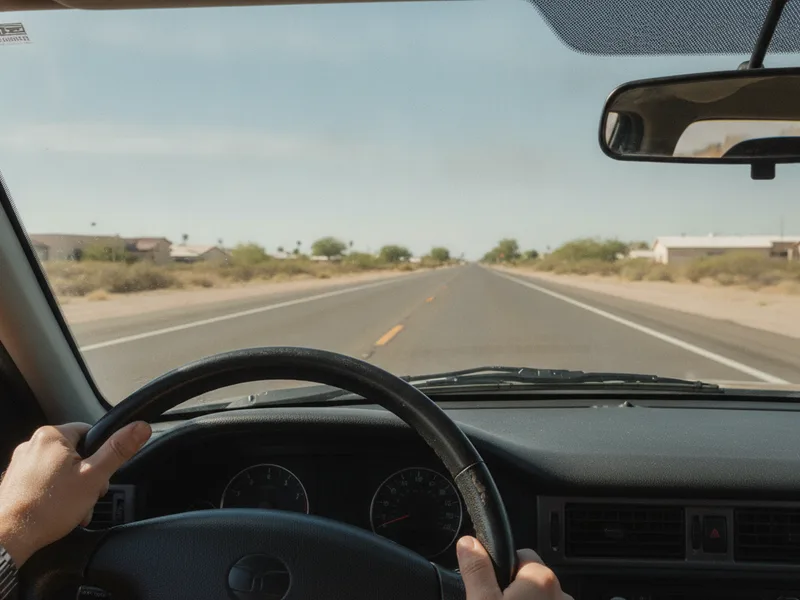
A misaligned frame changes how a car feels long before a dashboard light warns you. The most common complaint we hear at our Phoenix, AZ, USA shop is a steering wheel that no longer sits centered when the car is driving straight. If you have to hold the wheel slightly off-center just to keep the vehicle tracking straight, that’s not a small quirk. It’s a sign the front or rear structure has shifted out of factory spec.
Increased steering effort is another red flag. When frame rails bend, suspension geometry changes with them, and the steering system has to work against angles it wasn’t designed for. Some drivers describe it as the car feeling “heavier” to turn, especially at low speeds like parking lot maneuvers.
Loss of responsiveness matters too. A properly aligned car reacts to steering input almost instantly. After frame damage, there’s often a delay, a vague feeling before the car actually changes direction. In our experience, drivers tend to dismiss this as normal aging rather than collision damage, especially if the accident happened weeks earlier and the delay crept in gradually.
Watch for these specific patterns:
-
The car drifts left or right on a flat, straight road even with hands off applying no correction
-
The steering wheel sits crooked at highway speed despite the vehicle tracking straight
-
Turning requires noticeably more muscle than before the collision
-
The car feels “loose” or delayed when you first turn the wheel
Most drivers assume these issues will settle down on their own. They usually don’t. Frame geometry problems tend to get worse with regular driving, not better, particularly on Phoenix streets where daily commuting adds mileage quickly. A frame alignment after collision inspection can identify whether the structure needs correction before the symptoms affect tire wear or component life. If you’re noticing any of these behaviors, it’s worth having a certified technician take a look rather than waiting to see if it improves.
Tire Wear and Suspension Symptoms of Frame Damage
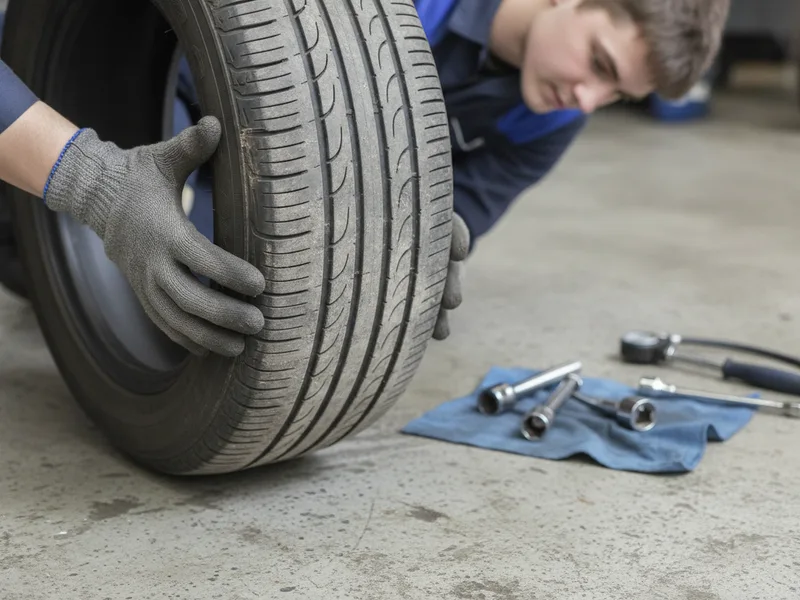
Techs at our shop check tire tread before anything else on a post-collision inspection. Tires don’t lie. A bent frame changes how each wheel meets the pavement, and that shows up as wear patterns no amount of rotation or air pressure will fix.
Feathering is one of the first signs. Run your hand across the tread. If it feels sharp on one edge and smooth on the other, your alignment angles are off, likely from impact forces that shifted the frame or suspension mounting points. Cupping looks like scalloped dips around the tire’s circumference. It usually points to worn or damaged suspension components rather than alignment alone, though after a crash the two often show up together.
Watch for wear concentrated on the inside or outside edge of one or two tires while the others look normal. That’s a classic frame misalignment after collision pattern, and it’s different from the even wear you’d expect from age or under-inflation.
Suspension problems tend to follow structural damage more often than drivers expect. Bent control arms, damaged strut mounts, or a shifted subframe can all mimic tire issues, and in our experience, shops that only rotate tires without checking suspension geometry end up treating the symptom, not the cause.
-
Uneven or premature tread wear on one side of the vehicle
-
Cupping, scalloping, or feathering patterns across the tread
-
A car that requires frequent air top-offs due to slow leaks from misaligned wheel angles
-
Noticeable vibration or thumping at highway speeds
Phoenix, AZ, USA drivers cover a lot of highway miles, which accelerates wear once alignment is off. Bring your vehicle by our shop for a visual tire and suspension check, no appointment necessary for a quick look.
Visual and Structural Red Flags to Inspect Yourself
Grab a flashlight. Walk around your car in good light and check these spots before you decide anything.
-
Door and panel gaps: Stand at the front of your car and look down each side. Gaps between the hood, fenders, and doors should be even on both sides. If one side looks wider or narrower, something shifted.
-
Bumper alignment: A bumper sitting higher on one corner, or pulling away from the fender at an angle, often points to frame movement underneath.
-
Doors and trunk that stick: Doors that won’t close flush, or a trunk lid that needs a shove to latch, usually mean the body opening has warped slightly.
-
Visible bends or ripples: Check the frame rails under the vehicle if you can safely see them. Any wrinkling, bowing, or paint cracking along a seam is worth flagging.
-
Windshield and glass gaps: Uneven gaps around glass, or a windshield that seems to sit crooked, can signal a twisted body structure.
Here’s where we push back on the usual advice. A lot of guides tell drivers to keep crawling under the car looking for damage. In our experience, once you’ve spotted one or two of these signs, more inspecting on your own doesn’t help; it just delays a proper diagnostic. Phoenix, AZ, USA drivers dealing with any of these red flags should stop there and get the vehicle checked with equipment that measures frame geometry precisely. You can request a free estimate and schedule a frame inspection through our contact page whenever you’re ready.
Why Frame Alignment Should Never Be Ignored
We’ve seen customers drive on a bent frame for months before anything catastrophic happens. Then one day, a hard brake at a Phoenix intersection turns into a fender bender that should’ve been a near miss. Frame damage doesn’t wait quietly; it changes how a vehicle behaves in exactly the moments you need predictable handling most.
A misaligned frame compromises the crumple zones engineers designed to absorb impact energy. If your frame is bent, those zones may not collapse the way they’re supposed to in a future collision, and airbag sensors that rely on precise structural cues can fire late or not at all. That’s not a risk worth carrying around.
Untreated frame issues also cascade into other systems. Suspension components wear faster when they’re fighting a misaligned frame. Transmission mounts and brake lines can shift out of their intended position, leading to problems that have nothing to do with the original collision on paper but trace directly back to it.
Insurance complications show up too. A vehicle with unresolved frame damage can raise questions during a future claim, and some insurers scrutinize prior repair history closely when structural issues are involved. It’s worth confirming coverage details and documentation requirements with your insurance provider before assuming a repair is fully closed out.
Resale value takes a hit as well. Buyers and dealers who run a vehicle history report will see a frame damage flag, and that can affect offers regardless of how the car drives day to day.
Frame alignment after a collision isn’t a cosmetic fix. It’s a structural one. At Brad’s Deer Valley Collision, we’ve been handling these repairs for Phoenix, AZ, USA drivers since 1985, and our approach treats frame work as foundational, not optional.
What to Expect During a Professional Frame Alignment Inspection
Walk into our shop after a collision, and here’s what actually happens. No guessing, no vague timelines. Just a straightforward process built to tell you exactly where your vehicle stands.
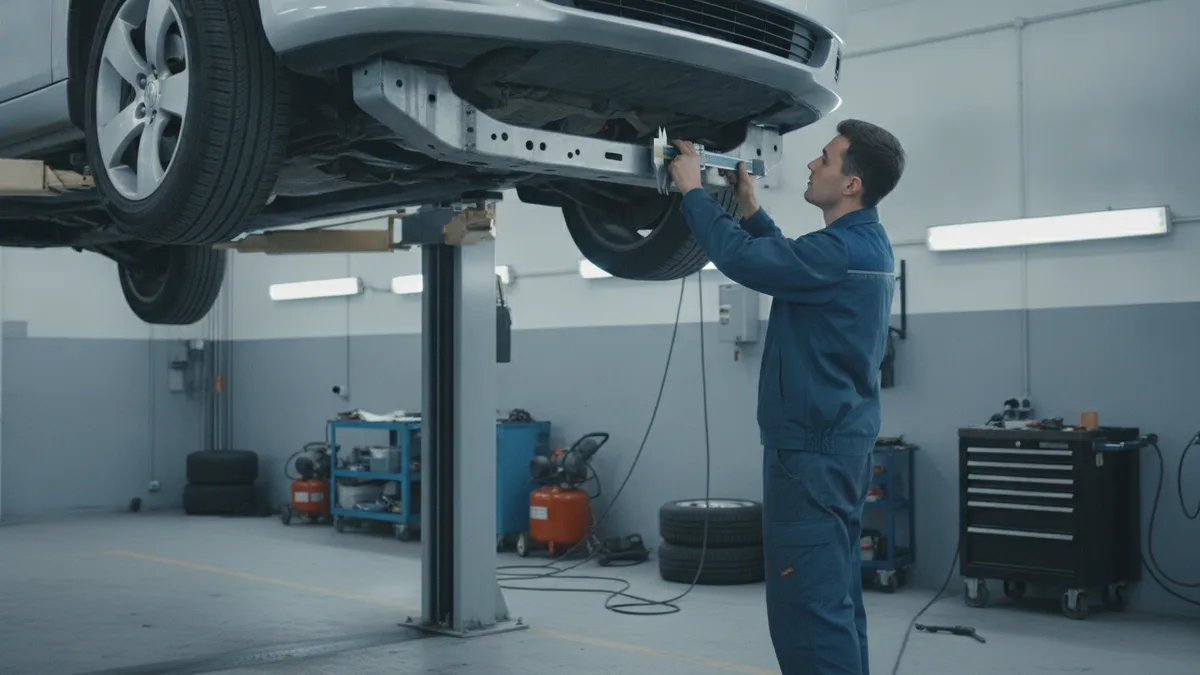
First, a technician puts your car on a laser measuring system. This tech reads your frame at multiple points and compares those numbers against the manufacturer’s original specifications. It’s the same approach shops across Phoenix, AZ, USA use to catch damage that’s invisible to the eye, tolerances off by fractions of an inch that still throw off handling and tire wear.
Once we have that data, we walk you through it. You’ll see where your frame deviates from spec, whether the damage is isolated or spread across multiple points, and what that means for drivability. In our experience, customers appreciate seeing the actual printout rather than just hearing “it’s bent.” Numbers build trust faster than opinions.
From there, we put together a written estimate. This covers labor, parts, and an honest repair timeline based on what the measurements show. A shop that won’t hand you something in writing before starting work is a shop worth questioning.
We’ll also flag whether ADAS recalibration is needed, since misaligned frames often throw off sensor-based safety systems on newer vehicles. If insurance is involved, we’ll document everything clearly enough to support your claim. For anything involving your safety or your insurance rights, it’s worth confirming details with your insurer directly.
Get Your Phoenix Vehicle Inspected by Certified Frame Alignment Specialists
Techs notice a pattern: the cars that end up needing the most extensive repairs are usually the ones whose owners waited weeks to get a second opinion. Don’t let a bent frame become someone else’s problem to solve later.
Brad’s Deer Valley Collision has been assessing collision damage in Phoenix, AZ, USA since 1985. That history matters when you’re deciding who touches your vehicle’s structure. Our 40 years of certified experience gives Phoenix drivers a straightforward way to check our credentials before committing to any shop.
We display our I-CAR and ASE certifications for a reason. Ask to see them. Ask about OEM versus aftermarket parts, warranty terms, and realistic turnaround estimates, and get those answers in writing before you sign anything. A shop that hesitates on paperwork is a shop worth reconsidering.
Our laser measuring systems and ADAS recalibration equipment catch what a visual check alone misses. Stop by for a written estimate, ask about loaner vehicles or shuttle service, and let a qualified technician confirm whether your vehicle needs frame alignment after collision. Walk-ins are welcome at our Phoenix shop.
Frequently Asked Questions
How much does frame alignment cost in Phoenix?
Frame alignment pricing in Phoenix depends on how bad the damage is, what kind of vehicle you drive, and which alignment method the shop needs to use. Minor jobs might run somewhere in the $500 to $1,200 range, while a car with major structural damage can push past $3,000. Every situation is different, so treat those numbers as a general ballpark rather than a quote. Brad’s Deer Valley Collision offers a free diagnostic inspection and gives you a written estimate before any work starts, so you know what you’re dealing with.
Can I drive my car if the frame is bent?
Driving on a bent frame isn’t something we’d recommend to anyone. A damaged frame throws off your vehicle’s structural integrity, which affects how the crumple zones absorb impact and whether your airbags deploy the way they’re supposed to in another accident. It can also cause your warranty coverage to get denied later on. If you suspect frame damage, stop driving the car and get it looked at. Brad’s Deer Valley Collision can schedule an inspection quickly so you’re not left guessing.
Will my insurance cover frame alignment after a collision?
In most cases, yes. If the frame damage came from a collision, comprehensive and collision policies typically include frame alignment as part of the covered repair work. Coverage details vary by policy and provider, so it’s worth confirming your specific terms with your insurance company or agent. Brad’s Deer Valley Collision works directly with insurance adjusters and handles the claim paperwork, which takes a lot of the back-and-forth off your plate.
How long does frame alignment repair take?
Timing really depends on how severe the damage is. A straightforward alignment job might only take a day or two, but structural frame repair can stretch to a few weeks if parts need to be ordered or the damage is extensive. Brad’s Deer Valley Collision lays out an estimated timeline right alongside your written estimate, and we keep you posted if anything changes along the way. That way you’re not left wondering what’s going on with your car.
What’s the difference between wheel alignment and frame alignment?
Wheel alignment adjusts the angle of your tires so they sit correctly against the road. Frame alignment is a different repair altogether. It fixes structural damage to the actual chassis of the vehicle, which is the frame everything else is built on. After a collision, a car might need one, the other, or both. Brad’s Deer Valley Collision checks for both issues during inspection so nothing gets missed, since a car can drive fine on the surface while still having underlying frame problems.
Get Your Frame Checked by Someone Who Knows What to Look For
A frame that’s even slightly out of alignment can affect handling, tire wear, and how your vehicle responds in another collision. If your car has been in an accident, a proper inspection is the only way to know whether the frame is straight or hiding damage that isn’t visible from the outside. Our technicians in Phoenix, AZ, USA can take a look, walk you through what they find, and put it in writing so you have something to work from.
Stop by Brad’s Deer Valley Collision for a free frame alignment inspection, or browse our full collision repair and frame alignment services to see how we handle everything from minor dents to structural work. Curious what other drivers in the area have experienced? Feel free to check out our reviews on Google. For anything involving your vehicle’s safety, it’s always worth having a qualified technician confirm the extent of the damage before you get back on the road.