Plastic vs. Metal Bumper Repair in Phoenix, AZ: Which Solution is Right for Your Vehicle
Plastic vs. Metal Bumper Repair in Phoenix, AZ: Which Solution is Right for Your Vehicle
The Quick Answer: Plastic vs. Metal Bumpers
Most modern vehicles use plastic composite bumper covers over a metal or foam reinforcement bar, so the right fix depends on what’s actually damaged. Plastic bumper repair works well for cracks, scuffs, and minor dents in the cover itself, while metal replacement becomes necessary when the underlying reinforcement bar or bracket has bent or fractured. Brad’s Deer Valley Collision has been assessing this exact question for drivers in Phoenix, AZ, USA since 1985.
Picture a driver who backed into a low retaining wall near a Phoenix parking lot and cracked the front bumper cover. In that case, plastic repair often restores the panel without a full replacement. But if the same impact pushed back the metal bracket behind it, repairing the plastic alone won’t address the structural issue underneath, and that’s a distinction we see missed on a lot of estimates from less experienced shops.
There isn’t a single correct answer for every vehicle. Damage depth, the type of material involved, and what’s hiding behind the cover all factor into the decision. Our full range of bumper and collision repair services covers both scenarios, and a hands-on inspection is really the only reliable way to know which path fits your situation.
Understanding Modern Bumper Construction
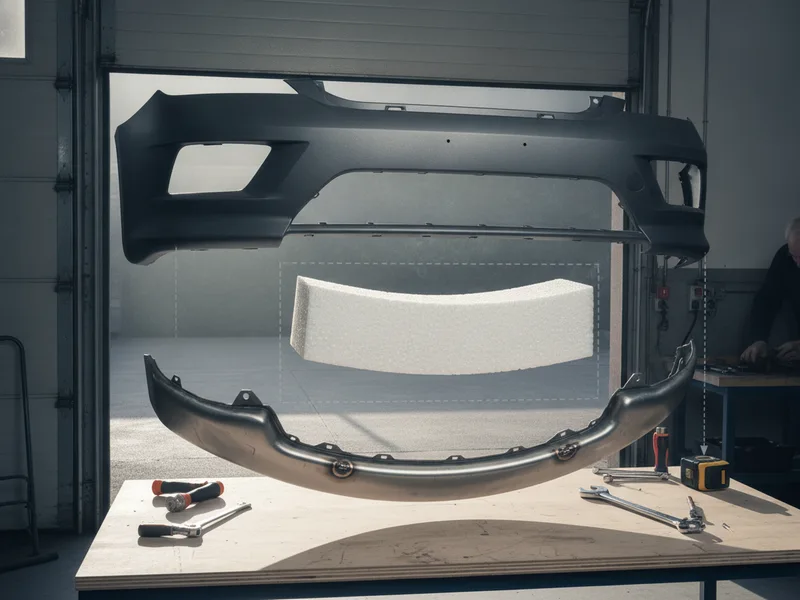
Here’s what most drivers don’t realize until we open up their vehicle on the lift. That “bumper” you see on the outside isn’t a bumper at all. It’s a plastic cover, usually a blend of polypropylene and other polymers, mounted over a metal or high-density foam reinforcement bar. The bar does the structural work. The cover just makes the car look finished and directs airflow.
Manufacturers moved away from solid metal bumpers decades ago, and the reasoning was practical, not cosmetic. Plastic covers flex and bounce back from low-speed impacts instead of denting permanently. They’re lighter, which helps with fuel efficiency and handling. They’re also cheaper to mold into the curved, aerodynamic shapes that modern car design demands. A steel bumper simply can’t be shaped the way today’s front and rear fascias are.
The reinforcement bar behind that cover is where the real crash energy gets managed. Steel bars bend and sometimes crumple to absorb force before it reaches the frame. Aluminum bars do something similar but tend to be lighter and slightly less forgiving under repeated stress. Foam absorbers, common on many newer sedans, compress on impact and are almost always a replace-only item once crushed.
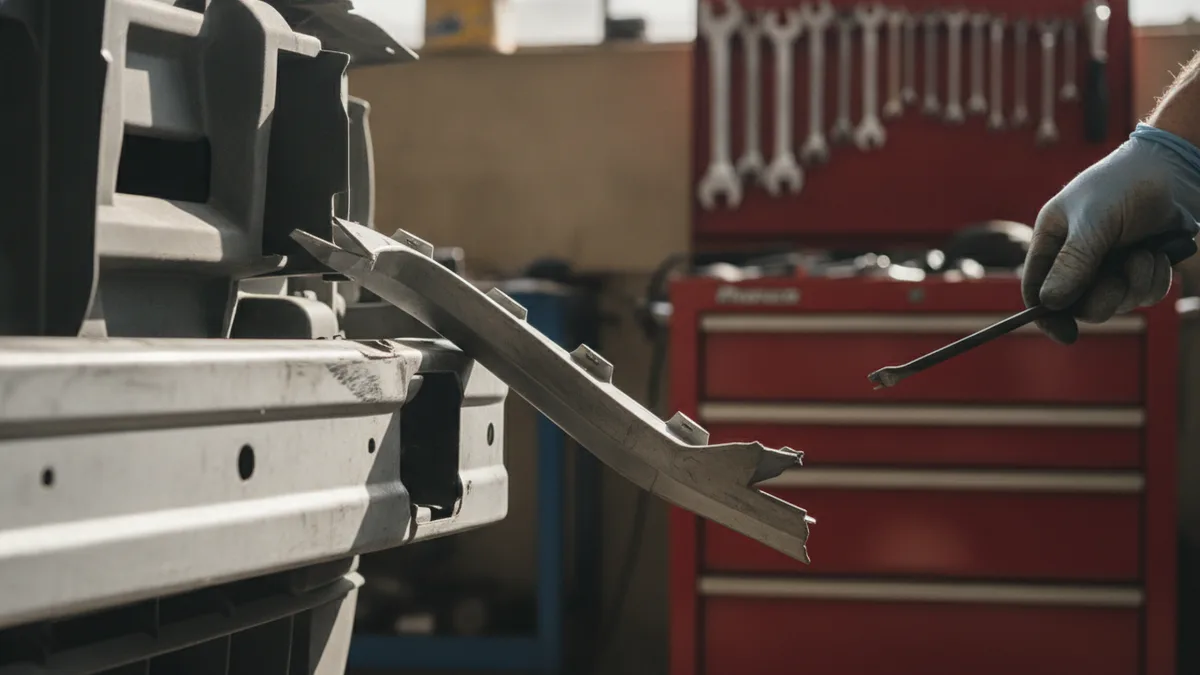
This layered design changes how we approach every repair estimate at our shop. A scraped or cracked plastic cover often gets fixed and repainted, since the material is flexible enough to be heated, reshaped, and reinforced from behind. In our experience, a lot of drivers assume any crack means a full bumper replacement, but that’s not always true. If the reinforcement bar underneath is straight and undamaged, plastic bumper repair is frequently the more sensible route.
Phoenix, AZ, USA adds one more variable worth mentioning. Intense summer heat can make plastic more pliable, which sometimes helps with reshaping during repair, but it also accelerates UV fading on repainted panels if the paint match and clear coat aren’t handled correctly. That’s a detail we watch closely on every job that comes through our Phoenix, AZ location.
Durability and Longevity: What Each Material Delivers
We see a pattern every summer. Cars come in with bumper covers that look almost sunburned, faded and slightly warped from months of sitting in Phoenix driveways. The plastic itself is holding up fine structurally; it’s the surface that’s taking the beating.
Plastic bumper covers handle Arizona heat better than most people expect. The material flexes under minor impacts and tends to pop back into shape rather than crease permanently, which is one reason plastic bumper repair is often a realistic option after a low-speed parking lot bump. UV exposure is the real long-term threat. Without a quality clear coat, plastic can become brittle and prone to stress cracking around mounting points after years in direct sun. That’s a maintenance issue as much as a material flaw, and it’s something we flag during every estimate.
Metal reinforcement bars behave differently. They don’t fade or get brittle from sun exposure, and they can absorb a harder hit without cracking apart. Rust is the tradeoff. Phoenix doesn’t have the road salt that accelerates corrosion in colder states, so metal components here often outlast what you’d see in the Midwest or Northeast. Chipped paint or a nick in the coating can still let moisture in over time, especially on vehicles that see monsoon season storms.
Impact resilience splits along similar lines. Plastic covers absorb minor cosmetic damage well but can shatter outright in a harder collision. Metal bars resist that kind of catastrophic failure but transmit more force, which sometimes means more damage to what’s behind them.
On appearance retention, we’ve found that a properly repaired and repainted plastic bumper often looks better five years out than an aftermarket metal replacement with mismatched paint. Fit and finish matter more than most owners assume when they’re weighing repair against replacement.
Cost Comparison: Repair vs. Replacement
Money talks. Let’s talk numbers, or at least the factors that drive them, since exact pricing depends on your specific vehicle and damage.
Plastic bumper repair is almost always the cheaper path when the damage is cosmetic. Cracks, small punctures, scuffs, and minor dents can typically be filled, reinforced from the back side, sanded, and repainted without replacing the whole cover. Labor and materials for this kind of work are limited to the damaged section, which keeps costs down compared to a full swap.
Metal reinforcement bar replacement is a different story. If that bar behind the cover is bent, cracked, or compromised in an impact, repair isn’t usually an option. Metal bars get replaced, not patched. That means parts costs, labor to remove the old bumper cover, install the new bar, then reinstall or replace the cover itself. It adds up faster.
What Shifts the Price
-
Extent of damage: A six-inch crack costs less to address than a bumper cover with multiple impact points or structural cracking near the mounts.
-
OEM versus aftermarket parts: Original manufacturer parts generally cost more than aftermarket alternatives, but fit and finish can vary with aftermarket options. We walk customers through this tradeoff on every estimate.
-
Labor rates and paint matching: Phoenix labor rates and the complexity of matching your vehicle’s factory color affect the final bill more than most people expect.
-
Sensor and camera recalibration: Bumpers with parking sensors or ADAS components often require recalibration after repair or replacement, which adds a line item many drivers don’t anticipate.
Here’s our take, based on what we see roll through the shop: a lot of guides suggest replacement is always safer for insurance purposes. In our experience, that’s not automatically true. A well-executed plastic bumper repair can hold up fine and costs less, especially when the reinforcement bar and mounting points are intact. Replacing a bumper that didn’t need it just because it’s the “safe” choice isn’t good advice for your wallet.
Getting two or three written estimates is the best way to see where your specific repair lands. Our team at Brad’s Deer Valley Collision can walk you through the specifics; you can request a collision repair cost estimate through our contact page and get real numbers instead of guesswork.
When to Choose Plastic Bumper Repair
Nine times out of ten, the bumpers we look at in our Phoenix, AZ, USA shop don’t need to be replaced. They need attention to the surface, not a whole new part. That’s the pattern we see week after week: drivers assume a cracked bumper means a full replacement, when the damage is often limited to the cover itself.
Plastic bumper repair makes sense in a specific set of situations. Consider these common scenarios:
-
Minor dents from parking lot bumps or shopping cart contact, where the plastic has flexed but not fractured through
-
Surface cracks that haven’t spread across mounting points or into the reinforcement bar
-
Scrapes and scuffs from curb contact or low-speed contact with another vehicle
-
Cosmetic gouges that don’t expose the underlying support structure
Our technicians typically address these using heat-based plastic welding, structural adhesives, and reinforcement mesh applied to the back side of the cover. Once the base repair is done, we blend and prime the area before repainting, using paint-matching technology to keep the finish consistent with the rest of the panel. Done well, the repaired section holds up under normal driving conditions and doesn’t stand out visually next to the original paint.
Here’s a point where we disagree with some of the generic repair advice floating around online: not every crack automatically means “replace it.” We’ve restored plastic bumpers with cracks longer than six inches, provided the surrounding plastic was still flexible and the mounting brackets were intact. The condition of the plastic matters more than the length of the damage.
Fading and minor UV damage, something Phoenix, AZ, USA vehicles deal with often, usually falls into repair territory too. A qualified technician can typically tell during an in-person inspection whether a bumper is a good repair candidate or headed toward replacement.
When Metal Bumper Replacement is the Better Option
Here’s where we stop talking about the plastic cover and start talking about what’s behind it. If the reinforcement bar is bent, cracked, or torn from its mounts, repair isn’t really on the table anymore. That bar exists to absorb and redirect crash energy away from the frame and away from you. Once it’s deformed, it can’t do that job the way the manufacturer engineered it to.
A bent reinforcement bar is a structural problem, not a cosmetic one. We check for a few specific things during inspection: whether the bar is bowed out of its original shape, whether the mounting brackets are torn or stretched, and whether the impact has pushed force back into the frame rails or crash sensors. Any one of those findings usually points to replacement rather than repair.
Alignment matters too. A bumper reinforcement that’s sitting even slightly off can throw off panel gaps, affect how airbag sensors read an impact, and change how the bumper performs in a future collision. In our experience, some guides oversimplify this and suggest straightening a bent bar back into place. On paper it sounds reasonable. On the vehicles we’ve inspected, a bar that’s been bent once rarely returns to its original strength, even after straightening.
Safety systems raise the stakes further. Many vehicles now route sensor wiring and mounting points through the bumper assembly, and ADAS recalibration is often required after a metal bumper replacement to confirm those systems are reading correctly again. That’s not a step to skip.
Metal bumper replacement costs more than plastic bumper repair, but for drivers in Phoenix, AZ, USA dealing with structural damage, it’s the option that keeps the vehicle performing the way it was designed to. When there’s any doubt about severity, a qualified technician can inspect the reinforcement bar directly rather than guessing from the outside.
Insurance, Estimates, and Your Repair Decision in Phoenix
We hear the same line almost every week: “My insurance said I have to go to their shop.” That’s not accurate. Arizona drivers have the right to choose their own repair shop, no matter which body shop an insurer suggests or which shops sit inside their direct repair network.
A written estimate should spell out labor, parts (OEM versus aftermarket), paint work, and any calibration needs tied to sensors mounted in the bumper. If a shop won’t put numbers on paper, treat that as a warning sign. In our experience, getting two or three written estimates before committing gives Phoenix, AZ, USA drivers a much clearer picture than relying on a single quote or a verbal ballpark.
Deductibles matter here too. A low-cost plastic bumper repair might land close to or even under your deductible, in which case filing a claim may not make financial sense. That’s a conversation worth having with your insurer directly, since coverage details and deductible amounts vary by policy.
Before dropping off a vehicle, photograph the existing damage and pull any valuables out of the car. It’s a small habit that protects you if there’s ever a dispute about pre-existing wear.
Shops that have been part of a community for decades tend to have a track record worth checking. Our background and local repair experience since 1985 page covers our certifications and history, information that’s worth reviewing before you sign off on any repair.
Frequently Asked Questions
Can a plastic bumper be repaired if it’s cracked?
Yes, a cracked plastic bumper is often repairable rather than needing full replacement. Technicians use specialized adhesives, reinforcement patches, and plastic welding to fix minor and moderate cracks so the bumper holds up like new. It’s usually the cheaper route too. That said, if the crack is huge or there are several of them spread across the bumper, replacement might make more sense. A tech can tell you which category your damage falls into after a quick look.
How long does a plastic bumper repair take at a Phoenix body shop?
A simple dent or scratch on a plastic bumper usually takes one to three days to fix. If there’s a crack that needs reinforcement work, plan on three to five days instead, since that process involves more steps and curing time. Paint matching and how busy the shop is on a given week can push those timelines around. Brad’s Deer Valley Collision can give you a real number once we’ve seen the vehicle in person.
Is aftermarket plastic bumper repair as good as OEM?
Aftermarket bumper parts run cheaper, but they don’t always fit as tight or hold up as long as OEM (original manufacturer) parts. Some aftermarket pieces are solid; others have noticeable gaps or fitment issues once installed. It really depends on the brand and your specific vehicle. Bring this up with your technician during your estimate so you understand what you’re getting with each option before committing to one.
What happens if the metal reinforcement bar is bent but the plastic cover isn’t?
A bent reinforcement bar is a bigger deal than it looks, even when the plastic cover in front of it seems totally fine. That bar is what absorbs impact energy in a collision, and once it’s bent, it can’t do that job the way it’s supposed to. It needs straightening or replacement to get your bumper’s protection back to where it should be. Don’t assume everything’s fine just because the outside looks untouched.
Does my insurance cover plastic bumper repair in Phoenix, AZ?
Most comprehensive and collision policies cover bumper damage, but what you actually get paid depends on your specific policy, your deductible, and whether the adjuster considers the bumper repairable versus needing replacement. Every policy is a little different, so it’s worth calling your insurance provider directly with questions about your coverage. Brad’s Deer Valley Collision works with insurance companies regularly and can help walk you through the claims process when you bring your vehicle in.
Get a Straight Answer on Your Bumper Damage
A cracked or dented bumper doesn’t always mean a full replacement, sometimes a repair does the job and saves you money. The only way to know for sure is to have it looked at in person. Brad’s Deer Valley Collision offers free written estimates for drivers in Phoenix, AZ, USA, so you can make a decision based on facts, not guesswork.
Stop by our shop or reach out to schedule an inspection, and take a look at our full range of bumper and collision repair services while you’re at it. Curious what other Phoenix drivers think of the work we do? You can check out our reviews on Google before you visit.