Fleet Vehicle Damage Repair for Phoenix Businesses: Minimizing Operational Downtime
Fleet Vehicle Damage Repair for Phoenix Businesses: Minimizing Operational Downtime
Why Fleet Vehicle Downtime Costs Your Phoenix Business Money
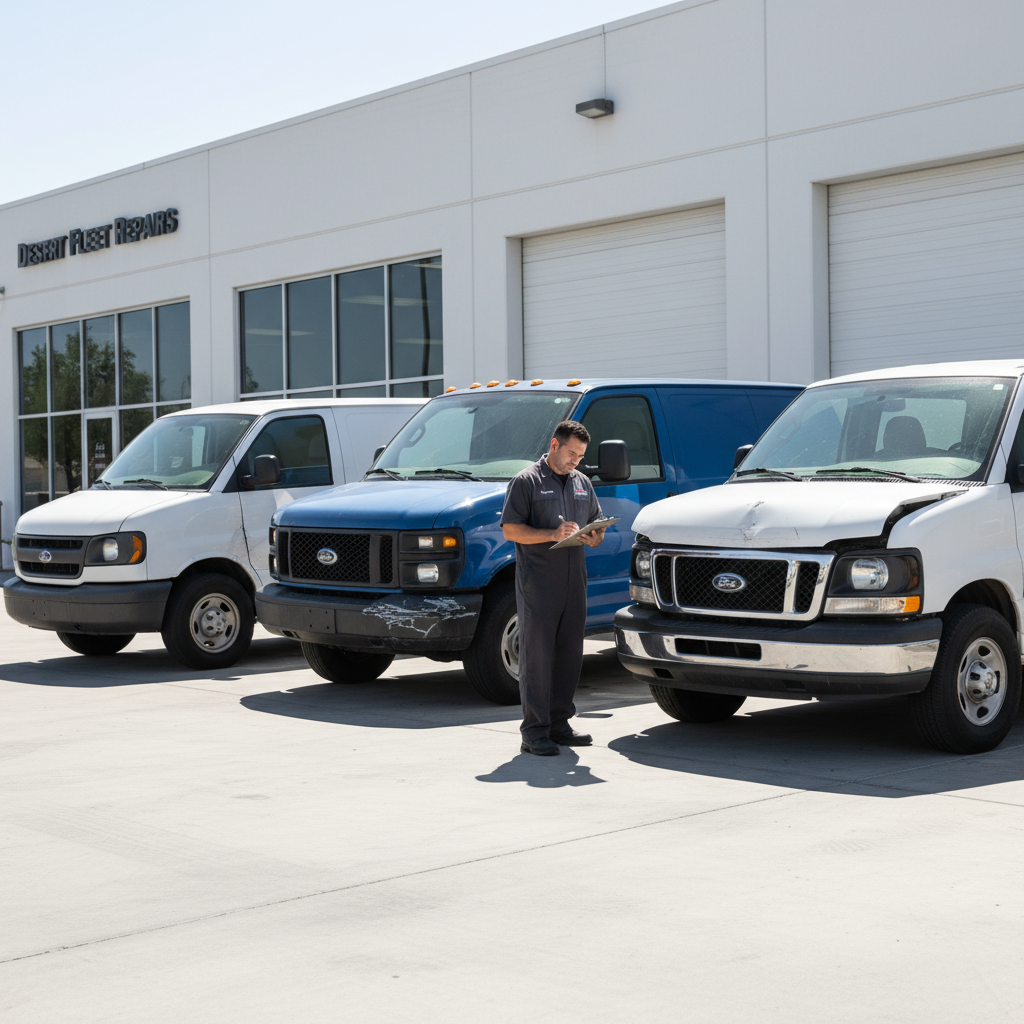
It’s Tuesday morning, and your delivery driver calls in from the I-17 corridor near Desert Ridge Marketplace. One of your box trucks just took a hit in a parking lot. The bumper is crumpled, a door won’t close right, and the vehicle isn’t going anywhere until it gets assessed. That’s not just a repair problem. That’s a revenue problem, sitting idle on the side of the road.
For Phoenix businesses that depend on a working fleet, every hour a vehicle is out of service translates directly into lost productivity. A single commercial van off the road can mean missed deliveries, rescheduled jobs, and frustrated clients who won’t always give you a second chance. Multiply that across two or three vehicles at once and you’re looking at a serious operational hit.
The numbers add up fast.
A lot of fleet managers underestimate downtime costs because they only count the repair bill. That’s a mistake. The actual cost includes driver idle time, rental or loaner vehicle expenses, overtime for other drivers picking up the slack, and the harder-to-quantify damage to your reputation when timelines slip. The Federal Motor Carrier Safety Administration has long emphasized that vehicle maintenance and rapid return-to-service directly affect a carrier’s safety rating and operational standing, not just their budget.
Phoenix’s heat doesn’t help either. Vehicles operating in the Valley take a beating year-round. Extreme temperatures stress body panels, fade paint, and accelerate wear on components that were already compromised in a collision. Delaying fleet vehicle damage repair in this climate isn’t just inconvenient. It’s how minor damage becomes structural damage.
Here’s the professional opinion most people don’t want to hear: the cheapest repair option usually creates the longest downtime. Shops that cut corners on surface prep or skip post-repair alignment checks are sending your vehicle back out in worse shape than the estimate suggested. You end up back in the shop weeks later, losing even more time.
Businesses in Phoenix, AZ deserve a repair partner who understands the full cost picture, not just what it takes to make a vehicle look fixed. Getting your fleet back on the road quickly, correctly, and with a written warranty behind the work is what actually protects your bottom line.
The Hidden Dangers of Rushing Fleet Repairs: Common Mistakes to Avoid
Speed kills quality. That’s not an exaggeration when we’re talking about fleet vehicle damage repair. The pressure to get a truck or van back on the road is real, but cutting corners in the repair process creates problems that are far more expensive than a few days of downtime.
Here are the mistakes we see most often when fleet managers prioritize speed over substance.
Missing Hidden Frame Damage
A crumpled bumper is what you see. What you don’t see is whether the impact transferred force into the frame rails or unibody structure underneath. Plenty of shops will fix the cosmetic damage and hand you the keys without ever pulling the vehicle onto a frame measurement system. That vehicle is now a liability. The NHTSA is clear that compromised structural integrity directly affects crash protection. Don’t assume a shop checked for it. Ask specifically.
Skipping Safety System Recalibration
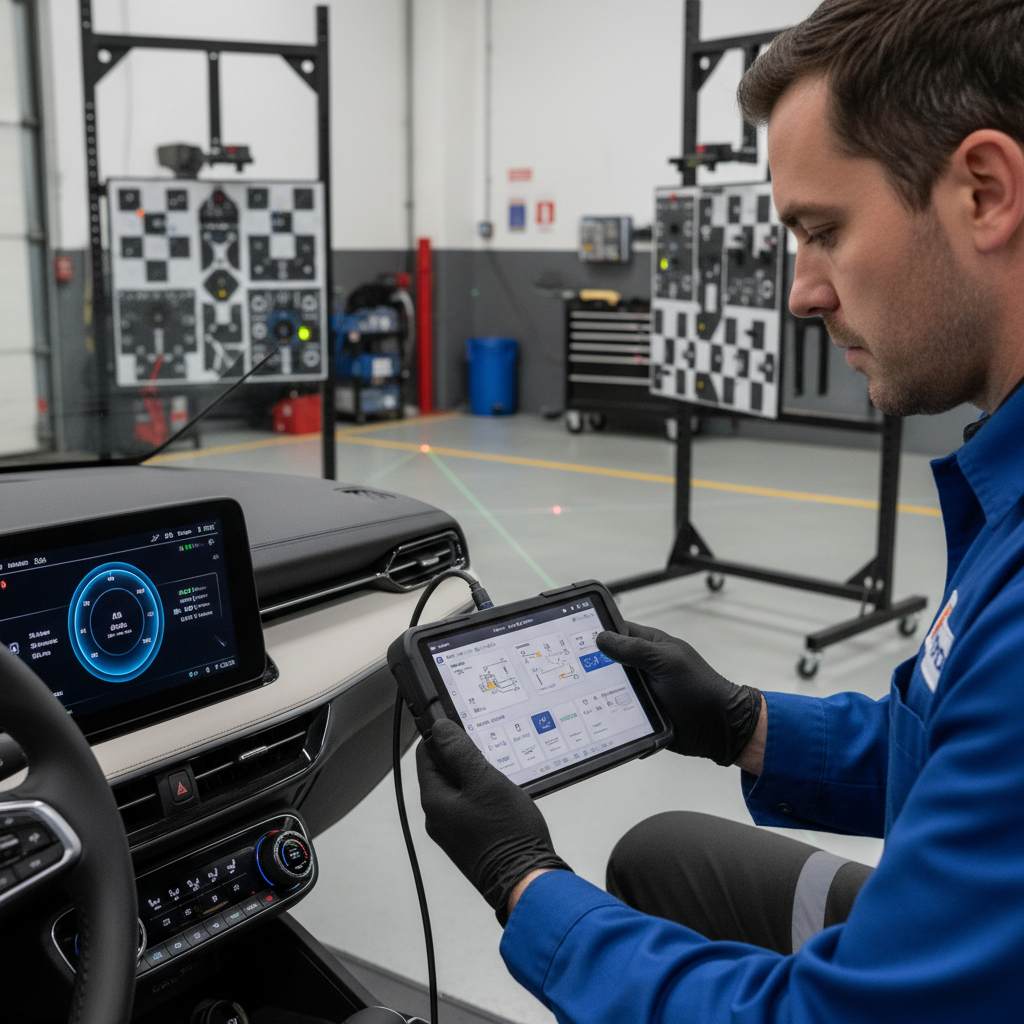
This one surprises a lot of fleet managers. Modern commercial vehicles are packed with driver assistance technology, automatic braking, lane departure warnings, and collision sensors. A rear bumper replacement or even a significant dent repair can knock those systems out of alignment. Many shops, especially quick-turnaround operations, skip recalibration entirely because it takes time and equipment they don’t have. We think this is the most underestimated risk in fleet collision repair today.
Ignoring Warranty Coverage
No written warranty is a red flag. Full stop. Any reputable shop doing fleet work in Phoenix, AZ should stand behind their repairs in writing. Vague verbal assurances don’t hold up when a repainted panel starts peeling six months later.
There’s a common belief that the fastest estimate is the smartest choice for fleet budgets. We’d push back on that. Unusually low bids almost always mean corners are being cut on materials, prep work, or labor time. You’ll pay for it later, just in a less obvious way.
-
Always request a written estimate and written warranty before approving any work
-
Confirm the shop has frame measurement and ADAS recalibration equipment on-site
-
Check for I-CAR or ASE certifications before committing
Protecting your fleet starts with choosing the right shop, not the fastest one.
What Professional Fleet Collision Repair Services Include
One pattern you notice after doing this work for decades: fleet managers often underestimate how much goes into a proper commercial vehicle repair. They picture a paint job and a straightened bumper. The reality is considerably more involved.
True professional fleet vehicle damage repair covers several distinct layers of work, and each one matters.
Structural Assessment and Frame Alignment
It starts with a thorough inspection. Not a visual walk-around, but a measured, documented evaluation of the vehicle’s frame and structural integrity. At Brad’s Deer Valley Collision, we use computerized measuring equipment to catch frame displacement that you simply can’t see with the naked eye. A delivery van that looks drivable after a collision can have subtle frame distortion that affects tire wear, handling, and driver safety over thousands of Phoenix miles.
Frame alignment isn’t optional. It’s the foundation everything else is built on.
Body Repair and Paint Matching
Commercial vehicles take harder hits than personal cars. The repair work has to hold up to daily use on routes through the Valley, not just look good for a week. Our team handles everything from dent removal and bumper repair to full panel replacement, and we don’t consider a job finished until the bodywork is solid underneath, not just smooth on top.
Paint matching is where a lot of shops quietly cut corners on fleet work. The thinking goes that fleet vehicles don’t need showroom finishes. We disagree. Your vehicles carry your company name. Faded, mismatched panels reflect directly on your brand, especially for client-facing industries. Our full range of auto body services includes precision paint matching technology that keeps your fleet looking consistent.
Safety System Recalibration
This is the area most fleet operators don’t think about until something goes wrong. Modern commercial vehicles carry advanced driver assistance systems including automatic emergency braking, lane departure warnings, and backup cameras. Any significant collision can knock these systems out of calibration, even if the sensors themselves look undamaged.
Skipping recalibration after a repair isn’t just a quality issue. It’s a liability issue.
Documentation and Fleet Records
Professional fleet collision repair also means proper paperwork. Repair records, parts documentation, and written warranties protect you if a vehicle is ever involved in a future incident or insurance dispute. We provide written estimates and full documentation on every repair, so your records stay clean.
If you’re managing vehicles across Phoenix, AZ, the repair process your shop follows matters as much as the repair itself. Learn more about our dedicated fleet repair services and what a complete, properly documented repair looks like from start to finish.
Insurance Claims and Direct Repair Programs: How We Streamline the Process
Insurance paperwork is nobody’s favorite part of fleet vehicle damage repair. But handled wrong, it’s also one of the biggest sources of unnecessary downtime for Phoenix businesses.
Here’s what most fleet managers don’t realize: you have the right to choose your own repair shop, regardless of what your insurer suggests. Insurance companies sometimes push preferred vendors that serve the insurer’s interests, not yours. Don’t assume their recommendation is your only option.
What a Direct Repair Program Actually Does for You
Brad’s Deer Valley Collision participates in Direct Repair Programs (DRPs) with major carriers. That matters because DRP shops handle the documentation, estimates, and insurer communication directly. Your fleet manager doesn’t end up buried in phone calls trying to explain damage to an adjuster who’s never seen the vehicle.
We coordinate on your behalf. That includes submitting accurate repair estimates, corresponding with adjusters, and flagging any supplemental damage discovered during the repair process. Hidden frame issues, for example, aren’t always visible in initial photos. We document everything and update the claim accordingly so there are no surprises at pickup.
Faster Approvals, Faster Returns
Speed matters here. An established relationship with insurers means fewer delays waiting for approvals. We know what documentation carriers require upfront, and we provide it correctly the first time. That eliminates back-and-forth that can add days to a vehicle’s turnaround.
We’ve been doing this work in Phoenix since 1985. That kind of history with local and national carriers builds communication channels that newer shops simply don’t have yet.
If your fleet runs multiple vehicles and deals with recurring claims, having a single shop handle the entire process consistently isn’t just convenient. It’s a smarter way to protect your operational budget over time.

Five Key Questions to Ask Your Fleet Repair Shop Before Committing
Fleet managers who’ve been burned before know this: the wrong shop costs you far more than the repair bill. Before you hand over keys to any Phoenix facility handling your fleet vehicle damage repair, run through these five questions. The answers tell you almost everything.
Are Your Technicians I-CAR or ASE Certified?
Certifications matter. They’re not just wall decorations. I-CAR Gold Class designation means the shop invests in ongoing training, which directly affects repair quality. Ask to see credentials. Any reputable shop will show them without hesitation.
2.
What’s Your Written Warranty Policy?
Get the warranty in writing before you commit. Some shops offer vague verbal assurances that evaporate the moment a problem surfaces. A solid written warranty protects your business and signals that the shop stands behind its work. No written warranty is a hard stop.
Can You Provide a Realistic Turnaround Estimate?
This is where a lot of shops overpromise. Honestly, an optimistic turnaround estimate that doesn’t account for parts sourcing or hidden damage is worse than a longer honest one. You need accurate timelines to manage driver schedules and customer commitments.
Do You Use OEM or Aftermarket Parts?
Ask directly. OEM parts maintain manufacturer specifications. Aftermarket parts vary widely in quality. For commercial vehicles that log serious Phoenix miles daily, that distinction affects long-term performance and resale value.
Can You Recalibrate ADAS Safety Systems?
Most fleet vehicles built after 2018 have advanced driver assistance systems. Collision repair that doesn’t include proper recalibration of lane assist, automatic braking, and similar technology leaves your drivers at risk. Many smaller shops skip this step entirely.
Ask all five. A shop confident in its work will answer every one directly.
Why Partnering with an Established Phoenix Shop Protects Your Fleet’s Bottom Line
Experience matters. Not the “we’ve been around a while” kind of experience you see on a banner, but the kind built through decades of actual work on real vehicles in real conditions.
Brad’s Deer Valley Collision has been serving Phoenix businesses since 1985. That’s 40-plus years of fleet vehicle damage repair, insurance negotiations, and getting commercial vehicles back on the road for local companies that can’t afford to wait. A lot has changed in the industry over those decades. The fundamentals haven’t.
Here’s an opinion you won’t hear from every shop: chasing the lowest bid on fleet repairs is one of the most expensive decisions a fleet manager can make. Cheap upfront almost always means hidden costs later, whether that’s a comeback repair, a failed inspection, or an ADAS system that was never recalibrated after a collision. We’ve seen it repeatedly.
Our technicians hold I-CAR and ASE certifications, and we back every repair with a written warranty. Those aren’t just credentials on a wall. They’re the baseline standard your fleet deserves from any shop you trust with Phoenix, AZ commercial vehicles.
We work directly with insurers, provide accurate written estimates, and communicate with your team throughout the process. No guesswork, no vague timelines.
If you manage a fleet in Phoenix and you’re ready to work with a shop that treats your vehicles like a business asset rather than a quick ticket, we’d like to talk. Visit our fleet repair services page or contact us directly to schedule an assessment.
Frequently Asked Questions
How long does fleet vehicle damage repair typically take in Phoenix?
Turnaround time really depends on how bad the damage is. For minor bumper repairs or dents, you’re usually looking at 3 to 5 days. If we’re dealing with frame damage or structural repairs, that can stretch to 1 to 3 weeks. At Brad’s Deer Valley Collision, we give you a written estimate with a clear timeline upfront, and we keep you updated throughout the process. We know downtime costs your business money, so we don’t leave you guessing.
Does Brad’s Deer Valley Collision work with commercial insurance and Direct Repair Programs?
Yes, we do. We’re a trusted Direct Repair Program (DRP) shop serving fleet operators in Phoenix, AZ, USA. That means we work directly with your insurance company to handle estimate documentation, claim coordination, and all the paperwork. You don’t have to chase down approvals or spend hours on the phone with adjusters. We take that off your plate so your team can stay focused on running the business.
What’s the difference between OEM and aftermarket parts for fleet vehicles?
OEM parts are made by the original manufacturer, so they’re built to your vehicle’s exact specs and typically come with better warranties. Aftermarket parts cost less but can vary in fit and quality depending on the supplier. For fleet vehicle damage repair, we offer both options and we’re straightforward about which one we’re recommending and why. For anything structural or safety-critical, we lean toward OEM. Your estimate will always spell out which parts are being used.
Why is ADAS recalibration important for fleet vehicles after a collision?
Your fleet vehicles likely have systems like automatic braking, lane assist, and blind spot monitoring. After any front-end, side, or suspension damage, those systems need to be recalibrated to work correctly. Skipping that step puts your drivers at risk and can void manufacturer warranties. A lot of smaller shops don’t have the equipment to do this properly. At Brad’s Deer Valley Collision in Phoenix, AZ, we have the tools and trained technicians to handle ADAS recalibration as part of your fleet vehicle damage repair.
Can I get a loaner vehicle or shuttle service while my fleet vehicle is being repaired?
We offer both loaner vehicles and shuttle service to help keep your operations running while your vehicle is in our shop. Loaner availability depends on shop capacity and the type of vehicle you need, so we recommend asking about this when you schedule your repair. It’s a practical question that directly affects your downtime costs. Stop by our Phoenix, AZ location or give us a call and we’ll work out the details with you upfront.
Get Your Fleet Back on the Road Fast
If your business vehicles are sitting idle after an accident, every day they’re down is money out of your pocket. At Brad’s Deer Valley Collision, we work with Phoenix, AZ, USA fleet operators to get damage assessed quickly, repairs done right, and your vehicles back in service as soon as possible. Stop by our shop or give us a call today and let’s talk through what your fleet needs.