Fleet Collision Repair Solutions in Phoenix, AZ: Minimizing Downtime for Business Vehicles
Fleet Collision Repair Solutions in Phoenix, AZ: Minimizing Downtime for Business Vehicles
Why Fleet Collision Repair Demands a Different Approach
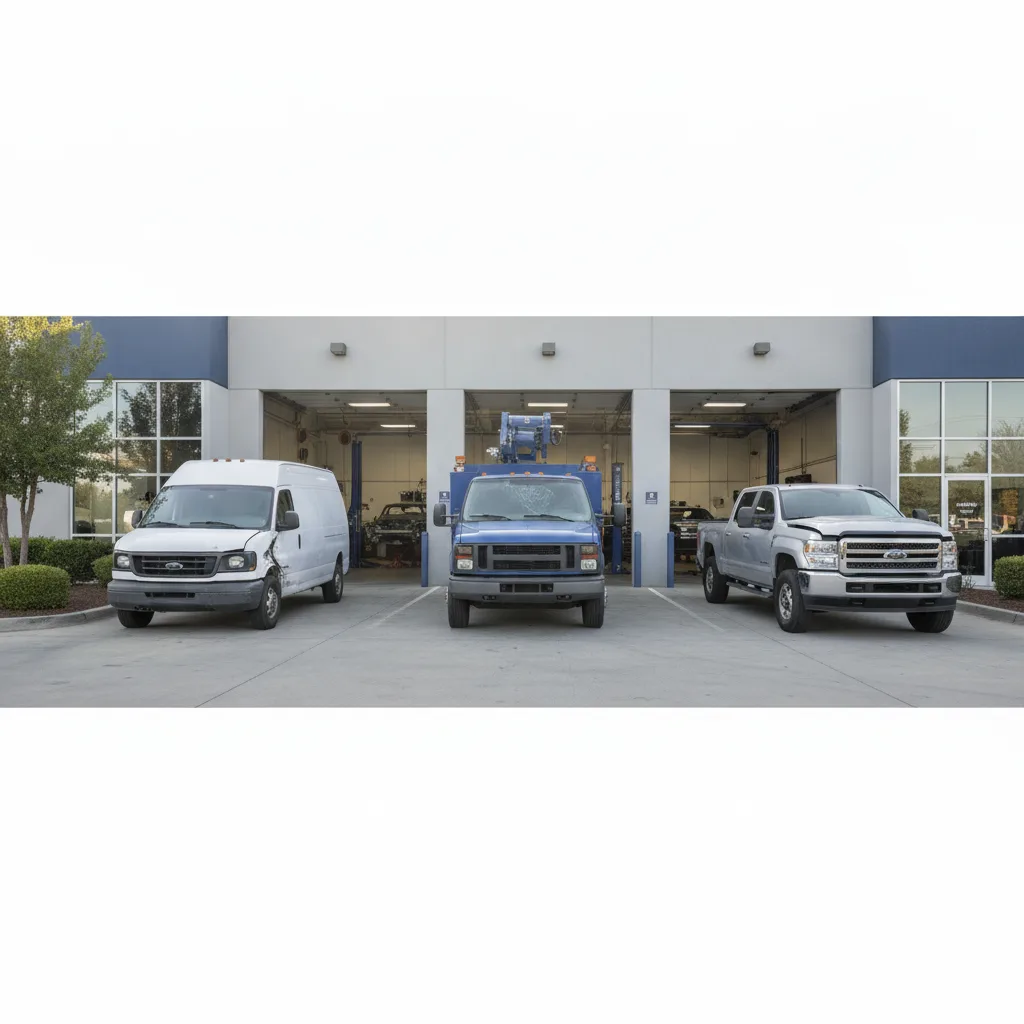
It’s a Tuesday morning and three of your delivery vans are sitting in a lot off I-17, two with front-end damage from a chain reaction in a Deer Valley parking structure, one with a side panel caved in from a loading dock incident. Your dispatcher is already fielding calls. Your drivers are standing around. Every hour those vehicles aren’t moving, you’re losing revenue and paying wages for work that isn’t happening.
That scenario isn’t unusual in Phoenix. The Valley’s growth has made commercial traffic heavier, intersections more congested, and fleet incidents more frequent. What separates businesses that absorb those hits and keep moving from ones that fall behind is almost always the repair partner they’ve chosen.
Personal vehicle repairs and fleet repairs are not the same job dressed in different clothes. They require genuinely different priorities, workflows, and communication structures.
Multiple Stakeholders, Not Just One Driver
When a private owner brings in a damaged car, there’s typically one decision-maker, one insurance contact, and one timeline to manage. Fleet situations involve fleet managers, operations directors, insurance adjusters, and sometimes corporate risk teams, all needing accurate information at the same time. A shop that’s good at handling individual customers can still fail a fleet account badly if it isn’t built to manage that communication load.
A lot of fleet managers are told to simply find the fastest shop available. That’s advice worth questioning. Speed without structural capacity just means a shop rushing work it isn’t organized to handle, and that’s how vehicles come back with missed damage or repairs that don’t hold.
Why the Right Partner Changes Everything
A qualified fleet collision repair service treats your account like a business relationship, not a series of one-off jobs. That means priority scheduling, honest turnaround estimates, and a direct line to someone who actually knows your vehicles’ history. At Brad’s Deer Valley Collision, we’ve been working with Phoenix businesses since 1985, and fleet work has always required its own dedicated approach.
It also means transparency. Fleet managers need written estimates, documented repair timelines, and updates that don’t require chasing someone down. That expectation is reasonable, and any reputable shop should meet it without hesitation.
Getting this right protects more than your vehicles. It protects your schedule, your client commitments, and your team’s ability to do the job they were hired to do.
The True Cost of Fleet Downtime and How to Minimize It
Every hour a vehicle sits in a repair bay is an hour it’s not moving product, completing service calls, or generating revenue. That’s the part most business owners understand. What they often underestimate is how quickly those hours multiply across a fleet.
Consider a delivery van that generates roughly $400 to $600 in daily revenue for your operation. A repair that drags on for two weeks doesn’t just cost you the repair bill. It costs you the dispatching gap, the overtime you pay other drivers to cover the route, and sometimes the customer relationships that quietly erode when service gets inconsistent.
There’s a common assumption that faster repairs mean corner-cutting. We’d push back on that. Speed and quality aren’t in conflict when a shop has the right workflow, parts inventory, and crew dedicated specifically to commercial accounts. The problem is most general repair shops treat fleet vehicles like any other job in the queue, and fleet jobs aren’t like any other job.
Where the Hidden Costs Pile Up
-
Rental and loaner expenses while vehicles are out of service
-
Driver idle time when routes can’t be covered or reassigned
-
Insurance deductibles compounding across multiple incidents in a single quarter
-
Missed SLA penalties if your business has delivery commitments tied to contracts
A dedicated fleet collision repair service addresses this by prioritizing commercial accounts, scheduling repairs proactively, and batching work across multiple vehicles when possible. At Brad’s Deer Valley Collision, we’ve worked with Phoenix, AZ businesses since 1985, and that operational experience shapes how we approach turnaround time.
The Insurance Institute for Highway Safety reports that commercial vehicles face higher incident rates than personal vehicles, which makes downtime planning a real operational priority, not an occasional inconvenience.
Get ahead of it. Reach out to our team to talk through a repair schedule that actually fits your business calendar.

Brad’s Fleet Collision Repair Process: Speed Without Sacrificing Quality
Fast repairs and quality repairs aren’t mutually exclusive. That’s something shops sometimes treat like a trade-off, but it’s really a workflow problem. At Brad’s Deer Valley Collision, we’ve spent decades refining a process that moves fleet vehicles through the bay efficiently without skipping the steps that actually matter.
Assessment Before Anything Else
Every fleet vehicle that comes in gets a thorough damage assessment before we commit to a timeline. That might sound like it slows things down, but skipping it is exactly what causes delays later. Hidden frame damage, compromised structural points, and ADAS sensor misalignment don’t show up in a visual walk-around. We use precision measuring equipment to catch what the eye misses. A vehicle that looks like a cosmetic fix can turn into a structural repair halfway through if the initial inspection isn’t done right.
Fleet managers in Phoenix deal with enough unpredictability. They don’t need a repair estimate that falls apart two days into the job.
Prioritized Scheduling for Fleet Accounts
Our fleet repair program includes priority scheduling, which means fleet vehicles aren’t sitting in a queue behind individual retail jobs. When a delivery van comes in Monday morning, we’re not starting from scratch on paperwork and parts sourcing. Established fleet accounts have their documentation profiles on file, their preferred parts specifications noted, and their insurance contacts already coordinated. The administrative friction that eats up days for walk-in customers is already handled.
Parallel Workflow, Not Linear
This is where the real time savings happen. While structural work is underway, our paint team is prepping for color match. Parts are ordered during inspection, not after teardown. Our I-CAR and ASE certified technicians work in coordinated stages rather than waiting for each phase to finish before the next begins.
That parallel approach is something many smaller shops don’t have the staffing to pull off consistently. We do.
Post-Repair Inspection and ADAS Recalibration
Getting a vehicle out of the bay quickly means nothing if it comes back with a complaint. Every repaired fleet vehicle goes through a post-repair inspection that covers structural integrity, finish quality, and safety system function. If the vehicle has lane assist, automatic braking, or camera systems, we recalibrate before it leaves. That step gets skipped at a lot of shops. It shouldn’t be optional on commercial vehicles carrying cargo or passengers.
Our customers can read what Phoenix businesses say about our turnaround, and if you’re ready to talk about setting up a fleet account, our team is easy to reach through our contact page. Our shop is open to walk-ins, and fleet consultations don’t require an appointment to get started.
Insurance Coordination and Direct Repair Programs Explained
Managing insurance claims across a single vehicle is already a headache. Multiply that across five, ten, or twenty fleet units and the paperwork alone can pull a fleet manager away from actual operations for days. That’s a problem most businesses don’t budget for.
Direct repair programs (DRPs) exist to reduce that friction. Under a DRP, an insurance carrier designates certain shops as preferred vendors, which allows those shops to begin work faster, submit documentation directly, and skip several rounds of back-and-forth approval. At Brad’s Deer Valley Collision, we participate in preferred vendor networks that let us handle authorization and documentation on your behalf, rather than putting that burden on you.
Here’s something fleet managers don’t always hear: you are not required to use the shop your insurer recommends. Arizona law protects your right to choose your repair facility. If your carrier steers you toward a shop that can’t handle commercial vehicles or doesn’t have I-CAR-certified technicians, you can push back. A preferred relationship with a qualified shop like ours often moves faster than going through an insurer’s default referral anyway.
What to Expect During the Claims Process
For fleet accounts, we coordinate directly with adjusters, provide detailed written estimates, and document pre-existing and new damage per vehicle. We photograph everything before and after. That documentation protects you if questions arise later.
Accurate estimates matter more than fast ones. A low initial estimate that balloons mid-repair costs time and creates disputes with carriers. We’ve been doing this since 1985 and we write estimates that reflect what the job actually requires.
If you manage vehicles in Phoenix, AZ and want a clearer picture of how our fleet collision repair service handles insurance coordination, reach out and schedule a consultation. There’s no paperwork required to have that initial conversation.
Common Fleet Collision Mistakes and How to Avoid Them
The most expensive mistake fleet managers make is treating collision repair like a commodity purchase. Lowest bid wins. That logic costs far more in the long run than the money it saves upfront.
Here’s what actually happens in the field. A manager sends a damaged box truck to whatever shop can take it fastest. The shop writes a quick estimate, skips a thorough structural inspection, and returns the vehicle in three days. Two months later, that same truck has alignment problems, a driver reports handling issues, and a closer look reveals frame damage nobody caught the first time around.
Skipping a detailed damage assessment is a pattern we see repeatedly. Visible panel damage often masks frame issues or compromised safety systems. ADAS components like automatic braking and lane assist require recalibration after any significant collision, and most budget-focused shops either overlook this or don’t have the equipment to handle it.
A few other mistakes worth flagging:
-
Accepting verbal estimates with no written documentation
-
Choosing aftermarket parts without understanding the warranty implications
-
Failing to photograph vehicle condition before drop-off
-
Not asking about warranty coverage on completed repairs
A quality fleet collision repair service in Phoenix, AZ will put everything in writing, walk you through parts decisions, and stand behind the work. At Brad’s Deer Valley Collision, that’s standard practice, not an upsell. See what other fleet operators say about working with us.
Fleet Maintenance Planning: Preventing Future Collisions
Prevention is cheaper than repair. That’s not a novel idea, but most fleet operations don’t build it into their actual workflow until after they’ve absorbed a few expensive losses.
Regular vehicle inspections catch brake wear, tire degradation, and visibility issues before they contribute to an incident. Driver behavior training matters just as much. Phoenix roads have their own patterns, and drivers unfamiliar with high-traffic corridors near Desert Ridge or the I-17 interchange benefit from route-specific coaching.
Here’s where common advice tends to fall short: many fleet managers focus heavily on mechanical maintenance while ignoring driver incident history tracking. A vehicle in good condition driven by someone with repeated close-call reports is still a liability.
-
Schedule quarterly vehicle inspections, not just annual ones
-
Track driver incident reports alongside repair history
-
Review insurance claims data to identify repeat problem areas
-
Recalibrate ADAS systems after any significant repair
When prevention works, your need for a fleet collision repair service drops significantly. That’s the goal. But when accidents do happen, having an established relationship with a shop you already trust in Phoenix, AZ makes the recovery faster and far less disruptive.
Getting Started: Brad’s Fleet Repair Program for Phoenix Businesses
Most fleet managers don’t need a generic repair shop. They need a partner who picks up the phone.
At Brad’s Deer Valley Collision, our fleet collision repair service is built around a dedicated point of contact for each fleet account. No bouncing between service writers. No re-explaining your vehicle specs every time you drop something off. Your account, your contact, consistent communication throughout every repair.
Getting started is straightforward. Reach out through our contact page to schedule a consultation. We’ll review your fleet size, typical damage patterns, insurance carriers, and turnaround requirements. From there, we build a customized service agreement that includes priority scheduling and volume pricing.
We’ve been operating in Phoenix since 1985, and our I-CAR and ASE certifications reflect real investment in quality work. You can also read what other business owners say on our customer reviews page before committing.
Walk-ins are welcome, but fleet accounts get better results when we plan together. Contact us today and let’s get your Phoenix operation protected.
Frequently Asked Questions
How long does fleet collision repair typically take in Phoenix?
It really depends on how much damage we’re dealing with. For minor dents, scrapes, or cosmetic repairs, you’re usually looking at 2 to 3 days. More serious structural damage can run 1 to 2 weeks. At Brad’s Deer Valley Collision, we prioritize fleet vehicles because we know downtime costs your business money. We’ll work with your schedule from the start so you can plan around the repair and keep your operation moving here in Phoenix, AZ, USA.
Do you work directly with commercial insurance providers for fleet claims?
Yes, we do. Brad’s Deer Valley Collision participates in direct repair programs with most major commercial insurers. We handle the estimate filing, coordinate approvals, and manage the documentation so you don’t have to. If you’re running a fleet and dealing with a collision claim, the last thing you need is a stack of paperwork on your desk. We take that off your plate and keep things moving so your vehicles get back on the road faster.
Can you provide volume discounts for multiple vehicle repairs?
Absolutely. If your Phoenix, AZ, USA business has ongoing fleet collision repair service needs, we can set up a customized fleet repair agreement. That includes volume pricing, priority scheduling, and a dedicated account manager who knows your operation. You won’t be starting from scratch every time a vehicle comes in. Come by the shop and we can talk through what a fleet partnership would look like for your specific situation.
What should I do immediately after a fleet vehicle collision?
First, make sure everyone is safe. Then document everything with photos before anything gets moved or cleaned up. File a police report if there’s any injury or significant property damage. Notify your insurance provider, then call us at Brad’s Deer Valley Collision for a damage assessment as soon as possible. Don’t wait on that last step. Getting eyes on the vehicle early helps us map out the right repair strategy and give you a realistic timeline right away.
What’s the difference between OEM and aftermarket parts for fleet vehicles?
OEM parts are made by the original manufacturer and fit exactly to spec. Aftermarket parts come from third-party suppliers and can vary a lot in quality, though they’re typically less expensive. For fleet vehicles, we generally recommend OEM parts because consistency and reliability matter across your whole operation. That said, if budget is a factor, we’ll walk you through the trade-offs honestly so you can make the right call. We won’t push you toward anything without explaining what you’re getting.
Keep Your Phoenix Fleet on the Road with Brad’s Deer Valley Collision
If your business relies on vehicles, downtime isn’t just an inconvenience, it’s money out of your pocket. Here in Phoenix, AZ, USA, our team at Brad’s Deer Valley Collision works directly with fleet operators to minimize repair time and get your vehicles back on the job fast. Whether you need a damage assessment, want to set up a fleet maintenance agreement, or just want to talk through your options, we’re ready to help.
Stop by and meet us in person, give us a call, or check out our reviews on Google to hear what other Phoenix business owners are saying about working with us. Let’s figure out a fleet repair program that keeps your operation moving.