Fleet Collision Repair Services for Phoenix Businesses: Minimizing Downtime and Costs
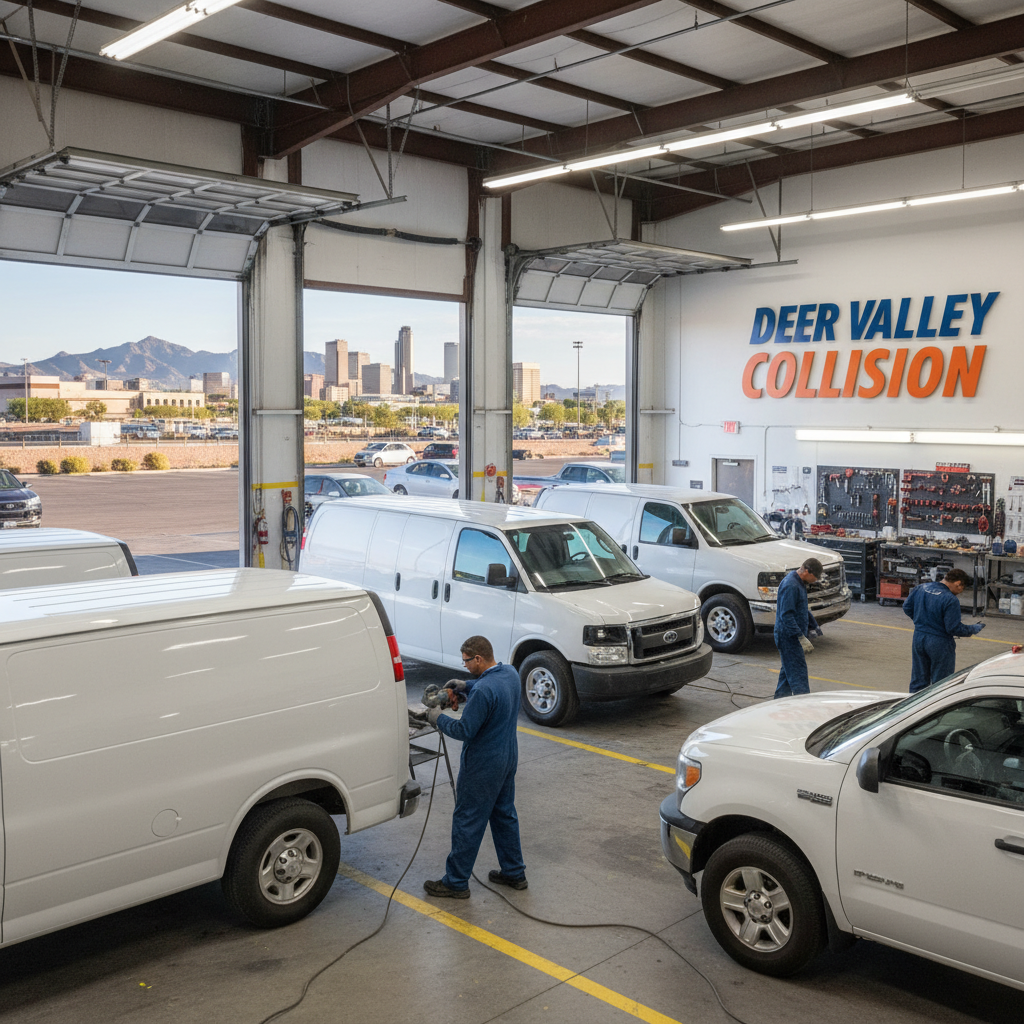
Fleet Collision Repair Services for Phoenix Businesses: Minimizing Downtime and Costs
Why Phoenix Businesses Need Dedicated Fleet Collision Repair
Picture this: it’s 6 a.m. on a Tuesday, and your driver calls to report that one of your delivery vans got clipped in a parking lot off Camelback Road overnight. You’ve got scheduled routes, client commitments, and a full day of operations ahead. That van doesn’t just need a repair. It needs to get back on the road fast, or someone’s business suffers.
That’s the reality most Phoenix fleet operators deal with at some point. And it’s exactly where a standard body shop often falls short.
Most collision repair shops are built around individual car owners, not businesses. Their scheduling, estimating, and communication processes assume you have time to wait, follow up, and figure things out on your own. Fleet managers don’t have that luxury. When you’re running delivery vehicles, service trucks, or company cars across Phoenix, every day a vehicle sits in a bay is a day of lost productivity.
Downtime costs more than most people account for. There’s the direct cost of repairs, but there’s also lost revenue from missed routes, the expense of renting a substitute vehicle, and the ripple effect on your team’s schedule. A shop that doesn’t understand fleet operations will treat your commercial vehicle like any other car that walked in off the street. That mindset leads to delays, poor prioritization, and vague timelines that don’t match your operational needs.
Dedicated fleet auto body repair is a different service model entirely. It means your vehicles get coordinated intake, faster estimates, and repair sequencing that accounts for your business schedule, not just shop capacity. It means someone at the shop understands what it means when you say a vehicle needs to be back by Thursday.
Brad’s Deer Valley Collision has been serving Phoenix businesses since 1985. That’s nearly four decades of learning how commercial clients think, what they need, and what actually gets their vehicles back on the road without surprises. We’ve built our fleet repair process around your schedule, not ours.
Ready to talk through your fleet’s needs? Reach out to our team and let’s get started.
How Fleet Auto Body Repair Reduces Operational Downtime
Every day a vehicle sits in a repair bay is a day it’s not generating revenue. That’s the reality Phoenix businesses deal with, and it’s why fleet auto body repair isn’t something you want to hand off to just any shop.
Most general body shops treat commercial vehicles like personal cars. They get scheduled in line, assessed at whatever pace the day allows, and returned when they’re done. That approach works fine for a single owner. It doesn’t work for a business running six vans on tight delivery windows across Phoenix.
Priority Scheduling Built Around Your Operations
At Brad’s Deer Valley Collision, fleet accounts don’t wait in the general queue. When one of your vehicles comes in, we get it assessed fast. That means a detailed damage inspection, a written estimate, and a clear repair timeline before your driver even leaves our lot.
We’ve been doing this since 1985. One thing we’ve learned is that fleet managers don’t want surprises. They want a timeline they can actually plan around. That’s exactly what we give them.
Honest opinion: a lot of shops advertise “fast turnaround” and mean something different than you do. We think fast means your vehicle is back on the road in the shortest time possible without cutting corners on the repair itself. Rushing the surface prep or skipping post-repair alignment checks to hit a quick deadline creates problems down the road, and those problems cost more than the original repair.
Coordinated Workflows That Keep Your Fleet Moving
When multiple vehicles need attention, coordination matters more than speed. Our team structures repairs to handle fleet jobs in parallel where possible, reducing total shop time across your entire inventory. We also work directly with your insurance carrier through the claims process, so you’re not spending your day managing paperwork. You can learn more about our full approach on our Phoenix fleet repair services page.
Minimizing downtime also means having contingency options ready. We discuss vehicle availability and scheduling logistics upfront so your operations manager isn’t blindsided mid-week.
The Federal Motor Carrier Safety Administration consistently ties fleet safety and maintenance practices to overall operating costs. Getting collision repairs done right, and done efficiently, isn’t just about appearances. It directly affects your compliance posture and long-term costs.
Ready to talk through your fleet’s needs? Reach out to our team and let’s put a plan together.
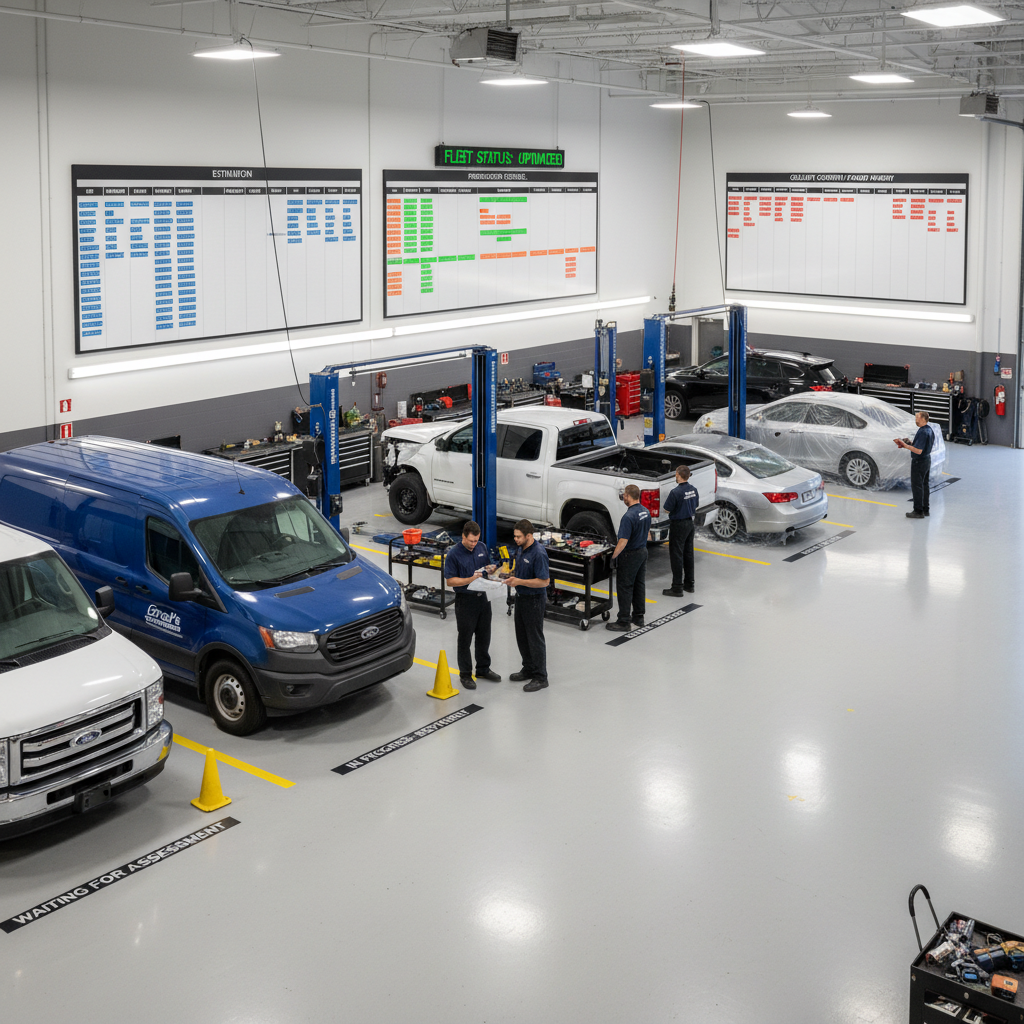
Managing Fleet Repair Costs: What Businesses Should Know
Fleet managers who’ve been around long enough know that the repair invoice is rarely where the real cost hides. Lost productivity, driver downtime, and rushed decisions that lead to repeat repairs — those are the numbers that actually hurt a Phoenix business’s bottom line.
Cost control starts before a vehicle ever enters a shop.
The single most effective thing a fleet manager can do is establish a repair relationship with one trusted provider before an incident happens. When you’re scrambling to find a shop after an accident, you lose negotiating leverage and often accept whatever turnaround time you’re given. Locking in a fleet agreement in advance means you’ve already worked out pricing, priority scheduling, and communication expectations.
OEM vs. Aftermarket Parts: Our Honest Take
A lot of shops push aftermarket parts on fleet customers because the margins are better. We don’t think that’s always the right call. For newer vehicles with advanced driver assistance systems, OEM parts often matter for proper sensor calibration and safety system function. For older work trucks where fit and longevity matter more than resale value, quality aftermarket parts can be a smart budget decision. The key is having that conversation openly, not having it made for you by default.
Insurance Coordination for Fleet Claims
Fleet vehicles typically fall under commercial auto policies, which handle claims differently than personal auto coverage. At Brad’s Deer Valley Collision, we work directly with commercial insurers and can help document damage accurately so your adjuster has everything they need upfront. That documentation matters. Incomplete claims slow everything down and can result in repair approvals that miss hidden structural damage found later.
You always have the right to choose your own repair shop in Arizona, regardless of what your insurer recommends.
Budgeting Smart for Fleet Repair
-
Get written estimates with itemized parts and labor, not ballpark figures
-
Ask specifically about warranty coverage on both parts and workmanship
-
Factor in preventive touch-up repairs before minor damage compounds
-
Ask about volume pricing if you’re managing three or more vehicles
Our fleet auto body repair services in Phoenix are built around transparent pricing from the start. If you want to talk through a fleet agreement or get a repair estimate, reach out to our team directly.
Red Flags to Avoid: Common Fleet Repair Mistakes
Not all shops are equipped to handle fleet work. That’s a fact, and ignoring it will cost you.
A lot of fleet managers assume any body shop can handle their vehicles. That assumption leads to delayed repairs, repeat damage, and gaps in documentation that create headaches down the road. Here’s what to watch out for before you hand over your keys.
-
No written estimate. If a shop can’t produce a detailed, itemized estimate before touching your vehicle, walk away. Verbal quotes aren’t worth anything when the invoice comes in 40% higher than expected. For fleet accounts especially, you need that paper trail.
-
Vague communication. You shouldn’t have to chase down updates on your own vehicles. Shops that don’t provide proactive status reports aren’t built for fleet relationships. One vehicle sitting idle because of poor scheduling coordination is bad enough. Multiple vehicles? That’s a real problem.
-
No fleet experience. General auto body shops handle one car at a time for individual customers. Fleet auto body repair in Phoenix requires a different workflow entirely, including prioritization systems, commercial billing familiarity, and the ability to turn vehicles around on a schedule that works for your operations.
-
Weak or missing warranty. Any shop that can’t offer a clear written warranty on parts and labor is telling you something about the confidence they have in their own work.
-
The lowest bid mindset. Honestly, chasing the cheapest estimate is one of the most expensive decisions a fleet manager can make. Poor surface prep, skipped alignment checks, and uncalibrated safety systems all show up later, usually when a vehicle is back out on the road.
The I-CAR Gold Class designation is one reliable indicator that a shop invests in ongoing training. Look for it. A shop’s certifications and documented history tell you more than any sales pitch will.
What Makes Brad’s Fleet Repair Services Stand Apart in Phoenix
Shops that handle fleet work well share one common trait: they treat your vehicles like business assets, not just damaged cars waiting in a queue. That distinction matters more than most fleet managers realize until they’ve dealt with a shop that doesn’t.
Brad’s Deer Valley Collision has been serving Phoenix businesses since 1985. That’s not a number we throw around casually. Four decades of local operation means we’ve worked through economic downturns, fleet expansions, and major shifts in vehicle technology. We’ve adapted to all of it.
Certifications That Actually Mean Something
A lot of shops display certifications on the wall without the training to back them up. Our technicians hold I-CAR and ASE certifications, and we invest in keeping those credentials current. For fleet customers, that matters because modern commercial vehicles aren’t simple. Incorrect repairs can void manufacturer warranties and create liability exposure your business doesn’t need.
ADAS Recalibration for Modern Fleet Vehicles
This is where a lot of fleet repair shops fall short, and we’ll say it plainly. If a shop completes your collision repair without recalibrating advanced driver assistance systems, your driver is operating a vehicle with compromised safety technology. Lane departure warnings, automatic braking, adaptive cruise control, all of these require recalibration after frame or front-end repairs. We have the equipment and trained technicians to handle it properly.
Communication and Accountability Built Into the Process
Fleet managers can’t afford to chase updates. We provide proactive communication throughout the repair process so your team knows exactly where each vehicle stands. No guessing, no phone tag.
We also back every repair with a written warranty. That’s non-negotiable for us. If the work isn’t right, we fix it. That commitment is part of why Phoenix businesses keep coming back to us for their fleet auto body repair needs year after year.
Want to learn more about who we are before you commit? Visit our about page or reach out directly to start the conversation.
Getting Started: Your Fleet Repair Process with Brad’s
Starting is simple. Call us, fill out our online form on the contact page, or drive directly to our Phoenix shop. We’ll get you on the calendar fast.
Here’s what to have ready when you reach out:
-
Vehicle year, make, model, and mileage for each unit needing repair
-
Photos of the damage (taken before any temporary repairs)
-
Your insurance information if a claim is involved
-
A point of contact on your team for repair updates
A lot of fleet managers assume they need to bring every vehicle in at once for an estimate. You don’t. We can stage the intake process to keep your operations running while we work through your fleet. That’s a smarter approach than flooding your schedule all at once.
Once vehicles are in our bay, we document everything in writing before a single repair begins. No verbal agreements. Fleet managers get clear, itemized estimates tied to each unit so there’s no confusion when the invoice arrives.
Communication doesn’t stop at drop-off. We keep your designated contact updated on repair status so you’re never left guessing about timelines. Our team has been doing this since 1985, and consistent communication is something we take seriously. You can read more about our background on the about page.
Ready to protect your fleet? Visit our Phoenix fleet auto body repair services page and let’s get your vehicles back on the road.
Frequently Asked Questions
How quickly can Brad’s repair our fleet vehicles?
We prioritize fleet vehicles with expedited diagnostics and coordinated scheduling so your business stays moving. Most fleet auto body repair jobs are completed within 5 to 10 business days, depending on the extent of the damage. That timeline can vary, so we recommend contacting Brad’s Deer Valley Collision directly for an accurate turnaround estimate based on a hands-on damage assessment of your specific vehicles.
Does Brad’s work directly with our fleet insurance provider?
Yes, we do. Brad’s is a trusted direct repair program (DRP) partner with multiple insurance carriers. We handle the estimates, documentation, and back-and-forth communication with your insurer directly, which takes a real load off your team. For Phoenix, AZ, USA fleet managers juggling multiple vehicles and claims, that kind of streamlined process makes a noticeable difference in how fast repairs move forward.
What’s the difference between OEM and aftermarket parts for fleet repairs?
OEM parts come straight from the vehicle’s manufacturer, so you get an exact fit and finish every time. Aftermarket parts are made by third-party suppliers and can cost less, but the consistency isn’t always guaranteed. At Brad’s, we walk you through the trade-offs in writing, covering quality, warranty coverage, and cost, so you can make the right call for your fleet without any surprises down the road.
Do you offer loaner vehicles while our fleet is being repaired?
Yes. We offer loaner vehicles and shuttle service to help keep your operations running while your vehicles are in the shop. Downtime is a real cost for any business, and we don’t want fleet auto body repair to put a dent in your productivity. When you come in or call to schedule your estimate at our Phoenix, AZ, USA location, just ask about loaner availability and we’ll work something out.
What should I look for in a fleet collision repair shop?
Start by confirming the shop holds I-CAR and ASE certifications. From there, always ask for written estimates and warranty terms before any work begins. You’ll also want to ask whether the shop can handle ADAS recalibration, which matters a lot on newer fleet vehicles. Check reviews, compare turnaround times, and steer clear of any shop offering vague warranties, no written estimate, or bids that seem unusually low. Those are signs of shortcuts you don’t want taken with your fleet.
Keep Your Phoenix Fleet Moving with Brad’s Deer Valley Collision
If your business depends on vehicles staying on the road in Phoenix, AZ, USA, downtime isn’t just an inconvenience, it’s money out of your pocket. At Brad’s Deer Valley Collision, we specialize in fleet repair that gets your vehicles back in service fast, with straightforward pricing and no runaround. We’re ready to work around your schedule so your operation doesn’t skip a beat.
Call us today or stop by our Phoenix location to get your free fleet repair estimate and see firsthand how we help local businesses manage costs and keep their vehicles running strong.