Fleet Auto Body Repair in Phoenix, AZ: Minimize Downtime for Commercial Vehicles
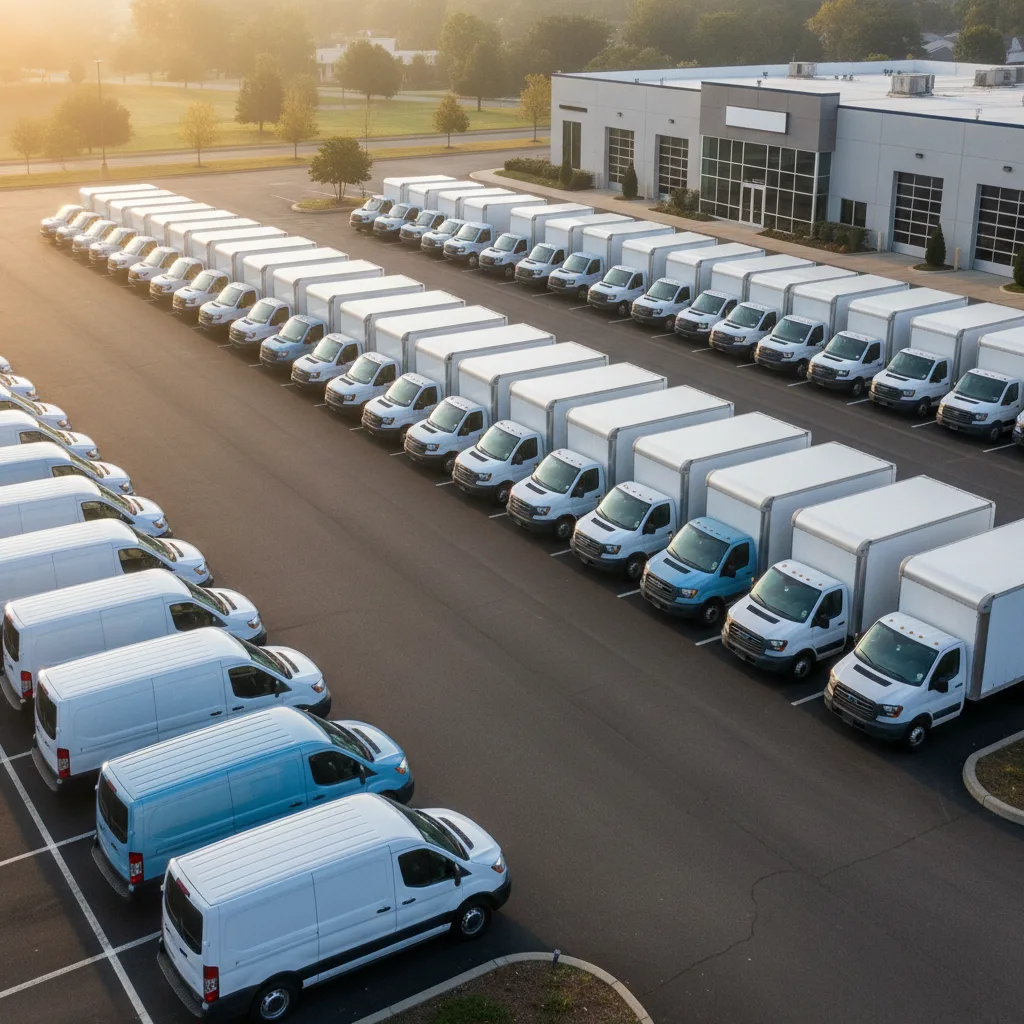
Fleet Auto Body Repair in Phoenix, AZ: Minimize Downtime for Commercial Vehicles
Why Fleet Downtime Costs More Than You Think
A delivery van for a Phoenix-area HVAC company gets rear-ended on the I-17 Tuesday morning. By Wednesday afternoon, that vehicle is still sitting in a parking lot waiting for an estimate. Thursday, the driver is sharing a truck with another tech. Friday, a scheduled maintenance call gets pushed. That’s four days of cascading losses from one fender bender, and most fleet managers only count the repair bill.
The actual cost runs much deeper. Lost billable hours, rescheduled jobs, and frustrated customers are real dollar figures, even if they don’t show up on a repair invoice.
Downtime is expensive. Period.
According to the U.S. Department of Transportation, commercial vehicle availability directly affects supply chain reliability and service delivery timelines. For small and mid-size Phoenix businesses, a single vehicle out of rotation for a week can mean thousands in missed revenue, not counting the long-term damage to customer relationships that are hard to rebuild.
A lot of fleet managers assume the cheapest, fastest repair option is the smart business move. That’s actually one of the more costly assumptions you can make. A rushed repair that misses hidden frame damage or skips post-repair alignment can pull a vehicle back off the road weeks later, this time with bigger problems and a harder insurance conversation. You pay twice, in money and in downtime.
What fleet operators in Phoenix, AZ need isn’t just a shop that can fix a bumper. They need a repair partner who understands that every day a commercial vehicle sits idle has a direct impact on revenue. That means accurate initial assessments, realistic timelines communicated upfront, and no surprises at pickup.
This is exactly where choosing the right fleet auto body repair provider makes a measurable difference. A shop with dedicated commercial vehicle processes handles your account differently than one treating fleet work like a string of individual retail jobs.
At Brad’s Deer Valley Collision, we’ve been working with Phoenix-area businesses since 1985. We understand the operational pressure behind every vehicle in your fleet. Getting your trucks and vans back on the road, repaired correctly the first time, is how we protect your business alongside ours. Reach out today to talk through your fleet’s needs.
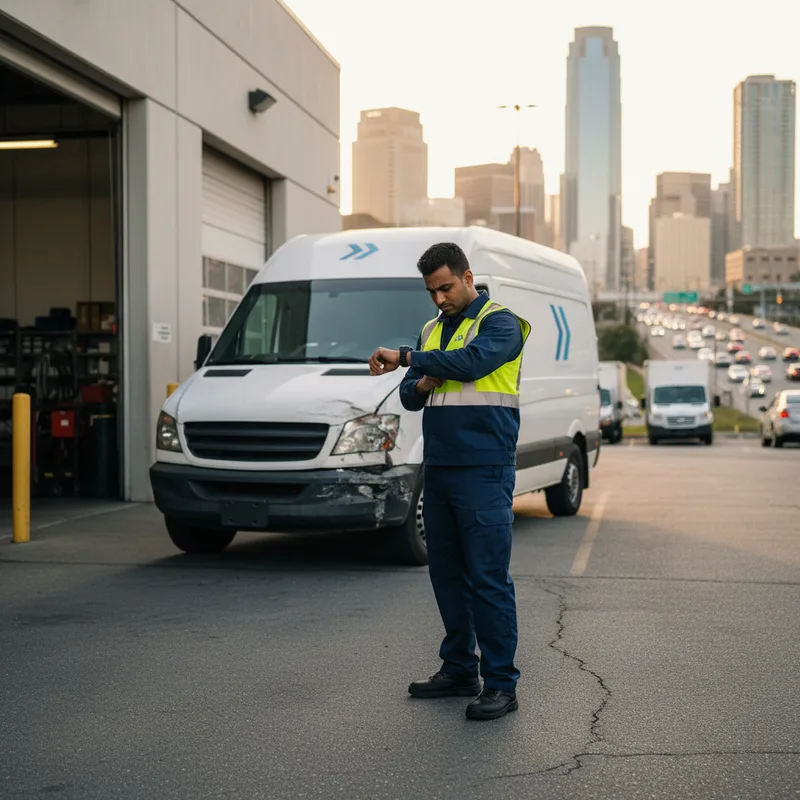
What Sets Professional Fleet Repair Apart from Standard Collision Work
Fleet repair is a different animal. Dropping off a personal car for a week is an inconvenience. Pulling a commercial vehicle off the road for a week is a direct hit to your revenue, your scheduling, and sometimes your contracts.
A lot of shop owners will tell you any collision shop can handle fleet work. That’s not quite right. The technical side of the repair might look similar on paper, but the operational demands are completely different. Fleet managers aren’t just customers. They’re logistics coordinators who need a repair partner that understands timelines, documentation, and commercial realities.
Turnaround Expectations Are Tighter
Personal vehicle customers can usually tolerate a few extra days if parts run late. Fleet operators can’t absorb that kind of flexibility. Routes get reassigned, schedules compress, and clients notice. A shop handling fleet auto body repair in Phoenix, AZ needs dedicated workflow capacity, not just an open bay whenever something comes available. At Brad’s Deer Valley Collision, we’ve built our process around that reality since 1985.
Documentation and Compliance Matter More
Commercial vehicles often carry insurance policies with specific documentation requirements. Some industries, like transportation and construction, have regulatory recordkeeping obligations tied to vehicle maintenance and damage history. A repair shop handling fleet work needs to produce accurate, itemized estimates and repair records, not generic invoices. This is an area where a lot of shops genuinely fall short, and fleet managers end up doing cleanup work they shouldn’t have to do.
Safety Systems Can’t Be Ignored
Modern commercial vehicles have ADAS features: lane departure warnings, automatic emergency braking, blind-spot monitoring. After a collision, these systems need proper recalibration. Skipping that step isn’t just sloppy; it creates real liability exposure if a vehicle is later involved in another incident. Many smaller shops don’t have the equipment or training to handle recalibration correctly. Our team has invested in the technology and I-CAR and ASE certifications to do this properly, which is something fleet managers should ask about before choosing any shop.
Coordination Is Part of the Service
Multi-vehicle fleets need a shop that can communicate proactively, batch repair schedules when possible, and flag recurring damage patterns that might indicate a driver training issue or a route hazard. That kind of advisory relationship isn’t something you get from a shop focused only on one-off retail repairs. You can see the full range of what we do on our services page, or reach out directly to set up a fleet account conversation.
The shops that handle fleet work well treat it as an ongoing partnership, not a transaction.
How Direct Repair Programs Streamline Your Insurance Claims
Most fleet managers don’t realize how much time gets lost inside the claims process itself, not at the repair shop. An adjuster schedules an inspection. The inspection gets delayed. The estimate comes back wrong. A supplement gets filed. Two weeks pass and the truck still hasn’t moved into a bay. That pattern repeats across fleets every day.
Direct repair programs exist to cut that loop short. A direct repair program (DRP) is a formal agreement between a collision shop and an insurance carrier that allows the shop to write estimates, document damage, and begin repairs without waiting for an independent adjuster to show up. Brad’s Deer Valley Collision participates in direct repair programs with major insurers, which means your commercial vehicles can move faster through the system.
Here’s what that looks like practically. When one of your fleet vehicles comes in with collision damage, our team handles the estimate documentation and communicates directly with the carrier. You don’t have to chase down adjusters or coordinate between two parties who aren’t talking to each other. That administrative friction alone can shave days off a claim cycle.
One opinion worth stating plainly: a lot of fleet managers assume they have to use the shop their insurer recommends. They don’t. Under Arizona law, you have the right to choose your own repair facility regardless of what your carrier suggests. DRP status doesn’t remove that choice; it just means the shop already has a working relationship with the insurer that removes friction.
Accurate documentation also matters more than most people expect. Vague or incomplete estimates cause supplements, and supplements cause delays. Our team produces precise written estimates that account for hidden structural damage, parts sourcing, and realistic labor timelines. That accuracy protects you from claim disputes down the road.
If you manage a fleet in Phoenix, AZ and want to understand how our DRP relationships apply to your specific carriers, reach out to our team directly or visit our fleet repair services page for more detail on how we handle commercial claims from start to finish.
Fleet Repair Services Brad’s Deer Valley Collision Provides
We handle the full picture. A lot of shops will take on a fleet vehicle, patch the visible damage, and call it done. That approach costs fleet managers more in the long run than they realize, because what you can’t see after a collision often matters more than what you can.
At Brad’s Deer Valley Collision, our fleet auto body repair services in Phoenix, AZ cover every stage of the repair process, from initial damage assessment to final road-ready inspection. Here’s what that actually looks like in practice.
Collision Damage and Structural Repair
We assess and repair collision damage at every severity level. Minor impacts, significant panel damage, and full structural compromise all get the same methodical treatment. Frame alignment is done with computerized measuring equipment, not guesswork. If the frame isn’t right, nothing downstream will be right either, and that includes how your vehicle handles on the I-17 or the 101 when it’s loaded and moving.
Bumper and Panel Work
Commercial vehicles take bumper hits constantly. Docks, tight lots, minor scrapes on job sites. We handle front and rear bumper replacement, plastic bumper repair, and panel restoration using premium materials with precise paint matching. Your fleet vehicles represent your company to every customer they pull up to. How they look matters.
ADAS Recalibration
This is where a lot of shops fall short, and honestly, it’s the one we hear about most from fleet managers who’ve had problems elsewhere. Modern commercial vehicles carry forward-collision warning, lane-keep assist, automatic emergency braking, and backup camera systems. After any significant collision repair, those systems need to be recalibrated. Skipping that step doesn’t just create a liability problem. It means the vehicle isn’t actually safe to put back on the road, regardless of how the bodywork looks.
Our team is equipped to handle post-repair ADAS recalibration in-house. That matters for turnaround time and for accuracy.
Our Full Fleet Repair Capabilities
-
Collision damage repair and structural restoration
-
Computerized frame alignment and frame damage repair
-
Bumper repair, replacement, and dent removal
-
Auto body painting with OEM-matched finish
-
Post-repair ADAS and safety system recalibration
-
Fleet-wide damage assessment and repair coordination
You can review our full service capabilities or contact us directly to talk through what your fleet needs. We’ve been doing this since 1985, and we’re not guessing at what works.
Common Fleet Repair Mistakes That Damage Your Bottom Line
Rushed diagnostics are the most expensive mistake in fleet auto body repair. A technician spots a crumpled bumper, replaces it, and sends the vehicle back out. Two weeks later, the driver reports handling issues. The hidden frame damage was there from day one, and now you’re paying twice.
That pattern is more common than most fleet managers realize, and it’s not always the shop’s fault. Pressure to get vehicles back fast creates shortcuts. But those shortcuts compound. A quick fix that skips proper surface prep leads to paint failure within months. A repair that ignores post-collision alignment puts wear on tires and suspension. The original repair looked fine. The follow-up costs didn’t.
Safety system recalibration is where we see the biggest blind spot in the industry. A lot of shops still treat ADAS calibration as optional. It isn’t. If a commercial vehicle has forward collision warning, lane departure assist, or automatic braking, those systems need to be verified after any significant impact. The NHTSA is clear on how critical these systems are to driver safety. Skipping that step isn’t just a quality issue, it’s a liability issue for your business.
Parts transparency matters too. Using aftermarket components without telling the fleet manager is a practice we disagree with, even when it’s technically allowed. OEM parts fit differently. They perform differently. You deserve to know what’s going in your vehicles before the work starts, not after.
Poor communication does real damage as well. A shop that goes silent after drop-off forces you to chase updates, which costs your operations staff time they don’t have.
At Brad’s Deer Valley Collision, we’ve been doing this since 1985. Our approach to fleet repair in Phoenix, AZ is built around avoiding every one of these mistakes deliberately, not by accident.
Getting Started: Steps to Partner with Brad’s Deer Valley Collision for Fleet Repair
Starting is easier than most fleet managers expect. A lot of companies put off setting up a dedicated repair relationship because they assume the process is complicated. It isn’t.
Your first step is a simple conversation. Reach out to our team and let us know the size of your fleet, the types of vehicles you operate, and how frequently you’re dealing with damage incidents. That call gives us what we need to set up a commercial account and assign you a point of contact who handles your vehicles consistently, not whoever happens to pick up the phone.
From there, we’ll walk you through our repair process, turnaround expectations, and how we coordinate directly with your insurance carriers. You won’t be navigating that paperwork alone. We’ve been doing fleet auto body repair in Phoenix long enough to know that clear communication from day one prevents most of the problems fleet managers complain about elsewhere.
One thing worth saying plainly: we’d encourage you to review our credentials and history before committing to any shop, including ours. I-CAR and ASE certifications matter. A written warranty matters. Any shop that resists that scrutiny is telling you something.
We’re located in Phoenix and welcome walk-ins for initial assessments. You’re also welcome to review our full service capabilities before your first visit. Our BBB-accredited approach to business reflects what we’ve built since 1985: straightforward work, honest estimates, and vehicles back on the road fast.
Frequently Asked Questions
How much time can I save by using a direct repair program for fleet vehicles?
Quite a bit, actually. Traditional insurance claims involve back-and-forth estimate disputes and approval delays that can keep your vehicles sitting in a lot instead of out on the road. Because Brad’s Deer Valley Collision carries direct repair program (DRP) status, estimates get processed faster and parts are approved without the usual waiting game. For fleet auto body repair in Phoenix, AZ, USA, that typically translates to getting your vehicles back 5 to 10 business days sooner than you’d see through a standard claims process.
Does Brad’s Deer Valley Collision handle multiple fleet vehicles simultaneously?
Yes, and we do it regularly. We’ve been running a full-service auto body shop in Phoenix, AZ, USA since 1985, so managing concurrent fleet auto body repair jobs is something we’ve built our entire operation around. We use advanced scheduling and job tracking to make sure each vehicle gets dedicated attention. You won’t have one truck sitting untouched while we finish another. Stop by the shop and we can walk you through how we’d handle your specific fleet size and rotation needs.
What safety systems do you recalibrate on fleet vehicles after collision repair?
We recalibrate the full range of ADAS (Advanced Driver Assistance Systems), including lane departure warning, automatic emergency braking, forward collision avoidance, and adaptive cruise control. A lot of shops skip this step entirely, and that’s a serious problem. If those systems aren’t properly recalibrated after a collision repair, your drivers are operating vehicles that feel fixed but aren’t actually safe. For commercial fleets, that’s also a significant liability exposure. We make sure every system is verified before the vehicle leaves our facility.
Can I choose Brad’s Deer Valley Collision even if my insurance recommends another shop?
Absolutely. You have the legal right to choose your own repair shop, no matter what your insurer suggests. Insurance companies can recommend preferred shops, but the final decision is always yours. Brad’s DRP status means your insurer will work directly with us without friction or delays, so you don’t give anything up by choosing us. For fleet auto body repair in Phoenix, AZ, USA, that freedom matters because you need a shop that knows commercial vehicles, not just whatever shop happens to be on an insurer’s list.
What warranty coverage applies to fleet collision repairs?
We provide a comprehensive written warranty covering all collision repair work, including paint, structural repairs, and frame alignment. Everything is documented clearly before the job starts, so there are no surprises once we’re done. We don’t bury exclusions in fine print. If you have questions about specific warranty terms for your fleet vehicles, come into the shop and we’ll go over the details with you directly. We want you confident in the repair before you drive a single vehicle off our lot.
Keep Your Phoenix Fleet Moving. Contact Brad’s Deer Valley Collision Today.
When your commercial vehicles are down, your business feels it fast. At Brad’s Deer Valley Collision, we work with fleet operators across Phoenix, AZ, USA to minimize downtime and get your vehicles back on the road quickly, whether you need a damage assessment, account setup, or a full repair estimate.
We’re easy to reach, easy to work with, and we stand behind every repair we do. See what our customers are saying on Google and find out why local fleet managers trust us to get the job done right.
Call us, request a free estimate online, or stop by our Phoenix facility. Let’s talk about keeping your fleet running at full strength.