Direct Repair Program Benefits: Why Choosing a DRP Shop in Phoenix, AZ Matters
Direct Repair Program Benefits: Why Choosing a DRP Shop in Phoenix, AZ Matters
What Is a Direct Repair Program and How Does It Work?
Picture this: you’re driving home from Desert Ridge Marketplace on a Tuesday evening and someone rear-ends you at a light. Your bumper is crushed, your trunk won’t close, and now your insurance company is on the phone recommending a shop you’ve never heard of. That recommendation isn’t random. It comes from something called a Direct Repair Program, and understanding how it works puts you in a much stronger position before your car ever enters a bay.
Here’s the short version. A Direct Repair Program (DRP) is a formal partnership between an insurance carrier and a pre-approved auto body shop. Insurers establish these networks by vetting shops for quality standards, turnaround times, and customer satisfaction scores. When a policyholder files a collision claim, the insurer steers them toward a DRP-affiliated shop because the relationship is already built and the process is already mapped out.
How the Partnership Actually Functions
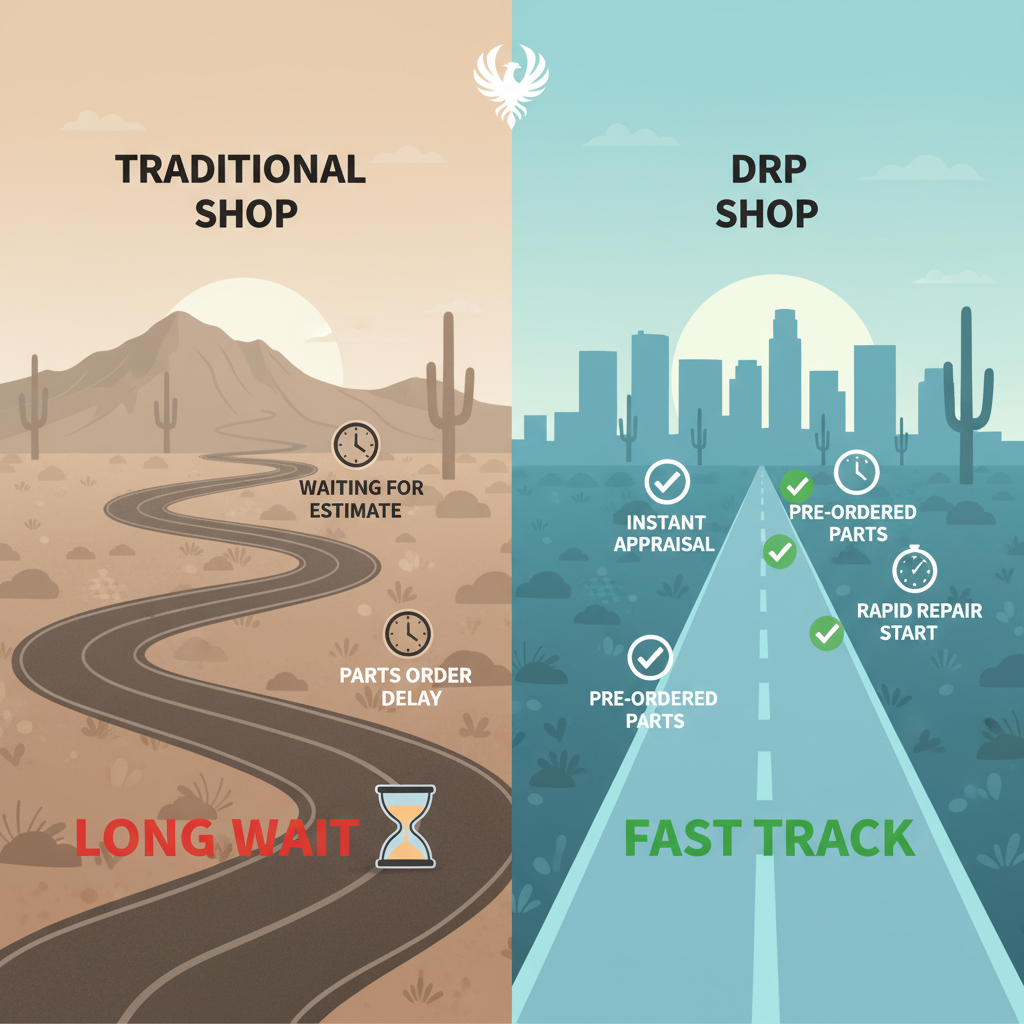
A direct repair program shop agrees to follow specific repair protocols set by the insurer. In exchange, the shop receives a steady stream of referred customers and often gets faster claims approvals. Estimates are typically submitted digitally, supplements are reviewed quickly, and the back-and-forth that can drag out a repair for weeks gets compressed significantly. For drivers in Phoenix, AZ, that kind of speed matters. Nobody wants to be without a vehicle in a city where you need a car for everything.
The insurer also audits DRP shops regularly. That means shops can’t cut corners on parts or labor without risking their spot in the network. From a quality standpoint, this accountability structure is something many non-network shops simply don’t have imposed on them externally.
One thing people get wrong: they assume DRP shops are just doing the insurer’s bidding. That’s not accurate. A reputable shop with a long track record, like one that’s been operating in Phoenix since 1985, earns DRP status by consistently delivering solid repairs and customer satisfaction. The insurer doesn’t own the shop. The shop owns its reputation.
It’s also worth understanding that DRP participation doesn’t lock you into anything as a driver. You still have options, and we’ll get to that. For now, knowing that these programs exist to create a faster, more structured claims process is the foundation everything else builds on. You can explore the full range of collision repair services a qualified DRP shop should offer before you ever make a decision.
Four Key Benefits of Choosing a DRP-Participating Shop in Phoenix
Not all repair experiences are created equal. Working with a direct repair program shop in Phoenix, AZ gives you advantages that a random out-of-network shop simply can’t match. Here’s what that actually looks like in practice.
1. Streamlined Claims Processing
The paperwork side of an accident claim is where most people lose hours they’ll never get back. A DRP shop already has established relationships with your insurer, which means they know exactly what documentation is required, how to submit it, and who to call when something needs fast approval. You don’t have to play telephone between your adjuster and a shop that’s never worked with your carrier before.
At Brad’s Deer Valley Collision, we’ve been handling insurance claims since 1985. That’s decades of understanding what carriers expect, and we put that knowledge to work for every customer who walks through our doors.
2. Faster Repair Turnaround
Speed matters. Phoenix drivers have commutes, jobs, and lives that don’t pause because a car is sitting in a shop bay waiting on approvals.
DRP shops can move faster because the approval process is already built into the relationship with the insurer. Pre-negotiated labor rates and direct billing mean there’s less back-and-forth before a wrench even touches your car. Honestly, the shops that take the longest are often the ones scrambling to get authorization for every line item from an adjuster they’ve never spoken to before.
3. Direct Communication with Adjusters
This one gets overlooked. When your shop has a direct line to your insurance adjuster, hidden damage discovered mid-repair doesn’t turn into a three-day hold-up. A DRP shop can flag supplemental damage, get approval, and keep your repair moving without pulling you into every conversation.
That kind of coordination is something Phoenix drivers stuck in traffic on the I-17 don’t need added to their plate. You should be getting text updates on your repair progress, not fielding calls from both sides asking what the other said.
4. Simplified Billing
Direct billing is simple. The shop invoices the insurer directly, and your only financial responsibility is your deductible. No fronting costs. No chasing reimbursements. No surprises.
Some people assume they’re giving something up by using a DRP shop. That’s a misconception worth pushing back on. You’re still protected, you still have rights, and you can still review every repair decision. You’re just cutting out unnecessary friction.
Our full range of repair capabilities, from structural frame work to auto body painting and bumper repair, means you’re not trading convenience for quality. You’re getting both. Reach out to us to see how we handle the process from start to finish.
Your Right to Choose: Why You’re Never Obligated to Use Your Insurer’s Network
One pattern we see constantly in this business: a customer walks in apologizing, saying their insurer “sent” them to us. We have to stop them right there. Your insurance company didn’t send you anywhere. You chose to come here, and that distinction matters more than most people realize.
You have the right to choose any shop you want.
Under Arizona law, your insurer cannot legally require you to use a specific repair facility. They can suggest a direct repair program shop, and many of those suggestions are genuinely good ones. But a suggestion is not an order. If your adjuster implies otherwise, that’s worth pushing back on directly.
Honestly, we think the insurance industry could do a better job communicating this upfront. Too many Phoenix drivers feel pressured into a shop they never researched, never visited, and know nothing about. That pressure is real, even if it isn’t legally enforceable.
Here’s what you should actually do. Ask questions before committing to any shop, DRP-affiliated or not. Verify certifications like I-CAR and ASE. Ask about warranty coverage in writing. Get a clear, itemized estimate. If a shop can’t hand you those things without hesitation, that tells you something important.
We’ve been working with insurance companies since 1985, and our DRP relationships exist because we earned them through consistent work, not because an insurer handed us customers. There’s a difference, and smart drivers in Phoenix, AZ notice it.
Your vehicle, your choice. If you want to see what a shop with real credentials and a long track record looks like, reach out to us directly before your next appointment.
How Brad’s Deer Valley Collision Leverages DRP Partnerships to Serve Phoenix Drivers
We’ve been doing this since 1985.
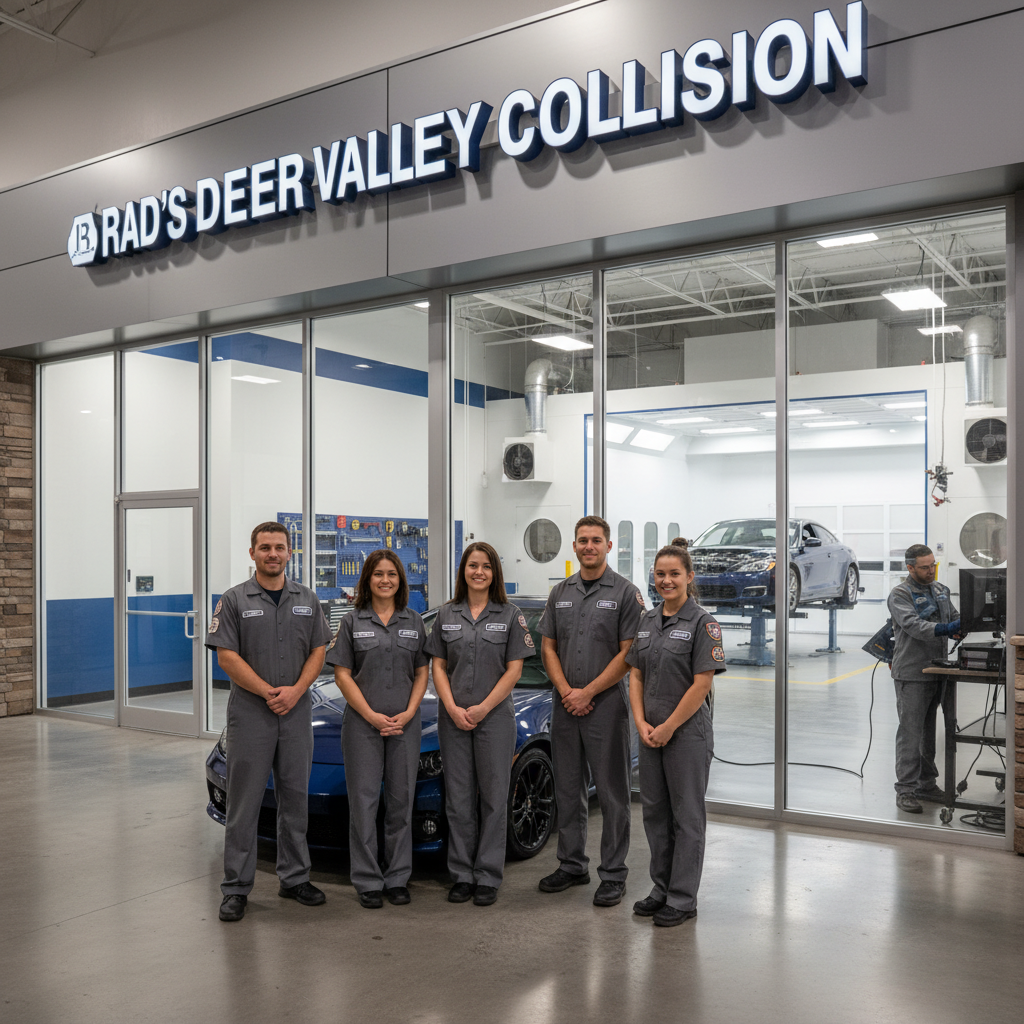
That’s not a throwaway line. It means Brad’s Deer Valley Collision has been working alongside insurance carriers, earning DRP relationships, and repairing vehicles for Phoenix drivers through decades of industry change. Most shops that cut corners don’t survive that long. We did because we didn’t.
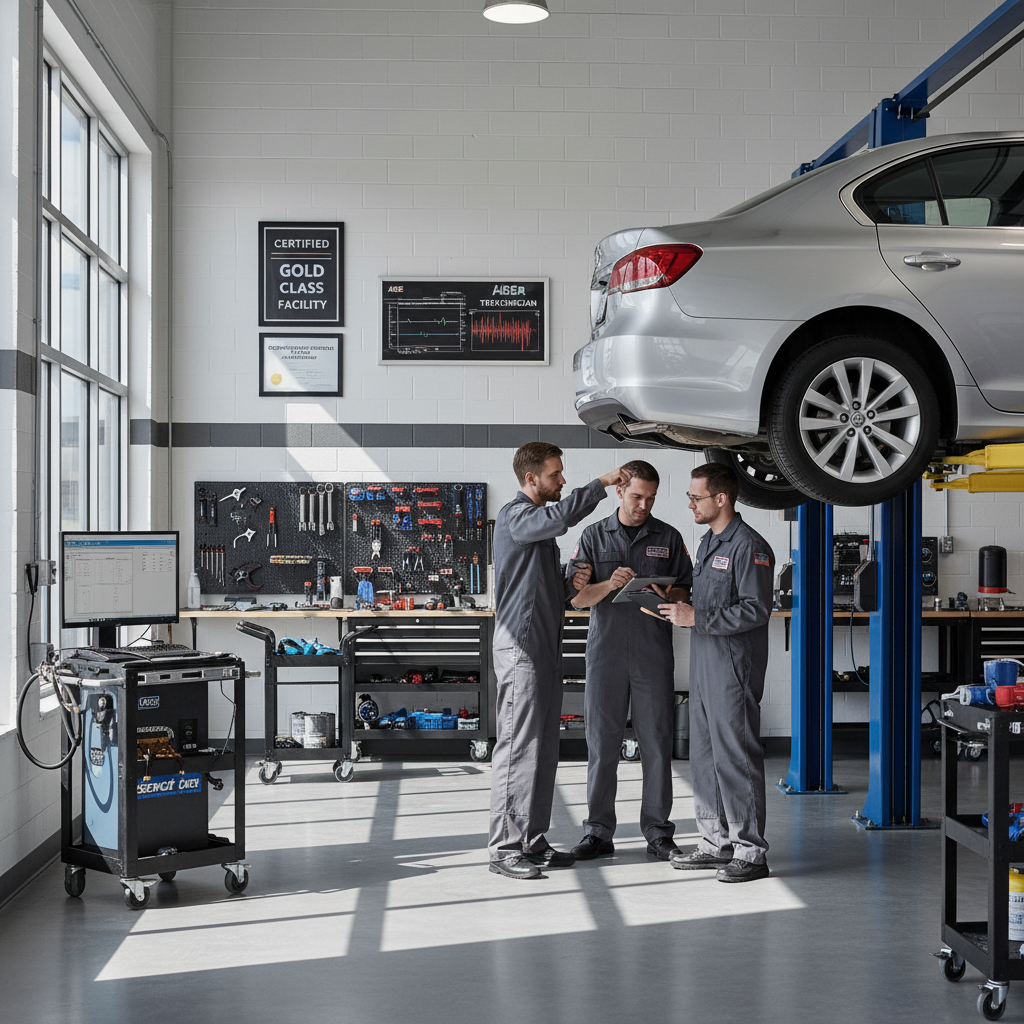
Being accepted as a direct repair program shop isn’t automatic. Insurers vet shops on repair quality, cycle time, customer satisfaction scores, and certifications. We’ve maintained those standards consistently, which is why we hold I-CAR and ASE credentials and display them openly. If a shop can’t show you its current certifications, that should tell you something.
Here’s where we’ll push back on a common assumption: some customers think DRP approval is mostly about a shop having cheap labor rates. It’s not. The better carriers are actually looking for shops that do the job right the first time, because a comeback repair costs everyone more. Our focus has always been quality over speed, even when pressure exists to move vehicles fast.
Our full range of collision repair services reflects what a real DRP partner should offer: frame alignment, ADAS recalibration, structural repair, and precise paint matching. That last piece matters more than people realize. A shop without proper color-match technology will send you home with a repair that looks fine in the garage but catches the Phoenix sun all wrong. We’ve seen it. We fix it.
Technology investment is part of why carriers trust us. ADAS recalibration in particular is something smaller shops routinely skip, and that’s a safety problem, not just a quality issue.
If you’d like to understand what’s driven our approach since the beginning, the story behind Brad’s Deer Valley Collision gives you that full picture. And if you’re ready to move forward after an accident, reach out to our team in Phoenix, AZ to get the process started.
Red Flags and Mistakes to Avoid When Selecting a DRP Shop
We see it happen more often than we should. A customer comes in frustrated, not because of the accident itself, but because their previous repair shop left them with mismatched paint, no warranty paperwork, and zero communication for two weeks. Choosing the wrong direct repair program shop in Phoenix can turn a stressful situation into a genuinely costly one.
Know what to watch for before you hand over your keys.
No Written Estimate
If a shop gives you a verbal ballpark and asks you to just trust them, walk out. A legitimate shop will provide a detailed written estimate that breaks down labor, parts, and materials. Vague estimates aren’t just sloppy, they’re a setup for surprise charges later. Get at least two or three written estimates before committing.
Missing or Unclear Warranty
Any reputable shop should offer a written warranty on both parts and labor. If a shop shrugs when you ask about warranty coverage, that tells you something. At Brad’s Deer Valley Collision, we’ve offered strong written warranties since 1985 because we stand behind every repair we complete.
No Certifications on Display
Check for I-CAR and ASE certifications. These aren’t just plaques on a wall. They reflect ongoing training, updated techniques, and accountability to industry standards. A shop that can’t show you credentials is one you should question.
Unusually Low Bids
Here’s a professional opinion that contradicts popular advice: the lowest estimate is rarely a good deal. Shops that underbid are often cutting corners on surface prep, using inferior aftermarket parts, or skipping ADAS recalibration entirely. That last one is dangerous, especially on newer vehicles with lane assist and automatic braking systems.
Poor Communication
Radio silence is a red flag. You deserve regular updates, not a phone call only when your car is ready. Ask upfront how the shop communicates with customers during the repair process.
Explore our full collision repair services or contact us to schedule an estimate with a team that takes every one of these concerns seriously.
Maximize Your DRP Experience: Best Practices for a Smooth Claim and Repair
You’ve chosen a quality direct repair program shop in Phoenix, AZ. Now make sure you get the most out of that decision.
Before you drop off your vehicle, photograph everything. Every angle, every scratch, every dent that existed before the accident. It takes five minutes and protects you completely if there’s ever a dispute about pre-existing damage. Remove your valuables too. Sunglasses, chargers, registration documents. Don’t leave that to chance.
Get your estimate in writing. Always.
We’ve seen customers accept verbal quotes from shops that later handed them a bill with hundreds of dollars in surprise charges. A written estimate locks in the scope of work and gives you something to reference if the numbers shift. Any reputable shop will provide one without hesitation.
Ask specifically about OEM versus aftermarket parts. This is where we’ll offer a direct opinion: the common advice to “just go with whatever your insurer approves” isn’t always right. On newer vehicles or those with active safety systems, OEM parts matter for proper function and recalibration. Ask the question. A good shop will give you an honest answer, not just the cheapest path.
Stay in communication with your shop throughout the repair. At Brad’s Deer Valley Collision, we believe proactive updates aren’t optional. They’re how a professional operation runs. You shouldn’t have to chase anyone down for a status report on your own vehicle.
Finally, review the full range of services we offer and learn more about our history and credentials before your visit. Then contact us to schedule your estimate. We’ve been doing this right since 1985, and we’re ready to help.
Frequently Asked Questions
What is a direct repair program (DRP) and why do insurance companies use them?
A direct repair program is basically a network of body shops that insurance companies have already vetted and approved. Insurers partner with these shops because they’ve confirmed the shop meets their quality and process standards. For the insurer, it means faster claims handling and predictable costs. For you as a customer in Phoenix, AZ, USA, it means less back-and-forth between your insurer and your shop. A direct repair program shop has an established relationship with your insurance company, so the communication and paperwork move a lot more smoothly.
Am I required to take my vehicle to my insurance company’s DRP shop?
You’re not required to go anywhere your insurer tells you. Arizona law gives you the right to choose your own repair shop, full stop. Your insurance company can recommend a direct repair program shop, but the final call is yours. That said, using a DRP shop does tend to speed things up. The shop already has direct lines of communication with your insurer, which cuts down on delays and extra phone calls. It’s your car, and you get to decide where it gets fixed.
How long does a collision repair typically take at a DRP shop?
It really depends on how much damage your vehicle has. Minor repairs like bumper dents or small dents can often be done in 3 to 7 days. If your car has significant structural damage, you’re realistically looking at 2 to 4 weeks. As a direct repair program shop, we work to keep things moving efficiently, but we won’t rush a repair just to hit a deadline. The best thing to do is come into our shop in Phoenix, AZ, USA and get a clear estimate and timeline upfront.
Do DRP shops use original equipment manufacturer (OEM) parts or aftermarket parts?
Honestly, it depends on your insurance policy and your insurer’s guidelines. Most direct repair program shops, including Brad’s Deer Valley Collision, can work with both OEM and aftermarket parts. The key is transparency. Always ask to review your written estimate before work begins, and make sure it clearly lists which parts are being used. If OEM parts matter to you, especially on a newer vehicle, say so upfront. A reputable shop will explain the differences and help you understand your options.
What certifications should I look for in a DRP shop?
The two big ones are I-CAR (Inter-Industry Conference on Auto Collision Repair) and ASE (Automotive Service Excellence). I-CAR training means technicians stay current on the latest repair techniques and vehicle technology. ASE certification confirms a technician has been tested and meets professional standards. At Brad’s Deer Valley Collision, our team holds these credentials, and we’re proud to display them. If you’re searching for a qualified direct repair program shop in Phoenix, AZ, USA, stop by and ask us about our certifications. We’re happy to walk you through them.
Let Us Handle the Insurance Headache for You
If you’re dealing with an insurance claim after an accident in Phoenix, AZ, USA, Brad’s Deer Valley Collision is here to make the process a whole lot simpler. We work directly with the major insurance carriers, so we can cut through the red tape and get your repairs moving faster than you might expect. Stop by our shop or give us a call today for a no-obligation estimate, and let’s get you back on the road.