Crack Repair and Prevention in Phoenix, AZ: Protecting Your Vehicle’s Structural Integrity
Crack Repair and Prevention in Phoenix, AZ: Protecting Your Vehicle’s Structural Integrity
Why Cracks Matter More Than You Think
You park your car at Desert Ridge Marketplace on a July afternoon, and when you come back an hour later, that hairline crack along your bumper has spread another inch. No impact. No collision. Just Phoenix heat doing what Phoenix heat does.
That’s not a fluke. It’s physics.
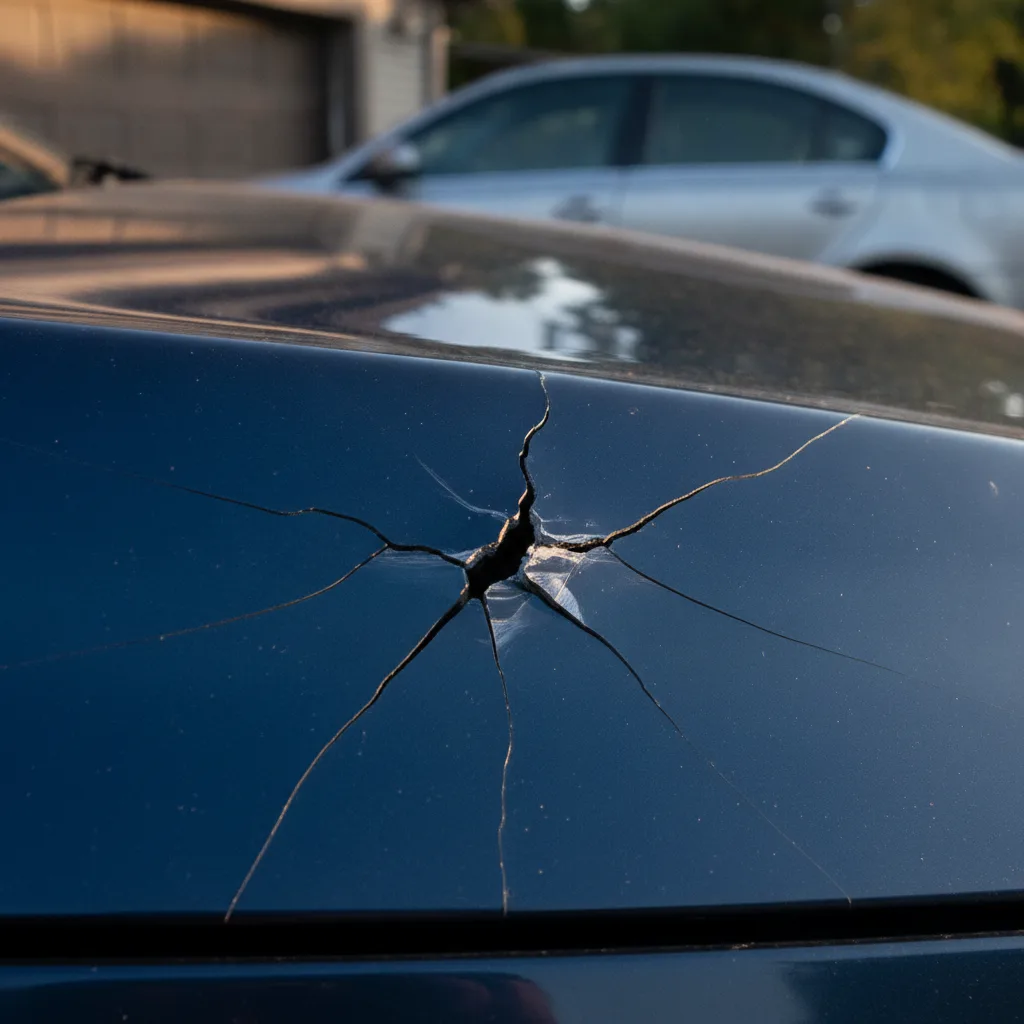
Temperatures in Phoenix, AZ regularly push past 115°F on summer pavement, then drop 40 degrees overnight. That daily thermal expansion and contraction cycles your vehicle’s body panels, plastic components, and structural materials through relentless stress. A small crack doesn’t stay small for long under those conditions. It migrates, deepens, and eventually compromises materials that were designed to protect you in a collision.
Most drivers assume a visible crack is a cosmetic issue. That assumption causes real problems. A crack in a bumper cover can signal stress fractures in the underlying support structure. A crack near a door pillar or rocker panel can mean the vehicle’s crumple zone geometry has already shifted. By the time the damage is obvious, the structural math has changed in ways that put occupants at risk.
Phoenix roads add another layer of stress. The I-10 corridor carries heavy freight traffic year-round, and the road vibrations from that constant load transfer into every vehicle sitting in that traffic. Vibration accelerates crack propagation, especially in materials already weakened by heat cycling. A crack that might take two years to spread in a milder climate can double in size within a single Arizona summer.
Here’s the professional opinion most shops won’t say plainly: waiting to see if a crack “gets worse” before bringing it in is the wrong call. By the time it’s visibly worse, the repair is more invasive and the cost is higher. Early crack repair is almost always faster, less expensive, and more effective than delayed repair.
At Brad’s Deer Valley Collision, we’ve been assessing structural damage in Phoenix, AZ since 1985. We know what the desert does to vehicles, and we know how to stop a small crack before it becomes a serious safety concern.
Types of Cracks and What They Reveal About Your Vehicle
Not all cracks are created equal. A hairline fracture in your clear coat is a completely different problem than a stress fracture running through a structural panel, and treating them the same way is one of the most common mistakes Phoenix drivers make.
Paint and Clear Coat Cracks
These are the most common cracks we see at the shop. They look cosmetic, and honestly, sometimes they are. But crazing or spiderweb cracking in your clear coat often signals that the layers beneath weren’t prepped or applied correctly, or that UV exposure has done serious cumulative damage. Phoenix’s sun doesn’t give paint a break. When clear coat cracks, moisture finds a path to bare metal, and rust follows faster than most people expect.
Stress Fractures in Plastic Bumpers and Body Panels
Stress fractures show up around mounting points, wheel wells, and bumper corners. They’re usually the result of a low-speed impact that didn’t cause visible denting but transferred force through the panel. Here’s the professional opinion most people don’t want to hear: a stress fracture in a bumper cover is not a DIY fix with filler and paint. The plastic substrate needs proper repair or the crack returns, usually faster than before.
Windshield and Glass Cracks
A chip becomes a crack. A crack spreads. Thermal expansion from Phoenix heat accelerates this faster than almost anywhere else in the country. According to the National Highway Traffic Safety Administration, windshield integrity is directly tied to airbag deployment and roof crush resistance in a rollover. A compromised windshield isn’t just an inconvenience; it changes how your vehicle performs in a collision.
Frame and Structural Cracks
This is the category that concerns us most. Frame cracks can hide behind interior trim, under body panels, or in areas not visible during a casual walk-around. They’re typically the result of a prior collision that wasn’t fully repaired, or a hard hit to a curb or road hazard. Missing hidden frame damage is one of the most damaging mistakes in this industry, and it happens when shops skip a proper structural inspection. Our team has been doing thorough assessments in Phoenix since 1985, and you’d be surprised how often we find prior damage that wasn’t caught elsewhere.
You can browse our full range of crack repair and auto body services to get a clearer picture of what a complete inspection actually covers. If something looks off on your vehicle, don’t guess at the severity.
The Hidden Dangers of Delaying Crack Repair
Most customers who delay crack repair aren’t being careless. They’re just underestimating what’s happening beneath the surface while they wait. In Phoenix, that window of “I’ll get to it next month” closes faster than most people expect.
Here’s what’s actually at stake when you put off crack repair in Phoenix, AZ:
-
Rust and corrosion accelerate quickly. Phoenix’s intense UV exposure and extreme heat cycles break down protective coatings fast. Once a crack breaches the clear coat or primer layer, bare metal is exposed. Contrary to popular belief, desert climates aren’t rust-free. Monsoon humidity, morning condensation, and car wash moisture are enough to start oxidation inside a crack within weeks.
-
Safety system calibration gets compromised. Cracks near sensor housings, camera mounts, or bumper covers can shift ADAS components just enough to throw off lane-keep assist and automatic braking. A crack that looks cosmetic may be affecting systems your life depends on. Most drivers never connect the two.
-
Insurance claims get complicated. Insurers document pre-existing damage. A crack that spreads between the date of a new incident and your claim filing can create disputes over what was accident-related and what wasn’t. That’s a headache you can avoid entirely.
-
Resale value drops significantly. Structural or paint-layer cracks visible during a pre-purchase inspection signal deferred maintenance to any serious buyer. It’s one of the fastest ways to lose leverage on your asking price.
The cost of crack repair now is almost always less than the cost of what delayed repair creates. Our team has been catching these compounding problems since 1985, and the pattern is consistent: small cracks ignored become big repairs that no one budgeted for.
Brad’s Professional Crack Repair Process
Every crack repair job that comes through our shop in Phoenix starts the same way: a thorough inspection before anyone touches a tool. That part matters more than most customers realize, and honestly, it’s where a lot of other shops cut corners.
Step One: Full Structural Diagnosis
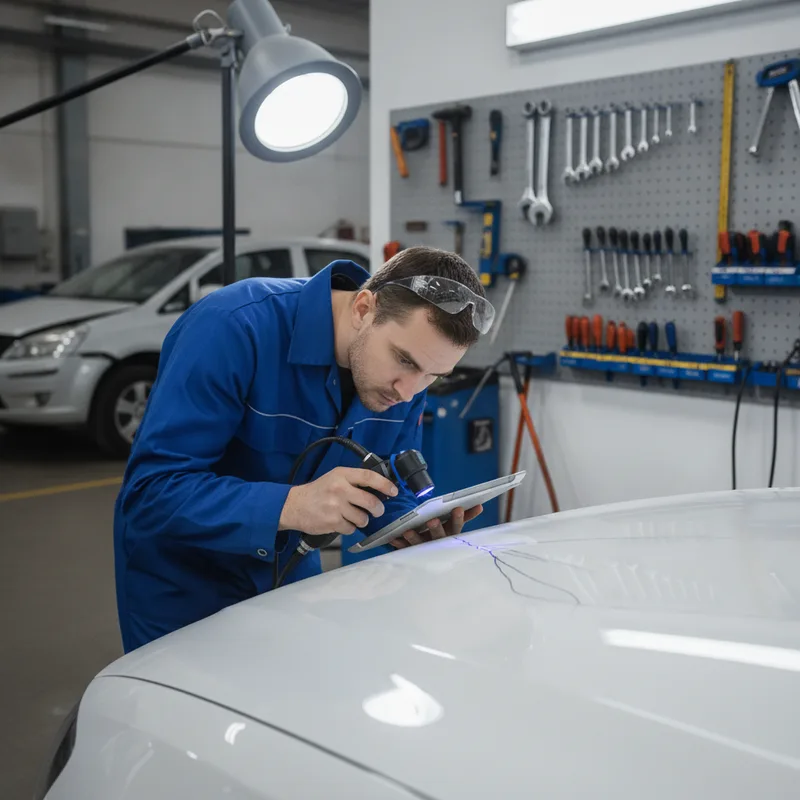
We don’t eyeball cracks and make assumptions. Our technicians run a complete diagnostic assessment that includes checking the underlying substrate, measuring panel alignment, and looking for stress fractures that don’t show up under normal lighting. Phoenix heat causes materials to expand and contract in ways that push surface cracks deeper over time, so what you can see on the outside is rarely the whole picture.
If there’s any indication of frame involvement, we move straight into a frame alignment check. Missing that step is one of the most costly oversights in this industry, and it’s more common than people think.
Certified Technicians, Not Guesswork
Our shop holds I-CAR and ASE certifications, and those aren’t just credentials we hang on the wall. They reflect a consistent training standard that directly shapes how our team approaches every repair. You can read more about our background and what 40-plus years of experience looks like in practice on our About page.
We’ve been doing this since 1985. That kind of longevity in Phoenix’s competitive market comes from doing the work right, not fast.
The Repair Itself
Surface prep is everything. We clean, profile, and prime the damaged area before any filler or bonding agent goes on. Skipping prep is the single most common reason crack repairs fail within a year, and we refuse to take that shortcut regardless of time pressure.
For plastic bumper repairs, we use flexible adhesives designed specifically for the thermal expansion Phoenix driving demands. For structural panels, we match repair methods to the material type, whether that’s SMC, fiberglass, or steel. A one-size approach to crack repair produces one-size results, and those results are usually mediocre.
Post-Repair Alignment and Safety System Recalibration
Here’s where we differ from a lot of shops. After crack repair that involves any structural area, we verify post-repair alignment and recalibrate safety systems where required. Lane assist, automatic emergency braking, and forward collision warning all rely on sensors that shift when panels or frames are disturbed. Most smaller shops skip this entirely.
We don’t. Full stop.
Check out our complete services page to see the full scope of what we handle, and take a look at what Phoenix customers say about their experience with us firsthand. When you’re ready to bring your vehicle in, contact us for an estimate and walk-ins are always welcome.
Crack Prevention Strategies for Phoenix Drivers
Most crack damage is preventable. That’s something we’ve seen confirmed repeatedly over nearly four decades of doing this work in Phoenix, AZ.
The sun is your biggest threat year-round. UV radiation breaks down clear coat and plastic faster than most drivers account for. Parking in shade or using a quality car cover isn’t optional maintenance here, it’s basic protection. A UV-resistant paint sealant applied every six months adds another layer of defense that pays for itself by reducing the frequency of crack repair down the road.
Watch the Roads, Not Just the Weather
Phoenix roads carry real debris hazards. Construction zones around Loop 101, gravel shoulders near South Mountain Park, and heavily patched streets in older neighborhoods all throw material at your vehicle’s lower panels and bumpers. Increasing your following distance, especially behind trucks, gives debris time to settle before it reaches you. It’s a simple habit that prevents a surprising amount of damage.
Temperature swings matter too. Going from a scorching parking lot straight into an air-conditioned garage repeatedly stresses plastic and painted surfaces through constant expansion and contraction. Gradual transitions are better on your vehicle’s finish than dramatic temperature shifts.
Build a Simple Inspection Routine
Walk around your vehicle every two weeks with fresh eyes. Look for bubbling paint, hairline fractures near panel edges, and any discoloration that wasn’t there before. Catching a small crack early costs far less than addressing the structural or cosmetic damage that follows when it’s ignored.
One opinion worth sharing: most people over-invest in wax and under-invest in regular inspection. Wax looks good. Inspection actually protects you.
If you spot something, reach out to our team before it becomes a larger problem. Early crack repair is almost always the more affordable path.
Common Crack Repair Mistakes to Avoid
Bad crack repair is sometimes worse than no repair at all. That’s not an exaggeration. A poorly patched crack can trap moisture, hide spreading damage, and give you false confidence that the problem is solved.
Here are the mistakes we see most often:
-
Skipping surface prep. Filler applied over contaminated or improperly sanded material will fail. The bond breaks down fast, especially in Phoenix heat.
-
Missing hidden damage. A visible crack is often the symptom, not the full problem. Shops that skip a thorough inspection before starting work are guessing.
-
Neglecting post-repair alignment. Structural cracks can affect how your vehicle sits and tracks. Fixing the crack without checking alignment is an incomplete repair.
-
No written warranty. If a shop won’t put their guarantee in writing, that tells you something. Walk away.
Honestly, the advice to just “get three estimates and pick the lowest” frustrates us. Price shopping without checking credentials costs drivers more in the long run. Verify I-CAR certification, read real reviews, and ask direct questions about their process.
Our nearly 40 years in Phoenix exist because we don’t cut those corners. See what customers say on our reviews page.
Insurance, Warranties, and Your Crack Repair Rights
A lot of customers assume their insurance won’t cover crack repair unless there’s a clear collision involved. That assumption costs people money. Depending on your policy, comprehensive coverage may apply to cracks caused by heat stress, road debris, or UV deterioration. It’s worth a phone call to your provider before paying out of pocket.
Here’s the part most insurers won’t volunteer: you have the right to choose your own repair shop in Arizona, regardless of what your adjuster recommends. Insurance companies maintain preferred vendor lists, and they’ll often steer you toward shops that work within their cost constraints. That’s their interest, not necessarily yours. A direct repair program shop isn’t automatically a bad choice, but you should choose it because the quality is there, not because an adjuster handed you a list.
At Brad’s Deer Valley Collision, we’ve been working directly with insurance companies in Phoenix, AZ since 1985. We handle the documentation, the estimates, and the back-and-forth so you don’t have to. You can review what that process looks like across our full services before you even call.
What Our Warranty Covers
Every crack repair we complete comes with a written warranty. Not a verbal assurance. A written one you can hold us to. We warranty our workmanship against defects, and we use materials that are built to handle Phoenix’s UV exposure and thermal cycling, because a repair that fails after one summer isn’t a repair.
Before you drop your vehicle anywhere, ask three things: Is the warranty in writing? Does it cover both parts and labor? What’s the process if something fails? If a shop gets vague on any of those, that’s your answer.
You can read what Phoenix drivers say about our work on our customer reviews page, and learn more about our certifications and history on the about page.
Walk-ins are welcome. Contact us today for a free crack repair estimate and inspection. No pressure, just a straight answer about what your vehicle actually needs.
Frequently Asked Questions
How do I know if a crack in my vehicle is a safety risk?
Any crack in a load-bearing area, like your frame, pillars, or windshield, is a structural concern that needs professional eyes on it right away. Even a small crack can spread fast because of road vibration and Phoenix, AZ, USA’s intense heat cycling. Don’t wait to see if it gets worse. Stop by Brad’s Deer Valley Collision and we’ll do a free visual assessment to tell you exactly what you’re dealing with and what your options are.
Can small cracks be repaired without full frame replacement?
In many cases, yes. We use advanced welding, epoxy injection, and composite reinforcement techniques to handle crack repair without pulling out the entire frame. The right approach depends on where the crack is, how deep it runs, and how your vehicle is built. After we inspect it here at our Phoenix, AZ, USA shop, we’ll hand you a detailed written estimate so you know exactly what the repair involves and what it’ll cost.
How long does professional crack repair take?
It really depends on the severity. Surface cracks with cosmetic paint touch-ups can often be handled the same day. Structural frame crack repair typically runs three to five days. We’ll give you a clear turnaround estimate before any work begins, and we offer loaner vehicles so your schedule isn’t completely thrown off while your car is in the shop. No surprises, just straight communication from start to finish.
Does Brad’s warranty cover cracks that reappear after repair?
Yes, absolutely. We stand behind our crack repair work with a written warranty. If a crack we repaired comes back within the warranty period, we’ll take care of it at no charge to you. The specific terms are spelled out right on your repair invoice so you have it in writing. We’ve built our reputation in Phoenix, AZ, USA on doing the job right the first time, and the warranty reflects that commitment.
How can I prevent cracks from happening in the first place?
A few habits go a long way. Get your vehicle inspected regularly, watch out for potholes and road debris, and keep your tire pressure where it should be to reduce stress on your frame and body panels. Phoenix, AZ, USA’s extreme sun and sharp temperature swings accelerate wear on your vehicle’s materials, so preventive maintenance here matters more than in most places. Catching small issues early is always cheaper than dealing with full crack repair down the road.
Get Your Vehicle’s Paint Damage Fixed Right Here in Phoenix, AZ, USA
Don’t let a small crack or chip turn into a bigger, more expensive problem. At Brad’s Deer Valley Collision, our I-CAR and ASE-certified technicians will give you a free inspection and a written estimate with honest, upfront guidance. Walk-ins are always welcome, and you can see what our customers are saying on Google before you even stop by.
Call us today or come visit our shop in Deer Valley. We’re ready to help you get back on the road looking great.