Collision Repair Process in Phoenix, AZ: What to Expect From Initial Assessment to Final Delivery
Collision Repair Process in Phoenix, AZ: What to Expect From Initial Assessment to Final Delivery
The Collision Repair Process: A Clear Roadmap
Collision repair at Brad’s Deer Valley Collision follows five stages: damage assessment, written estimate and insurance coordination, parts sourcing and repair planning, the actual bodywork and paint, and a final quality inspection before your vehicle is handed back. Customers in Phoenix, AZ, USA can expect documented updates at each stage, not just a phone call when the job’s done. Brad’s Deer Valley Collision has handled this process since 1985.
Say your car takes a hit in a Phoenix parking lot and the front bumper is cracked with the headlight housing knocked loose. That’s a fairly routine repair, but the sequence still matters. Skipping steps, eyeballing a frame instead of measuring it, or rushing paint cure times is where shortcuts show up later. In our experience, the shops that skip documentation early on are the same ones that struggle with insurance disputes down the line.
This roadmap gives you a realistic picture of what happens between drop-off and delivery. If you want specifics on what a given repair might involve, our full range of collision repair services breaks down each type of job we handle, from bumper repair to frame alignment. Knowing the stages ahead of time makes the whole experience less of a mystery.
Step 1: Initial Damage Assessment and Documentation
First visit. This is where everything starts.
A technician walks the vehicle, inch by inch, looking for damage you’d never spot on your own. Bumper cracks are obvious. What isn’t obvious is the hidden stuff: bent brackets behind the bumper cover, misaligned frame rails, or sensor damage tied to your vehicle’s ADAS (advanced driver-assistance systems). At Brad’s Deer Valley Collision, we’ve seen plenty of vehicles come in for “just a dent” that turned out to have shifted mounting points or damaged radar sensors once we got the panels off.
Most guides tell you a visual inspection is enough to scope a repair. In our experience, it isn’t. A proper assessment includes measuring the frame against factory specifications, checking suspension alignment, and inspecting for paint cracking that signals deeper structural stress. Skipping this step is how customers end up with surprise costs three days into a job.
Photo documentation happens at this stage too. We photograph every angle, panel gaps, and prior repair work already on the vehicle. This protects you and us. If there’s a dispute later with an insurance adjuster about what was pre-existing versus collision-related, those photos settle it.
What You Should Do Before You Arrive
-
Take your own photos of the damage from multiple angles before drop-off.
-
Remove valuables, garage door openers, and personal items from the cabin and trunk.
-
Bring your insurance information and any claim number you’ve already been assigned.
-
Write down anything unusual the vehicle has done since the accident (pulling to one side, warning lights, odd noises).
That last point matters more than people think. A noise or warning light you mention on day one can point a technician straight to a problem that wouldn’t otherwise show up until later in the repair.
Walk-ins are welcome at our Phoenix, AZ, USA shop for this initial assessment, and we’d rather you come in with questions than wait until something feels off. A collision repair shop that rushes this step is setting up problems for step two.
Step 2: Written Estimate and Insurance Coordination
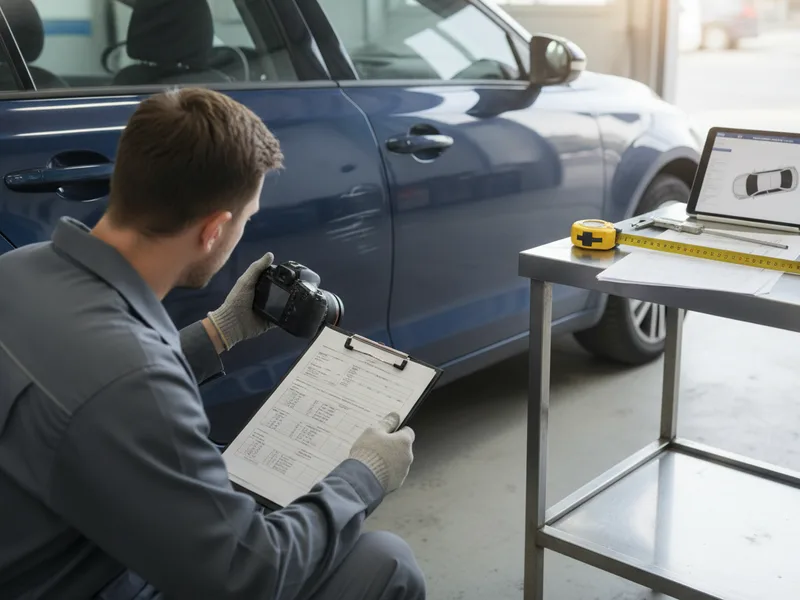
Most disputes we see between customers and insurers trace back to a verbal estimate someone accepted over the phone. That’s a mistake. A real estimate is written, itemized, and specific enough that you could hand it to three different shops and compare them line by line.
A proper written estimate breaks down labor hours, parts costs (and whether those parts are OEM or aftermarket), paint materials, and an expected timeline. Vague, wondering estimates that just list a total dollar figure without the underlying breakdown are a red flag worth taking seriously.
Once the estimate is drafted, the shop typically contacts the insurance company directly to walk through the scope of repairs. At Brad’s Deer Valley Collision, our team handles this coordination so customers aren’t stuck relaying technical details between adjusters and technicians. Phoenix, AZ, USA drivers have the legal right to choose their own collision repair shop regardless of which shop their insurer suggests; that’s worth confirming with your insurance provider or a qualified professional if you’re unsure how your policy handles it.
Here’s where we’ll offer a slightly contrarian take: the lowest bid isn’t always the safest choice. In our experience, unusually low estimates often mean corners get cut on parts quality or labor time, and that shows up months later as fitment issues or paint that doesn’t hold up. Getting two or three written estimates is smart practice, but the goal should be comparing thoroughness, not just chasing the smallest number.
-
Confirm the shop’s I-CAR or ASE certifications before signing anything
-
Ask directly about warranty coverage on parts and labor
-
Request clarity on OEM versus aftermarket parts before work begins
If you’re ready to get a written estimate started, you can reach out through our contact form and location details to schedule a visit or walk in during business hours.
Step 3: Parts Sourcing and Repair Planning
Here’s the honest version. Once the estimate is written, someone has to order the parts, and what gets ordered matters more than most drivers realize.
You’ve got two main options: OEM (original equipment manufacturer) parts made by the automaker, or aftermarket parts made by a third party. OEM parts typically fit better and match factory specs exactly. Aftermarket parts cost less and can work fine on cosmetic repairs, but fit and finish vary by manufacturer. In our experience, most guides tell you to always insist on OEM. We don’t fully agree. On a bumper cover with no structural role, a quality aftermarket part is often a reasonable call. On anything tied to safety systems or frame components, OEM is worth the conversation with your adjuster.
Lead times are the part nobody warns you about. Some parts sit on a shelf in Phoenix, AZ, USA. Others get shipped from out of state, and that can stretch your timeline by days you didn’t plan for. A shop worth trusting tells you this upfront, before your car is halfway disassembled.
Ask two things before repairs start: what warranty applies to the parts being used, and whether OEM or aftermarket parts are going on your vehicle. A collision repair shop that hesitates on either question is a red flag. Written answers matter here just as much as they did on your estimate.
Step 4: Collision Repair, Frame Alignment, and Paint Work
Ask any body man where a repair goes wrong, and he’ll point to frame work skipped or rushed. This is the stage where the vehicle actually gets fixed, and it’s also where shortcuts do the most long-term damage. A car can look perfect in the parking lot and still be dangerously out of alignment underneath.
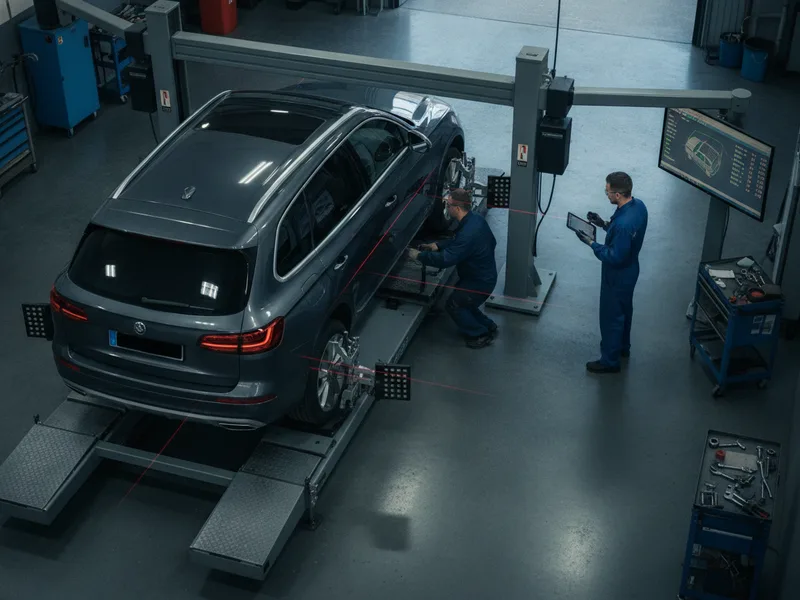
Frame alignment isn’t optional. If the frame’s off by even a small margin, the vehicle can pull to one side, wear tires unevenly, or fail to protect occupants the way it was engineered to in another impact. Modern alignment systems use computerized measurements against factory specifications, checking the frame at dozens of points rather than eyeballing it. In our experience, shops that skip a post-repair alignment printout are cutting a corner that customers rarely notice until months later.
Dent removal and panel work happen alongside frame correction. Paintless dent repair works for shallow, accessible dents; anything deeper or near a crease usually needs traditional filler and sanding. Once the metal work is done, the vehicle moves to paint.
Paint Matching Is Harder Than It Looks
Factory paint colors shift slightly by production year and even by plant. A certified painter uses spectrophotometer readings and a formula database to get within a shade that’s invisible in daylight. Cheaper shops eyeball it or reuse an old formula card. The difference shows up under sunlight in Phoenix, AZ, USA, where UV exposure is intense and mismatched paint fades unevenly within a year or two.
Where Average Shops Fall Short
Modern vehicles rely on cameras and sensors for lane departure warnings, automatic braking, and adaptive cruise control. These systems, grouped under ADAS (Advanced Driver Assistance Systems), often need recalibration after collision repair because a bumper or windshield replacement can shift a sensor’s alignment by fractions of a degree. Most smaller shops don’t own the diagnostic equipment for this step, so they either skip it or send the car elsewhere, adding time and confusion. Shops that invest in ADAS recalibration in-house catch problems before the car leaves the lot instead of after a customer reports a warning light. You can review the certifications and repair history behind our own approach on our shop background and credentials page, which outlines the training our technicians carry.
Every one of these steps feeds into the final inspection, which is where small errors either get caught or get sent home with the customer.
Step 5: Final Quality Inspection and Customer Handoff
Every repair gets a last look before it goes back to you. Not a glance. A real inspection, checking the work against what the estimate promised.
A technician other than the one who did the repair usually handles this step. Fresh eyes catch things the original crew might miss simply because they’ve been staring at the same panel for days. They’ll check paint match under natural light, run fingers along seams to feel for texture mismatches, and test that every panel gap lines up the way it did from the factory.
Then comes the test drive. This isn’t optional, and any collision repair shop skipping it is cutting corners. The drive checks alignment, brake response, and whether ADAS features like lane departure warnings or automatic braking recalibrated correctly after the repair. Skipping ADAS recalibration is one of the more common shortcuts we see in the industry, and it’s the one we push back on hardest.
When you pick up your vehicle, take your time. Check the paint in daylight, not just under shop lighting. Open and close doors, the hood, the trunk. Look at panel gaps side to side. Ask to see the written warranty and get clear on what it covers: paint, parts, labor, and for how long.
Honesty About Minor Issues
Sometimes small things linger, maybe a slight texture difference on an older panel next to new paint. A shop that points this out before you notice it is a shop worth trusting. One that stays quiet and hopes you don’t look closely is telling you something too.
Phoenix, AZ, USA customers picking up vehicles at our shop get walked through the repair in person, panel by panel, so nothing’s a surprise on the drive home.
Communication Checkpoints That Separate Excellent Shops From Average Ones
Watch the front counter for an hour at any collision repair shop and you’ll spot the pattern fast. The shops with a line of frustrated customers are usually the ones that only call when there’s bad news. The ones with quiet, steady traffic call at every stage: after the initial assessment, when parts arrive, mid-repair with photos of the work in progress, and again with the pre-delivery inspection results.
That last one matters more than people expect. A text with a photo of a freshly painted panel does more to settle nerves than a phone call ever will.
We’ve built our process around that idea since 1985, because customers today compare a body shop’s communication to what they get from any retailer, not just other shops in Phoenix, AZ, USA. Waiting a week for an update isn’t acceptable anymore, and it shouldn’t be.
Silence is the biggest red flag in this business. If a shop goes quiet after drop-off, that’s worth asking about directly. You can read how other customers describe their experience with updates, timelines, and communication on our customer reviews and repair stories page before deciding where to bring your vehicle.
Frequently Asked Questions
How long does a typical collision repair take?
Timelines depend a lot on how bad the damage is. A cracked bumper or minor fender repair might have you back on the road in a few days, while anything involving frame damage or structural work can stretch into weeks, especially if parts are backordered. When you bring your car to a collision repair shop in Phoenix, AZ, ask for a written estimate that spells out the expected turnaround, and don’t be afraid to check in if you haven’t heard an update.
Can I choose my own collision repair shop, or must I use my insurance company’s preferred shop?
You get to pick the shop, full stop. Insurance companies in Phoenix, AZ will often push their preferred network because it’s faster and cheaper on their end, and sometimes they’ll sweeten the deal with things like a lower deductible. That said, the repair is on your car, so it’s worth weighing convenience against who you actually trust to do the work right.
What’s the difference between OEM and aftermarket parts, and which should I choose?
OEM parts come straight from your vehicle’s manufacturer, so the fit and finish match exactly what was on the car originally. Aftermarket parts are made by outside companies, usually cost less, and quality can be hit or miss depending on the maker. For anything tied to safety, like airbags, frame components, or crash sensors, ask your shop to confirm OEM parts are being used, and get the breakdown in writing before repairs start.
What warranty should I expect on collision repair work?
Most solid collision repair shops back their work with a written warranty, often somewhere in the 3 to 5 year range, though exact terms vary shop to shop. Before any work starts, ask what’s actually covered, paint, welds, dent repair, and what would void the warranty. If a shop won’t put it in writing, that’s worth a second thought before you hand over your keys.
What happens if the repair takes longer than estimated?
Delays come up more than people expect, usually from hidden structural damage found once the car’s opened up, parts sitting on backorder, or your insurance company taking its time approving supplemental repairs. A shop that communicates well will call you as soon as they know about a delay and explain why, and put any revised timeline in writing. Ask upfront about loaner cars or shuttle service so an extended repair doesn’t leave you stuck without a ride.
Get Your Collision Repair Started
Dents, frame damage, or paint issues after an accident can feel overwhelming, but you don’t have to sort it out alone. Brad’s Deer Valley Collision will walk you through a written estimate, explain the repair timeline, and answer questions before any work begins.
Stop by our shop in Phoenix, AZ, USA, or give us a call to talk with a certified technician about your vehicle. You can also browse our full list of collision repair and auto body services to see what’s involved before you come in.
Curious what other drivers in the area have experienced? Feel free to check out our reviews on Google before you reach out. For questions involving insurance claims or liability after an accident, it’s also a good idea to confirm details with your insurance adjuster or a qualified professional.