Affordable Auto Body Repair in Phoenix, AZ: How to Get Quality Work Without Breaking the Bank
Affordable Auto Body Repair in Phoenix, AZ: How to Get Quality Work Without Breaking the Bank
The Direct Answer: How to Find Affordable Auto Body Repair Without Compromising Quality
Affordable auto body repair in Phoenix, AZ, USA comes down to four habits: gathering two or three written estimates before you choose a shop, confirming the shop carries recognized certifications and offers a written warranty, asking whether parts are OEM or aftermarket, and picking a collision repair provider that works directly with insurance companies instead of one that pads costs. Brad’s Deer Valley Collision follows this exact approach with every Phoenix customer.
Brad’s Deer Valley Collision has served Phoenix drivers since 1985.
Picture a fender bender near a Phoenix intersection during rush hour. The bumper’s cracked, the headlight housing is loose, and you’re already bracing for a bill that feels arbitrary. In our experience, drivers who skip the estimate comparison step almost always overpay, even when the first quote sounded reasonable. A shop’s collision repair and bumper repair services page is worth reviewing before you call, since it tells you whether the shop actually handles your specific type of damage or just advertises broadly.
Most advice online treats OEM parts as automatically better. That’s not always true; aftermarket parts can be a reasonable, lower-cost option depending on the vehicle’s age and the type of repair. A qualified technician should walk you through that tradeoff before any work begins.
Understanding Auto Body Repair Pricing in Phoenix
Four things drive most collision repair bills: labor rates, parts, alignment work, and paint. Once you know how each one factors into a quote, you’ll read estimates differently.
Labor rates in Phoenix, AZ, USA vary by shop based on overhead, technician training, and equipment investment. A shop that’s paid to send technicians through I-CAR training and keeps ASE-certified staff on the floor typically charges more per hour than a shop that hasn’t. That gap isn’t padding. It’s the cost of having someone qualified to work on your vehicle’s structure or safety systems.
Parts selection is the next big variable. OEM (original equipment manufacturer) parts come from your vehicle’s maker and usually cost more. Aftermarket or salvaged parts cost less but can vary in fit and quality. Neither choice is automatically wrong. In our experience, the right call depends on the vehicle’s age, the location of the damage, and what your insurance policy actually covers, not a blanket rule about always choosing one or the other.
Frame alignment is where corners get cut most often. Modern vehicles need precise frame measurement, and increasingly, ADAS recalibration (the cameras and sensors behind lane assist, automatic braking, and similar features) after a collision. That equipment is expensive, and running it correctly takes time. A shop skipping this step can quote lower, but the result may be a car that looks fine and drives unpredictably.
Paint work is its own cost center. Matching a factory finish requires color-matching technology and a controlled paint booth. Rushed paint jobs or mismatched colors are one of the most common complaints we hear about lowball repairs.
Put those four factors together and you’ll see why the lowest bid in Phoenix is often the one to question, not celebrate. A shop quoting far below the other estimates you’ve collected is usually cutting something: parts quality, alignment precision, paint prep, or labor hours. Most guides tell people to chase the cheapest number. We’d push back on that. A mid-range estimate that includes proper alignment, honest parts disclosure, and a written warranty tends to hold up better over the life of the vehicle than a bargain quote that leaves out half the job.
Understanding these cost drivers is the foundation for comparing estimates line by line, which is exactly what the next section walks through.
The Estimate Comparison Checklist: What to Look For
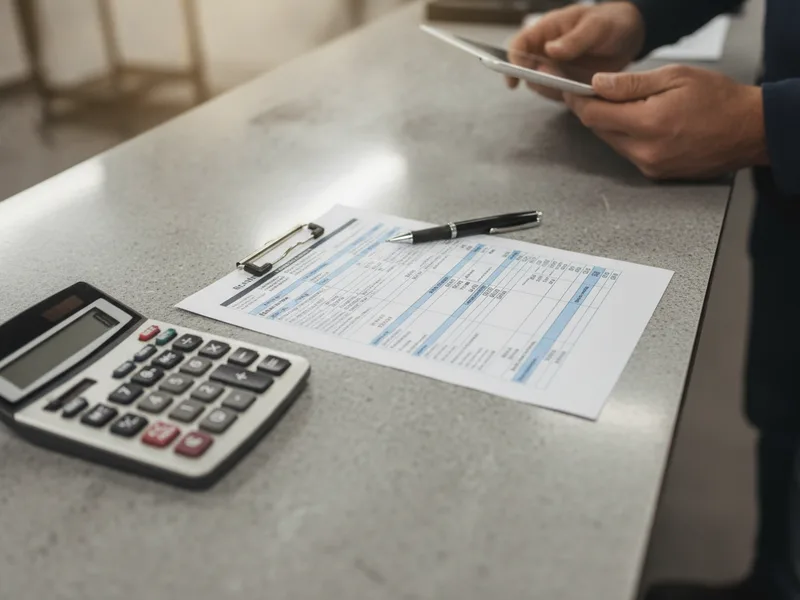
After years of writing estimates in Phoenix, AZ, USA, we’ve noticed something: most drivers compare the bottom-line number and skip everything above it. That’s backward. The total price means little if you don’t know what’s included, and two shops quoting similar totals can mean very different repairs.
Here’s a checklist to work through with each of your two or three written estimates.
-
Parts specified by name. Look for whether the estimate lists OEM (original equipment manufacturer) or aftermarket parts. Neither choice is automatically wrong, but the price difference should match the part type, not just show up as a vague line item.
-
Labor rate and hours. Shops in Phoenix, AZ, USA set their own hourly rates based on overhead and technician experience. Ask for the rate and the estimated hours separately so you can see how they add up.
-
Paint matching method. A shop using computerized paint matching technology should say so. This matters more than most drivers realize, especially on repairs involving hood, fender, or door panels visible next to original paint.
-
Warranty terms in writing. A verbal promise isn’t a warranty. Ask what’s covered, for how long, and whether it transfers if you sell the car.
-
Turnaround estimate. Get a realistic timeframe, not just “a few days.” Structural or frame work takes longer than a bumper repair, and a shop that won’t estimate turnaround may be guessing on the whole job.
-
Insurance claim handling. If you’re filing through insurance, ask whether the shop works directly with your insurer and handles documentation, or whether that falls on you.
Lay the estimates side by side. Gaps in any of these categories, especially parts type or warranty, usually explain a lower number better than “efficiency” does. If a claim involves your insurance company, it’s worth reviewing your policy or checking with your agent before you sign off on repair authorization.
Red Flags That Signal Overpriced or Low-Quality Repair Shops
Some warning signs are obvious once you know to look for them. Others get missed because they seem minor at first. Here’s what we tell customers to watch for before signing anything.
No written estimate. A verbal number means nothing once the bill arrives. If a shop won’t put pricing on paper, that’s your answer right there.
Pressure is another one. Some shops push customers toward whichever insurer their adjuster favors, instead of respecting that Phoenix, AZ, USA drivers have the right to choose their own repair shop regardless of what an insurance company suggests. A shop that steers you hard in one direction, rather than explaining your options, is working for someone other than you.
No certifications on display should give you pause. I-CAR and ASE credentials tell you a shop has invested in training its technicians properly. If you don’t see them posted anywhere, ask directly. A shop with nothing to hide will show you.
Same goes for warranty coverage. No written warranty on parts or labor means you’re carrying all the risk if something fails down the road.
Then there’s the bid that’s noticeably lower than everyone else’s. In our experience, an unusually low quote almost always means aftermarket parts of questionable quality, shortcuts on frame alignment, or a rushed paint job that won’t hold up. Cheap isn’t the same thing as affordable auto body repair done right; one saves you money, the other just delays a bigger expense.
Finally, watch how a shop communicates. If nobody returns your calls or gives you status updates once your car is in the bay, that pattern usually continues straight through to pickup day. Shops that value your business tend to keep you informed without being asked.
Not sure if a quote you received checks out? Reach out through Brad’s request a free repair estimate and get a second opinion before committing.
Why Shop Credentials Matter to Your Wallet
Every few months we see a car that got “fixed” cheap somewhere else and now needs real work. The paint doesn’t match. The frame pulls slightly to one side. That first repair looked like a bargain until the owner had to pay for it twice.
Certifications aren’t a marketing badge. I-CAR and ASE credentials tell you a technician has trained on specific repair procedures, not just picked them up by trial and error. That distinction shows up in frame alignment work especially. A frame that’s off by even a small margin can throw off tire wear and suspension geometry, problems that don’t announce themselves right away but get expensive down the road.
ADAS recalibration is another area worth asking about directly. Newer vehicles rely on cameras and sensors for lane assist and automatic braking, and those systems need precise recalibration after collision repair. Plenty of smaller shops skip this step or don’t have the equipment for it. In our experience, that’s one of the more overlooked corners cut in the name of a lower bid, and it’s a safety-related one, not just a cosmetic one.
Paint matching technology falls into the same category. A shop without the right tools can get close, but “close” under Phoenix, AZ, USA sunlight often shows as a visible panel mismatch within a year.
When you’re comparing estimates, ask to see certifications displayed or documented. A shop confident in its training won’t hesitate to show you. If safety systems are involved, it’s reasonable to confirm recalibration procedures with the shop and, when in doubt, a qualified technician before you approve final repairs.
Insurance Direct Repair Programs: Know Your Rights and Savings
Here’s something a lot of Phoenix drivers don’t know. Your insurance company will hand you a list of “preferred” shops after an accident. That list is called a Direct Repair Program, or DRP. Shops on it have agreed to the insurer’s pricing structure and documentation process in exchange for referral volume. That relationship can work in your favor, but it’s not the only option you have.
You have the legal right to choose your own repair shop. No insurer can force you into a specific location, and steering you toward one against your stated preference isn’t allowed. If you’d rather use Brad’s Deer Valley Collision instead of a shop off your insurer’s list, that choice is yours to make. For specifics on your policy and state protections, it’s worth a quick call to the Arizona Department of Insurance and Financial Institutions or a check of your policy documents.
DRP shops do operate under stricter oversight. Insurers audit their repair quality, their cycle times, and their parts sourcing on a regular basis. In our experience, that oversight is a real benefit for customers, not just paperwork. It tends to keep pricing more consistent and reduces the guesswork in an estimate.
Where it gets tricky is parts selection. Some DRP agreements lean toward aftermarket or recycled parts to hit a lower price point. That’s not automatically a problem, but you should ask directly what’s being used on your vehicle and why.
Working within a direct repair program can lower your out-of-pocket costs. It shouldn’t lower your expectations for the work itself. Ask questions, get it in writing, and pick the shop that answers both.
Questions to Ask Before You Commit
We’ve noticed that customers who ask questions upfront almost never end up surprised by their final bill. The ones who skip that step sometimes do. A short conversation at drop-off tells you more than any glossy brochure.
Before you hand over your keys, ask these seven things.
-
Are your technicians I-CAR or ASE certified, and can I see proof?
-
Will you use OEM parts, aftermarket parts, or a mix, and why?
-
What warranty comes with the repair, and what does it actually cover?
-
How long will the repair take, realistically?
-
Do you handle ADAS recalibration if my vehicle needs it?
-
Will you work directly with my insurance company on the claim?
-
Can I get a written estimate before any work starts?
A shop that answers clearly and without hesitation is usually a shop worth trusting. One that dodges or rushes you through these questions is telling you something too, even if it’s not saying it out loud.
Brad’s Deer Valley Collision has been answering these exact questions for Phoenix, AZ, USA drivers since 1985. You can read more about our credentials and background on our shop history and certification details page. If you’re ready to compare numbers for yourself, stop by for a free estimate and see what affordable auto body repair looks like when it’s done right.
Frequently Asked Questions
How much does collision repair typically cost in Phoenix?
Collision repair costs in Phoenix, AZ, swing pretty widely based on how bad the damage is, what parts your car needs, and the labor involved. A minor bumper dent might run somewhere in the $500 to $1,500 range, while frame or structural damage can push past $5,000. These numbers are just examples, and your actual cost depends on your specific vehicle. Getting two or three written estimates from local shops is really the only way to know what’s fair for your situation.
Should I choose OEM or aftermarket parts to save money?
Aftermarket parts usually cost less upfront, but they don’t always fit as tightly or hold up as long as parts made by your vehicle’s original manufacturer. OEM parts cost more, but you get a precise fit and generally better long-term durability. Honestly, the warranty a shop offers on the parts often matters more than which type you pick. A solid shop in Phoenix will put that warranty in writing no matter which option you go with.
Can I choose my own auto body shop, or do I have to use my insurance company’s preferred vendor?
You can pick any auto body shop you want in Phoenix, AZ, even if your insurance company pushes you toward one of their preferred vendors. That said, using a shop in your insurer’s direct repair program can sometimes lower or even waive your deductible, so it’s worth asking about. Just call around and ask shops directly if they participate in DRPs with your carrier. It’s a legitimate way to bring down what you pay out of pocket, and checking your policy details with your insurance agent is a smart move before you decide.
What warranty should a quality auto body shop offer?
A quality auto body shop should hand you a written warranty covering both the repair work and the paint job, and a lot of shops in Phoenix back that up for three to five years or longer. That warranty ought to cover things like paint adhesion, rust developing under the repair, and the integrity of any structural work done on your vehicle. If a shop tells you their warranty terms verbally but won’t put anything on paper, treat that as a warning sign and keep looking.
What should I do before dropping off my car for collision repair?
Before you drop your car off, take photos of all the existing damage from several angles, pull out any personal items or valuables, and write down your current mileage. Ask for a written estimate before any work starts, not after. It also helps to confirm the expected timeline, get the warranty details in writing, and find out how the shop plans to keep you updated on progress. These few steps take maybe ten minutes and give you a clear record to point to if something doesn’t line up later.
Get a Straight Answer on Your Repair Costs
If your car needs bodywork after a collision, guessing at the cost only adds stress to an already frustrating situation. Brad’s Deer Valley Collision offers a free, no-obligation estimate so you know what’s involved before any work starts, including parts, labor, and paint matching. We’ll walk you through our certifications and warranty coverage so you understand exactly what you’re paying for.
Stop by our Phoenix, AZ shop or give us a call to get your estimate started. You can also browse our full collision repair, frame alignment, and auto body painting services to see how we handle everything from a dented bumper to a full frame realignment.
If your claim involves an insurance adjuster, it’s a good idea to confirm coverage details with them directly before repairs begin. Want to hear from people who’ve already had work done here? Check out our reviews on Google to see what our customers are saying.