
Plastic Bumper Repair vs. Full Replacement in Phoenix, AZ: Cost Breakdown and Durability Comparison
Plastic Bumper Repair vs. Full Replacement in Phoenix, AZ: Cost Breakdown and Durability Comparison
Repair or Replace? The Quick Answer
Plastic bumper repair makes sense when the damage is limited to cracks, scuffs, or small punctures that haven’t compromised the bumper’s structure or mounting points. Full replacement becomes the smarter call when there’s deep structural cracking, broken mounting tabs, or damage that overlaps with sensors and reinforcement bars. Brad’s Deer Valley Collision has been assessing this exact tradeoff for drivers in Phoenix, AZ, USA since 1985.
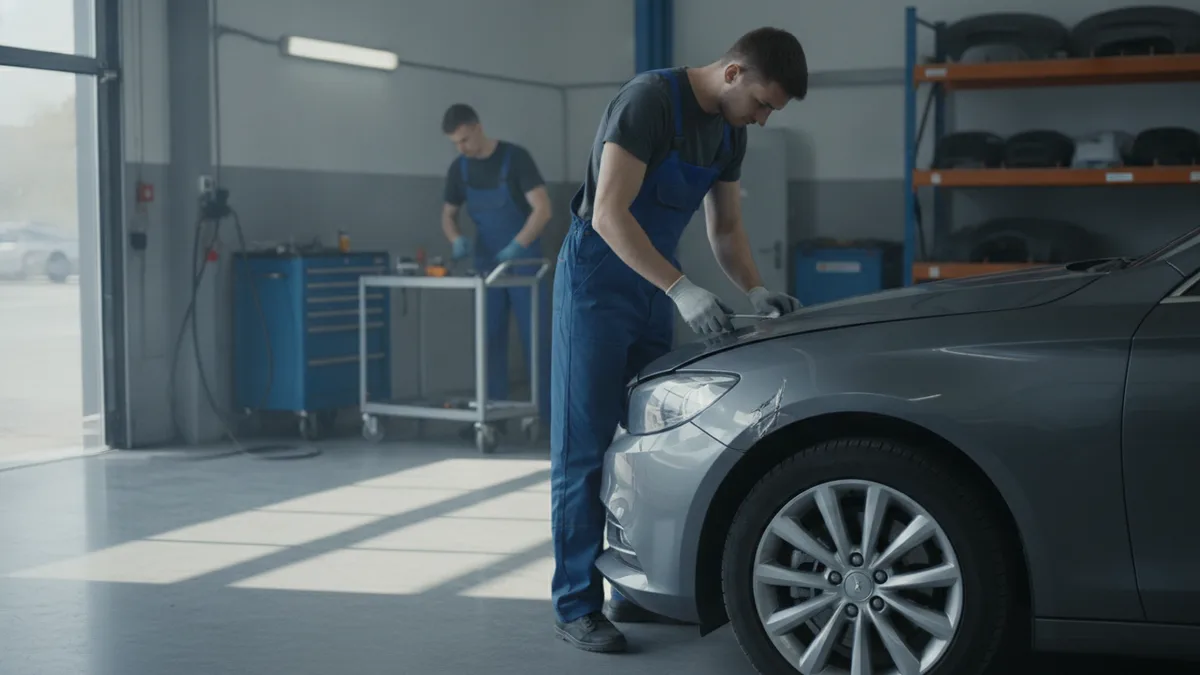
Picture a scraped front bumper from backing into a curb near a Phoenix shopping center parking lot. That’s usually a repair job: a technician sands, fills, and repaints the plastic, and the bumper looks and performs like new. Now picture a bumper that took a direct hit from another vehicle, with the corner shattered and the sensor housing cracked. That’s a replacement situation, no way around it.
Our technicians make this call after a hands-on inspection, not a guess from photos. In our experience, some shops default to replacement because it’s faster to bill, even when repair would hold up fine. We’d rather give Phoenix drivers an honest read on both options. You can see the full scope of what we handle on our bumper repair and replacement services page.
Material Costs: What You’re Actually Paying For
Materials.
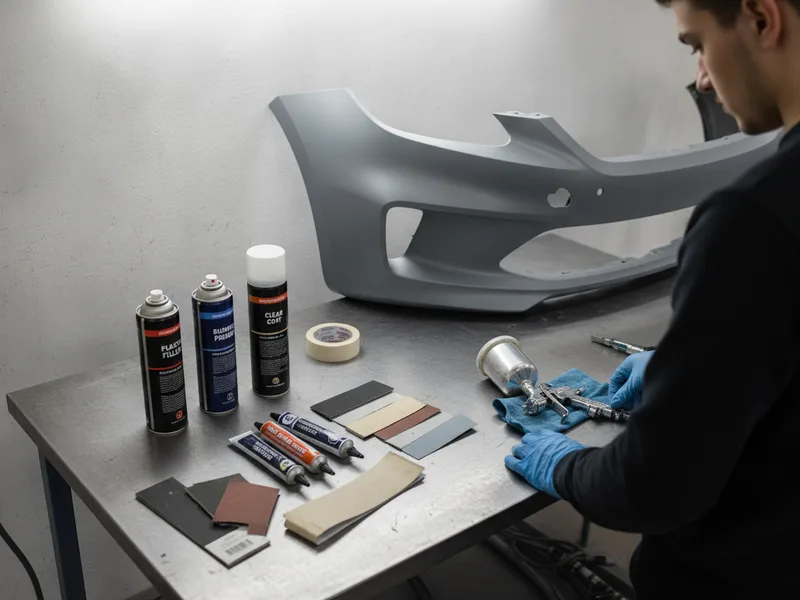
That’s where most of the confusion starts when customers see a repair estimate next to a replacement quote. Plastic bumper repair uses a handful of specialized products: flexible fillers made to move with the plastic instead of cracking again, structural adhesives for backside reinforcement, and plastic welding rods for punctures. None of this is exotic material, but it does require the right formulation for the bumper’s plastic type, and using generic body filler on a flexible bumper cover is a shortcut that tends to fail within a season or two, especially with Phoenix, AZ, USA’s heat cycles.
Replacement material costs run differently. You’re either paying for an OEM bumper cover, which comes from the manufacturer and matches the factory fit and plastic grade, or an aftermarket part, which is manufactured by a third party to a similar spec. OEM parts cost more upfront. Aftermarket parts save money but the fit and finish can vary shop to shop and part to part; we’ve seen aftermarket covers that fit almost as well as OEM, and we’ve seen ones that need real persuasion to line up correctly.
Paint is its own line item regardless of which path you choose. A repaired bumper still needs blending and clear coat to match the surrounding panels, and a replacement bumper needs a full paint job before it ever goes on the car. Paint and clear coat quality affects how well the finish holds up against Phoenix sun exposure over the years, so this isn’t a place to cut corners.
Here’s our take, based on years of writing these estimates: material quality matters more for resale value than most people expect. A well-repaired bumper with quality filler and proper paint blending can look factory-fresh, but a poorly repaired one with visible texture or color mismatch gets flagged by any buyer who looks closely. On the replacement side, OEM parts tend to hold their fit and finish longer, which matters if you plan to keep the car for years or sell it eventually.
We recommend asking any shop directly whether they’re quoting OEM or aftermarket parts and what filler and paint products they use for plastic bumper repair. That single question tells you a lot about the estimate you’re holding.
Labor: Repair Time vs. Replacement Installation
Ask any technician what surprises customers most, and it’s usually labor time, not parts cost. A small crack repair might sit on a rack for a couple of hours. A full bumper swap can eat up most of a technician’s day once you factor in trim removal, sensor transfers, and paint cure time.
Repair labor scales with damage complexity, not just size. A six-inch crack near a flat panel section is straightforward. That same crack running through a mounting tab or wrapping around a wheel well takes considerably longer, because the technician has to reinforce the plastic from behind before any filler goes on. Damage near a bumper’s structural ribs (the internal support ridges molded into the plastic) also adds time, since those areas take more stress and need a repair that flexes correctly once cured.
Replacement installation has its own variables. Swapping a bumper cover on a vehicle with basic parking sensors is a different job than one with adaptive cruise control radar, park-assist cameras, or ADAS-linked components (advanced driver assistance systems). Those systems often require recalibration after reinstallation, and that’s a step some smaller shops skip or aren’t equipped to handle. In our experience, that’s one of the more overlooked costs in a replacement estimate. It’s worth asking directly whether recalibration is included.
Labor rates in Phoenix, AZ, USA generally reflect regional body shop averages, though rates vary by shop overhead, technician certification, and equipment investment. Shops that carry I-CAR or ASE certifications and maintain calibration equipment often price labor differently than shops without that infrastructure, and that difference usually shows up in turnaround time as much as the invoice.
Parts availability affects replacement timelines more than most people expect. OEM bumper covers for common vehicles might ship within a few days, while less common models or specific paint-matched panels can take longer. That’s a conversation worth having before committing to a repair date, especially if a customer’s vehicle is a daily driver.
When Repair Makes Financial Sense
Most bumper damage we see on the rack doesn’t need a full swap. Here’s when we’ll tell you straight up that repair is the right move.
-
Small cracks and stress fractures. If the crack hasn’t traveled through a mounting point, flexible filler and reinforcement can restore strength without replacing the whole panel.
-
Minor to moderate dents. Plastic bumpers flex. A dent that popped back mostly into shape is usually a candidate for heat and reshaping rather than a new part.
-
Surface scuffs and scratches. Cosmetic damage from a parking lot scrape or curb tap is often the easiest fix in the shop. Paint matching handles the rest.
-
Small punctures. A single hole from road debris or a low-speed impact can typically be patched and blended so it’s invisible once painted.
-
Loose but intact clips or brackets. If the bumper shifted but the mounting hardware still holds, reattaching often costs a fraction of replacement labor.
Here’s an opinion that some shops won’t say out loud: we’ve had customers pushed toward replacement for damage that repaired just fine for years. Full replacement isn’t always the safer bet. It’s sometimes just the easier upsell.
Bumper plastic is more forgiving than people assume, and Phoenix’s heat actually helps some repair techniques by keeping the material pliable during reshaping. If you’re not sure which category your damage falls into, our team can look it over and walk you through the options. Reach out through our contact page to schedule a free estimate and consultation, and we’ll give you a straight answer before you spend a dollar.
When Replacement Is the Right Call
Some bumpers roll onto our rack and we already know, before the estimate is even written up, that repair isn’t going to hold. That gut check usually comes from seeing where the crack sits, not how big it looks.
Deep cracks that run through a mounting tab or reinforcement point are one of the clearest signals. Plastic flexes under normal driving stress, and a crack near a mount point tends to keep spreading no matter how much filler goes into it. Stress fractures that radiate out in multiple directions from an impact point behave the same way. Repair them today, and there’s a good chance you’re back on the rack in a few months with a worse problem.
Structural damage that throws off panel alignment matters too. If a bumper impact has pushed back the mounting brackets or shifted the bumper reinforcement bar behind the cover, the plastic skin is really the least of the concern. That kind of damage can affect how safety systems like sensors and airbag triggers perform in a future collision, which isn’t something we’re willing to gamble on with a patch job.
Safety-critical impacts, meaning anything hard enough to affect headlight housings, sensor mounts, or the bumper’s crash-absorbing structure, fall into this category as well. In our experience, some shops will still attempt a cosmetic repair on damage like this to save the customer money upfront, but it can end up costing more in comebacks and, more importantly, in reduced protection during a future impact.
Resale value plays into this decision too. A visibly patched bumper with underlying structural compromise tends to raise questions during a used car inspection, while a properly replaced and painted bumper looks and performs like factory work. Drivers in Phoenix, AZ, USA weighing this decision should have a technician physically inspect the mounting points, not just the visible crack, before committing either way.
Long-Term Durability: Repair vs. Replacement
Phoenix heat is hard on plastic. Bumpers here take a beating from UV exposure and surface temperatures that can climb well above what the plastic was designed for on a mild day elsewhere. That matters when you’re weighing how a repair holds up versus a new bumper.
A properly done plastic bumper repair, using flexible filler and correct reinforcement behind the panel, can hold up for years under normal driving. But repairs aren’t invisible forever. Repeated heat cycling can eventually cause the repaired area to flex slightly differently than the surrounding plastic, and on close inspection, some customers notice a faint line where the repair meets the original material. Paint adhesion is usually solid if the prep work was done right, though we’ve seen bumpers where a rushed repair job led to peeling within a year or two.
A replacement bumper doesn’t carry that history. It’s fresh plastic, uniform material, and no old stress points from the original impact. If your vehicle takes another hit down the road, a replaced bumper generally performs closer to factory specs than a repaired one, especially in that same impact zone.
Structural integrity is where the two paths really diverge. Repairs handle cosmetic and minor structural damage well. But mounting points and reinforcement bars that have been stressed once are, in our experience, more likely to show weakness under a second impact, even after a solid repair. That’s not true of every repair, but it’s a pattern we see often enough to mention.
Warranty coverage tends to reflect that difference too. Ask your shop directly what’s covered on a repair versus a new part, and get it in writing.
Resale value rarely hinges on bumper history alone, but a documented, quality repair or replacement, with paperwork showing OEM or quality aftermarket parts, tends to reassure buyers more than an unclear repair history. For anything involving structural safety components or ADAS sensors, it’s worth confirming recalibration and repair decisions with a qualified technician rather than guessing.
Insurance, Estimates, and Your Decision
Adjusters lean toward repair estimates more often than replacement ones, mostly because repair is cheaper on paper. That’s not a bad thing by default, but it means the initial number an insurance company offers isn’t always the full picture of what your bumper needs.
A written estimate should spell out whether parts are OEM or aftermarket, what labor operations are included, and what warranty backs the work. If an estimate skips any of that, ask for specifics before signing off. In our experience, the shops that hesitate to put warranty terms in writing are usually the ones you want to skip.
Getting two or three written estimates matters, even when it feels like an extra errand after a stressful accident. Prices and scope vary more between shops than most drivers expect, and a second opinion can catch a replacement recommendation that repair could have handled, or the reverse.
Here’s something a lot of drivers don’t realize: you have the right to choose your own repair shop, regardless of which shop your insurer suggests first. That choice belongs to you, not the adjuster.
Brad’s Deer Valley Collision works directly with insurance providers on claims for Phoenix, AZ, USA drivers, handling documentation and communication so the process moves without unnecessary back-and-forth. Our team has been part of the Phoenix repair community since 1985, and our shop history and certification details are available for anyone who wants to check credentials before committing.
For questions specific to your policy coverage or claim rights, a licensed insurance professional can give guidance tailored to your situation. Stop by our shop for a walk-in estimate on plastic bumper repair, and we’ll walk you through the numbers in plain terms.
Frequently Asked Questions
How do I know if my plastic bumper can be repaired instead of replaced?
Whether a plastic bumper can be repaired depends on how deep the damage goes. Small dents, scuffs, and minor cracks usually take a repair just fine. Deep structural cracks, warping, or anything that’s knocked the bumper out of alignment with the frame usually means replacement is the safer call. The only way to know for sure is to have a technician look at it in person. Photos don’t tell the whole story, especially with cracks that run below the surface.
Will a repaired plastic bumper ever be as strong as a new one?
A well-done repair can hold up fine for daily driving, but it’s honest to say a repaired bumper may not get back to 100% of its original strength, especially with structural cracks. A brand new bumper gives you factory-level integrity from the start. If you’re worried about another impact down the road, that difference is worth thinking about before you decide between repair and replacement.
Does my insurance company prefer repair or replacement?
Insurance companies tend to lean toward whatever option costs less, as long as it still meets basic safety and quality standards. That doesn’t mean you’re stuck with their call. Drivers in Phoenix, AZ have the right to pick their own repair shop and push for the option that actually fits their vehicle’s condition, not just the cheapest line item on an adjuster’s sheet.
How much does a plastic bumper replacement typically cost in Phoenix?
Costs vary a lot depending on your vehicle and the parts used. Aftermarket bumpers for plastic bumper replacement in Phoenix, AZ generally run somewhere between $300 and $900, and OEM parts usually cost more than that. Labor to remove the old bumper and install the new one typically adds another $200 to $400. These are rough ranges, not quotes, so getting written estimates from a couple of shops is the best way to know what your specific job will run.
What should I ask for in a written estimate before deciding?
Ask for a written estimate that spells out whether you’re getting OEM or aftermarket parts, how many labor hours are involved, what paint and materials cost, what warranty comes with the work, and how long the job will take. If a shop only gives you a number over the phone and won’t put details in writing, that’s a red flag. Getting two or three estimates before you commit gives you something real to compare.
Get a Straight Answer on Your Bumper
A cracked or dented plastic bumper doesn’t always mean a full replacement, but guessing at the difference can cost you either way. Brad’s Deer Valley Collision will look at the actual damage and give you a written estimate that lays out your repair and replacement options in plain terms, including what each choice means for long-term durability.
If you’re in Phoenix, AZ, USA, stop by the shop or give us a call to set up a time. We’ll walk you through what we find and answer your questions before you decide anything. You can also browse our full lineup of bumper and collision repair services to see how the assessment fits into the bigger picture.
Not sure if we’re the right fit? Take a look and check out our reviews on Google to see what other Phoenix drivers have said about their repairs.