
Bumper Repair in Phoenix, AZ: When to Repair vs. Replace Your Bumper
Bumper Repair in Phoenix, AZ: When to Repair vs. Replace Your Bumper
Understanding Your Bumper’s Role in Vehicle Safety
You’re backing out of a parking spot at Desert Ridge Marketplace, get distracted for a split second, and tap the concrete barrier behind you. The damage looks minor. Just a scuff, maybe a small crack. Easy to ignore, right? That’s where most Phoenix drivers make their first mistake.
Your bumper isn’t decorative. It’s an engineered safety component designed to absorb and redirect collision energy before that force reaches your vehicle’s frame, radiator, cooling systems, and ultimately you. Modern bumpers are actually a system: the outer cover you see, a foam or plastic energy absorber behind it, and a reinforcement bar bolted to the frame. All three have to work together to do their job.
Low-speed impacts are deceptive.
A 5 mph parking lot bump can compress the energy absorber without visibly cracking the outer cover. From the outside, the bumper looks fine. Underneath, the component that’s supposed to protect your frame in the next collision is already compromised. This is why a visual inspection from the driveway isn’t enough, and frankly, why the common advice to “just buff it out” frustrates experienced technicians who’ve seen what gets missed.
Newer vehicles add another layer of complexity. Many bumpers now house sensors for backup cameras, parking assist, and automatic emergency braking. Damage to the bumper cover can misalign or crack those sensors without triggering any warning light. You won’t know there’s a problem until the system fails when you actually need it.
At Brad’s Deer Valley Collision, we’ve been assessing bumper damage in Phoenix, AZ since 1985. Proper bumper repair starts with understanding what’s really there, not just what’s visible. Schedule a free assessment and let a certified technician take a real look.
Assessing Bumper Damage: The Four Key Indicators
Not all bumper damage deserves the same response. A scuff from a grocery cart is a different problem than a crack that runs deep into the bumper cover, and treating them the same way is where a lot of vehicle owners go wrong. Before you decide anything, you need to look at four specific things.
1. Surface Depth and Plastic Integrity
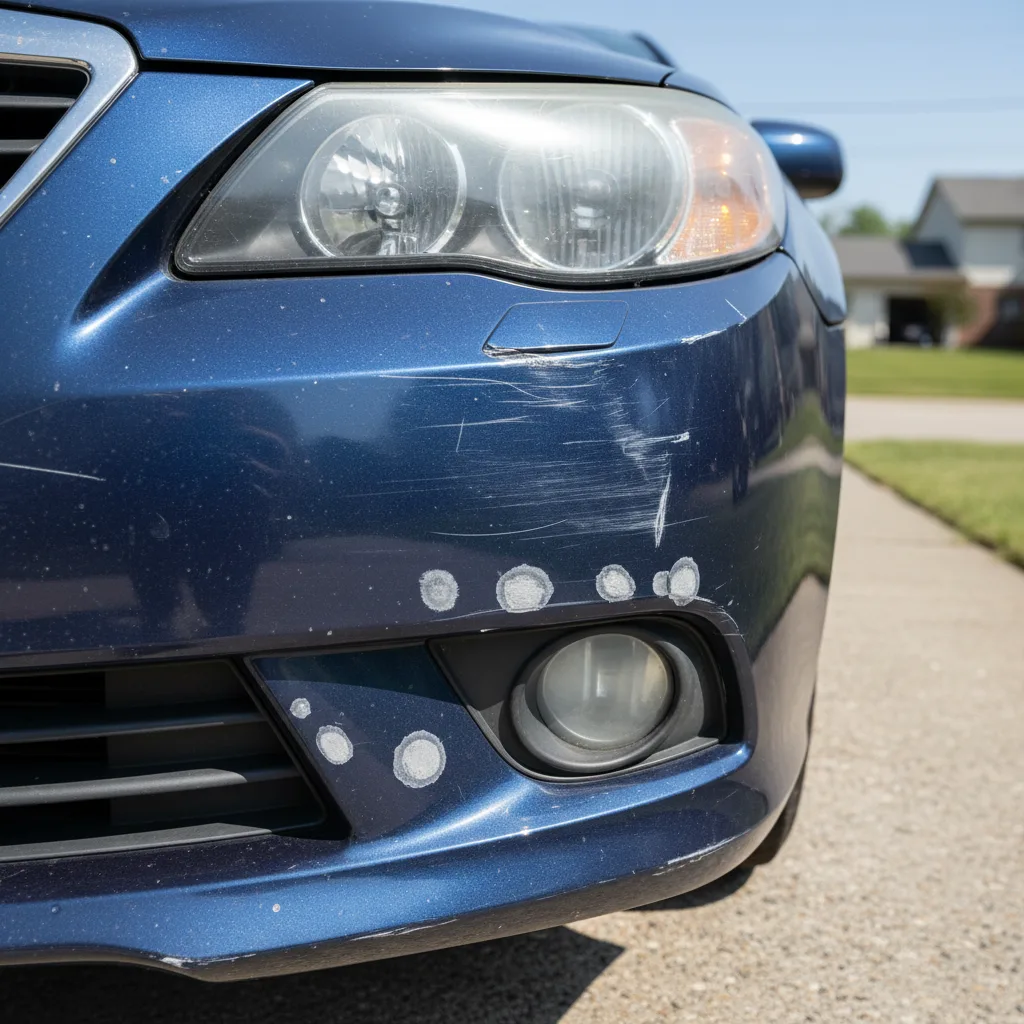
Cosmetic scratches sit on top of the paint layer. You can often feel the difference with a fingernail. If the scratch doesn’t catch, it’s likely surface-level and a strong candidate for bumper repair without replacement. But if the plastic underneath is cracked, warped, or showing white stress marks, that’s a different situation entirely. Stress fractures in the bumper cover tend to spread, especially in Phoenix’s intense heat cycles where plastic expands and contracts constantly.
2. Structural Deformation
Push gently on the damaged area. Does it flex back? Or does it hold a bent shape? A bumper cover that won’t return to its original form has likely lost its structural memory. That matters because the cover works with the foam absorber and the reinforcement bar behind it. Damage to one layer almost always means the others absorbed force too.
3. Contact With the Underlying Reinforcement Bar
This is the indicator most people overlook. The reinforcement bar sits directly behind the plastic cover. If the impact pushed the cover far enough to contact or bend that bar, bumper repair on the plastic alone won’t be enough. You’ll need the bar inspected and possibly replaced. Our technicians at Brad’s Deer Valley Collision check this on every assessment, because skipping it is how shops create liability for themselves and safety problems for customers.
4. Safety System Involvement
Modern bumpers in Phoenix aren’t just plastic and foam. Many house parking sensors, backup cameras, and radar modules tied to automatic braking and lane-assist systems. A common mistake in this industry is completing a repair without recalibrating those systems afterward. Frankly, shops that don’t have ADAS recalibration capability shouldn’t be handling late-model bumper work at all.
If you’re unsure what you’re looking at, don’t guess. Reach out to us for a no-pressure assessment, or stop by and we’ll walk through the damage with you directly. Our full range of collision repair services means we can handle whatever we find.
Plastic Bumper vs. Metal Bumper: Material Matters
Most vehicles on Phoenix roads today have plastic composite bumper covers, not metal ones. That surprises a lot of people. They assume because the car feels solid that the bumper is steel. It usually isn’t.
Material type is one of the first things our technicians identify before recommending any bumper repair approach. The same crack on a polypropylene bumper cover versus an older steel bumper requires completely different techniques, tools, and cost expectations.
Plastic Composite Bumpers
Plastic composite is the standard on virtually every passenger car and SUV built in the last two decades. It’s lightweight, designed to absorb low-speed impacts, and generally paintable to a high finish. The good news: moderate cracks, surface gouges, and minor warping are often repairable without full replacement. A skilled technician can use plastic welding or filler bonding to restore structural integrity before repainting.
The common advice that “plastic bumpers are always replaceable but rarely repairable” is overblown. Many repairs hold just fine with proper prep work. The honest caveat is that deep structural fractures or damage that distorts the mounting points usually do call for replacement, no matter how clean the surface looks.
Aluminum Bumper Reinforcements
Beneath the plastic cover sits the reinforcement bar, and on many newer vehicles that bar is aluminum. Aluminum doesn’t bend back cleanly. Once it’s deformed, it’s weakened, and repair attempts rarely restore the original strength. Replacement is almost always the right call here.
Steel Bumpers
Steel is still common on trucks, older vehicles, and some commercial fleet vehicles. Steel can be hammered, reshaped, and welded, which makes certain repairs more viable than with aluminum. That said, rust is a real complication in older steel bumpers, and a full structural assessment matters before committing to repair over replacement.
If you’re unsure what your bumper is made of, bring it by. Our team at Brad’s Deer Valley Collision has worked on every material combination Phoenix drivers bring through the door since 1985, and we’ll give you a straight answer before any work begins.
Cost Breakdown: When Repair Makes Financial Sense
Numbers matter. Before you commit to anything, you need a realistic picture of what bumper repair actually costs in Phoenix, AZ, and where the financial tipping point toward replacement sits.
Minor cosmetic work, think shallow scuffs, small paint chips, or surface scratches on a plastic bumper cover, typically runs between $150 and $350. That range covers sanding, filler if needed, and a color-matched repaint. For that level of damage, repair almost always makes more sense than replacement.
Crack repair gets more involved. A clean crack that hasn’t compromised the bumper’s structural integrity can often be repaired for $300 to $500, depending on length and location. If the crack is near a mounting point or has started to split outward, the cost climbs and replacement becomes a more honest conversation.
Where Replacement Becomes the Better Call
A full bumper cover replacement, parts plus labor, generally lands between $500 and $1,200 for most vehicles on Phoenix roads. Trucks, luxury vehicles, and anything with integrated sensors or parking cameras push that number higher because of the added calibration work required after installation.
Here’s a professional opinion that runs counter to what a lot of people assume: a cheaper repair isn’t always the better deal. A $400 patch job on a bumper that genuinely needs replacement will fail within a year, especially in Arizona’s heat. You’ll pay twice. We’ve seen it happen more times than we can count.
How Your Deductible Changes the Math
If your deductible is $500 and the repair estimate comes in at $480, filing a claim probably doesn’t benefit you. You’d pay the full amount out of pocket anyway, and your insurance rate could increase. For smaller repairs, cash pay often makes more sense.
For larger damage that crosses your deductible threshold, your insurer covers the gap. You have the legal right to choose your own shop regardless of what your insurance company suggests. Don’t let a preferred-vendor recommendation make that decision for you.
Get a written estimate before agreeing to anything. At Brad’s Deer Valley Collision, we provide detailed, transparent bumper repair estimates so you can make an informed call, not a pressured one. Our team has been doing this since 1985, and straight answers are part of how we work.
Hidden Damage and Why Professional Assessment Matters
Surface damage lies. That’s probably the most consistent thing I’ve seen over nearly four decades of collision work in Phoenix, AZ. A bumper that looks like it just needs a coat of paint can be hiding frame misalignment, a displaced backup camera sensor, or a crumple zone that quietly absorbed more energy than it should have.
Most drivers make their repair-or-replace decision based on what they can see from five feet away. That’s a mistake.
Modern vehicles are engineered with advanced driver assistance systems (ADAS) built directly into the bumper assembly. Parking sensors, automatic braking triggers, adaptive cruise radar, lane departure cameras. These components sit behind the bumper cover, and even a low-speed impact can shift them out of calibration without leaving any visible sign. The National Highway Traffic Safety Administration has consistently flagged uncalibrated ADAS systems as a contributing factor in post-repair accidents. Skipping this step after bumper repair isn’t just cutting corners; it’s a safety failure.
Frame misalignment is the other problem that gets missed. A hard rear impact, even one that doesn’t look serious, can push the bumper reinforcement bar into adjacent structural components. Alignment checks require a frame measuring system, not a visual inspection in a parking lot.
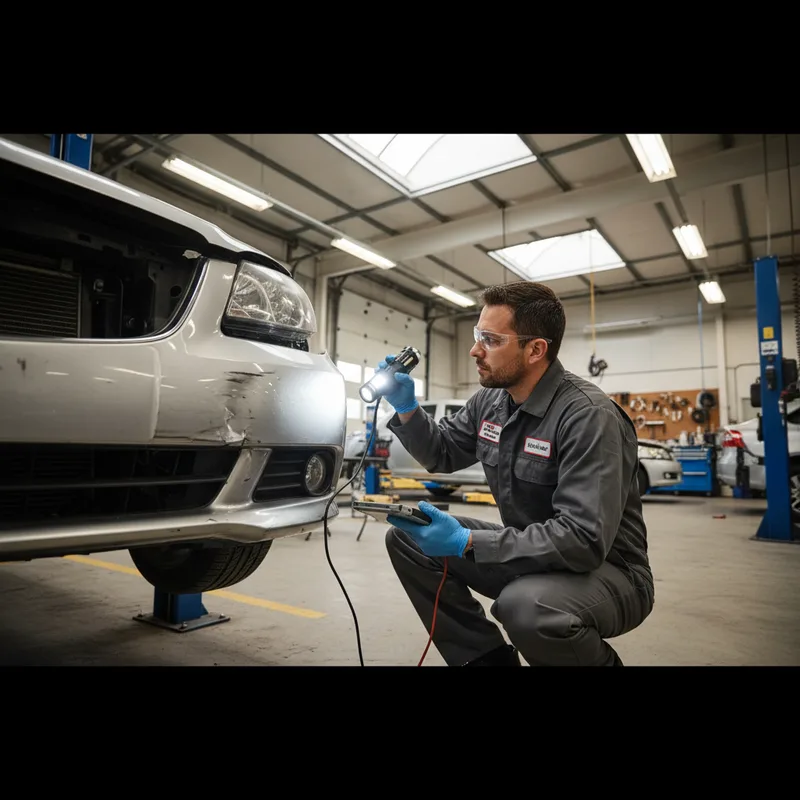
This is why a written estimate from a certified technician isn’t optional. I’d push back on anyone who tells you a quick look is enough. At Brad’s Deer Valley Collision, our I-CAR and ASE certified technicians do a full structural and sensor assessment before any bumper repair recommendation goes on paper.
Don’t commit to repair or replacement until you have that document in hand. Contact us to schedule your assessment, and see the full range of services we offer beyond bumper work.
Brad’s Deer Valley Collision: Your Phoenix Bumper Repair Partner
We’ve been doing this since 1985. That’s four decades of bumper repair in Phoenix, AZ, which means we’ve seen pretty much every damage scenario imaginable, from low-speed parking lot taps to full-on collision damage that looks minor on the surface but isn’t.
One opinion I’ll offer directly: don’t let your insurance company tell you where to take your car. You have the right to choose your own shop in Arizona, and that right matters. The shop your insurer recommends is convenient for them, not necessarily for you. Choose a shop based on certifications, written warranties, and a reputation you can verify.
At Brad’s Deer Valley Collision, our technicians hold I-CAR and ASE certifications. That’s not a marketing detail. It means the people touching your vehicle are trained on current repair standards, including ADAS recalibration after bumper work. A lot of shops skip that step. We don’t. Learn more about our background on the About page.
Every repair we do comes with a written warranty and a clear, itemized estimate before any work begins. No vague quotes, no surprise charges at pickup.
We also work directly with most major insurance carriers, so we handle the documentation and communication on your behalf. That saves you time and reduces the back-and-forth that makes claims stressful.
Walk-ins are welcome. If you’ve got bumper damage and you’re not sure whether repair or replacement makes more sense, come by and we’ll give you an honest assessment. Check our full services page or contact us to schedule your free evaluation today.
Frequently Asked Questions
Can a cracked bumper be repaired or does it need to be replaced?
It depends on where the crack is and how deep it goes. Minor cracks in plastic bumpers can often be fixed using plastic welding and composite fillers, and we handle that kind of bumper repair at our Phoenix, AZ, USA shop regularly. But if the crack runs into structural mounting points or compromises the bumper’s ability to absorb impact, replacement is the safer call. Cracks near backup sensors or parking assist components also typically require replacement. A certified technician needs to physically inspect it before you can know for sure.
How much does bumper repair cost in Phoenix?
Bumper repair costs in Phoenix, AZ, USA vary quite a bit based on the damage. Minor dents and paint touch-ups generally run $300 to $800. If there’s structural damage that needs plastic welding or reinforcement work, you’re looking at $1,500 to $3,500. A full bumper replacement typically falls between $800 and $2,500, depending on your vehicle’s make and model and whether you go with OEM or aftermarket parts. We always recommend getting a few written estimates so you can compare and make a confident decision.
Will my insurance cover bumper repair or replacement?
Most collision and comprehensive policies will cover bumper damage, and you’d just pay your deductible. If someone else caused the damage, their liability insurance should cover the repairs without hitting your policy. At Brad’s Deer Valley Collision, we work directly with insurance companies as a preferred repair shop in Phoenix, AZ, USA. We handle the claim documentation on your behalf and walk you through your coverage before any bumper repair work begins, so there aren’t any surprises.
What’s the difference between OEM and aftermarket bumpers?
OEM bumpers come straight from your vehicle’s manufacturer, so the fit, finish, and safety standards are exact. Aftermarket bumpers are made by third-party companies and cost less, but you might run into slight fit variations or inconsistencies in quality. For anything structural or safety-critical, we’d recommend OEM. Aftermarket can be a reasonable option if the damage is purely cosmetic and budget is a priority. When you come into our shop, we’ll talk through both options so you can decide what makes sense for your situation.
How long does bumper repair or replacement take?
Minor bumper repairs usually take 2 to 4 business days. If there’s structural damage involved, or you need a full replacement, plan for 5 to 10 days depending on parts availability and paint curing time. Phoenix heat can actually help with curing, but we don’t cut corners on timing. At Brad’s Deer Valley Collision, we give you an upfront turnaround estimate when you bring your vehicle in, and we have loaner vehicle options available so you’re not left without transportation while we work.
Get an Honest Bumper Assessment at Brad’s Deer Valley Collision in Phoenix, AZ, USA
Don’t guess whether your bumper needs a repair or a full replacement. Stop by our shop in Deer Valley and our I-CAR certified technicians will take a look, give you a straight answer, and hand you a written estimate with no pressure and no hidden costs attached.
We work with drivers all across Phoenix, AZ, USA every day, and we’re proud of the reputation we’ve built one honest job at a time. See what our customers are saying on Google and you’ll get a real sense of how we operate.
Call us today or visit Brad’s Deer Valley Collision to schedule your free bumper damage assessment and get your vehicle back on the road safely.