
Rear Bumper Repair in Phoenix, AZ: Cost Factors and When to Replace
Rear Bumper Repair in Phoenix, AZ: Cost Factors and When to Replace
Understanding Rear Bumper Damage: Severity Levels and Assessment
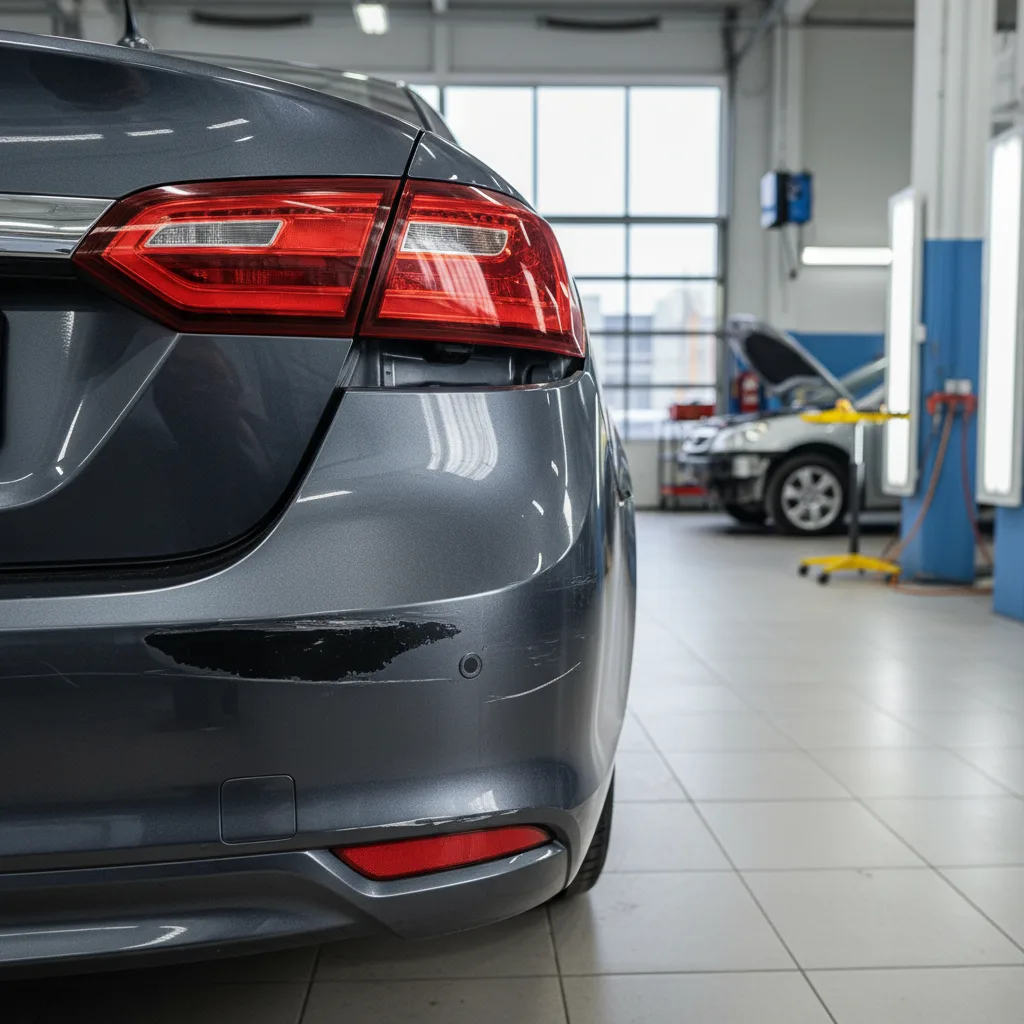
You’re backing out of a parking spot at Desert Ridge Marketplace, hear that familiar crunch, and step out to find a cracked rear bumper with paint scraped clear down to the plastic. It’s not catastrophic, but it’s not nothing either. What you do next matters more than most people realize.
Rear bumper damage falls into three broad categories, and where your vehicle lands in that range determines everything: cost, timeline, and whether a repair is even worth attempting.
Cosmetic Damage
Scuffs, light scratches, and minor paint transfer are the most common complaints we see at our Phoenix shop. This kind of surface-level damage looks worse than it is. The bumper cover is intact, the underlying energy absorber is untouched, and the repair is usually straightforward. Many Phoenix drivers assume cosmetic damage is always cheap to fix. That’s mostly true, but only when it’s caught and assessed early before dirt, UV exposure, and desert heat accelerate any existing surface cracks.
Structural and Impact Damage
Deeper dents, cracks that run through the bumper cover, and any distortion of the bumper reinforcement bar move into more serious territory. The reinforcement bar sits behind the cover and takes the actual impact load. If that bar is bent, a cosmetic fix is a Band-Aid on a broken bone. A proper rear bumper repair in Phoenix, AZ has to address what’s underneath, not just what you can see from the curb.
Frame and ADAS Involvement
This is where most shops miss the call.
A low-speed rear impact can shift the unibody mounting points and, on newer vehicles, knock rear-facing cameras and parking sensors out of calibration. At Brad’s Deer Valley Collision, we’ve been doing this since 1985, and the honest truth is that plenty of shops still skip sensor recalibration after bumper work because they lack the equipment. That’s a safety problem, not a minor oversight.
Before committing to any repair plan, ask your shop these questions directly:
-
Will you inspect the reinforcement bar and mounting brackets, not just the cover?
-
Does my vehicle have rear parking sensors or cameras that need recalibration?
-
Will I receive a written estimate before any work begins?
A professional assessment answers all three. You can request an estimate here or walk in to our Phoenix location for a same-day look. Don’t let guesswork drive the decision.
Material Matters: Plastic vs. Metal Bumpers and Repair Costs
Material type is one of the biggest cost drivers in rear bumper repair, and it’s something most customers don’t think about until they’re already getting an estimate.
Most vehicles on Phoenix roads today have thermoplastic bumper covers over a reinforcement bar made of steel, aluminum, or composite. The plastic cover is what you see and what takes the visible hit. The reinforcement bar underneath is what actually absorbs impact energy. Damage to one doesn’t always mean damage to the other, but you’d be surprised how often both are involved.
Plastic Bumper Covers
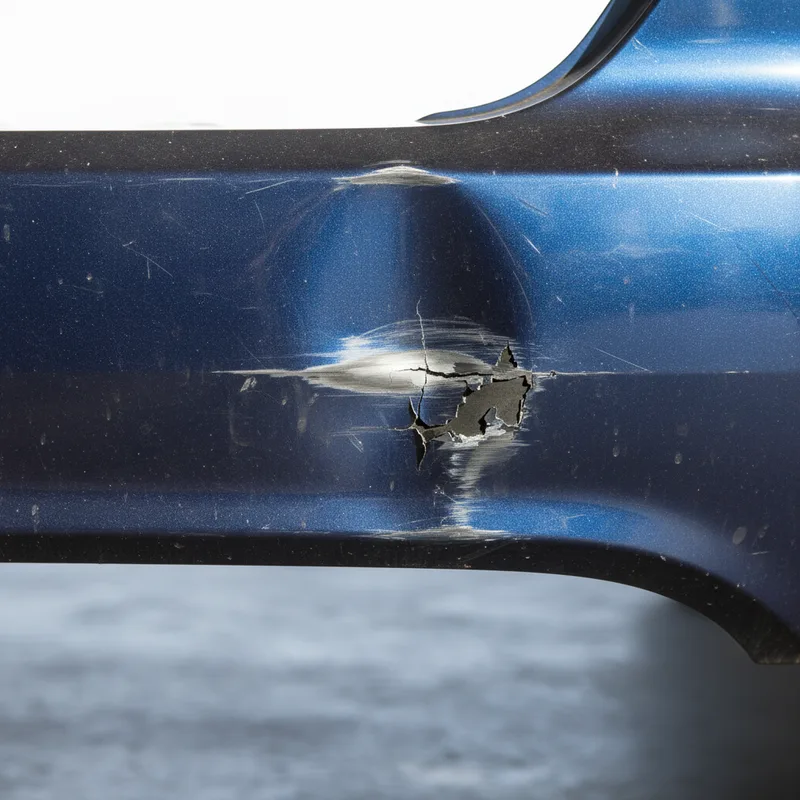
Plastic is the norm now. It’s lighter, it absorbs minor impacts reasonably well, and it can be painted to a factory finish. The tradeoff is that plastic cracks, gouges, and warps in ways that complicate repair work. Minor scuffs and small cracks can be filled, reshaped, and repainted at a reasonable cost. Deeper cracks or areas where the plastic has deformed usually require full panel replacement.
Phoenix heat is a real factor here. Prolonged sun exposure makes plastic brittle over time, and what would flex on a cooler day in a moderate climate can crack outright on a hot afternoon in the Valley. That’s not an excuse; it’s just something our technicians account for when assessing repairability.
Metal Bumpers and Reinforcement Bars
Older vehicles and some trucks still use exposed metal bumpers. These dent rather than crack, and dent repair can be cost-effective if the deformation is moderate. However, a bent reinforcement bar is a different situation entirely. That’s a structural component, and replacing it correctly matters for how your vehicle handles a future impact.
A common misconception is that metal damage is always cheaper to fix than plastic. That’s not consistently true, especially when the metal involves a reinforcement bar that requires disassembly to access.
If you’re unsure what your bumper is made of or what level of damage you’re actually dealing with, request a written estimate from our team before assuming anything. Material determines method, and method determines cost.
Repair vs. Replace: The Cost-Benefit Analysis
Most technicians can tell within a few minutes whether a bumper is worth fixing. The damage patterns are familiar: a shallow crack through the cover, a corner crush that’s stress-whitened the plastic, or a full-panel break where the mounting tabs have snapped clean off. Each scenario leads to a different answer, and that answer has real dollar consequences.
The general guidance you’ll hear is that repairs make sense when damage is limited to surface-level cracks, minor scratches, or small dents in the bumper cover itself. That’s mostly true, but it glosses over a key variable: labor time. A crack repair that takes two hours to prep, fill, and blend correctly can cost less than a replacement bumper cover that requires removing sensors, disassembling trim, and recalibrating parking assist or backup camera systems afterward. The part price alone doesn’t tell the story.
When Repair Is the Smarter Call
Repair usually wins on cost when the damage is confined to one area of the cover, paint matching is straightforward, and no mounting hardware or sensors need replacement. In those cases, you’re typically looking at one to three hours of labor plus materials. For a lot of Phoenix drivers dealing with parking lot scrapes or minor rear-end taps, this is the realistic scenario.
-
Surface cracks or scuffs without structural compromise
-
Single-panel paint damage with no color fade complexity
-
Damage away from sensor housings or trailer hitch brackets
When Replacement Makes More Financial Sense
Replacement becomes the better option faster than most people expect. If the bumper cover is warped, shattered across multiple sections, or if the underlying energy absorber or reinforcement bar is crushed, repairing the cover on top of compromised structure is a mistake. You’d be spending money on cosmetics while leaving a safety problem underneath.
Paint matching also shifts the math. Older vehicles or those with oxidized, faded finishes common in the Phoenix, AZ heat often make blending a repaired section genuinely difficult. Sometimes a full replacement with a fresh paint job produces a cleaner result at a comparable cost to a complex repair-and-blend job.
At Brad’s Deer Valley Collision, we’ve been working through exactly these decisions since 1985. Our written estimates break out parts, labor, and paint separately so you can see where the money goes, not just a single number. You can explore our full rear bumper repair services or request a written estimate before committing to anything.
Get the assessment first. The right call becomes obvious once someone who knows bumpers actually looks at yours.
Labor, Paint Matching, and Hidden Costs in Phoenix Auto Body Repair
Parts are only part of the bill. Labor, paint work, and a handful of costs that don’t show up until a technician gets into the repair can add up fast, and Phoenix customers are often caught off guard when the final estimate lands higher than they expected.
What Labor Actually Costs
Body shop labor rates in Phoenix typically run between $75 and $125 per hour, depending on the shop’s certifications, equipment, and overhead. A straightforward rear bumper repair on a plastic cover might take two to three hours. A full replacement with paint, alignment checks, and sensor recalibration can stretch past five or six hours. That’s before any surprises.
Hidden structural damage is the biggest wildcard. A rear impact that looks cosmetic on the surface sometimes bends the bumper reinforcement bar underneath, shifts a bracket, or stresses the trunk floor. You won’t know until the cover comes off. At Brad’s Deer Valley Collision, we’ve been doing this since 1985, and we’ve learned to check carefully before quoting a flat number.
Paint Matching: Don’t Underestimate It
Paint matching is where a lot of cheaper shops cut corners, and it shows. Arizona sun is brutal. UV exposure fades finishes faster here than in most other states, which means your vehicle’s original color has likely shifted from what came out of the factory. Mixing a new coat to match a weathered Phoenix finish requires real skill and proper spectrophotometer equipment, not just pulling a factory code from a database.
A mismatched bumper is obvious in direct sunlight. It drops resale value and looks sloppy. We think customers who accept a “close enough” paint match are shortchanging themselves, and we tell them that directly.
Other Costs Worth Asking About
-
ADAS recalibration: Rear parking sensors and backup cameras need recalibration after bumper replacement. Many shops skip this step entirely.
-
Frame alignment: Even a moderate rear hit can shift alignment slightly. Post-repair alignment checks protect your tires and handling.
-
Disposal and shop fees: Small charges that are easy to miss on an estimate.
Ask for a written, itemized estimate before any work begins. Our full range of services covers every layer of rear bumper repair, and we’re transparent about what each line item means. Reach out today to schedule an assessment or stop by the shop in Phoenix.
Insurance Claims and Getting an Accurate Estimate in Phoenix
Most customers who file a claim for rear bumper repair don’t realize they have more control over the process than their insurer implies. Insurance companies often steer policyholders toward preferred vendors, and while those shops aren’t necessarily bad, you’re not required to use them. Arizona law gives you the right to choose your own repair facility, full stop.
Your deductible is the first number to understand. If the repair cost comes in close to your deductible, filing a claim may not make financial sense. A $500 deductible on a $600 repair saves you very little and puts a claim on your record. Get a written estimate first, then decide whether to involve insurance at all.
What a Solid Written Estimate Covers
A written estimate isn’t just a total dollar figure. A thorough one breaks out parts, labor hours, paint materials, and any sublet work separately. It should specify whether parts are OEM or aftermarket, include a warranty statement, and note any damage that’s conditional on disassembly. If a shop hands you a one-line quote on a sticky note, walk out.
Get two or three estimates before committing. That’s not about finding the cheapest option; it’s about spotting outliers. A bid that’s dramatically low usually means something is being skipped, often surface prep or post-repair sensor recalibration. Modern vehicles with parking assist and backup cameras require recalibration after rear bumper work. NHTSA guidance on ADAS systems makes clear how critical proper recalibration is for driver safety.
Working With a Direct Repair Program Shop
Direct repair program shops work directly with insurance carriers to handle documentation, supplements, and approvals without putting that burden on you. Brad’s Deer Valley Collision has been doing exactly that for Phoenix drivers since 1985. The process moves faster, and there’s less back-and-forth between you and your adjuster.
Before dropping off your vehicle, photograph all existing damage. Remove any valuables. Then let the shop handle the claim communication from there. You can see our full range of collision repair services or request a written estimate online before you ever set foot in the shop. Walk-ins are welcome too. Learn more about our history and certifications on our about page.
Common Mistakes That Drive Up Bumper Repair Costs in Phoenix
Most customers don’t overpay because they got bad luck. They overpay because of decisions made in the first 24 hours after the damage happened. Here are the mistakes we see most often at our Phoenix shop, and what they actually cost you.
-
Chasing the lowest bid without reading the fine print. An unusually low estimate usually means something is being left out, whether that’s proper surface prep, OEM-quality materials, or any kind of warranty. You’ll end up paying a second shop to fix what the first one cut corners on.
-
Skipping a professional inspection after a minor hit. A bumper that looks like a simple scuff can be hiding cracked mounting brackets or compressed foam energy absorbers underneath. Those components don’t show up in a parking lot glance. They show up later, when your bumper fails in a second impact.
-
Ignoring ADAS recalibration. Many Phoenix drivers don’t know their rear bumper houses sensors tied to backup cameras, parking assist, and automatic braking. Shops that skip recalibration after rear bumper repair leave those systems misaligned. That’s a safety issue, not just a technical one.
-
Letting your insurer pick your shop without question. You have the legal right to choose your repair facility in Arizona. Preferred vendors aren’t necessarily bad, but you should make that choice based on certifications and reviews, not insurer convenience.
-
Not getting anything in writing. No written estimate and no warranty are the two biggest red flags in this industry. Full stop.
One opinion worth sharing: most advice tells you to get three estimates before deciding. We’d push back slightly. Two solid written estimates from I-CAR certified shops with documented warranties tell you more than three quotes from unknown sources.
If you’ve got rear bumper damage and want a straight answer on what it actually needs, contact us and we’ll walk you through it honestly.
Frequently Asked Questions
How much does rear bumper repair cost in Phoenix?
Rear bumper repair in Phoenix, AZ, USA typically runs between $300 and $1,500 for minor dents and paint damage. If you’re dealing with structural damage or need a full replacement, expect to pay anywhere from $1,500 to $3,500 or more. The final number depends on how bad the damage is, whether your bumper is plastic or metal, how complex the paint match is, and whether we find hidden frame damage once we get in there. The best thing you can do is come into Brad’s Deer Valley Collision for a written estimate so you know exactly what you’re looking at.
Should I repair or replace my rear bumper?
For minor dents, surface cracks, or paint damage, repair is usually the smarter financial move, especially if the total comes in under $1,000. If the bumper is severely cracked, bent in a way that can’t be properly realigned, or has structural damage that affects how your vehicle handles a future impact, replacement is the right call. A good rule of thumb is this: if repair costs are pushing past 50% of what a new bumper would cost, replacing it makes more sense. A hands-on inspection at our shop will tell you exactly which direction to go for your specific vehicle.
Does insurance cover rear bumper repair in Phoenix?
Yes, in most cases it does. If the damage came from a covered accident and you have collision or comprehensive coverage, your insurance will cover the repair after you pay your deductible, which is usually somewhere between $500 and $1,500. One thing a lot of people don’t realize is that you have the right to choose your own certified repair shop in Phoenix, AZ, USA. You don’t have to go where your insurer tells you. Brad’s Deer Valley Collision works directly with insurance companies to handle the billing, which makes the whole process a lot less stressful for you.
How long does rear bumper repair take in Phoenix?
If you’ve got minor dents and some paint touch-up work, you’re typically looking at 2 to 5 days. A full bumper replacement with frame alignment and paint matching usually takes 5 to 10 business days, depending on parts availability and how busy the shop is. Parts for some vehicles take longer to source here in Phoenix, AZ, USA, so we always try to give you an honest timeline upfront. At Brad’s Deer Valley Collision, we offer loaner vehicles and shuttle service so you’re not left stranded while your car is with us.
What should I look for in a Phoenix auto body shop for bumper repair?
Start with certifications. You want a shop that holds I-CAR and ASE credentials, which tell you the technicians have been trained to current industry standards. Ask about their warranty on rear bumper repair work. A reputable shop in Phoenix, AZ, USA will back their work for at least 3 to 5 years. Get 2 to 3 written estimates before you commit, and pay attention to how detailed those estimates are. Vague quotes, no warranty, or prices that seem suspiciously low are all red flags. Also ask about loaner car options and typical turnaround times before you drop your vehicle off.
Get Your Bumper Repaired Right Here in Phoenix, AZ, USA
At Brad’s Deer Valley Collision, we’ve been fixing bumpers for Phoenix drivers since 1985, and we’d love to help you too. Our I-CAR and ASE certified technicians use advanced paint matching technology to make your bumper look like nothing ever happened, and we handle direct insurance billing so the process is as smooth as possible for you. Stop by our Deer Valley location for a free written estimate, or check out our reviews on Google to hear what your neighbors are saying about us.
Give us a call or walk in today. We’ve got loaner vehicles and shuttle service ready so you won’t miss a beat while we get your car back in shape.