Car Paint Job Cost in Phoenix, AZ: Budget Guide for Auto Body Repairs
Car Paint Job Cost in Phoenix, AZ: Budget Guide for Auto Body Repairs
Why Phoenix’s Climate Affects Your Auto Body Painting Costs
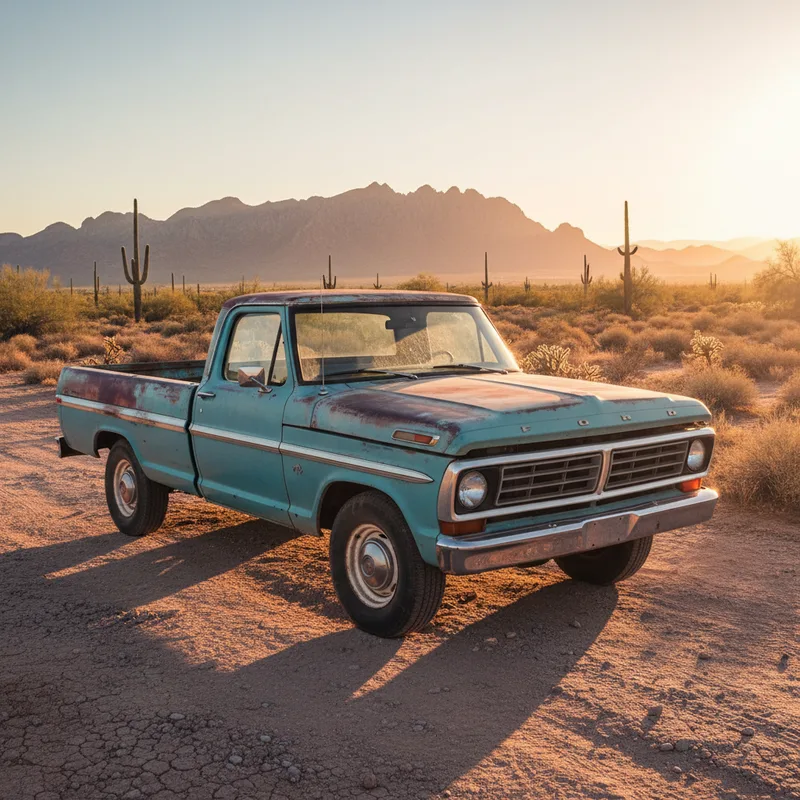
You park your car at Desert Ridge Marketplace on a July afternoon, and by the time you return, the hood is almost too hot to touch. That kind of heat doesn’t just make Phoenix summers miserable. It actively breaks down your vehicle’s paint, accelerating oxidation and causing clear coat to peel faster than it would almost anywhere else in the country.
Phoenix, AZ is genuinely one of the harshest environments for automotive paint in the United States. The combination of extreme UV radiation, temperatures that regularly push past 115°F, and seasonal dust storms called haboobs creates a triple threat that most national pricing guides simply don’t account for.
Here’s what that means for your car paint job cost specifically.
Shops doing quality work in Phoenix have to invest more in surface preparation than a shop in, say, Ohio would. The desert sun bakes oxidation deep into older paint layers, and if that compromised surface isn’t properly stripped and treated before new paint is applied, you’ll see adhesion failures within months. Skipping thorough prep is one of the most damaging shortcuts a shop can take, and unfortunately it’s common. That extra prep time adds labor cost, and it should.
Material selection also matters more here. High-solids paints and UV-resistant clear coats are worth the added expense in a desert climate. Some shops still apply standard clear coat formulations and call it done. We think that’s a mistake, especially in Phoenix where UV degradation is relentless year-round.
Dust contamination is another real factor. Haboob season brings fine particulate matter that can settle into fresh paint during the curing process, requiring additional finishing steps to achieve a clean result.
At Brad’s Deer Valley Collision, we’ve been working through Phoenix summers since 1985. We build these climate realities into every estimate, because cutting corners here costs you more in the long run.
Breakdown of Common Car Painting Costs: From Scratches to Full Repaints
Not all paint jobs are the same. A door scratch and a full vehicle repaint are completely different jobs with completely different price tags, and lumping them together is where a lot of Phoenix drivers get confused about what to expect.
Here’s a practical breakdown of what you’ll typically pay, based on real-world work we see at our shop.
Minor Scratch Repair
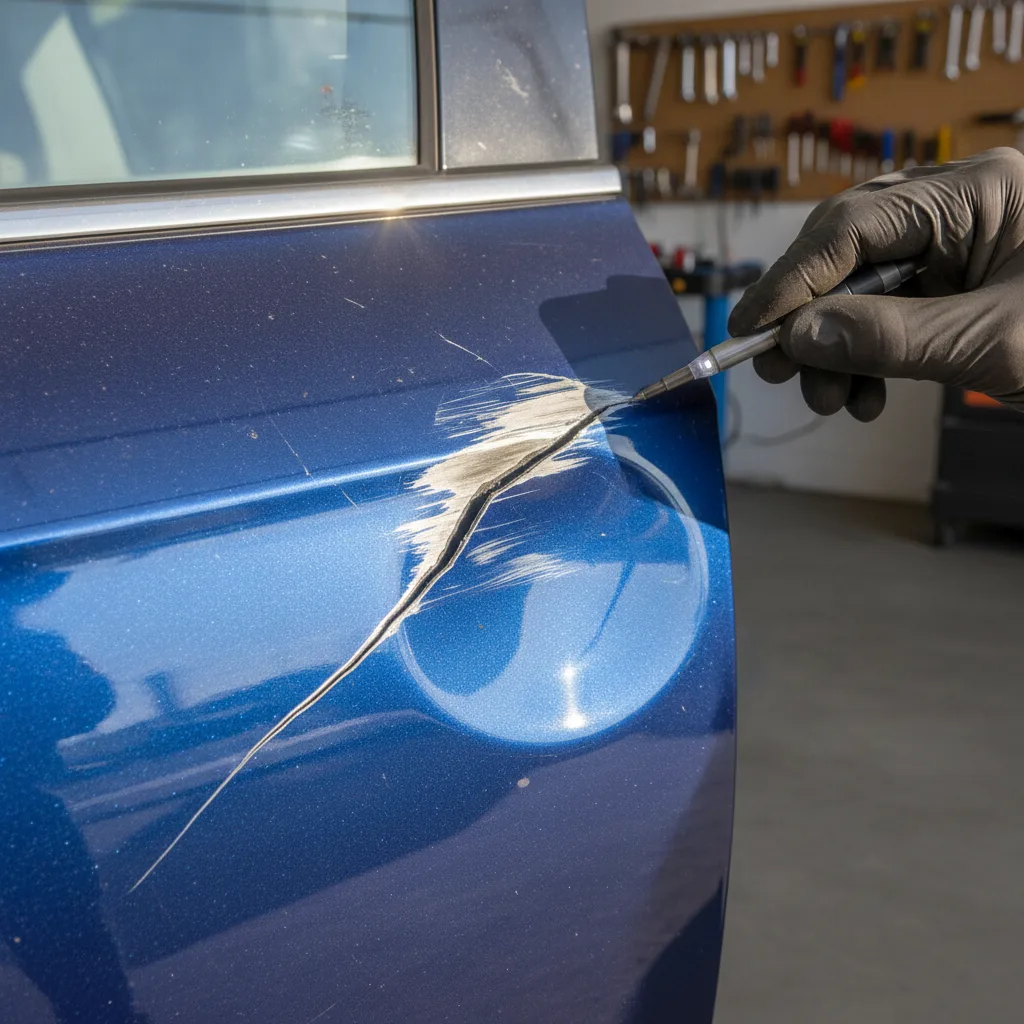
Surface scratches that haven’t cut through the primer layer are the least expensive fix. In Phoenix, AZ, expect to pay anywhere from $150 to $400 depending on the scratch’s length and depth. A lot of shops will tell you any scratch can be buffed out. That’s not always true. If the scratch has broken through to bare metal, you’re looking at prep work, primer, and a proper paint match, not just a polish.
Dent with Paint Damage
Combine a dent with paint damage and the cost climbs. Most repairs in this category run $300 to $900 for a single area. The variation comes down to whether bodywork is needed before painting and how many paint layers were compromised. Pearl and metallic finishes cost more to match accurately.
Single-Panel Repainting
One panel repainted professionally, say a door or fender, typically falls between $400 and $800 in the Phoenix market. What’s included in a solid estimate: surface preparation, primer, color coat, clear coat, and blending into adjacent panels so the repair doesn’t stand out. If a shop skips blending, you’ll see the difference in direct sunlight. We’ve seen it too many times.
Bumper Replacement and Repainting
Bumpers take a beating. A replacement bumper with professional painting runs $500 to $1,500 depending on whether the bumper itself needs replacing or just repair, plus the complexity of your vehicle’s finish. Our full-service offerings include bumper repair, plastic bumper work, and precise paint matching so the color lines up with your existing finish.
Full Vehicle Repaint
Full repaints are a significant investment. Budget-level repaints start around $1,000 to $2,500, but a quality job on an average-sized vehicle in Phoenix typically runs $3,000 to $6,000 or more. That price reflects proper disassembly, thorough prep, quality materials, and multiple finish coats. Discount full repaints that come in under $1,000 almost always cut corners on prep, which is where the quality actually lives.
Understanding these ranges gives you a realistic baseline. When you’re ready for a written estimate, reach out to our team and we’ll walk you through exactly what your specific car paint job cost would look like.
The Hidden Costs: What Most Phoenix Drivers Overlook
The estimate looks reasonable until the shop actually gets into the work. That gap between the initial number and the final invoice is where most drivers in Phoenix, AZ get caught off guard, and it’s almost never a surprise to the technicians doing the job.
Surface prep is the biggest one. A proper paint job requires cleaning, sanding, priming, and sometimes chemical stripping of old layers before a single drop of new color goes on. Shops that skip these steps are cutting corners, not costs. You’ll see the difference within a year, usually in the form of peeling edges or uneven sheen. At Brad’s Deer Valley Collision, we’ve been doing this since 1985, and rushed prep work is the single most common reason customers come to us with a botched paint job from somewhere else.
Paint matching is another cost that surprises people. Modern vehicles use computerized color-matching technology to replicate factory finishes, and that process takes real time and calibrated equipment. Older vehicles and certain metallic or pearl finishes add another layer of complexity that directly affects your total car paint job cost.
Don’t overlook ADAS recalibration.
If your vehicle has lane assist, automatic braking, or a backup camera, certain body and paint repairs can knock those systems out of alignment. Skipping recalibration isn’t just a quality issue. It’s a safety issue. Most smaller shops don’t have the equipment to handle it in-house.
Here’s what tends to get buried in the fine print:
-
Panel blending to match adjacent surfaces
-
Rust treatment beneath visible damage
-
Clearcoat layering for UV protection
-
Safety system recalibration after structural work
Getting a full picture upfront protects you. Request a written estimate that breaks these items out individually before you commit to anything.
OEM vs. Aftermarket Paint: Cost and Quality Trade-offs
Not all paint is created equal. This is one area where the cheapest option can genuinely cost you more down the road, especially in Phoenix’s climate.
OEM paint (original equipment manufacturer) is formulated to match your vehicle’s factory finish precisely. Color accuracy, UV resistance, and adhesion are built to the manufacturer’s exact standards. For Phoenix drivers dealing with relentless sun exposure, that UV resistance matters more than most people realize. OEM paint typically adds 15 to 30 percent to your overall car paint job cost, but it holds up better and blends more accurately with the original panels.
Aftermarket paint costs less upfront. It’s widely available and, in the hands of a skilled painter, can produce solid results. Where shops run into trouble is with color matching on older vehicles or two-tone finishes. A slight mismatch might look fine in the shop’s fluorescent lighting but reads completely differently in afternoon sun out in a parking lot.
Here’s where I’ll push back on conventional advice: a lot of guides tell you to always insist on OEM materials. That’s not always realistic or necessary. For a lower-impact scratch repair on a high-mileage daily driver, quality aftermarket paint applied with proper prep is a reasonable call. Save the OEM insistence for newer vehicles, lease returns, or anything where resale value matters.
A few things worth comparing before you decide:
-
Color match accuracy under natural light
-
Warranty coverage differences between OEM and aftermarket applications
-
Whether your insurer will pay the OEM premium or cap reimbursement
At Brad’s Deer Valley Collision, we walk every customer through these trade-offs before any work begins. You deserve to make that call with full information, not find out after the fact.
Insurance Coverage and What You’ll Actually Pay Out of Pocket
Most drivers assume their insurance will cover the full car paint job cost after an accident. That’s rarely how it plays out. What you actually pay depends on your deductible, how the claim is filed, and which shop handles the work.
Your deductible comes out of your pocket first. Always.
If your deductible is $500 and the paint repair estimate comes in at $700, you’re covering most of that bill yourself. Filing a claim only makes financial sense when the damage cost clearly exceeds your deductible by a meaningful margin. A lot of Phoenix drivers file small claims they should have just paid out of pocket, and it ends up affecting their rates for years.
Direct Repair Programs: Convenient, But Read the Fine Print
Insurance companies push their preferred shop networks, called direct repair programs (DRPs), because it speeds up the claims process for them. Those shops aren’t necessarily bad. But the shop’s first obligation in a DRP arrangement is to the insurer’s cost targets, not your vehicle. That’s a real conflict of interest that most people don’t think about until something goes wrong.
Here’s what matters: you have the legal right to choose your own repair shop in Arizona. Your insurer cannot force you to use their preferred facility. If they suggest otherwise, that’s worth pushing back on. The Arizona Department of Insurance is clear on this point.
How Choosing a Certified Shop Affects Your Claim
Working with a certified shop like Brad’s Deer Valley Collision actually makes the insurance process smoother, not harder. We’ve handled insurance claims in Phoenix, AZ for decades, and we know how to document damage accurately, communicate directly with adjusters, and make sure nothing gets missed in the estimate. Shops without that experience often leave money on the table that should have been part of your claim.
Before you drop off your vehicle, photograph every inch of existing damage. Keep your own records. And get a written estimate you can review before any work begins.
Ready to talk through your situation? Contact us for a straightforward estimate with no pressure.
Getting Accurate Estimates: What to Ask and Red Flags to Watch
Not all estimates are equal. A number on a piece of paper means very little if it doesn’t spell out exactly what’s included. Before you commit to any shop in Phoenix, AZ for your car paint job cost, you need to know how to read what you’re actually being handed.
A legitimate written estimate should break down labor hours separately from materials. It should specify the type of paint being used, the number of coats, and whether surface prep like sanding and priming is included. If a shop hands you a single dollar figure with no line items, that’s not an estimate. That’s a guess.
Questions to Ask Before You Sign Anything
-
Is surface preparation included, and what does that process involve?
-
Are you using OEM-matched paint or a generic aftermarket formula?
-
Does the price cover blending adjacent panels for a seamless color match?
-
What certifications do your painters hold? (I-CAR and ASE credentials matter here)
-
Is there a written warranty on the paint work?
Get at least two or three written estimates before deciding. Most people treat the lowest bid as the best deal. That’s where they go wrong. An unusually low quote almost always means something is being skipped, whether that’s proper prep, quality materials, or adequate cure time. In Phoenix’s heat, cutting corners on prep leads to peeling and fading within months.
Watch for vague language like “paint as needed” or “surface prep included” with no further detail. Those phrases are designed to limit the shop’s accountability, not protect your wallet.
Red flags worth walking away from: no written estimate offered, no warranty mentioned, and pressure to decide same-day. Any shop confident in its work will put the details in writing without hesitation. You can read what real customers say about how we handle that process at Brad’s Deer Valley Collision.
Ready to get a clear, itemized estimate? Contact us directly and we’ll walk you through every line before any work begins.
Protecting Your Investment: Warranty and Turnaround Time Considerations
In fifteen years of watching paint jobs come back through the door, the ones that fail early almost always share the same root cause: someone rushed the process to hit a deadline or cut a corner on prep.
A warranty matters more than most drivers realize. A shop that stands behind its work will put that warranty in writing, specifying coverage for peeling, fading, and adhesion failure. At Brad’s Deer Valley Collision, we’ve been doing this since 1985, and we’ve seen what happens when shops skip proper curing time just to turn a car around faster. Phoenix’s heat accelerates surface drying, but it doesn’t replace the full cure process. Those are two different things.
Don’t accept vague warranty language. Ask specifically how long the paint warranty lasts and what it covers. A reputable shop in Phoenix, AZ will give you a straight answer.
Turnaround time is another area where common advice gets oversimplified. Drivers hear “faster is better” and push shops to rush. That’s a mistake. Quality paint work requires proper surface prep, primer adhesion time, and controlled curing conditions. A job that takes an extra day or two done right beats a fast job that bubbles six months later, especially when you factor in the real car paint job cost of redoing it.
Certifications matter here too. I-CAR and ASE-certified technicians follow established repair standards that directly affect how long your paint lasts.
Before you finalize any decision, review what our customers say, explore our full service offerings, and reach out for a written estimate. Protect what you’ve already spent.
Frequently Asked Questions
How much does a basic scratch repair and repaint cost in Phoenix?
Minor scratch repairs in Phoenix, AZ, USA typically run anywhere from $150 to $500. The depth of the scratch matters a lot. A light surface scratch that hasn’t cut through the clear coat costs much less to fix than one that’s gone all the way down to the metal. Phoenix’s intense UV exposure and blowing dust also mean we need to do extra surface prep to get a repair that actually lasts, so don’t be surprised if your quote reflects that extra step.
What’s the average cost for a full vehicle repaint in Phoenix?
A quality full vehicle repaint in Phoenix, AZ, USA will generally cost between $2,500 and $5,000 or more. The car paint job cost varies based on whether you’re going with single-stage or multi-stage paint, OEM versus aftermarket materials, and how much prep work the vehicle needs. If there’s any structural or frame damage that needs addressing before we can paint, that adds to the total. You get what you pay for with paint, and cutting corners here shows up fast in the Arizona sun.
Will my insurance cover the full cost of car painting?
If the paint damage is from a collision, your insurance policy will likely cover the repair cost minus your deductible. Your out-of-pocket expense depends on what deductible you chose and whether your shop works directly with your insurer. One thing a lot of people don’t realize is that you have the legal right to choose your own repair shop. Your insurance company may recommend somewhere, but you’re not required to go there. Come to our shop in Phoenix and we’ll work with your insurer directly.
Why do painted bumpers cost more than I expected?
Bumper painting isn’t just spraying some color on. We have to remove the bumper, prep the surface, match the paint to your vehicle’s existing color, apply it correctly, let it cure, and then reinstall everything. If the bumper is cracked or dented, there’s repair work before any painting even starts. Proper curing is especially critical in Phoenix’s heat. Rushing it causes the paint to fail early, and nobody wants that. The car paint job cost on a bumper reflects all those steps done right.
How long does professional car painting take in Phoenix?
A proper paint job takes 3 to 7 days. That timeline covers surface prep, priming, painting, and curing. In Phoenix, AZ, USA, extreme heat affects how paint bonds and cures, so we don’t cut corners on timing even when it feels like we could. A rushed job might look fine on day one but start peeling or fading within months. We know that’s inconvenient, so ask us about loaner options when you stop by our shop. Getting it done right the first time saves you money in the long run.
Get a Free, Written Paint Estimate from Brad’s Deer Valley Collision
If your vehicle needs professional auto body painting in Phoenix, AZ, USA, we’re ready to help you get it done right the first time. Our certified painters use advanced paint-matching technology and stand behind every job with a warranty, so you’re not just getting a quick fix. Stop by our Deer Valley shop, give us a call, or check out our reviews on Google to see why Phoenix drivers have trusted us since 1985.
Contact Brad’s Deer Valley Collision today and let’s get your car looking its best again.