Car Body Repair Estimate in Phoenix, AZ: What Factors Affect Your Quote
Car Body Repair Estimate in Phoenix, AZ: What Factors Affect Your Quote
Why Accurate Estimates Matter: Setting Expectations in Phoenix
You’re pulling out of a parking lot near Desert Ridge Marketplace and another driver clips your rear quarter panel. The damage looks minor from a distance, but up close there’s a crease running six inches along the body line. You call a shop, describe the damage over the phone, and they throw out a number. “Probably around $400,” they say. No inspection. No paperwork. Just a guess.
That scenario plays out constantly in Phoenix, AZ, and it’s one of the most expensive mistakes a driver can make.
A verbal quote is not an estimate. It’s a starting point that protects the shop, not you. A real car body repair estimate puts specific line items on paper: labor hours, parts costs, surface prep, paint materials, and any supplemental charges that may arise once a technician gets into the repair. Without that documentation, you have no leverage if the final bill doubles.
Some people assume that getting a written estimate means committing to that shop. That’s not true. You’re entitled to shop around, and requesting a free estimate carries zero obligation.
Here’s a professional opinion that not everyone shares: getting two or three estimates isn’t just about finding the lowest price. It’s about identifying which shop actually inspected your vehicle and which one guessed. A low bid from a shop that didn’t look underneath your car is worth nothing.
At Brad’s Deer Valley Collision, we’ve been writing detailed, transparent estimates for Phoenix drivers since 1985. We put everything in writing because that’s what honest repair work looks like from the start. Our full range of collision repair services is backed by the same standard of clarity.
Don’t let a vague number make a bad situation worse.
Damage Assessment: How Collision Shops Evaluate Your Vehicle
Most people assume a shop can tell everything just by looking. That’s not how it works.
A proper damage assessment at a Phoenix auto body shop involves multiple layers of inspection, and what you can see with the naked eye is usually just the starting point. The real story often lives underneath the panels, behind the bumper cover, or buried in your vehicle’s frame rails.
The Visual Inspection Comes First
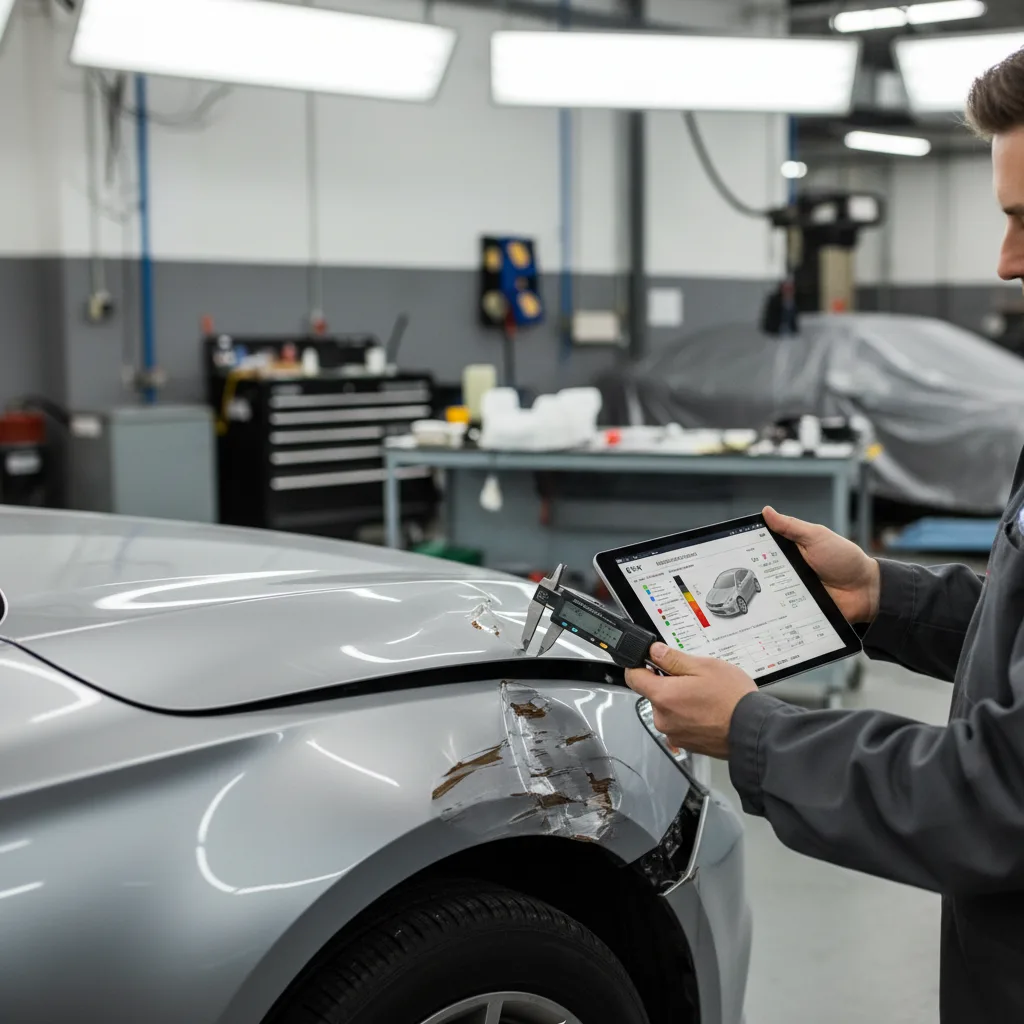
A technician will walk the vehicle and document every visible point of damage: paint transfer, panel gaps, cracked lenses, bent trim, and deformed body lines. This step builds the foundation of your car body repair estimate. But experienced techs in Phoenix, AZ know that a panel that looks “just dented” can be hiding structural deformation underneath. That’s why the visual pass is only the beginning.
Disassembly Reveals What Photos Can’t
Here’s where a lot of quick-quote shops cut corners. They write estimates without disassembling the damaged area first. That’s a mistake we’ve seen cause real problems for customers who later receive a supplement bill they weren’t expecting.
At Brad’s Deer Valley Collision, our technicians remove bumper covers, fender liners, and relevant trim pieces before finalizing any estimate. You get a cleaner picture of what the repair actually involves. Our full range of collision repair services is built around this kind of thorough process, not guesswork.
Frame and Structural Measurement
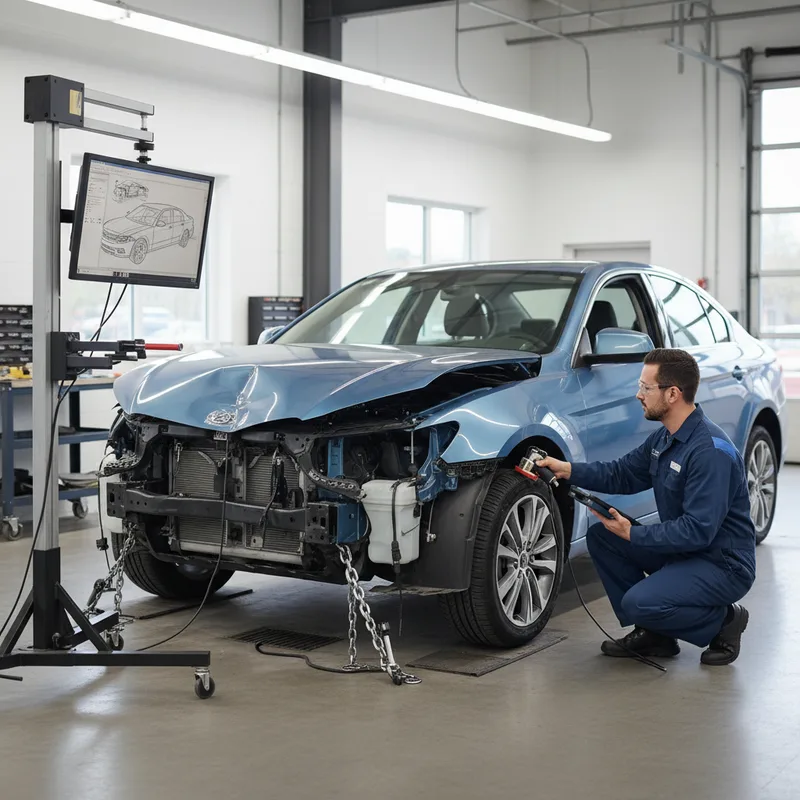
Frame damage doesn’t always mean a totaled vehicle. But it does require precision. Our shop uses computerized measuring systems to compare your vehicle’s actual dimensions against factory specifications. Even a small deviation in frame geometry can throw off alignment, accelerate tire wear, and compromise how your car handles a future impact.
The Insurance Institute for Highway Safety has long emphasized how structural integrity directly affects crash protection. Skipping this step isn’t just sloppy, it’s dangerous.
ADAS and Safety System Checks
Modern vehicles carry sensors behind every bumper and grille. Lane-keep assist, automatic emergency braking, adaptive cruise control: these systems can be knocked out of calibration by even moderate front or rear impacts. Many shops overlook this entirely.
With over 40 years of experience, we’ve built our inspection process around catching what others miss. Reach out to schedule your assessment today.
Parts Pricing Breakdown: OEM vs. Aftermarket and Material Costs
One pattern you notice after decades in this business is that customers are often surprised less by labor costs and more by what parts actually cost. That gap between expectation and reality shows up on nearly every car body repair estimate we write here in Phoenix, AZ.
OEM vs. Aftermarket: A Real Difference
Parts choice matters more than most people realize. OEM (original equipment manufacturer) parts come directly from your vehicle’s manufacturer. They’re built to the exact specifications of what was on your car before the accident. Aftermarket parts are made by third-party suppliers and can vary widely in fit, finish, and durability.
You’ll hear a lot of shops say aftermarket parts are “just as good.” We’d push back on that. For structural components, safety-related hardware, or anything touching your vehicle’s paint line, OEM parts consistently perform better. The fit is tighter, the paint adhesion is more predictable, and you’re not gambling on tolerances. For a non-structural piece like a generic bracket or a clip, aftermarket can be perfectly acceptable. Context matters.
Insurance companies often push aftermarket parts to reduce claim payouts. You have the right to request OEM parts, and it’s worth having that conversation with your adjuster before the repair begins. Learn more about our approach to parts and repairs on our services page.
Paint and Materials Add Up Fast
Paint isn’t just a cost line. It’s a craft. Matching your vehicle’s original finish requires primer, base coat, clear coat, and in many cases specialty blending materials to make the repair invisible. I-CAR training standards address paint procedures directly because improper application leads to premature peeling and color mismatch. Phoenix’s intense UV exposure makes this even more critical for long-term results.
Hardware, adhesives, and specialty fasteners are smaller line items that still appear on a thorough estimate. Shops that leave them off aren’t doing you a favor. They’re setting up a surprise invoice later.
A detailed parts breakdown is something we’ve built into every estimate at Brad’s Deer Valley Collision since 1985. Contact us to get a transparent, written estimate with no guesswork.
Labor Costs and Turnaround Time: What Phoenix Shops Charge
Labor rates vary. That’s the honest answer most shops won’t lead with.
In Phoenix, AZ, collision repair labor typically runs between $65 and $120 per hour, depending on the shop, its certifications, and the complexity of the work involved. A facility with I-CAR Gold Class certification and trained technicians on staff will charge more than a shop running uncertified general mechanics. That difference in rate usually reflects a real difference in quality, not just overhead.
Here’s what actually drives labor costs on your car body repair estimate in Phoenix:
-
Technician certification level: I-CAR and ASE-certified techs command higher rates, and they earn them.
-
Job complexity: A bumper swap is straightforward. Structural frame repair, ADAS recalibration, or blending paint across multiple panels takes significantly more time.
-
Shop location and overhead: Shops in higher-rent corridors around North Phoenix or Scottsdale sometimes carry those costs into their labor rates.
-
Specialty equipment required: Frame straightening, measuring systems, and paint booths all factor into what a shop charges per hour.
A lot of customers fixate on finding the lowest hourly rate. Honestly, that’s the wrong focus. A slower, less experienced technician at $70 an hour can cost you more in total hours than a certified tech at $100 who does the job right the first time.
Turnaround time matters too. Minor repairs like dent removal or bumper work can often be completed in one to three days. More involved collision work typically runs five to ten business days. If hidden damage is found mid-repair, add time. Phoenix summers also stress paint curing schedules, which can affect shop workflow.
Rush service is available at some shops, but it often adds cost and increases the chance of shortcuts. We don’t recommend pushing a shop to rush structural or paint work.
At Brad’s Deer Valley Collision, we’ve been doing this since 1985. You can see our full range of services here, or contact us to get an honest, written estimate with no surprises.
Hidden Costs and Red Flags: Questions to Ask Before You Commit
Here’s a pattern that shows up constantly in this business: a customer brings in a quote from another shop that looks great on paper, but the number doesn’t add up once you read the fine print. Low estimates get attention. They’re also where hidden costs live.
Before you approve any car body repair estimate in Phoenix, ask these questions directly.
-
Does the estimate include a warranty? If a shop can’t give you a written warranty on parts and labor, walk away. No warranty is a serious red flag.
-
Are these OEM or aftermarket parts? The estimate should spell this out. Vague line items like “replacement panel” don’t tell you what you’re actually getting.
-
What happens if hidden damage is found mid-repair? Shops should have a clear process for communicating supplemental costs before they proceed, not after.
-
Will my vehicle’s safety systems be recalibrated? If your car has lane assist, automatic braking, or similar features, recalibration after body work isn’t optional. Many shops skip it and don’t disclose the omission upfront.
A lot of advice out there tells you to always get three estimates. That’s fine, but it misses the point slightly. One thorough estimate from a certified shop often tells you more than three vague ones from shops cutting corners on the inspection. Certifications like I-CAR and ASE matter here.
At Brad’s Deer Valley Collision, we’ve been doing this since 1985. Every estimate is written, detailed, and backed by a real warranty. No surprises after you sign.
Ready to see what honest looks like? Request your free estimate today.
Insurance Claims and Your Estimate: Working with Your Provider
Insurance adds a layer of complexity to any car body repair estimate. Understanding how that process actually works saves you time, money, and frustration.
After an accident, your insurer will typically send an adjuster to assess the damage and produce their own estimate. Here’s what most people don’t realize: that number isn’t final, and the shop you choose doesn’t have to accept it as gospel. If the repair shop identifies additional damage during teardown, a process called a supplement allows the estimate to be revised upward. Any reputable Phoenix, AZ collision shop handles supplements regularly. It’s a normal part of the process.
Direct Repair Programs: Convenient, But Know the Trade-Off
Many insurers push their own preferred shop networks, called Direct Repair Programs (DRPs). These shops have pre-negotiated labor rates with the insurer, which can speed up approvals. That sounds good on paper. But pre-negotiated rates sometimes mean the shop absorbs cost pressure in ways that affect parts choices or repair time. We participate in direct repair programs at Brad’s Deer Valley Collision, but we never let those arrangements compromise the quality of work.
You Have the Right to Choose Your Shop
This matters. Under Arizona insurance regulations, you have the legal right to select any licensed repair facility, regardless of what your insurer recommends. Don’t let anyone tell you otherwise.
Your deductible comes out of pocket before insurance covers the rest. Coverage limits and your specific policy terms determine what gets paid. If you disagree with your insurer’s estimate, you can formally dispute it. Bring a detailed written estimate from a shop you trust as supporting documentation.
Get that documentation right. Photograph all damage before dropping off your vehicle, and keep copies of every estimate you receive. Our team at Brad’s Deer Valley Collision helps Phoenix drivers handle the insurance process from the first call to final approval.
How to Get the Best Estimate: Steps for Phoenix Drivers
Most drivers only get one quote and go with it. That’s the single most common mistake we see walking through the door here in Phoenix, AZ.
Get at least two or three written estimates before you commit to anything. Not verbal quotes. Written, itemized documents that break down labor, parts, and materials separately. If a shop won’t put it in writing, walk away.
Before You Drop Off the Vehicle
Document everything first. Photograph all existing damage from multiple angles, including areas unrelated to the current incident. This protects you legally if questions arise later about pre-existing conditions. Remove valuables from the car before leaving it anywhere.
Ask specifically whether the estimate includes OEM or aftermarket parts, what the warranty covers, and how the shop handles additional damage discovered mid-repair. A shop that answers those questions clearly, without hesitation, is telling you something important about how they operate.
How to Compare Quotes Fairly
Low bids aren’t always a deal. A car body repair estimate that comes in significantly below the others usually means something got left out, not that someone found a smarter way to fix your car. Compare line by line, not just the totals.
Verify certifications. Look for I-CAR and ASE credentials displayed openly, not just mentioned casually. Shops that invest in ongoing training handle modern vehicles, including ADAS recalibration, at a different level than those that don’t.
Read recent reviews, not just the overall star rating. Look for mentions of communication, accuracy of the final bill, and whether the repair held up over time.
Why Brad’s Deer Valley Collision
We’ve been serving Phoenix drivers since 1985, and our estimates are written, detailed, and backed by a strong warranty. You can review our full range of services online, then contact us to schedule your free estimate. Transparency isn’t a selling point here. It’s just how we work.
Frequently Asked Questions
How long does it take to get a car body repair estimate in Phoenix?
Most reputable collision shops in Phoenix, AZ, USA will have a written car body repair estimate ready for you within 24 to 48 hours after inspecting your vehicle. At Brad’s Deer Valley Collision, we don’t cut corners on that assessment. We use advanced diagnostic technology to make sure every issue gets caught the first time, so the estimate you receive reflects the actual work your car needs. You’re welcome to stop by the shop and we’ll walk you through the whole thing.
What’s the difference between OEM and aftermarket parts on my repair estimate?
OEM parts come directly from your vehicle’s manufacturer, so they’re built to fit your exact make and model. They typically cost more, but you’re getting factory quality. Aftermarket parts are made by third-party companies and usually cost less, though the fit and durability can vary. When you’re reviewing a car body repair estimate, check that it clearly spells out which type of parts are being used. If it doesn’t say, ask before you sign off on anything.
Can my insurance company refuse to pay the estimate amount?
Yes, insurers can dispute an estimate if they think the costs are too high, but that doesn’t mean you’re stuck with their number. You have every right to get a second car body repair estimate and push back on their decision. In Phoenix, AZ, USA, you’re also free to choose any qualified body shop you trust. Don’t feel pressured into using your insurer’s preferred shop. Brad’s Deer Valley Collision works with insurance companies regularly and can help you navigate that process.
What hidden costs should I watch for in a collision repair estimate?
A few things that sometimes get left off an initial car body repair estimate include frame alignment, paint matching, structural reinforcement, and ADAS recalibration (that’s the safety system recalibration for things like lane assist and automatic braking). These aren’t optional extras. They’re real parts of a safe, complete repair. A shop that’s being straight with you will itemize all of this upfront. If you don’t see them listed and your car took a serious hit, ask about them before approving the job.
How do I know if a body shop’s estimate is fair?
The best approach is to get two or three written estimates from certified shops in the Phoenix, AZ, USA area and compare the line items, not just the totals. A shop certified by I-CAR or ASE has met industry standards worth knowing about. Check recent customer reviews too. If one car body repair estimate comes in way lower than the others, that’s usually a signal that something’s being left out or quality is being compromised. At Brad’s Deer Valley Collision, we’re happy to explain every line on our estimate.
Get Your Free Collision Repair Estimate at Brad’s Deer Valley Collision
We’ve been helping drivers across Phoenix, AZ, USA get back on the road since 1985, and we do it with honest pricing and no surprises. When you bring your vehicle to us, you’ll get a thorough inspection and a clear, written estimate so you know exactly what to expect before any work begins. See what our customers are saying on Google and find out why so many Phoenix drivers trust us with their vehicles year after year.
Stop by Brad’s Deer Valley Collision today or give us a call to schedule your free inspection. We’re ready to help you get your car looking and driving like new again.