Auto Body Paint Matching Technology in Phoenix, AZ: Achieving a Flawless Finish
Auto Body Paint Matching Technology in Phoenix, AZ: Achieving a Flawless Finish
Why Paint Matching Matters More Than Most Phoenix Car Owners Realize
You’re driving home on the 101 after getting a rear bumper repaired at a budget shop, and you stop at a gas station near Desert Ridge Marketplace. Another driver walks over and says, “Did you just have that repainted?” Not as a compliment. The repair is visible from ten feet away, a slightly off shade that catches the afternoon sun wrong. It happens more than people expect here in Phoenix, AZ.
Poor auto body paint matching doesn’t just look bad. It quietly destroys your vehicle’s resale value.
Most car owners underestimate how complex a factory finish actually is. Automakers don’t spray a single coat of color and call it done. A modern factory finish typically involves a primer layer, a base color coat, and a clear coat, with some vehicles adding additional effect layers for depth. That system is engineered under controlled conditions with precision equipment that most bare-minimum shops simply don’t invest in.
Here’s a professional opinion that might surprise you: a lot of generic advice online tells people to “just get a color code match” and everything will be fine. That’s incomplete. Color codes are a starting point, not a guarantee. Paint formulas drift over time due to UV exposure, oxidation, and normal wear. A code that matched your car perfectly off the factory floor three years ago may not match the sun-baked panels on your vehicle today. Skipping that calibration step is one of the most common ways shops in Phoenix, AZ produce visible mismatches.
The financial stakes are real. A mismatched paint job can reduce your car’s trade-in value and raise questions during a private sale. Buyers notice. Dealers notice more.
At Brad’s Deer Valley Collision, we’ve been getting this right since 1985. Precision auto body paint matching isn’t an upgrade here. It’s the standard.
The Science Behind Modern Color-Matching Technology
Color matching isn’t guesswork anymore. The tools available to professional shops today are genuinely impressive, and if your shop isn’t using them, you should be asking why.
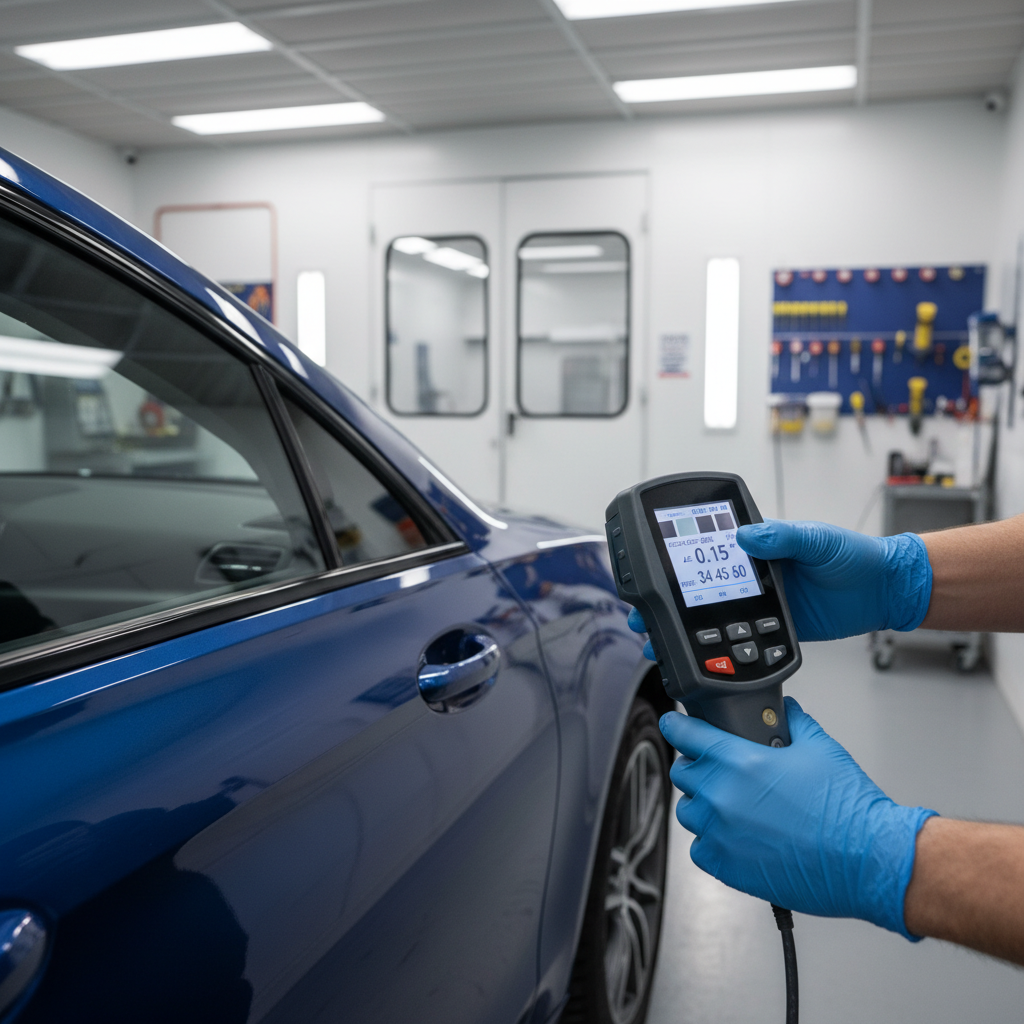
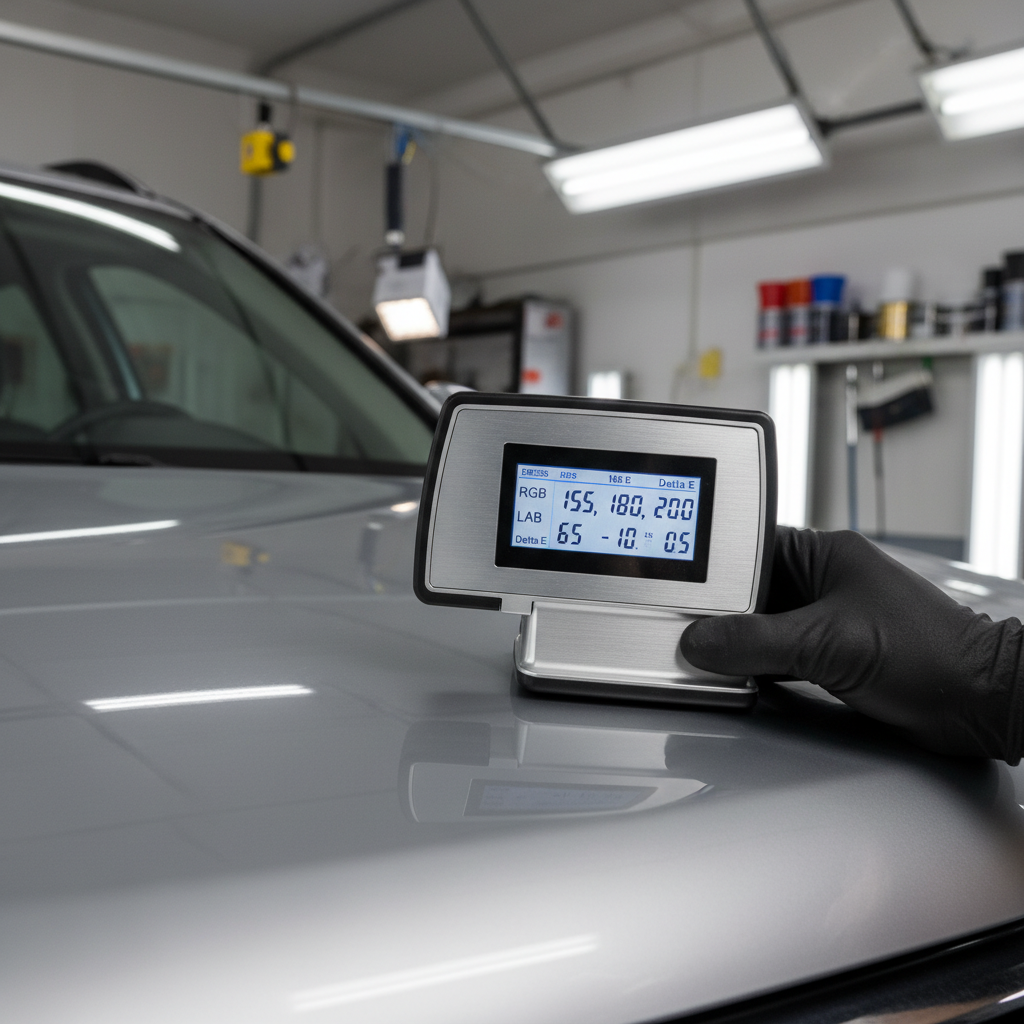
The centerpiece of modern auto body paint matching is the spectrophotometer. This handheld device reads the light wavelengths reflecting off your vehicle’s existing paint and translates that data into precise color values. It doesn’t estimate. It measures. That distinction matters enormously when you’re trying to blend a repaired panel into a finish that’s had three or four years of Phoenix sun beating down on it.
From Measurement to Formula
Once the spectrophotometer captures your paint data, that information gets cross-referenced against a digital color database maintained by paint manufacturers like BASF and PPG. These databases contain thousands of factory color formulas and, just as importantly, the documented ways those colors shift and fade over time. So the system isn’t just matching your car’s original factory code. It’s accounting for how that color has aged.
A lot of people assume the paint code on the door jamb sticker is all you need. It’s a starting point, nothing more. Two vehicles with the same code, built six months apart on different production runs, can have measurable color differences straight from the factory.
Why Lighting Conditions Change Everything
Here’s where a lot of shops cut corners. Reading paint color under fluorescent shop lights gives you inaccurate data. Professional-grade color evaluation requires standardized lighting that replicates natural daylight. At Brad’s Deer Valley Collision, we check matches under multiple light sources before we ever commit to a formula, because what looks right under artificial light can read completely wrong outside on a bright Phoenix afternoon.
The I-CAR training standards we follow at our shop put significant emphasis on this step, and it’s one that separates shops that invest in their craft from ones focused purely on throughput. You can learn more about our certifications and approach on our about page.
The technology available for auto body paint matching in Phoenix, AZ has advanced dramatically over the past decade. But the tools only work as well as the technicians using them. Precision equipment in untrained hands still produces bad results. The science matters. So does the person holding the device.
Ready to talk specifics about your vehicle? Reach out to us directly and we’ll walk you through the process before you commit to anything.
Common Paint Matching Mistakes That Result in Visible Mismatches
After nearly four decades doing this work in Phoenix, I can spot a rushed paint job from across a parking lot. The mismatch usually isn’t from bad paint. It’s from bad process.
Here’s what goes wrong at shops that cut corners on auto body paint matching, and what you should watch for before you hand over your keys.
Skipping or Rushing Surface Prep
This is the biggest one. Paint doesn’t stick properly to a surface that isn’t clean, smooth, and properly primed. Shops under time pressure skip sanding steps or apply primer too thin. The result is texture variation that catches light differently than the surrounding panels, even if the color itself is technically correct.
Measuring the Wrong Panel
Spectrophotometers are only as accurate as the person using them. Some technicians scan a single spot on a dirty or faded panel and call it done. Industry refinish experts recommend multiple readings across clean panel surfaces. One bad scan can throw the entire formula off.
Ignoring Paint Aging and Fade
Phoenix sun is relentless. A vehicle that’s five years old has paint that has oxidized and shifted from its original factory color. Mixing straight factory specs to match a faded car? That’s a mistake I see constantly. A good technician adjusts the formula to account for real-world aging.
Underestimating Metallic and Pearl Orientation
Metallic flake and pearl pigments shift with spray angle and application speed. Shops that don’t test spray-out cards before committing to a full panel are guessing.
These aren’t minor technical details. They’re red flags. If a shop can’t explain their prep and verification process, ask someone who can.
Brad’s Approach to Paint Matching: Multi-Stage Verification and Testing
We don’t guess. That’s the short version.
At Brad’s Deer Valley Collision, our auto body paint matching process runs through multiple verification checkpoints before a single drop of paint touches your vehicle. A lot of shops treat color matching as a one-step lookup. We’ve been doing this since 1985, and we know that approach produces inconsistent results, especially here in Phoenix where the sun exposes every flaw.
Step One: Digital Scanning at the Source
We start with a spectrophotometer reading taken directly from your vehicle’s existing finish, not just from the manufacturer’s paint code. Paint codes are a starting point, not a finish line. Vehicles fade, shift, and oxidize over time, and a scan of your actual car tells us what the color is right now, not what it was when it left the factory.
Step Two: Test Panel Application
Before anything goes on your car, we spray the formula onto a test panel. This lets us evaluate the match under controlled conditions and make adjustments to the formula if needed. Skipping this step is one of the biggest shortcuts shops take, and it’s exactly why so many paint jobs look fine in the booth but wrong in daylight.
Step Three: Multi-Light Verification
We check the test panel under multiple lighting conditions, including direct sunlight, fluorescent shop light, and natural shade. Color behaves differently depending on the light source, and a match that looks perfect under one can look noticeably off under another. This matters a lot in Phoenix, where your car spends serious time under intense direct sun.
Step Four: Customer Review Before Final Application
You get to see the match before we commit. We’ll walk you through what we found and why we’re confident in the formula. If you have questions or concerns, that’s the time to raise them. Our team’s background in certified collision repair means we know how to have that conversation clearly and honestly.
Most customers are surprised by how thorough this is. That’s not an accident. You can reach out to us directly with questions about your specific vehicle before you even bring it in.
Metallic, Pearl, and Specialty Finishes: The Advanced Challenges
Solid colors are forgiving. Metallics and pearls are not.
I notice this every time a late-model truck or luxury sedan rolls into our shop with a specialty finish. The repair might be flawless by every other measure, but if the painter doesn’t understand how metallic flakes orient under a clear coat, the panel will look different at a 45-degree viewing angle than it does straight-on. That’s called flop effect, and most car owners don’t know it exists until they’re standing next to a mismatched repair in afternoon light.
Phoenix drivers love pearl white finishes. You see them constantly out near Scottsdale on Audis, Lexus SUVs, and high-end pickup trucks. Pearl pigments use mica particles that reflect and refract light differently depending on the viewing angle. Matching the color code is only the starting point. The painter also has to control spray pressure, gun distance, and pass speed to get those particles to lay correctly. A small variation in any of those factors produces a visible shift in the finish, even when the base color reads as a perfect match on the spectrophotometer.
Tri-coat finishes add another layer of complexity. These systems use a basecoat, a translucent midcoat loaded with effect pigments, and a clearcoat on top. Getting all three layers to blend correctly with the existing finish requires real experience, not just good equipment. Some shops skip the midcoat entirely and hope nobody notices. They’ll notice.
Our team at Brad’s Deer Valley Collision has been handling specialty finishes in Phoenix since 1985. If you want to see our certifications and background, they’re worth reviewing before trusting any shop with a complex finish. Proper auto body paint matching on specialty colors isn’t harder to do right. It just requires more steps and no shortcuts.
What to Expect During Your Paint Matching Process at Brad’s
Here’s the honest truth: most customers don’t know what a proper auto body paint matching process looks like until they’ve experienced a bad one. Let me walk you through exactly what happens when you bring your vehicle to Brad’s Deer Valley Collision.
From First Look to Final Approval
It starts with a thorough assessment. We scan your vehicle’s paint code and run it through our spectrophotometer to capture the actual color data on your car, not just what the factory spec says it should be. Phoenix, AZ sun exposure changes things, and we account for that from step one.
We mix and test before we spray. A sample panel gets painted, cured, and compared under multiple lighting conditions including natural sunlight. If it doesn’t match, we adjust. We don’t rush past this step.
You should ask these questions before any shop starts painting your car:
-
Do you test a sample panel before painting the vehicle?
-
How do you account for paint oxidation and weathering on the existing panels?
-
What does your warranty cover if the color drifts after a few months?
-
Will I see the match in daylight before pickup?
A shop that can’t answer those questions confidently is a shop you should walk away from. Some people think getting three estimates means accepting the lowest one. I’d push back on that. The lowest bid usually reflects something missing from the process, and with paint matching, shortcuts show up fast.
Our Warranty Has Your Back
Brad’s stands behind every paint job with a written warranty. If color issues develop after you leave, we make it right. That’s not a sales line, that’s how we’ve operated since 1985 and how we’ve built our reputation across Phoenix.
Before you pick up your car, do a final walkthrough in direct sunlight. Trust your eyes. If something looks off, say so. We want you driving away completely satisfied.
Ready to get started? Contact us for a free estimate and see our full auto body services firsthand.
Frequently Asked Questions
How do you match paint color on a car that’s been repaired before?
We use a digital spectrophotometer to scan the original factory paint directly from an undamaged area of your vehicle. That tool captures the exact color values, metallic content, and clear coat specifications. We then cross-reference that data against our OEM color database and apply test panels to verify the match under multiple lighting conditions before we touch your car. Auto body paint matching on previously repaired vehicles is something we handle every day here in Phoenix, AZ, USA, and this process is how we get it right.
Can paint color matching work on older vehicles or cars with faded paint?
Yes, it can, but it takes extra care. Our technicians scan the best-preserved original paint on your vehicle, which is often hidden areas like inside door jambs or under the hood. If your paint has faded significantly, a direct spot match usually won’t cut it. In those cases, we’ll likely recommend a full-panel blend to account for the natural aging of your finish. We’ll walk you through all the options upfront and put everything in a written estimate before any work begins.
What’s the difference between a good paint match and a flawless one?
A good match can look close in direct overhead light but shift noticeably when you view the car at different angles or step into full Arizona sunlight. A flawless auto body paint match is virtually indistinguishable at any angle and under any lighting condition. Getting there requires proper surface prep, professional-grade equipment, certified painters, and a multi-stage verification process. That’s the standard we hold ourselves to at Brad’s Deer Valley Collision in Phoenix, AZ, USA, and it’s why customers come back to us.
How long does the paint matching and application process take?
Color scanning and test panel approval typically takes one to two days. Once the color is locked in, application and curing time depends on the size of the repair, but most jobs wrap up within two to five business days total. If your repair involves multiple panels or a complex metallic finish, the timeline may be a bit longer. We’ll give you a detailed schedule in your written estimate so you know exactly what to expect before we get started.
Does Brad’s warranty cover paint matching issues after I pick up my car?
Yes, it does. We back our auto body paint matching work with a comprehensive warranty that covers color match defects, adhesion issues, and finish quality. If you notice a mismatch after you’ve left our Phoenix, AZ, USA shop, reach out to us right away and send photos. We’ll review the situation and correct any legitimate issue at no charge within the warranty period. Stop by or give us a call and we’ll make it right.
Get Your Car’s Paint Looking Factory-Perfect Again
If your vehicle took some damage and you’re not sure where to start, we’re here to make it simple. Brad’s Deer Valley Collision serves drivers all across Phoenix, AZ, USA with certified auto body painting that’s matched precisely to your car’s original finish. Stop by our Deer Valley location or give us a call today to get your free estimate and find out exactly what we can do for you.