Red Flags to Watch When Choosing a Collision Repair Shop in Phoenix, AZ
Red Flags to Watch When Choosing a Collision Repair Shop in Phoenix, AZ
What You Need to Know Right Now
The five most dangerous red flags at any collision repair shop are a missing written estimate, no warranty coverage, a bid that undercuts every other quote you’ve gotten, a vague repair timeline, and no verifiable I-CAR or ASE certification on display. Brad’s Deer Valley Collision has repaired vehicles for Phoenix, AZ, USA drivers since 1985, and we’ve seen what happens when shortcuts get taken on these basics.
Say your car needs a bumper repair after a parking lot mishap. A shop quotes you fast, verbally, with no paperwork. That’s worth pausing on. Most advice tells drivers to just “get it in writing,” but in our experience, the estimate’s detail matters more than its existence; vague line items hide the same problems a missing estimate does. Before committing, browse the full range of collision and auto body services a shop actually offers, and confirm the scope matches what your vehicle needs.
Red Flag #1: No Written Estimate—Ever
No paper. No protection.
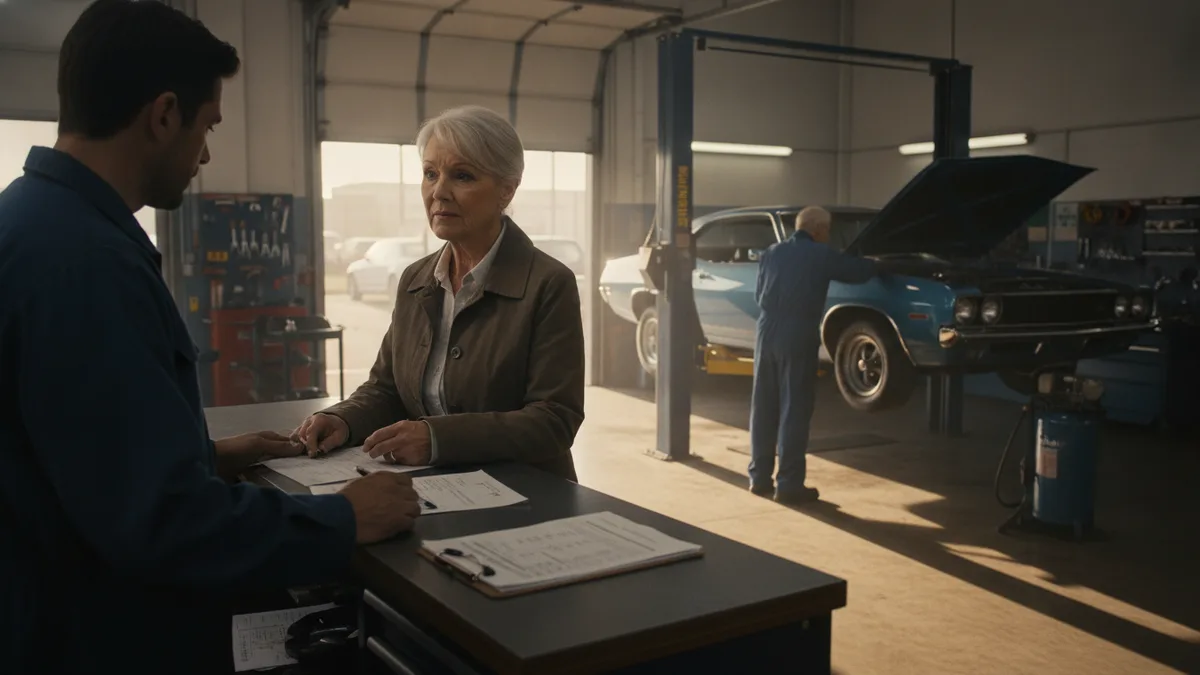
A shop that hesitates to put numbers in writing is telling you something. Maybe they’re guessing at the scope of damage. Maybe they plan to pad the invoice once your car is already torn apart on the lift. Either way, a verbal quote holds zero weight if a dispute comes up later about what was promised, what parts were used, or what the final bill should look like.
A legitimate estimate from any collision repair shop should spell out labor hours by task, a parts list with OEM or aftermarket designations clearly marked, and specifics on paint matching for your vehicle’s exact factory color code. If a shop hands you a scrap of paper with a single lump-sum number and no breakdown, that’s a sign to walk. You want line items you can compare against a second or third estimate, not a figure pulled out of thin air.
Here’s a perspective that might go against common advice: some guides tell customers to just “trust their gut” on a shop’s honesty during the first conversation. In our experience, gut feelings don’t catch a missing labor line or an aftermarket bumper billed at OEM pricing. Only a written, itemized document does that. Reading the estimate line by line matters more than how friendly the front counter staff seems.
Phoenix, AZ, USA has plenty of body shops, and most reputable ones document the full scope of repairs before a wrench ever touches your car. That written record protects you if your insurance company questions a charge, and it protects the shop from accusations of scope creep. If you want to see how a shop with decades of documentation practice operates, our background and Phoenix repair experience page walks through our credentials and history since 1985.
If you’re unsure whether an estimate covers everything it should, ask a qualified body shop advisor or your insurance adjuster to review it before you sign off on repairs.
Red Flag #2: Shop Refuses to Offer a Written Warranty
Pull up to a body shop counter and ask about warranty terms. Watch the reaction. A tech who’s confident in the work will hand you paperwork without hesitation. One who hedges, changes the subject, or says “we’ll take care of you if something happens” is giving you a verbal promise that means nothing once your car is back on the road.
A solid warranty spells out three things in writing: paint and finish quality, panel fitment, and structural integrity on frame work. It should state a defined coverage period, not an open-ended “call us if there’s a problem.” It should also clarify whether both parts and labor are covered, because some shops warranty labor only and leave you paying for replacement parts if a repair fails.
Here’s where we differ from a lot of general advice floating around. Most guides tell you to just check for “a warranty,” full stop. In our experience, the coverage terms matter more than the existence of a warranty at all. A vague one-page slip that says “workmanship guaranteed” isn’t the same as documentation that names specific coverage for rust-through, delamination, or panel alignment issues that surface months later.
Ask what happens if repaired damage reappears. Does the shop redo the work at no charge? Is there a cap on how long you have to report the issue? These aren’t uncomfortable questions to ask a legitimate collision repair shop; they’re standard ones, and any shop worth your business in Phoenix, AZ, USA should answer them without flinching.
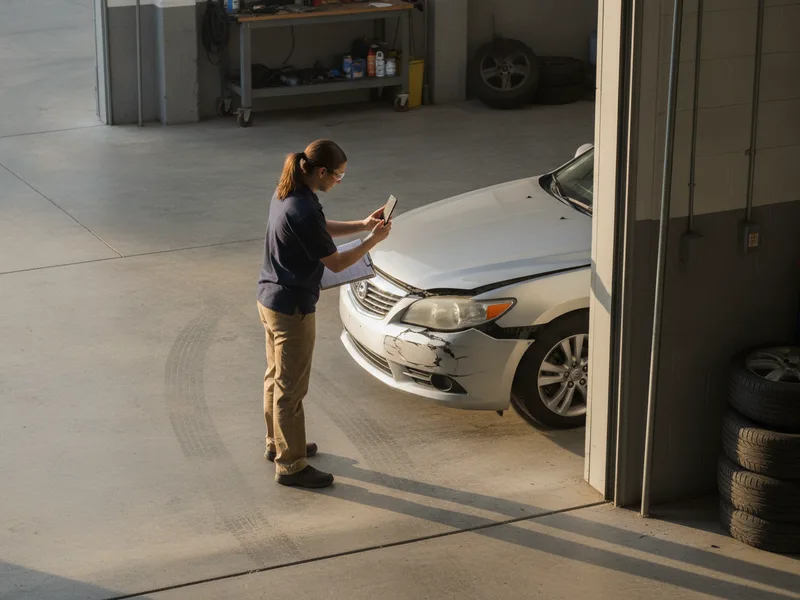
Bring your damage photos and existing paperwork when you stop by for an inspection, and request a free collision repair estimate and schedule your vehicle inspection so you can compare warranty language side by side with what other shops offer. For questions about your broader consumer rights after an accident, a consultation with a qualified professional is always a reasonable step.
Red Flag #3, #4 & #5: Suspiciously Low Bids, Vague Timelines, and Missing Credentials
Cheap. That’s the word that should make you pause, not celebrate.
Parts and labor cost what they cost. When a bid comes in far below the other two or three estimates you’ve gathered, something in that number has to give. Usually it’s aftermarket panels swapped in for OEM parts, thinner paint coats, or shortcuts on structural work that won’t show up until months later. In our experience, the shops quoting rock-bottom prices are often the same ones that reach for cheap materials mid-repair once your car is already disassembled and you’re stuck.
Timelines matter just as much. Ask a shop when your car will be ready and listen closely to the answer. “We’ll see” or “depends on parts” isn’t a plan, it’s a guess. A collision repair shop that’s organized can walk you through the phases: teardown and estimate, parts ordering, bodywork, paint, reassembly, and a final quality check. Shops that can’t outline that sequence are often overbooked or understaffed, and your vehicle becomes the one that keeps getting bumped down the list.
Certifications are where a lot of vehicle owners skip a step they shouldn’t. I-CAR and ASE credentials aren’t just wall decorations. They show a shop’s technicians have gone through structured training on current repair procedures, including work on modern vehicle materials and safety systems. A shop that invests in that training, and in technology like ADAS recalibration, tends to invest in doing the job right the first time. One that can’t produce proof of certification when asked is telling you something about its priorities.
Before you sign anything, run through a short checklist:
-
Does the bid match the general range of your other estimates, or is it noticeably lower?
-
Can the shop give you a realistic timeframe, even if it’s an estimate with some flexibility built in?
-
Are I-CAR or ASE certifications posted or available on request?
-
Does the shop mention ADAS recalibration if your vehicle has driver-assist features?
-
Do reviews from past customers back up what the shop is telling you?
Reading how a shop has treated other Phoenix, AZ, USA vehicle owners is one of the fastest ways to confirm or challenge your gut feeling; the customer reviews and testimonials page is worth a look before you commit to anyone. If a financial or insurance decision feels complicated, a conversation with a licensed professional or your insurance representative can help clarify your options.
How to Protect Yourself: The Three-Estimate Rule and Your Rights
Techs who’ve worked a counter for years notice the same pattern. Customers who gather multiple estimates almost never end up surprised by their final bill. Customers who grab the first quote and run with it? They’re the ones calling three weeks later asking why the invoice looks nothing like what they expected.
Get two or three written estimates before choosing a shop. Not verbal ballparks. Written, itemized numbers you can set side by side on your kitchen table. This one step catches inflated bids, missing line items, and shops that quietly plan to use aftermarket parts without mentioning it upfront.
While you’re collecting quotes, ask pointed questions:
-
Are you quoting OEM parts or aftermarket parts, and why?
-
What paint matching technology do you use to blend the new panels with the existing finish?
-
Does this vehicle need ADAS recalibration after the repair, and is that included in the estimate?
-
How long is the warranty, and what exactly does it cover?
A shop that answers clearly, without hedging, is usually a shop worth trusting. One that gets vague on any of these four questions deserves a second look.
Before you hand over your keys, photograph every angle of your vehicle, including damage that already exists and has nothing to do with the current claim. Pull out any valuables from the glovebox or trunk. This isn’t about distrust of any particular collision repair shop. It’s just good practice, the same way you’d document a rental car before driving off the lot.
Here’s something a lot of drivers don’t realize: insurance companies cannot force you into a specific shop. Phoenix, AZ, USA drivers have the right to choose where their vehicle gets repaired, regardless of which shop appears on an insurer’s preferred list. Most guides mention this in passing, but in our experience, plenty of customers still feel pressured to accept the insurer’s first suggestion without asking questions. If you have concerns about your specific policy language or claim rights, a conversation with your insurance agent or a licensed adjuster can clear things up.
Once you’ve narrowed your options, check online reviews and look up the shop’s rating with the Better Business Bureau. A pattern of complaints tells you more than any single five-star review ever will.
Why Brad’s Deer Valley Collision Stands Out in Phoenix
Run every red flag in this article past our shop, and here’s what you’ll find. We’ve operated in Phoenix, AZ, USA since 1985, which means decades of repairs, warranty claims honored, and insurance adjusters we’ve worked with more than once.
Walk into our shop and you’ll see I-CAR and ASE certifications displayed at the counter, not buried in a filing cabinet somewhere. That’s intentional. Ask us about a technician’s training and we’ll show you the paperwork, not just tell you to trust us. We also back our repairs with a written warranty, spelled out in terms you can read before you sign anything.
Insurance work is part of daily business here. We partner directly with insurance companies and handle documentation on repairs, though it’s worth remembering the choice of shop is always yours, regardless of which one your insurer suggests first. Confirm that right with your insurance provider directly if you’re ever unsure.
Communication matters just as much as the repair itself. Most smaller shops still call once and hope you pick up. We send text updates and photos as work progresses, so you’re not guessing what’s happening to your car for days at a stretch. In our experience, that kind of visibility does more to build trust than a fast turnaround promise ever does.
If you’re comparing collision repair shop options in Phoenix, stop by, ask questions, and see the credentials for yourself. Walk-ins are welcome, and we’re happy to talk through an estimate in person.
Frequently Asked Questions
Can I choose my own collision repair shop, or must I use the one my insurance company recommends?
Arizona law gives you the right to pick your own collision repair shop. Your insurer can suggest a “preferred” shop, but they can’t force you to go there. A lot of Phoenix drivers don’t realize this and just go along with whatever the insurance company hands them. Before you commit, check whether your chosen shop is in your insurer’s network, since going out of network can change how your deductible or reimbursement works. If you’re unsure how this applies to your policy, a quick call to your insurance agent clears it up fast.
What should a detailed collision repair estimate include?
A solid estimate spells out every damaged part, whether it’s OEM or aftermarket, plus labor hours and paint matching costs. It should also list the total price, the warranty that comes with the work, and roughly how long the repair will take. Good shops in Phoenix will also note that extra damage sometimes shows up once they start pulling panels apart. If an estimate feels thin or leaves out these details, ask more questions before you sign anything.
How long should a collision repair shop’s warranty last?
Most collision repair shops back their paint and bodywork for three to five years, and some offer lifetime coverage on structural repairs. Ask exactly what’s covered, paint finish, panel fitment, and welding should all be part of it. A shop that can’t answer this clearly, or offers barely any warranty at all, is worth thinking twice about. It’s reasonable to get the warranty terms in writing before you agree to any repair.
Why is ADAS recalibration important, and do most collision shops in Phoenix offer it?
ADAS recalibration matters because a collision can knock cameras, sensors, and radar out of alignment even when the damage looks minor. These systems control things like lane departure warnings and automatic braking, so getting them recalibrated correctly after a repair is a safety issue, not just a formality. Not every shop in Phoenix has the equipment or training for it. Before you drop your car off, ask directly whether the shop handles ADAS recalibration in-house or sends it out.
What should I do before handing my car over to a collision repair shop?
Take photos of your car from every angle before you hand over the keys, including the odometer and any dings or scratches that were already there. Clear out valuables from the glove box, console, and trunk. Get a written estimate and a timeline for the work, don’t just take a verbal promise. Having this documentation protects you if there’s ever a disagreement about pre-existing damage or how long the repair is supposed to take.
Get Your Collision Repair Estimate
A hidden frame issue or a misaligned panel can turn a simple bumper repair into a bigger job down the road, so a thorough inspection matters more than a quick glance. If your car needs bodywork after a wreck, bring it by Brad’s Deer Valley Collision in Phoenix, AZ, USA and we’ll walk through what we find, panel by panel, before any work starts.
Stop by the shop or give us a call to set up a free inspection and get a written quote you can actually understand. You can also browse our full collision repair and auto body services to see how we handle everything from paint matching to structural repair. Have questions first? Check out what our customers are saying on our Google reviews before you decide.