
Rear Bumper Replacement in Phoenix, AZ: Cost, Timeline, and Process
Rear Bumper Replacement in Phoenix, AZ: Cost, Timeline, and Process
What Does Rear Bumper Replacement Actually Cost in Phoenix?
Rear bumper replacement costs in Phoenix, AZ, USA typically depend on the vehicle’s make, whether the shop uses OEM or aftermarket parts, and how much labor and paint work the repair requires. Brad’s Deer Valley Collision has been repairing vehicles in the Phoenix area since 1985, and pricing on any given job reflects the specific damage, not a flat rate. Getting a written estimate is the only reliable way to know actual cost.
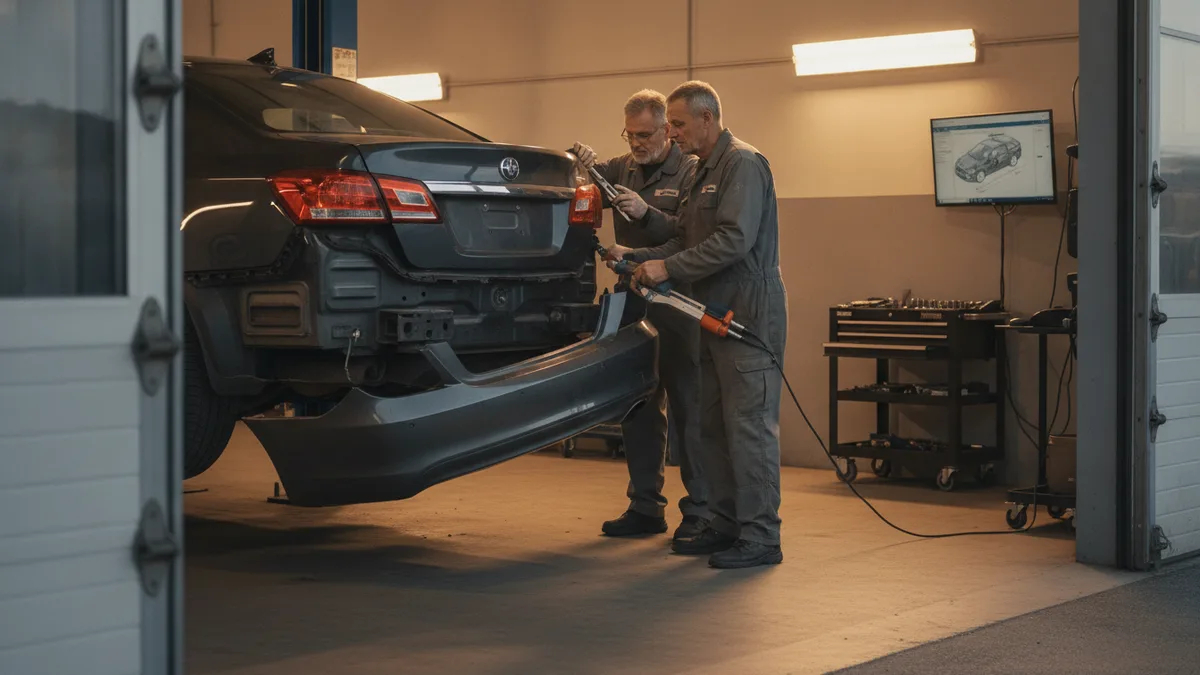
Picture a rear-end fender bender at a stoplight. The bumper cover looks cracked, but there could be more going on underneath.
Parts are usually the biggest cost driver. An OEM bumper cover, made by the vehicle manufacturer, generally costs more than an aftermarket equivalent, but fit and finish tend to be more consistent. Labor adds another layer: removing the old bumper, prepping the new one, and blending paint into adjacent panels all take technician time. Paint matching is its own skill. Metallic and pearl finishes are harder to blend than solid colors, and a shop that rushes this step often leaves a visible seam.
Then there’s the damage you can’t see from the driveway. A rear bumper hit can crack the reinforcement bar behind the cover, damage a sensor, or push into the trunk structure. In our experience, shops that quote a price without pulling the bumper cover off first are guessing. We’d rather look underneath before we commit to a number, even if that means the customer waits a day longer for a firm estimate.
This is also why two shops can hand you very different quotes for what looks like the same job. One may be pricing a straightforward cover swap; the other may have already spotted a bent bracket or a sensor that needs recalibration. Reviewing the full range of collision repair services we offer can give Phoenix drivers a clearer sense of what’s typically involved before they ask for a number.
Because cost ties directly to your insurance settlement, it’s worth confirming coverage details with your insurer or a licensed claims professional before agreeing to any repair plan. For general guidance on vehicle safety systems that can affect repair scope, the National Highway Traffic Safety Administration is a useful reference point.
How Long Does Rear Bumper Replacement Take?
Most straightforward jobs.
A basic rear bumper replacement, meaning the cover comes off, a new one goes on, and paint gets matched and cured, usually runs a few days at a shop that isn’t backed up. That includes disassembly, ordering and receiving the part if it’s not already in stock, prep and paint, reassembly, and a final quality check. If your vehicle needs recalibration for parking sensors or a backup camera mounted in the bumper, add time for that step too.
Where timelines stretch is behind the bumper cover, not the cover itself. If there’s damage to the reinforcement bar, the crash absorber, or brackets that hold everything in place, technicians need to pull the cover, inspect the structure underneath, and often wait on additional parts. This is common after rear-end collisions in stop-and-go traffic, which happens plenty in Phoenix, AZ, USA. A shop that skips this inspection to save time isn’t doing you any favors; in our experience, that shortcut is how customers end up back in the shop a few months later.
Paint matching adds its own variable. Metallic and pearl finishes take longer to blend correctly than solid colors, and a rushed paint job tends to show under direct sunlight, which Phoenix has no shortage of.
Shop volume matters too. After hailstorms or high-traffic holiday weekends, turnaround times at busy shops can lengthen simply because of the queue, not the complexity of your specific repair.
Setting Realistic Expectations
Ask for a written timeline estimate before work begins, and ask what could change it. A shop with I-CAR and ASE certifications should be able to walk you through the process step by step, including how they handle unexpected findings once the bumper cover comes off. Brad’s Deer Valley Collision has operated in Phoenix, AZ, USA since 1985, and walk-ins are welcome if you’d rather have someone look at the damage in person before committing to a repair schedule.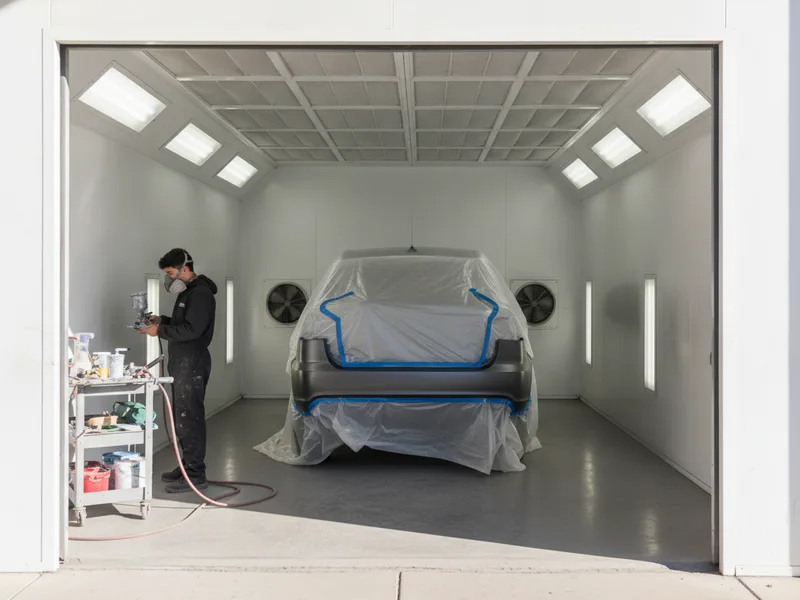
OEM vs. Aftermarket: Which Bumper Should You Choose?
Pull up ten estimates for the same rear bumper replacement in Phoenix, AZ, USA and you’ll likely see two very different price tiers. That gap almost always comes down to one decision: OEM or aftermarket.
OEM bumpers come from the vehicle manufacturer and are built to match your car’s exact specifications. Fitment is precise, mounting points line up without persuasion, and the finish quality tends to match factory paint more consistently. The trade-off is cost. OEM parts generally run higher than aftermarket equivalents, sometimes by a wide margin depending on the make and model.
Aftermarket bumpers are manufactured by third-party companies rather than the original automaker. Quality varies a lot between suppliers. Some aftermarket covers fit almost as well as OEM; others need extra shop time for trimming, adjusting, or filling gaps that shouldn’t exist. That labor adds up, and it’s not always reflected in the initial quote.
Most advice online says “always choose OEM if you can afford it,” and in our experience that’s usually sound guidance, but not universally true. On older vehicles or higher-mileage cars where resale value is already limited, a quality aftermarket bumper can be a reasonable choice without sacrificing much in appearance or function. The calculation changes with newer vehicles, especially ones with sensors or trim features built into the bumper cover, where OEM fitment reduces the risk of recalibration issues down the line.
Insurance coverage plays a role here too. Some policies default to aftermarket parts unless you request OEM in writing, and that request may or may not be honored depending on your policy language. It’s worth reviewing your coverage details with your insurance provider or a licensed agent before the repair order gets written up.
Warranty coverage differs between the two options as well, and it’s a fair question to ask any shop before work begins. Reviewing how Brad’s Deer Valley Collision approaches parts selection and quality standards, detailed on the Brad’s Deer Valley Collision experience and credentials page, gives Phoenix drivers a clearer sense of what to expect before committing to either option.
Why Professional Installation Matters More Than You Think
A bumper swap looks simple from the outside. Old part off, new part on, done. That’s not how it actually works.
Modern rear bumpers hide a surprising amount of hardware. Parking sensors, backup cameras, and on many newer models, radar components tied into the vehicle’s driver assist systems all run through that bumper cover. Move the bumper and you’re also touching the wiring harnesses, mounting brackets, and sometimes the reinforcement bar behind it. Misalign any of that by even a few millimeters and a sensor can throw false readings or stop working entirely. That’s not a cosmetic problem; it’s a functional one.
This is where ADAS recalibration comes in, and it’s an area we’ve noticed a lot of smaller shops simply skip. If your vehicle has backup sensors or camera-based safety features, the system often needs recalibration after a rear bumper replacement to read distances and objects correctly. Skipping that step might not show up right away, but it can affect how those systems perform down the road. Anyone relying on a discount installer should ask directly whether recalibration is included, because it’s frequently left out to keep the quote low.
Structural inspection matters too. Behind that bumper cover sits an energy-absorbing foam layer and, in most vehicles, a metal or composite reinforcement bar designed to manage impact. A rushed installer might bolt on a new cover without checking whether that bar is bent, cracked, or improperly seated. In our experience, this is one of the most commonly skipped steps in low-bid work, even though it directly affects how the bumper performs in a future impact.
Paint matching adds another layer of precision. Arizona’s sun fades factory paint in ways that make exact color matching harder than people expect, and a slightly-off blend is noticeable in direct light.
Brad’s Deer Valley Collision has handled this kind of detail work for Phoenix, AZ, USA drivers since 1985, with I-CAR and ASE-certified technicians and in-house ADAS recalibration capability most smaller operations don’t offer. For questions about vehicle safety systems, a certified technician’s assessment is always the right call before returning to the road.
The Rear Bumper Replacement Process: Step by Step
Watch a tech pull a damaged bumper cover off a vehicle and you’ll notice something: the good ones slow down right at the start, not the end. Rushing the inspection is where quality problems get baked in early.
The process usually opens with a full damage assessment, not just the visible cracks or scrapes. Techs check the reinforcement bar, brackets, and mounting points hiding behind the cover, since a rear bumper replacement that only addresses the cosmetic layer tends to leave hidden issues unresolved.
Disassembly comes next. Sensors, wiring harnesses, trim clips, and sometimes exhaust components get carefully removed and set aside. Some guides make this sound like a five-minute job. In our experience, it’s the step that separates a clean repair from one that comes back with rattles or electrical gremlins a few weeks later.
Once the new part (OEM or aftermarket) arrives, it goes through a fit check before paint. Skipping this step is a common shortcut, and it’s one reason panel gaps sometimes look off on a finished vehicle.
Painting and color matching happen in a controlled booth, followed by a curing period that shouldn’t get rushed regardless of how full the shop’s schedule is that week.
Installation follows, with sensors and hardware reconnected and tested. Any vehicle with backup cameras or parking sensors typically needs calibration checks at this stage, something worth confirming with a qualified technician before the car leaves the lot.
Final inspection covers panel alignment, gap consistency, and function tests on every reconnected component. For Phoenix, AZ, USA drivers weighing their options, reaching out through the contact page for repair questions is a straightforward way to ask what a specific vehicle’s process will involve before committing to a shop.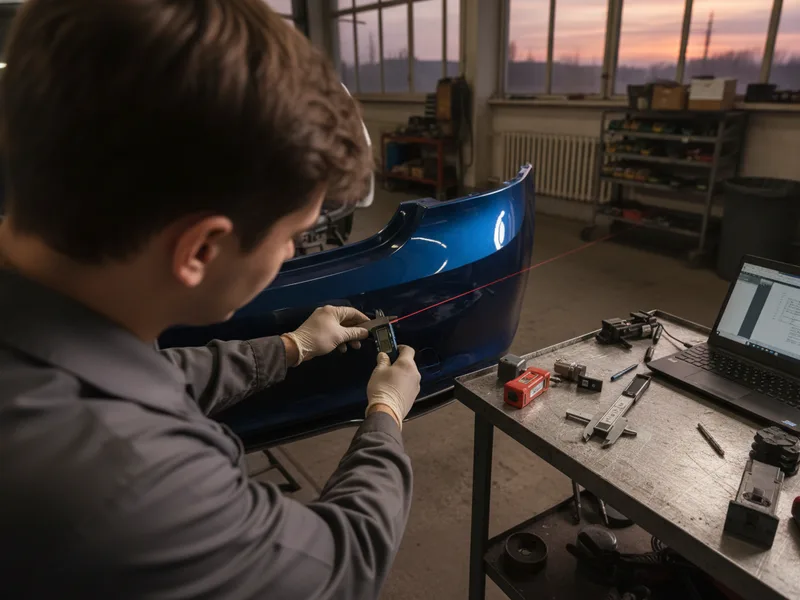
How Insurance Coverage Affects Your Rear Bumper Replacement
Collision coverage typically pays for rear bumper replacement after an accident, minus your deductible. If another driver is at fault, their liability coverage generally picks up the cost instead. Either way, you’re responsible for confirming your policy details with your insurer before assuming anything is covered.
Here’s something a lot of drivers don’t realize: you get to pick your own body shop. Insurance companies sometimes push customers toward a “preferred” shop in their network, but Arizona drivers aren’t obligated to use one. You can bring your vehicle to Brad’s Deer Valley Collision even if we’re not on your insurer’s recommended list, and we’ll work directly with the adjuster on your behalf.
That’s the part we handle for you. We prepare a detailed written estimate, document the damage with photos, and communicate directly with your insurance company to keep the claim moving. Most guides tell people to just accept whatever the insurer’s first estimate says. In our experience, that first number often misses hidden damage behind the bumper cover, things like sensor brackets or reinforcement bars, so we push back when the estimate doesn’t match what we actually find during teardown.
A few things worth doing before you drop your car off:
- Photograph existing damage and the general condition of your vehicle
- Remove valuables and personal items
- Ask for a written estimate, not a verbal one
- Confirm whether OEM or aftermarket parts are being quoted, since that affects both cost and your claim payout
If your insurer’s offer seems unusually low or they’re vague about coverage terms, it’s reasonable to get a second opinion. For questions specific to your policy or claim rights, your insurance agent or Arizona’s Department of Insurance and Financial Institutions can clarify what you’re entitled to. Stop by our Phoenix, AZ, USA shop anytime for a walk-in estimate and we’ll walk you through the claim process in plain language.
Frequently Asked Questions
Can I drive my car immediately after a rear bumper replacement?
Most shops in Phoenix ask you to wait 24 to 48 hours before getting back to normal driving. That waiting period gives the paint time to cure fully, especially given how quickly Arizona heat can affect drying if the process is rushed. Some technicians might clear you for limited driving sooner, but that call depends on the paint product used and the weather that day. Ask your technician directly before you leave the shop so you know exactly what to expect.
Does rear bumper replacement affect my vehicle’s alignment?
A rear bumper on its own has nothing to do with your alignment. It’s a cosmetic and protective panel, not a structural or suspension part. That said, if the collision was hard enough to damage the bumper, there’s a chance the frame or suspension took a hit too. A solid inspection at the time of repair will catch any of those underlying issues before they become bigger problems down the road.
What’s the difference between a bumper replacement and bumper repair?
Repair means fixing what’s there. Techs smooth out dents, patch cracks, and repaint without ever taking the bumper off your car. Replacement is a bigger job: the damaged bumper comes off completely and a new one goes on in its place. Which route makes sense depends on how bad the damage is and honestly, sometimes what you’d rather do. A shop can walk you through both options once they’ve seen the damage in person.
Will a new bumper color match my car if it’s been repainted before?
Yes, a proper paint match job accounts for that. Brad’s Deer Valley Collision uses spectrophotometer technology to read your car’s actual current color, not just what the factory code says it should be. That matters a lot if your car has been repainted at some point, since sun exposure and age can shift the shade over the years. The goal is a blend where the new bumper doesn’t stand out next to the rest of your car.
What if my bumper damage is hiding frame damage?
It happens more often than people think. A rear-end impact can push damage further into the vehicle than what you see on the surface, so a thorough inspection before any repair work starts is important. If frame damage turns up, it needs specialized straightening equipment and someone trained to use it correctly, not just a bumper swap. Any reputable collision shop will check for this and explain what they find before putting the new bumper on. If you have concerns about frame integrity, it’s worth having a qualified technician take a direct look rather than guessing based on visible damage alone.
Get Your Rear Bumper Fixed Right
A cracked or dented rear bumper doesn’t have to sit around waiting for attention. Stop by Brad’s Deer Valley Collision in Phoenix, AZ, USA, or give us a call, and we’ll walk you through your bumper replacement options with a free, written estimate. We’ll give you honest answers on cost and how long the job will take, no guesswork involved.
Curious about the rest of what we handle? Take a look at our full range of collision repair and auto body services to see how we can help beyond just the bumper. We’ve been working on cars in this neighborhood since 1985, and you can check out our reviews on Google to hear directly from folks we’ve helped before.