
Auto Frame Repair Shop in Phoenix, AZ: Restoring Structural Integrity After Impact Damage
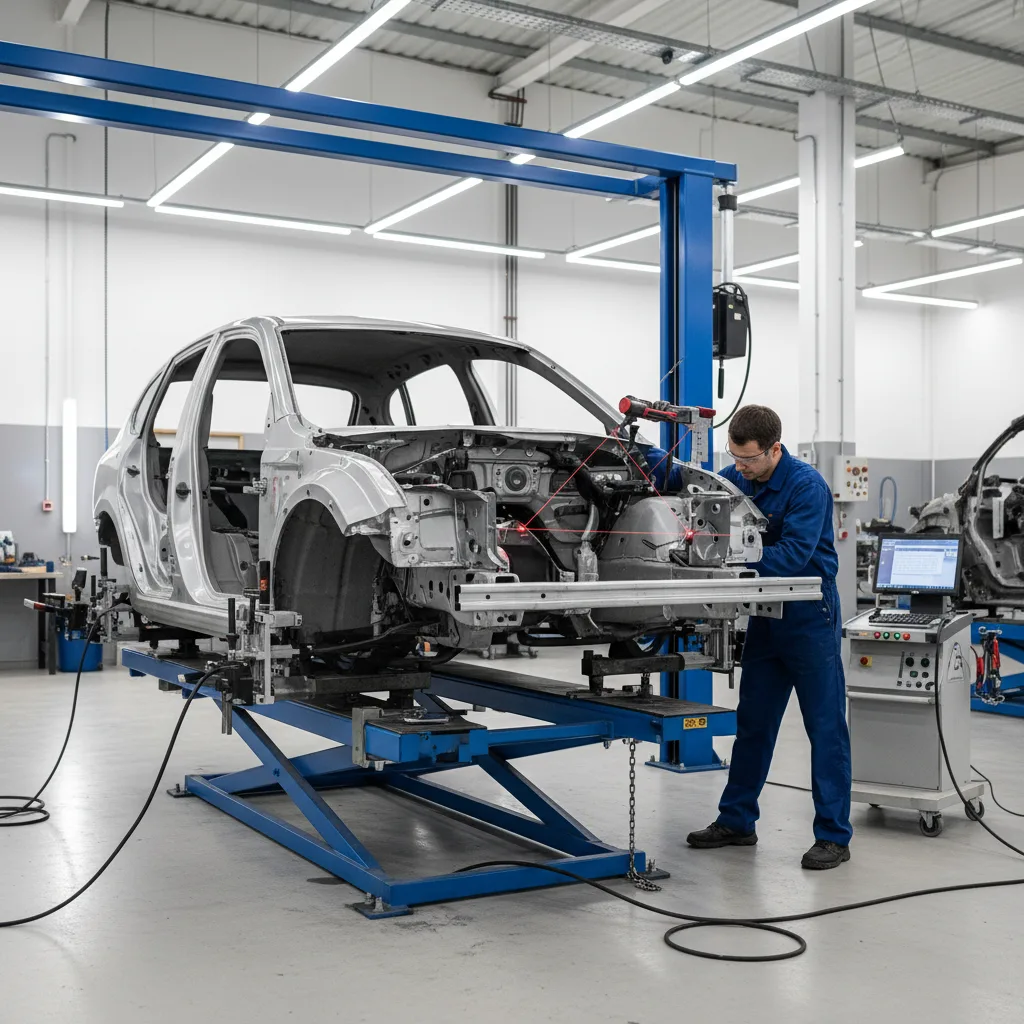
Auto Frame Repair Shop in Phoenix, AZ: Restoring Structural Integrity After Impact Damage
Why Frame Damage Is More Serious Than You Think
You’re pulling out of a parking lot off Camelback Mountain Road, and another driver clips your front quarter panel at a low speed. The dent looks minor. The car drives away. You assume it’s cosmetic and consider skipping the shop altogether. That assumption is one of the most expensive mistakes a Phoenix driver can make.
Frame damage doesn’t always announce itself.
After a collision, the visible body damage is only part of the story. Your vehicle’s frame, sometimes called the unibody on modern cars, is the structural skeleton that holds everything in alignment: your suspension geometry, your steering components, your crumple zones. When that skeleton shifts even slightly, the effects ripple outward in ways that don’t show up until weeks or months later.
A misaligned frame changes how your tires contact the road. You might notice uneven tire wear first, or a subtle pull to one side on the I-17. Some drivers describe it as the car feeling “loose” or unpredictable in corners. What they’re actually experiencing is a vehicle that no longer handles the way its engineers intended, and that has real safety consequences, especially at highway speeds.
There’s a common belief that if the car drives fine after a minor accident, the frame is probably okay. That’s not accurate. A frame can be measurably out of spec and still feel drivable in everyday conditions. The problem reveals itself when you need emergency handling, when your ADAS safety systems fail to respond correctly, or when a second impact occurs and your crumple zones don’t perform as designed because the geometry is already compromised.
Modern vehicles rely on precise frame geometry for more than handling. Lane departure warnings, automatic emergency braking, and adaptive cruise control all depend on sensors calibrated to a correctly aligned chassis. A bent frame that goes unrepaired doesn’t just affect your steering; it can quietly disable the safety technology you’re counting on.
This is why a proper inspection from a qualified auto frame repair shop matters after any significant impact, not just the ones that look bad. At Brad’s Deer Valley Collision, our technicians use computerized measuring systems to detect frame deviation that visual inspection alone will miss. If you’re unsure whether your vehicle sustained structural damage, come in for an assessment before that uncertainty turns into a compounding problem.
The Frame Repair Process: What Happens Behind the Scenes
Most customers drop off a damaged vehicle and assume the technicians get right to work pulling metal. The actual process is slower and more methodical than that, and for good reason.
Step One: Damage Assessment
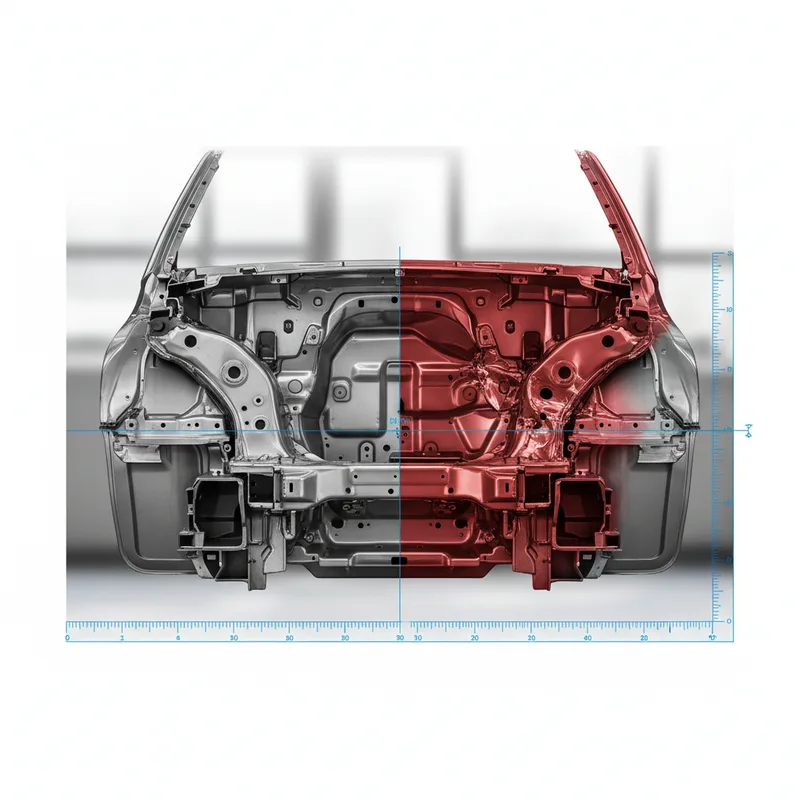
Before any physical work begins, a qualified technician performs a full structural inspection. At a reputable auto frame repair shop, that means mounting the vehicle on a computerized measuring system that maps dozens of reference points across the frame geometry. We’re talking precise millimeter-level readings, not visual guesswork. This diagnostic phase is where hidden damage gets caught, and skipping it is one of the most common mistakes shops make.
The measurements get compared against the manufacturer’s original specifications for that exact make and model. Any deviation, even a small one, tells the technician which sections are compromised and by how much.
Step Two: Straightening and Pulling
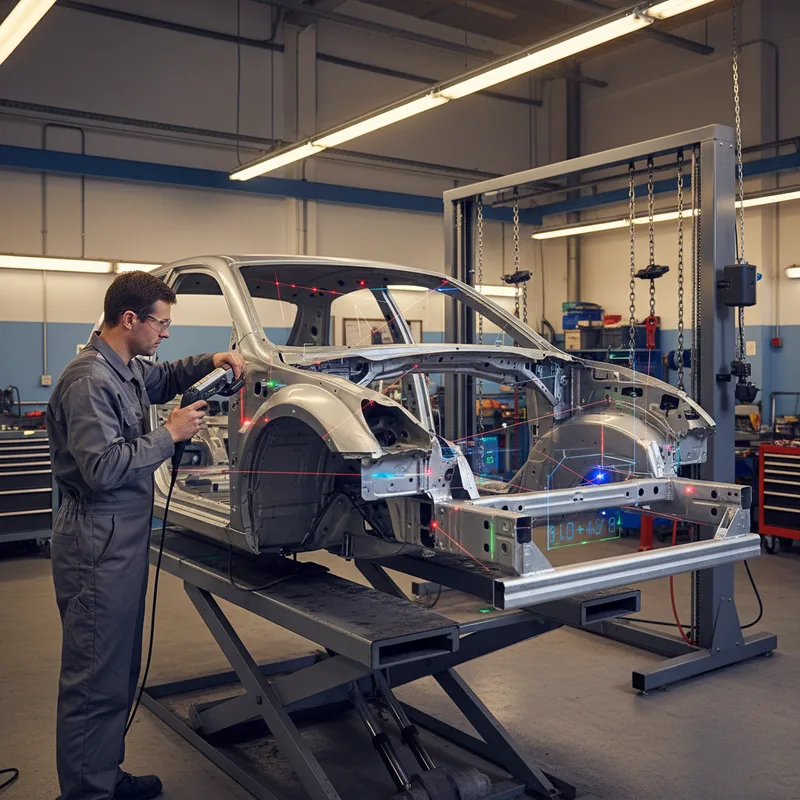
Frame straightening uses a hydraulic pulling system anchored to a dedicated frame bench. The vehicle is clamped into position, and controlled force is applied to push or pull deformed sections back toward spec. This isn’t brute force work. Technicians monitor measurements in real time and adjust the pulling direction and pressure incrementally. Rushing this step causes stress fractures in metal that may not show up immediately but will absolutely cause problems down the road.
Some sections can be straightened. Others, particularly crumple zones that absorbed a hard impact, need to be cut and replaced entirely. Honestly, replacement is often the better call, even when straightening is technically possible. A compromised crumple zone that’s been stretched back into shape won’t absorb energy the same way in a future collision.
Step Three: Verification and Alignment
Once the frame is back to spec, the vehicle gets a full wheel alignment to confirm that steering geometry, camber, and toe angles are all correct. This is a checkpoint that too many shops skip or rush. In Phoenix, AZ, where customers put serious miles on their vehicles navigating everything from tight surface streets to long desert highway stretches, proper alignment isn’t optional.
If the vehicle has advanced driver assistance systems (ADAS), those cameras and sensors need recalibration after frame work. Lane departure warnings and automatic braking rely on precise sensor positioning. Miss that step, and you’re handing a customer back a vehicle with safety systems that are technically active but not actually reliable.
Quality Control Before Delivery
A final inspection documents that all measurements are within tolerance before the car leaves the shop. You can review how our team handles each of these steps on our services page, and see what our Phoenix customers say about the results on our customer testimonials page.
The process takes time. That’s the point.
Common Frame Damage Scenarios in the Phoenix Area
After nearly four decades working on vehicles in Phoenix, you start recognizing patterns. Certain intersections, certain highway stretches, certain driving habits produce the same frame damage over and over again.
Phoenix traffic is aggressive. The I-17 and Loop 101 interchange near Deer Valley sees heavy commuter volume daily, and rear-end collisions at highway speeds are among the most frequent jobs we handle. A hard rear impact doesn’t just crumple a bumper. It can compress the rear frame rails, push the trunk floor forward, and misalign the rear axle mounting points in ways that aren’t obvious until you put the vehicle on a measuring system.
Front-end damage is the other constant. Intersection accidents at high-traffic corridors like Bell Road and the I-17 frontage roads account for a significant share of the front-end frame work we see. Frontal collisions tend to buckle the front rails and disturb the engine cradle, which directly affects steering geometry and, in newer vehicles, throws off the ADAS sensor alignment.
Side-impact damage gets underestimated more than any other type. A T-bone hit can push the rocker panels inward and distort the B-pillar, compromising the vehicle’s structural cage. A lot of drivers in Phoenix assume side damage is cosmetic. It rarely is.
There’s also a local factor worth mentioning. Phoenix’s summer heat accelerates metal fatigue in vehicles that have prior unrepaired damage. A frame section that was bent slightly in a low-speed parking lot hit two summers ago may behave differently under stress than factory-spec metal. We see this regularly at our auto frame repair shop, especially on older vehicles that have lived their whole lives here.
Phoenix drivers visiting us from Scottsdale, Tempe, and Chandler often come in thinking their car just needs cosmetic work. The frame tells a different story.
DIY Frame Repair: Why It’s a Costly Mistake
Skip the shop. Buy a harbor freight frame puller. Watch a few YouTube videos. It sounds reasonable until you understand what’s actually at stake.
Frame repair isn’t a cosmetic job. It’s structural engineering applied to a vehicle that will carry you and your passengers at highway speeds. The tolerances involved are measured in millimeters, not eyeballed with a tape measure. Consumer-grade equipment simply can’t pull frame rails back to factory spec with any reliable accuracy. And without a computerized measuring system, you have no way to verify the result.
The hidden damage problem is worse than most people expect. A collision transfers energy through a vehicle’s structure in ways that aren’t visible from the outside. Crumple zones deform deliberately. Welds crack. Subframe mounting points shift. A DIY approach addresses what you can see, not what the impact actually did. At a legitimate auto frame repair shop, technicians use multi-point measurement systems specifically to find the damage you’d never spot by crawling under the car.
There’s also a liability angle that rarely gets discussed honestly. If you repair your own frame and later get into an accident, your insurance company may deny the claim. A homemade repair that fails during a collision doesn’t just cost money. It costs lives.
Cut-rate shops carry similar risks. No written estimate, no warranty, and unusually low bids are red flags worth taking seriously. Vague verbal promises don’t protect you when the car drives crooked six months later.
Our opinion: people often overestimate what a cheap fix saves them. In Phoenix, AZ, a second accident caused by misaligned geometry will cost far more than doing it right the first time. Our customers have seen this firsthand.
What Makes a Trusted Frame Repair Shop: Red Flags and Green Lights
Most customers get burned by a bad shop because they picked on price alone. It’s the single most consistent mistake I’ve seen in this industry, and it’s completely avoidable.
Choosing a reliable auto frame repair shop in Phoenix, AZ requires a short checklist applied before you hand over your keys. The good shops make it easy to verify them. The bad ones make you feel like you’re being difficult for asking.
Green Lights: What to Look For
-
Certifications on display. I-CAR Gold Class and ASE certifications aren’t decorations. They indicate that technicians train regularly on current repair procedures, including the structural repair standards that frame work demands.
-
A written estimate with line-item detail. Vague estimates protect the shop, not you. If a quote just says “frame repair” with a single dollar amount, that’s a problem before any work starts.
-
Clear warranty language. A shop confident in its work puts the warranty in writing. Ask specifically what’s covered and for how long.
-
ADAS recalibration capability. This one gets overlooked constantly. Any modern vehicle with lane assist, automatic emergency braking, or blind-spot monitoring needs those systems recalibrated after frame work. If a shop doesn’t mention it, ask directly.
-
Real customer reviews. Read them. Look for patterns in complaints, not just the star count.
Red Flags Worth Walking Away From
-
No warranty offered, or a verbal-only promise
-
Pressure to decide quickly before getting other estimates
-
A bid that comes in dramatically lower than two other shops
-
No mention of post-repair alignment verification
-
Reluctance to answer questions about parts sourcing (OEM vs. aftermarket)
Here’s a professional opinion that runs against common advice: getting three estimates isn’t always necessary. If a shop is certified, transparent, carries strong reviews, and gives you a detailed written estimate with warranty terms, the second estimate is mostly a time investment. Verification matters more than comparison shopping.
You have the right to choose your own shop regardless of what your insurance company recommends. Don’t let that get lost in the stress of the claims process. See what credentials and experience actually look like, and use that standard to evaluate anyone you’re considering.
Brad’s Deer Valley Collision: 40+ Years of Phoenix Frame Repair Expertise
We’ve been repairing frames in Phoenix since 1985. That’s not a marketing line. That’s four decades of reading damaged vehicles, investing in the right equipment, and building trust with customers who come back after every accident because they know what they’re getting.
Brad’s Deer Valley Collision is a full-service auto frame repair shop with I-CAR and ASE certifications, computerized measuring systems, and the technical capacity to handle everything from minor structural corrections to complete frame reconstruction. You can review our full credentials and shop history if you want the details before you visit.
One area where we go further than most shops in Phoenix, AZ: ADAS recalibration. Modern vehicles carry lane departure systems, automatic emergency braking, and adaptive cruise control tied directly to sensors that shift during frame damage. A lot of shops fix the metal and call it done. We don’t. Every frame repair we complete includes a full safety system check to confirm those sensors are reading correctly. Skipping that step is one of the most common oversights in this industry, and it’s one we refuse to make.
Every repair comes with a written warranty. No verbal promises, no “we’ll take care of you” without documentation. Get it in writing or don’t leave the car.
We also understand that a shop visit isn’t always convenient. That’s why we offer loaner vehicles and shuttle service for Phoenix, AZ customers who need to stay mobile while their vehicle is being repaired. You shouldn’t have to rearrange your life to get proper frame work done.
See what local drivers have said about their experience at our shop on the customer reviews page. Then take a look at our full list of services to understand exactly what we handle.
Ready to bring your vehicle in? Walk-ins are welcome. You can also reach out directly to schedule an estimate at a time that works for you.
Frequently Asked Questions
How long does frame repair typically take?
It really depends on how much damage we’re dealing with. Minor frame damage usually takes somewhere between 3 and 7 days. If you’ve got major structural damage, that can stretch to 2 to 4 weeks. At Brad’s Deer Valley Collision, we’ll give you an accurate timeline after we inspect the vehicle in person. We also offer loaner vehicles so you’re not stuck without transportation while we’re working on your car here in Phoenix, AZ, USA.
Will my insurance cover frame repair?
In most cases, yes. If the frame damage came from a collision, your collision insurance should cover it. Brad’s Deer Valley Collision is a certified DRP (Direct Repair Program) auto frame repair shop, which means we work directly with insurance companies to handle the claims process on your behalf. We take care of the documentation and communication so you don’t have to spend your time going back and forth with your insurer. Just bring your vehicle in and we’ll get things moving.
What’s the difference between frame repair and frame replacement?
Frame repair means we use specialized equipment to straighten and realign the damaged sections while keeping your original frame intact. Replacement only happens when the damage is so severe that we can’t safely restore the structural integrity, which is actually pretty rare. The majority of vehicles that come into our auto frame repair shop in Phoenix, AZ, USA can be fixed through repair rather than a full replacement. We’ll always tell you honestly which direction makes the most sense for your specific situation.
Can misaligned frames cause future problems?
Absolutely, and it’s something we take seriously. A frame that isn’t properly corrected can lead to uneven tire wear, poor handling, reduced fuel efficiency, and safety systems that don’t perform the way they should. These problems tend to get worse and more expensive over time. That’s why we use laser measurement technology to verify alignment is right before your vehicle leaves our shop. Don’t ignore a suspected frame issue just because the car still drives.
What should I do immediately after a collision affects my frame?
First, take photos of all visible damage before anything gets moved or touched. Remove any valuables from the vehicle and notify your insurance company as soon as you can. Don’t drive the car long distances until a professional has assessed whether the frame is safe. Come into Brad’s Deer Valley Collision and we’ll give you a written estimate from a certified auto frame repair shop right here in Phoenix, AZ, USA. Getting an expert set of eyes on it early makes a real difference.
Get Your Frame Inspected by Certified Technicians at Brad’s Deer Valley Collision
A damaged frame isn’t something you want to guess about. If you’re in Phoenix, AZ, USA and your vehicle has been in a collision, bring it to Brad’s Deer Valley Collision for a professional frame alignment assessment and a clear, written estimate you can actually count on. See what our customers are saying on Google and then call us or stop by the shop to talk directly with a technician who knows this work inside and out.
Don’t put your safety at risk with a frame that isn’t properly repaired. Reach out to us today and let’s get your vehicle back on the road the right way.