
Modern Plastic Bumper Repair Solutions in Phoenix, AZ: Durable Alternatives to Replacement
Modern Plastic Bumper Repair Solutions in Phoenix, AZ: Durable Alternatives to Replacement
Why Modern Plastic Bumpers Are Built to Be Repaired
You’re pulling out of a parking spot at Desert Ridge Marketplace, and you hear that familiar crunch. You get out, look at the rear bumper, and see a scuff and a crack running about four inches across the fascia. Your first instinct might be to assume the whole thing needs to come off. That instinct is understandable, but it’s usually wrong.
Modern vehicle bumpers aren’t built the way they were in 1985, when we first opened our doors here in Phoenix. Back then, chrome steel bumpers were standard, and damage meant dents you’d either live with or replace entirely. Today’s bumpers are engineered from thermoplastic materials, specifically designed with repairability in mind.
The Engineering Behind Today’s Bumper Materials
Most passenger vehicles now use bumper fascias made from materials like TPO (thermoplastic olefin), PP (polypropylene), or PUR (polyurethane). These aren’t just cheaper substitutes for metal. They’re purpose-built materials chosen because they absorb low-speed impact energy, flex without fracturing, and respond well to heat-based reshaping and adhesive repair techniques. Automakers made this switch deliberately, working alongside crash safety researchers to design bumper systems that protect pedestrians better while reducing repair costs after minor collisions.
Here’s the professional opinion that often surprises people: a cracked or scuffed plastic bumper that gets replaced instead of repaired is almost always an unnecessary expense. Shops that default to replacement on repairable damage are either cutting corners on time or don’t have technicians trained in proper plastic bumper repair methods. Both are red flags.
Phoenix’s climate actually works in your favor here. The desert heat that bakes everything else can be used strategically during repair. Heat manipulation is a core technique for reshaping thermoplastic fascias, and our technicians know how to use it precisely rather than guessing.
There’s real value in the way these materials behave. A properly repaired plastic bumper, finished with matched paint, is structurally sound and visually indistinguishable from new. You’re not settling for a patch job. You’re getting a repair that reflects how the part was designed to be fixed in the first place.
If you’d like to understand the full range of services we provide, visit our services page, or reach out directly for an honest assessment of your bumper damage.
Common Types of Plastic Bumper Damage and Repair Options
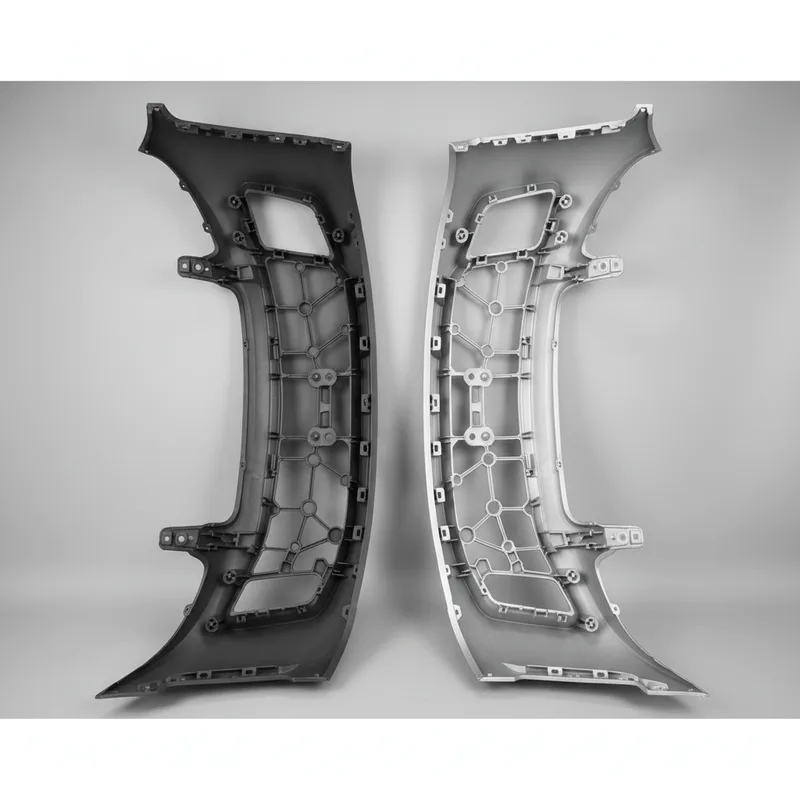
Not all bumper damage is created equal. Before anyone can tell you whether your bumper needs repair or full replacement, you have to understand what type of damage you’re actually dealing with. In our experience here in Phoenix, most drivers come in with one of four damage patterns, and each one calls for a different approach.
Surface Scuffs and Paint Damage
This is the most common thing we see. A shopping cart, a parking lot scrape, or a light brush against a wall leaves the paint scratched or gouged without actually compromising the bumper’s structure. The plastic underneath is intact. In these cases, a proper paint repair and refinish is all you need. No major reconstruction, no parts ordering, just solid surface prep and a quality repaint that matches your vehicle’s original finish.
A lot of shops skip the prep. That’s where the job falls apart.
Minor Dents and Deformation
Phoenix’s stop-and-go traffic on the I-17 or tight parking situations near Camelback Mountain produce a lot of low-speed impact dents. The bumper takes a hit, loses its shape, but doesn’t crack. Because modern bumper fascias are made from flexible thermoplastic materials, a skilled technician can often reshape these deformations using heat and pressure. No filler, no replacement, just restoring the original contour.
Cracks and Splits
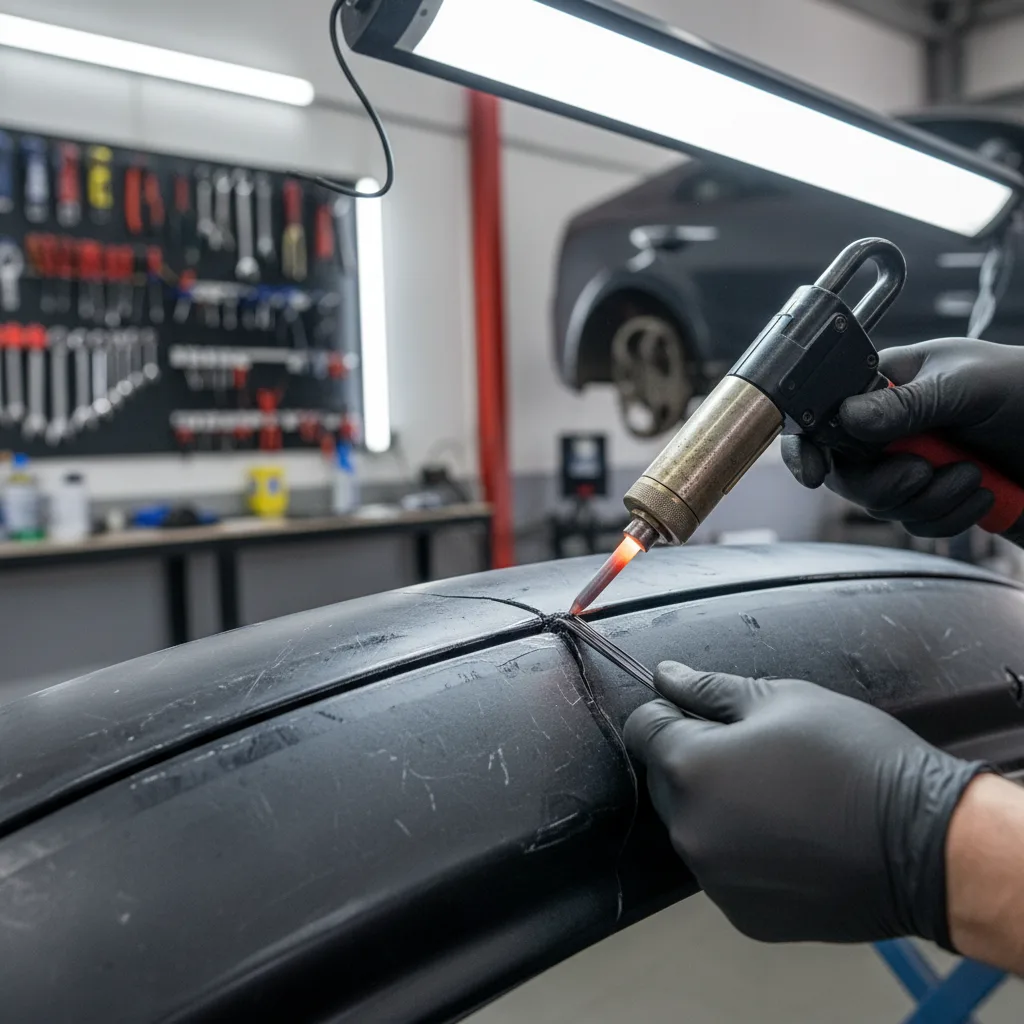
Cracks are more serious but still very repairable in most cases. A crack running a few inches across the fascia, or a clean split from a focused impact, can be addressed through plastic welding or structural adhesive bonding. The repair holds up well when it’s done correctly. We’ll cover those specific techniques in the next section, but the key point here is that a crack alone doesn’t automatically mean you need a new bumper.
Severe Structural Damage
There are limits. If the bumper has multiple deep cracks radiating in different directions, large chunks missing, or the underlying foam energy absorber and mounting brackets are compromised, then replacement is the right call. Trying to patch together a bumper that’s structurally unsound is exactly the kind of shortcut that creates problems down the road, especially for a vehicle with front-facing sensors or cameras tied to its safety systems.
The honest answer most drivers need to hear is that plastic bumper repair in Phoenix, AZ is the right solution far more often than shops suggest. Replacement generates more revenue, which is why some operations push it by default. We’d rather give you an accurate assessment. You can reach out to us directly to get a straight answer about your specific damage before making any decisions.
Advanced Repair Techniques: Welding, Bonding, and Reshaping
Walk through any busy collision shop and you’ll notice that the most time-consuming bumper jobs aren’t always the worst-looking ones. A crack that runs along a flex point, or a gouge that sits near a mounting tab, demands real technique. Surface prep, material knowledge, and the right process for that specific plastic type all determine whether a repair holds up or fails in six months.
Three core methods make modern plastic bumper repair possible.
Plastic Welding
This is the backbone of structural crack repair. A trained technician uses a plastic welder to fuse a compatible filler rod directly into the damaged area, rebuilding the material rather than just covering it. The key word there is compatible. Different bumpers are made from different plastic compounds, and using the wrong rod creates a bond that looks fine until road flex or heat stress pulls it apart. Phoenix heat accelerates that failure. We identify the plastic type first, then match it precisely before any heat touches the bumper.
Adhesive Bonding
Not every repair calls for heat. Two-part structural adhesives have improved dramatically, and for certain damage profiles, bonding outperforms welding. Tabs, mounting points, and areas where drilling or clamping is impractical respond well to high-strength adhesive systems. Some shops default to welding everything out of habit. That’s not always the right call. A good technician reads the damage and chooses accordingly.
Precision Reshaping
Flexible bumpers can warp and deform without actually cracking. Heat guns and specialized forming tools allow technicians to push the plastic back toward its original profile. This works best on fresh deformation. The longer a bumper sits out of shape, the more it stress-sets in the wrong position.
All three methods share one requirement: thorough surface preparation. Skipping prep is the most common reason plastic bumper repair fails prematurely. Contamination, wax residue, or moisture trapped under the repair area will compromise any bond, weld, or finish coat.
Our team at Brad’s Deer Valley Collision has been refining these techniques since 1985, and we apply them every day right here in Phoenix, AZ. You can review our full bumper and collision services to see where these repairs fit into the bigger picture.
Repair vs. Replacement: When Each Makes Sense
Here’s the honest answer most shops won’t give you upfront: replacement isn’t always better, and repair isn’t always cheaper in the long run. The right call depends on the specific damage in front of you, not a blanket policy.
At Brad’s Deer Valley Collision, we’ve been making this call for Phoenix drivers since 1985. After that many bumpers, you develop a pretty clear sense of where the line is.
When Repair Is the Right Move
If your bumper has surface scuffs, a clean crack without structural compromise, minor gouges, or localized warping from heat (and Phoenix heat does a number on plastic fascias), repair is almost always the smarter option. You’re looking at lower cost, faster turnaround, and a result that holds up just as well as a replacement when the work is done correctly. A skilled technician using the right plastic welding or bonding process can restore structural integrity that you simply can’t get from a slap-and-paint approach.
Repair also makes strong environmental sense. Replacing a bumper generates landfill waste and consumes new manufacturing resources. If the damaged part can be restored to pre-accident condition, there’s no good reason to scrap it.
When Replacement Makes More Sense
Some damage crosses a line. Large multi-directional fractures, damage near mounting points that can’t be re-welded reliably, or a bumper that’s been hit twice in the same spot are all situations where replacement is the right answer. Deep structural deformation that affects how the bumper absorbs a future impact is another clear indicator. The NHTSA’s vehicle safety guidelines are worth reviewing if you want to understand how bumper integrity ties into overall crash protection.
One opinion you won’t hear enough: a low-quality replacement bumper is worse than a high-quality repair. Cheap aftermarket fascias often fit poorly and don’t match the paint well, even with color matching. Don’t assume a new part automatically means a better outcome.
Not sure which direction your damage points? Get a written estimate from our team and we’ll walk you through exactly what we’re seeing and why.
What to Expect During Plastic Bumper Repair at Brad’s Deer Valley Collision
Most customers are surprised by how methodical the process actually is. There’s no winging it on a quality plastic bumper repair job, and any shop that makes it look rushed probably skipped something important.
Here’s how we handle it from start to finish.
Step 1: Thorough Damage Assessment
We don’t just look at the obvious crack or scuff. Our technicians remove the bumper fascia to inspect the reinforcement bar, mounting tabs, and any foam energy absorbers behind the cover. Phoenix drivers who’ve been in even minor parking lot impacts are often surprised to find hidden damage underneath a surface that looked fine from ten feet away. A proper written estimate follows this inspection. You’ll know exactly what’s being repaired and why.
Step 2: Surface Preparation
This is where a lot of shops cut corners, and it directly affects how long your repair lasts. We clean the entire bumper, not just the damaged area, before any welding, bonding, or reshaping begins. Prep determines adhesion. Skip it, and your paint will peel within a year in the Phoenix heat.
Step 3: Repair Execution
Depending on the damage type, our I-CAR certified technicians apply the right technique: nitrogen plastic welding for structural cracks, two-part adhesive bonding for flexible sections, or heat reshaping for deformed areas. No guessing. The repair method matches the material and the damage.
Step 4: Paint Matching and Final Inspection
We use computerized paint matching technology to blend your vehicle’s exact factory color. The refinished bumper goes through a dedicated quality check before it ever goes back on your car. You can read what Phoenix customers say about our results, or reach out directly to schedule your estimate. We’ve been doing this since 1985. The process is proven.
Critical Mistakes to Avoid When Repairing Plastic Bumpers
Some shops cut corners. Knowing where those shortcuts happen helps you protect yourself before you hand over your keys.
The most common mistake we see in Phoenix, AZ is skipped surface prep. Paint applied over contaminated or unprepared plastic won’t bond properly. It might look fine for a few weeks, then start peeling. No amount of clear coat saves a bad foundation.
Second big one: using the wrong adhesive or filler for the specific plastic type. Not all bumper plastics are the same, and a shop that doesn’t identify the material before bonding is guessing. That guess usually fails.
Poor paint matching is also more common than it should be. Honestly, shops that skip computerized color matching shouldn’t be doing plastic bumper repair at that level of volume. It shows in the finished product.
Missing hidden damage is the one that costs drivers the most down the road. A cracked fascia sometimes hides a bent support bracket or foam absorber underneath. If a shop doesn’t pull the bumper and inspect fully, you’ll find out at the worst time.
Always ask for a written estimate and a warranty. If a shop hesitates on either, that tells you everything. We’ve been doing this since 1985, and we put both in writing, every time.
Protecting Your Repaired Bumper and Maximizing Durability
Most drivers do nothing after a repair and then wonder why their bumper looks rough again within a year. Don’t let that happen.
Once your plastic bumper repair is complete, a quality clear coat protectant or paint sealant adds real defense against Phoenix’s intense UV exposure. That sun bakes finish off unprotected bumpers fast. Ask your tech about ceramic coating options specifically for repaired areas.
Parking habits matter more than people admit. Tight spots near shopping centers cause most repeat damage. Give yourself room.
On warranties, don’t settle for a verbal promise. Any reputable shop in Phoenix, AZ should hand you something in writing. At Brad’s Deer Valley Collision, we’ve backed our work with a strong written guarantee since 1985. Contact us to schedule an estimate and see why that matters.
Frequently Asked Questions
Can a cracked plastic bumper be repaired instead of replaced?
In most cases, yes. Modern plastic welding and bonding techniques have come a long way, and a cracked bumper can often be repaired effectively without replacing the whole thing. The key factor is whether the structural reinforcement underneath is still intact. A qualified technician will look at the size, location, and severity of the crack to decide if repair is the right call. At Brad’s Deer Valley Collision in Phoenix, AZ, USA, we assess every bumper damage situation individually so you don’t end up paying for a full replacement you don’t need.
How much does plastic bumper repair typically cost in Phoenix?
The cost really depends on how bad the damage is. Minor plastic bumper repair in Phoenix, AZ, USA typically runs somewhere between $150 and $800. More extensive damage can range from $1,500 to $2,500. Either way, repair is generally 40 to 60 percent cheaper than a full bumper replacement. At Brad’s Deer Valley Collision, we provide free written estimates so you know exactly what you’re looking at before any work begins. No surprises, no guesswork.
How long does plastic bumper repair take?
Minor repairs usually take about one to three days. If the damage is more extensive, you’re looking at five to seven days, since paint needs proper time to cure and some parts may need to be ordered. We know being without your vehicle is a hassle, so Brad’s Deer Valley Collision offers loaner vehicles and shuttle service to keep you moving while we take care of your plastic bumper repair. Just let us know what you need when you drop your car off at our Phoenix, AZ, USA shop.
Will a repaired plastic bumper look as good as new?
Absolutely. When the repair is done by certified technicians using advanced paint matching technology, you really can’t tell the difference. Proper surface preparation, quality materials, and precision painting all work together to produce a seamless finish that matches your vehicle’s original color. At Brad’s Deer Valley Collision, we don’t cut corners on the finishing process because we know the end result is what you’re going to see every day. A good plastic bumper repair should look like it never happened.
Does auto insurance cover plastic bumper repair?
Yes, if the damage resulted from a covered incident like a collision or certain weather events, your auto insurance will typically cover plastic bumper repair under your collision or comprehensive coverage. You’ll just be responsible for your deductible. The paperwork side of things can feel overwhelming, but that’s something we handle for you. Brad’s Deer Valley Collision works directly with insurance companies to make the process as smooth as possible. Stop by our Phoenix, AZ, USA shop and we’ll walk you through everything.
Get Your Bumper Fixed Right Here in Phoenix, AZ, USA
We’ve been repairing bumpers for Phoenix drivers since 1985, and we know how much a dented or cracked bumper can throw off your whole day. Stop by Brad’s Deer Valley Collision for a free written estimate, and our I-CAR certified technicians will walk you through exactly what the repair involves and what it’ll cost, no surprises. We work directly with insurance companies and provide loaner vehicles so you’re not stuck waiting around.
Call us today or come see us in person, and check out what our customers are saying about us on Google before you do. We think you’ll like what you find.