Auto Body Shop After Accident in Phoenix, AZ: Your Complete Recovery Guide
Auto Body Shop After Accident in Phoenix, AZ: Your Complete Recovery Guide
What Happens During Your Initial Auto Body Shop Assessment
You’re sitting in the parking lot of a grocery store off Tatum Boulevard, staring at the crumpled rear quarter panel someone left you as a parting gift. No note. No witness. Just damage and a sinking feeling. That moment, right there, is when most Phoenix drivers make their first call to an auto body shop after accident stress has already set in. What happens next matters more than most people realize.
At Brad’s Deer Valley Collision, the first step isn’t paperwork. It’s a real conversation.
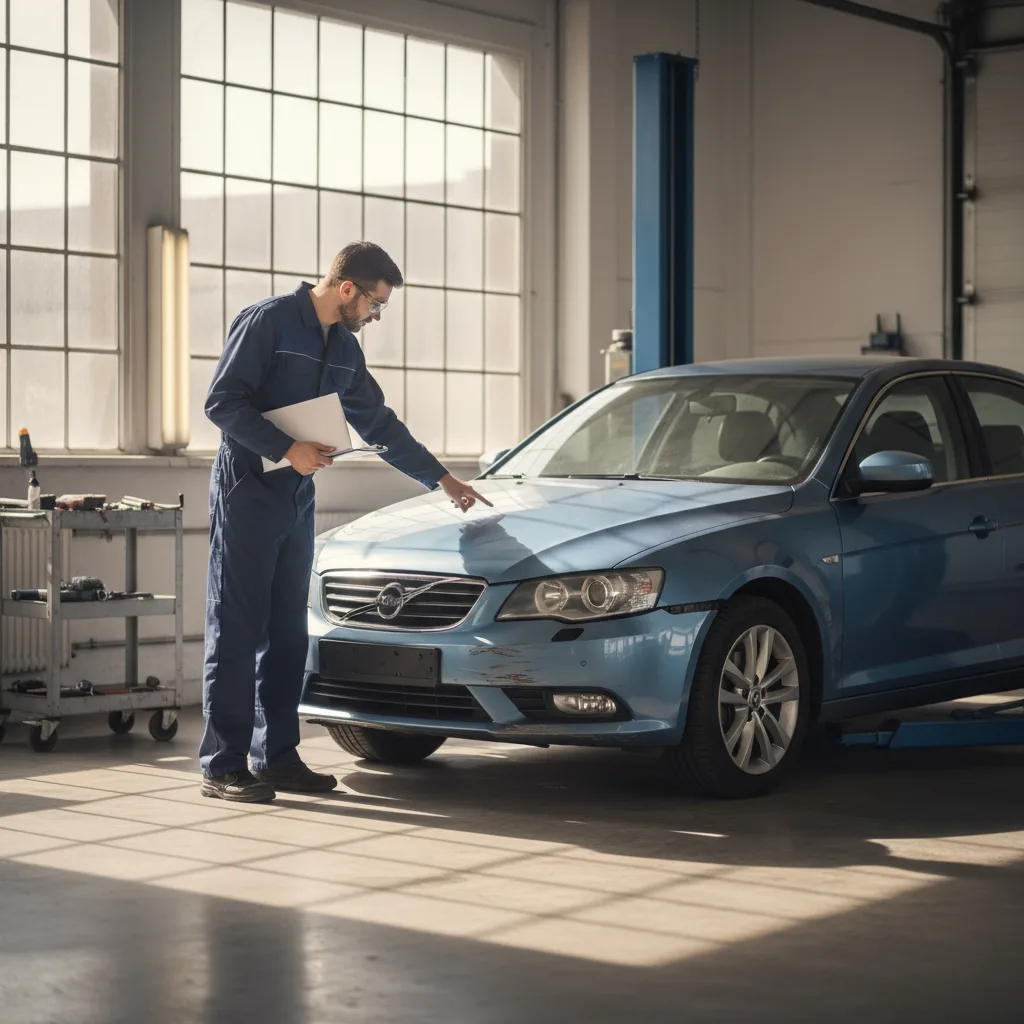
When you bring your vehicle in, one of our technicians walks the car with you, not just around it. We’re looking at the obvious stuff, sure, but we’re already thinking about what the visible damage is telling us about what’s underneath. A dented bumper cover can hide a bent reinforcement bar. A scuffed fender might signal a stressed strut tower. That first walkthrough sets the tone for everything that follows.
What the Visual Inspection Actually Covers
The initial assessment typically examines several areas that casual observers often overlook:
-
Panel alignment and gaps between doors, hoods, and fenders
-
Bumper mounting points and underlying support structure
-
Suspension components visible from the wheel wells
-
Glass integrity, including subtle cracks that spread under heat
-
Undercarriage exposure if the impact had any downward angle
Here’s where we respectfully push back on a common assumption: a “minor” accident doesn’t always mean minor damage. We’ve seen plenty of low-speed rear impacts that looked like a simple bumper scuff but actually compromised the trunk floor structure. Phoenix’s stop-and-go traffic on the I-17 and Loop 101 corridors produces exactly this kind of deceptive collision pattern. Don’t let the cosmetic appearance fool you, and don’t let a shop that only looks at the surface fool you either.
After the visual check, we move to documentation. Every angle gets photographed before a single panel is touched. This protects you and creates a clear baseline for your insurance claim. You can learn more about our full range of inspection and repair services to understand how thorough this process really is.
From there, we build a written estimate with line-item detail. Vague estimates are a red flag in this industry. You deserve to know exactly what’s being repaired and why.
We’ve been doing this since 1985, and the one thing that hasn’t changed is this: a thorough assessment at the start prevents expensive surprises at the end. Schedule your assessment today and let’s take a proper look.
Understanding Hidden Damage and Frame Alignment Issues
Surface damage lies. That’s the most direct way to put it.
A bumper that looks like a simple cosmetic fix can be hiding something far more serious underneath. After a collision, even one that felt minor at the time, forces transfer through your vehicle’s structure in ways that aren’t visible from the outside. Crumple zones do their job, but that job involves absorbing and redirecting energy through the frame, subframe, and unibody rails. That energy has to go somewhere.
Why Frame Damage Is Easy to Miss
Most drivers assume that if their car drives okay after an accident, the frame is probably fine. We’d push back on that assumption pretty firmly. A vehicle can pull slightly to the left, wear tires unevenly, or exhibit subtle steering drift for months before anyone connects it to that fender bender from last spring. By then, the damage has compounded.
Hidden frame issues show up in a few common ways. A door that suddenly doesn’t close right. Gaps between body panels that weren’t there before. Unusual vibration at highway speeds. These are the signs that a walk-around inspection misses if the technician isn’t specifically looking for structural shift.
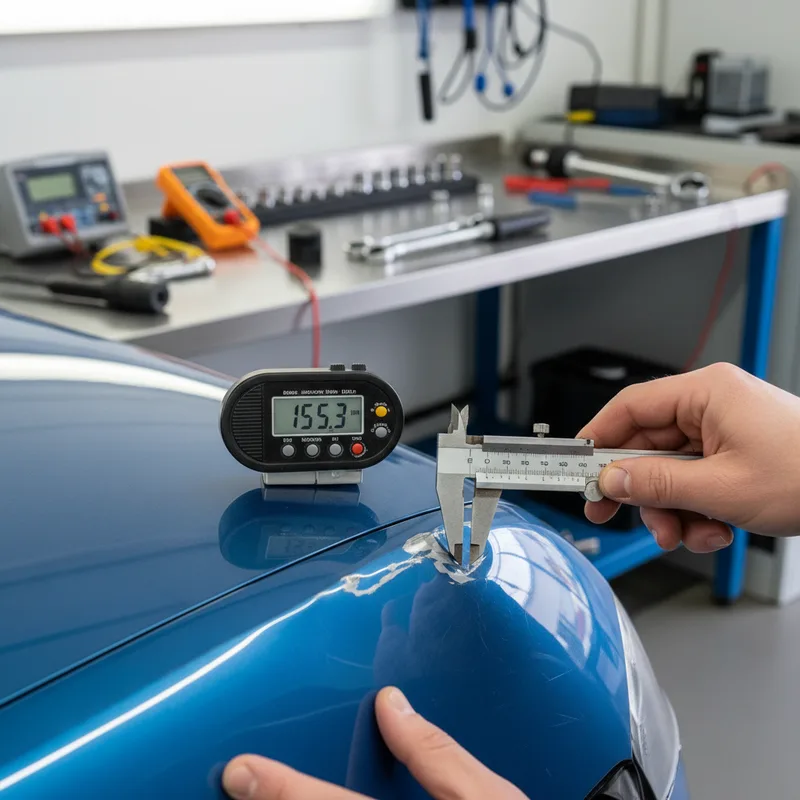
At a qualified auto body shop after accident repairs, technicians use computerized measuring systems to map your vehicle’s frame geometry against manufacturer specifications. This isn’t optional equipment for a serious shop. It’s the standard. The I-CAR organization has been pushing industry-wide standards on structural repair for decades, and their guidelines make clear that visual inspection alone is not sufficient after a moderate or severe collision.
What Frame Alignment Diagnostics Actually Involve
Modern frame measuring equipment attaches reference points directly to your vehicle and feeds real-time data into a computer. Technicians compare those readings against the factory blueprint for your exact make and model. Deviations of even a few millimeters matter, especially in a vehicle with advanced driver assistance systems.
That last part is worth pausing on. If your car has lane-keep assist, automatic emergency braking, or adaptive cruise control, those systems rely on cameras and sensors that are calibrated to a specific frame geometry. A bent frame throws that calibration off. The sensor still works. It’s just working from a reference point that no longer matches reality.
Our team at Brad’s Deer Valley Collision has been doing this work in Phoenix, AZ since 1985, and ADAS recalibration after frame repair is something a lot of shops still don’t handle in-house. You can read more about our full range of services and certifications and warranty coverage to understand how we approach structural repairs.
Don’t let a shop close out your repair without confirming that your frame geometry and safety systems were both checked. A clean paint job on a misaligned frame isn’t a repair. It’s a cover-up.
Navigating Your Insurance Claim and Repair Estimate
Most Phoenix drivers walk into this process thinking their insurance company controls more than it actually does. That’s one of the most common misconceptions we see at the counter, and it costs people money and options they didn’t know they had.
You have the right to choose your own repair shop. Full stop. Your insurer may recommend a preferred shop or a direct repair program, and that’s fine, but they cannot legally force you to use it. Arizona law protects that choice. If someone at an insurance company implies otherwise, push back.
Get a Written Estimate. Always.
No written estimate means no accountability. Any reputable auto body shop after an accident in Phoenix, AZ will provide a detailed, itemized repair estimate in writing before touching your vehicle. Vague verbal quotes are a red flag worth taking seriously. Get two or three estimates if the damage is significant, not because the cheapest bid wins, but because wide discrepancies usually signal something worth investigating.
One opinion that sometimes gets challenged: comparing estimates isn’t always about finding the lowest price. A suspiciously low bid often means someone is planning to cut corners, use substandard materials, or skip steps like ADAS recalibration after a structural repair. You’ll pay for that shortcut later.
OEM vs. Aftermarket Parts
Ask specifically which parts will be used. OEM (original equipment manufacturer) parts come directly from your vehicle’s manufacturer and are built to exact specifications. Aftermarket parts are third-party alternatives, sometimes cheaper, sometimes fine, but not always. Insurance companies frequently push for aftermarket options to reduce claim costs. You’re allowed to request OEM parts, though you may need to cover a price difference depending on your policy.
At Brad’s Deer Valley Collision, we walk every customer through this conversation up front. Our team has been doing it since 1985, and we don’t let insurance paperwork become your problem to solve alone. Check our contact page to schedule your estimate with someone who knows what they’re looking at.
Common Mistakes to Avoid Before and After Your Repair
Most people focus entirely on finding the right auto body shop after accident damage occurs. That makes sense. But just as many things go wrong before the car ever gets looked at, and after it’s picked up, as during the repair itself.
Before You Drop Off the Car
Document everything. Walk around the entire vehicle and take photos from every angle, not just the damaged areas. Photograph the interior, the wheels, the glass. If there’s a scratch on the opposite side of the car that existed before the accident, you want that on record. It protects you.
Remove your valuables. That sounds obvious, but people leave sunglasses, charging cables, registration documents, and sometimes cash inside their vehicles. A professional shop shouldn’t need to touch those items, but why leave room for a dispute?
Here’s where I’ll push back on common advice a little. A lot of sources tell you to always get three written estimates before choosing a shop. We’d say get two solid estimates from shops you’ve actually verified, meaning they carry I-CAR and ASE certifications, offer a written warranty, and have real customer reviews. Chasing a third estimate just to hit an arbitrary number wastes your time and sometimes steers people toward whoever bids lowest, which is rarely a win.
Speaking of red flags: no written estimate, no warranty, and unusually low bids are the three signs you should walk away. Low prices in this industry usually mean cut corners, aftermarket parts passed off as OEM, or skipped steps in surface prep that show up six months later.
After You Pick Up Your Vehicle
Don’t just grab the keys and leave. Do a walk-around in good lighting before you drive off the lot. Check paint color matching under natural light, not fluorescent shop lights. Test every function that was near the damaged area, including lights, trunk latches, and any sensors.
Ask specifically whether ADAS systems were recalibrated. Lane assist, automatic braking, and backup cameras are tied to sensors that can be knocked out of alignment by collision damage. Many Phoenix drivers don’t realize this until something goes wrong on the freeway.
You can also check what other customers experienced at Brad’s Deer Valley Collision to understand what a thorough, accountable repair process actually looks like. Knowing the standard helps you hold any shop to it.
Repair Timeline and What to Expect During the Process
One thing we notice constantly at our Phoenix shop: customers are surprised by how long repairs actually take. Not because shops are slow, but because most people have never seen what a proper repair involves from the inside.
Timelines vary a lot. A minor bumper repair or small dent might be done in one to three days. A moderate collision with panel replacement and repainting typically runs five to eight business days. Significant structural or frame damage can stretch to two weeks or more, especially if parts need to be ordered or if hidden damage surfaces after disassembly begins.
That last part matters more than most guides admit. Disassembly often reveals damage that wasn’t visible during the initial estimate. When that happens, a good shop stops, documents the new findings, and contacts your insurance adjuster before proceeding. That process protects you legally and ensures the repair is done right, not just fast.
The Stages of a Professional Repair
-
Tear-down and damage assessment: Full disassembly to confirm the scope of damage beyond what’s visible on the surface.
-
Parts procurement: OEM or approved parts are ordered. This stage alone can add two to five days depending on availability.
-
Structural and body repair: Frame straightening, panel replacement, and welding are completed before any cosmetic work begins.
-
Paint preparation and application: Proper surface prep takes time. Cutting corners here is where most quality problems originate.
-
Reassembly and systems check: Every component goes back in, and safety systems like ADAS technology are recalibrated if applicable.
-
Final quality inspection: Paint match, panel fit, alignment, and function are all verified before the car is cleared for pickup.
Here’s a professional opinion worth sharing: most repair delays come from waiting on parts, not from the actual labor. Blaming the shop is a reflex, but the supply chain is often the real variable. A shop that communicates proactively about delays is doing its job correctly.
At Brad’s Deer Valley Collision, we’ve been working through these stages since 1985. Every repair goes through a structured final inspection before we call you for pickup. You can read what that experience looks like from our customers directly on our reviews page.
Choosing the right auto body shop after accident damage in Phoenix, AZ means choosing one that respects your time enough to communicate honestly, not just quickly. Contact us to get a realistic estimate and timeline upfront.
Advanced Services That Set Professional Body Shops Apart
Most people think collision repair is dent work and paint. That’s understandable, but it’s only part of the picture. The repairs that actually protect your safety often happen where you can’t see them.
Frame Repair and Structural Alignment
Frame damage is deceptive. Your car can drive straight off the lot after an accident and still have a compromised frame. At Brad’s Deer Valley Collision, we use precision measuring equipment to check structural alignment against factory specifications, not just visual inspection. Skipping this step is one of the most common mistakes shops make, and Phoenix drivers pay for it later in uneven tire wear, handling problems, and reduced crash protection.
ADAS Recalibration: The Service Most Shops Skip
This one matters more than most people realize. Modern vehicles are loaded with Advanced Driver Assistance Systems, including lane departure warnings, automatic emergency braking, and adaptive cruise control. These systems rely on cameras and sensors mounted to your bumpers, windshield, and body panels. After any collision repair, those sensors need to be recalibrated to manufacturer specs.
Plenty of shops skip this step entirely. We think that’s a serious problem. A shop that fixes your bumper but ignores your ADAS calibration hasn’t finished the job. You can learn more about ADAS safety standards from the National Highway Traffic Safety Administration.
Bumper Replacement and Precision Paint Matching
Bumper work goes beyond swapping parts. Whether you need a front bumper replacement, rear replacement, or plastic bumper repair, fitment has to be exact. Gaps, misalignment, and improper mounting affect both appearance and safety performance in future impacts.
Paint matching is equally unforgiving. Our auto body paint shop uses computerized color-matching technology to blend repairs with your vehicle’s original finish. Phoenix sun fades paint fast, so precision here isn’t optional.
If you’re choosing an auto body shop after accident damage in Phoenix, AZ, ask directly whether they offer ADAS recalibration and frame measurement services. Many shops don’t. See the full range of services we provide, review our certifications and warranty information, read what our customers say about their experience, and contact us today to schedule your estimate.
Frequently Asked Questions
How long does a typical collision repair take at an auto body shop in Phoenix?
It really depends on the extent of the damage. Minor repairs like small dents and bumper damage usually take about 2 to 5 days. If your vehicle has major structural or frame damage, you’re looking at closer to 2 to 4 weeks. At Brad’s Deer Valley Collision, we give you a realistic timeline right at your initial assessment, not a vague estimate, and we’ll keep you updated as work progresses so you’re never left guessing.
Can I choose my own auto body shop, or does insurance require me to use a specific one?
You have the right to choose your own repair shop. Arizona law is clear on this, and no insurance company can force you to use their preferred vendor. They may suggest certain shops, but the final decision is yours. Brad’s Deer Valley Collision works directly with all major insurers and participates in direct repair programs, so your claim gets handled smoothly regardless of who your insurance carrier is. Just bring your claim information when you come in.
What’s the difference between OEM and aftermarket parts for collision repairs?
OEM parts come directly from your vehicle’s manufacturer, so they’re built to the exact specifications your car was designed with. Aftermarket parts are produced by third-party suppliers and often cost less, but the fit and quality can vary depending on the brand. Neither option is automatically wrong for every situation. When you bring your vehicle to our auto body shop after an accident, we’ll walk you through both choices and give you an honest recommendation based on your vehicle and your budget.
Why is frame alignment important after an accident?
A frame that’s even slightly out of alignment can cause your vehicle to pull to one side, wear your tires unevenly, and put you at greater risk in a future collision because the structure won’t absorb impact the way it was designed to. It’s not always something you’ll notice right away, which is why we use advanced alignment technology to catch even minor deviations. If you’ve been in any kind of significant collision in Phoenix, AZ, USA, getting the frame checked should be a priority before you assume the car is fine.
What should I do before dropping off my car at an auto body shop after an accident?
Before you bring your vehicle in, take photos of all the damage from multiple angles. Remove any personal valuables from the car, since it may be in the shop for several days. Get a written estimate before any work starts, and ask what kind of warranty the shop offers on their repairs. Keep the lines of communication open with your insurance adjuster throughout the process. When you stop by Brad’s Deer Valley Collision, we’ll walk you through each of these steps so nothing gets missed.
Get Your Vehicle Back on the Road with Brad’s Deer Valley Collision
After an accident in Phoenix, AZ, USA, the last thing you need is more stress. Brad’s Deer Valley Collision has been helping local drivers with expert collision repair, frame alignment, and professional painting since 1985, and we work with all major insurers to make the process as smooth as possible. We also offer loaner cars and shuttle service while your vehicle is in our care, so you’re never left stranded.
Stop by our Deer Valley location today or give us a call to schedule your free collision repair estimate. We’d love to earn your trust, and you can see what our customers are saying on Google before you come in.